First Blood
"One man. One war. Too far."
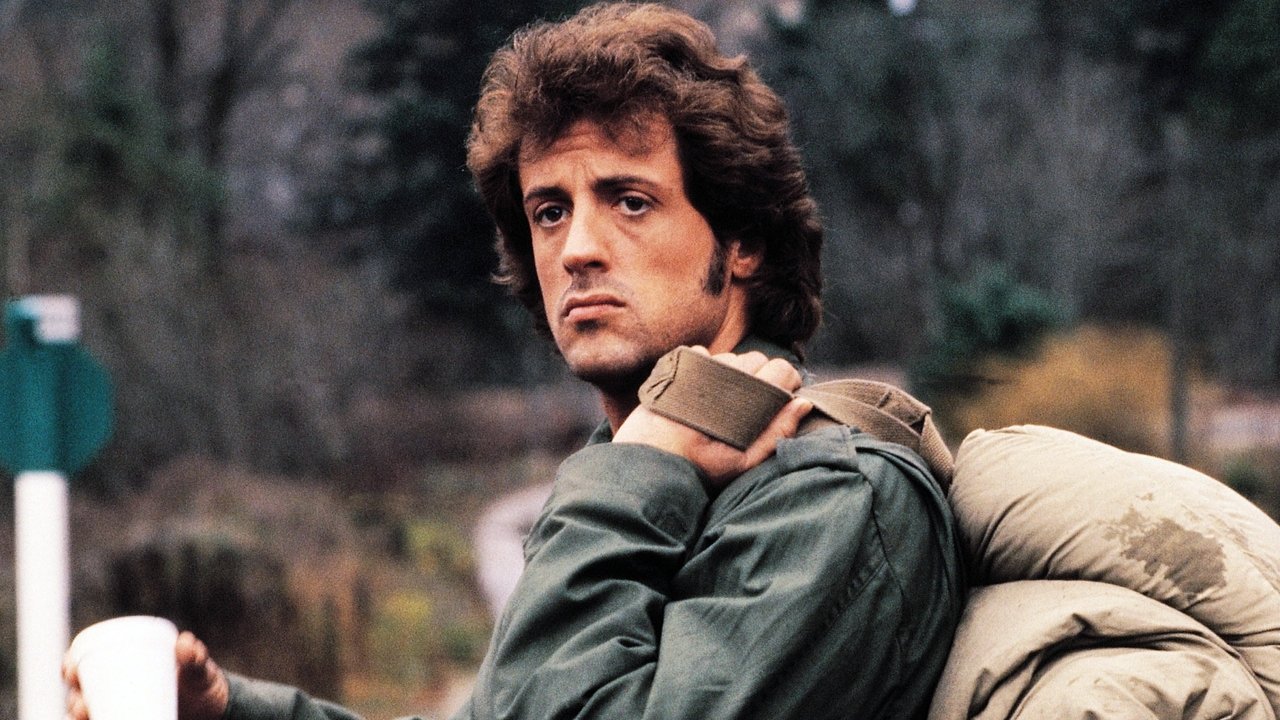
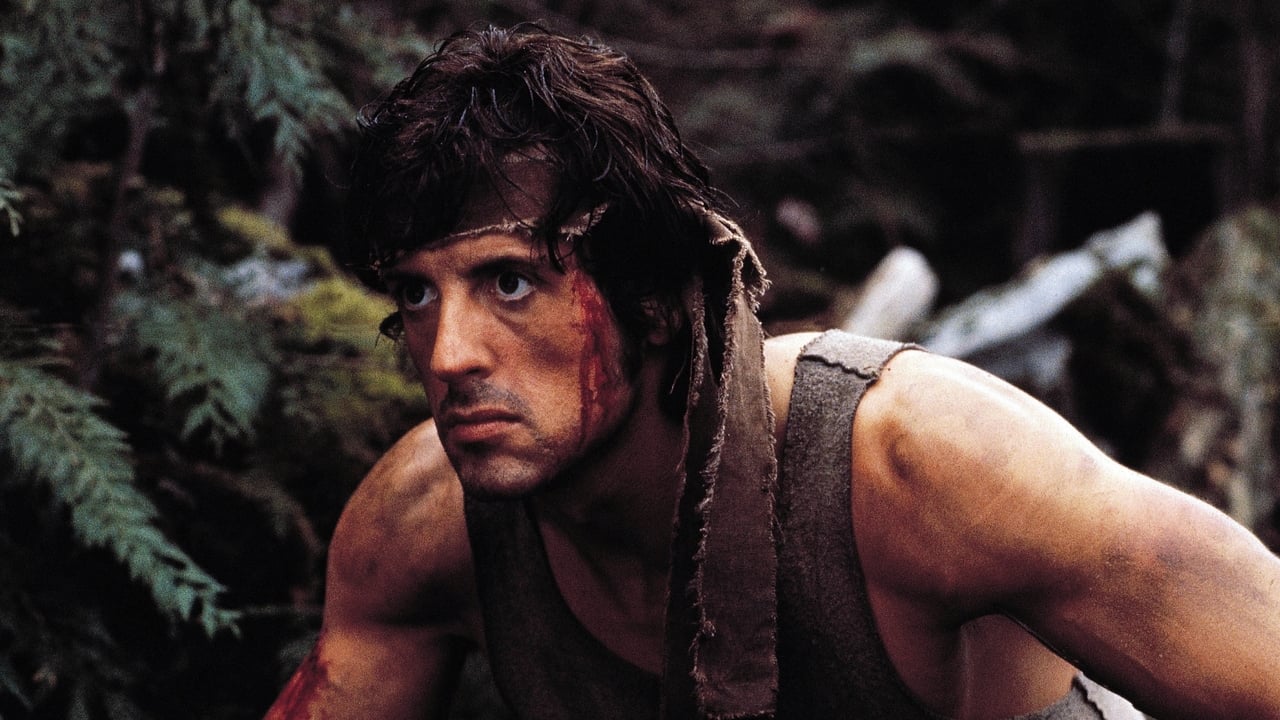
The Pacific Northwest in the early eighties wasn't just a location; it was a mood. In the opening frames of First Blood, the mist clings to the evergreens like a damp wool blanket, and Sylvester Stallone walks into the frame looking like a man who has already been erased. He isn’t the glistening, heavy-caliber icon of the 1980s sequels yet. He’s just John Rambo, a drifter in a M65 field jacket carrying a sleeping bag and a heavy silence. I watched this again recently while my cat was busy trying to eat a piece of stray dental floss on the rug, and that mundane domesticity made the film’s sudden, jagged transition into violence feel even more startling.
The Mountain as a Character
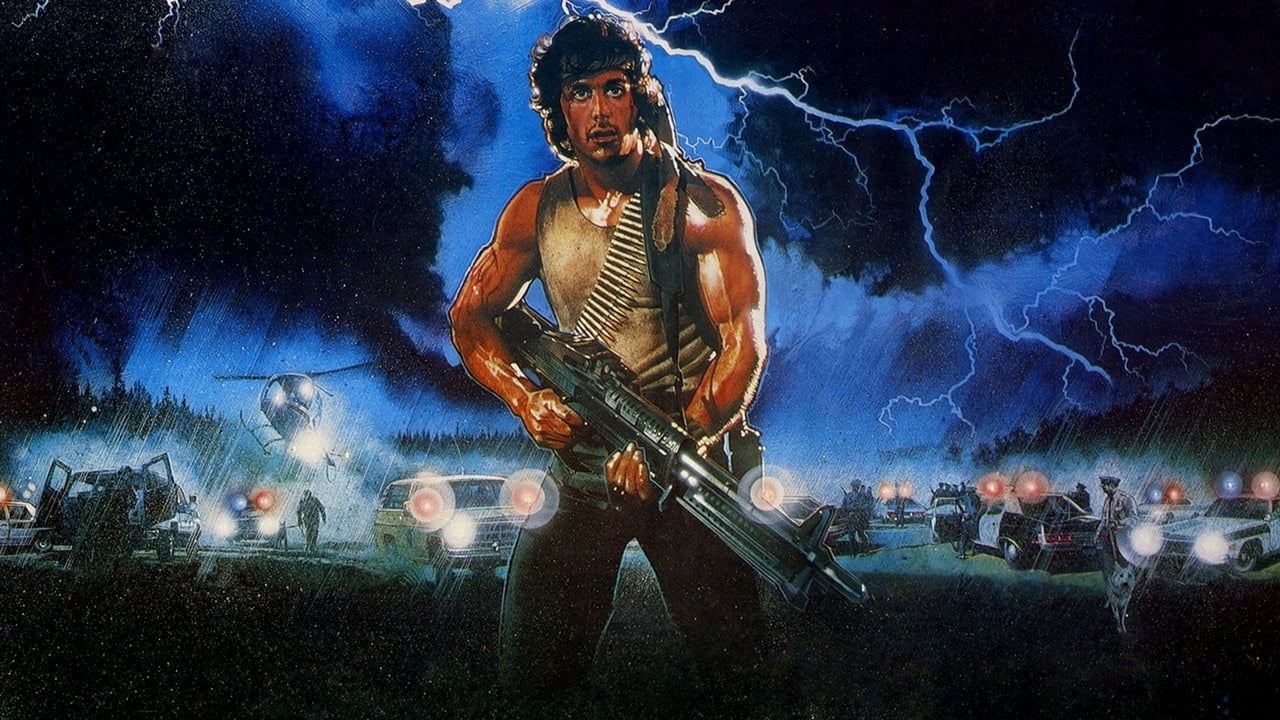
Most action films of the era were obsessed with the urban sprawl or the neon-soaked jungle, but Ted Kotcheff (who also gave us the harrowing Wake in Fright) chose the gray, biting cold of British Columbia to stand in for Washington State. It’s a genius move. The environment feels genuinely hostile. When Rambo is forced out of town by Brian Dennehy’s Sheriff Will Teasle, the mountain doesn't feel like a playground; it feels like a graveyard.
Brian Dennehy’s Sheriff Teasle is the patron saint of middle-management fragility. He isn't a mustache-twirling villain; he’s just a guy who thinks he owns the sidewalk and doesn't like the "smell" of a veteran who hasn't had a haircut. The escalation from a polite-but-firm "get out of town" to a full-scale manhunt is handled with a grim, slow-burn intensity that modern action films usually skip in favor of immediate explosions. The stakes aren't world-ending; they’re personal, and that makes them much heavier.
The Practicality of Pain
What strikes me most about First Blood in the CGI era is the sheer, bruising physicality of the stunts. When Rambo is cornered on a cliffside and forced to jump into a cedar tree, that’s not a digital double. That’s Sylvester Stallone actually falling through branches. He famously broke three ribs filming that sequence, and you can hear the genuine, breath-stealing agony in his voice. It gives the action a weight that you just can't replicate with a green screen.
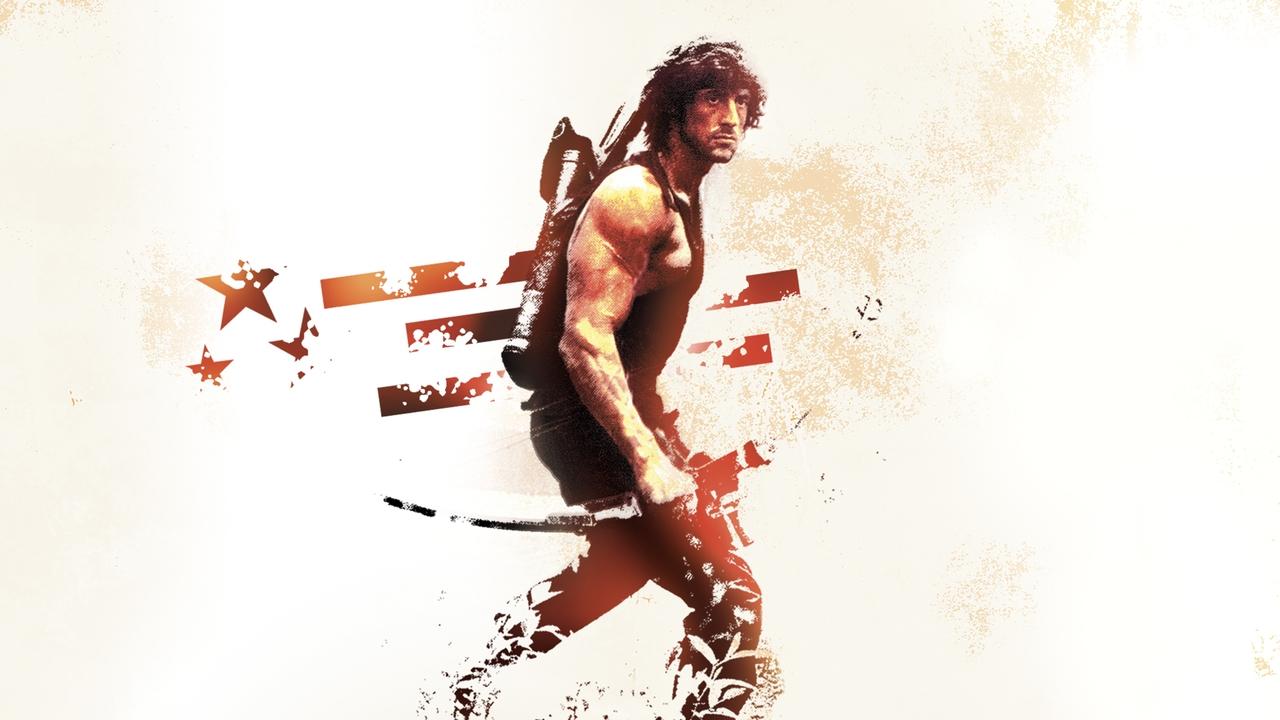
The choreography is less about "martial arts" and more about desperate, animalistic survival. Jack Starrett, playing the sadistic Deputy Galt, provides a perfect foil—a bully who realizes too late that he’s trapped in the woods with a predator he helped create. The sequence where Rambo systematically neutralizes the deputies in the woods—using nothing but shadows, mud, and a very large knife—remains a masterwork of pacing. It’s basically a slasher movie where the "killer" is a man we’re rooting for because the "victims" are the ones who drew first blood.
A Legacy of Lead and Tears
By the time Richard Crenna shows up as Col. Samuel Trautman, the movie shifts from a survival thriller to a tragedy. Trautman isn't there to save the town; he’s there to tell them how many body bags they’re going to need. Richard Crenna brings a necessary gravitas, his voice sounding like it’s been cured in tobacco and regret. He frames the myth of Rambo before we even see the full extent of the carnage.
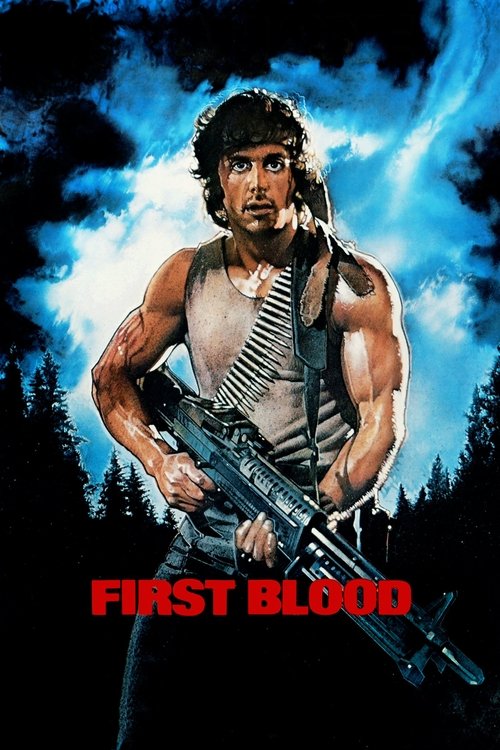
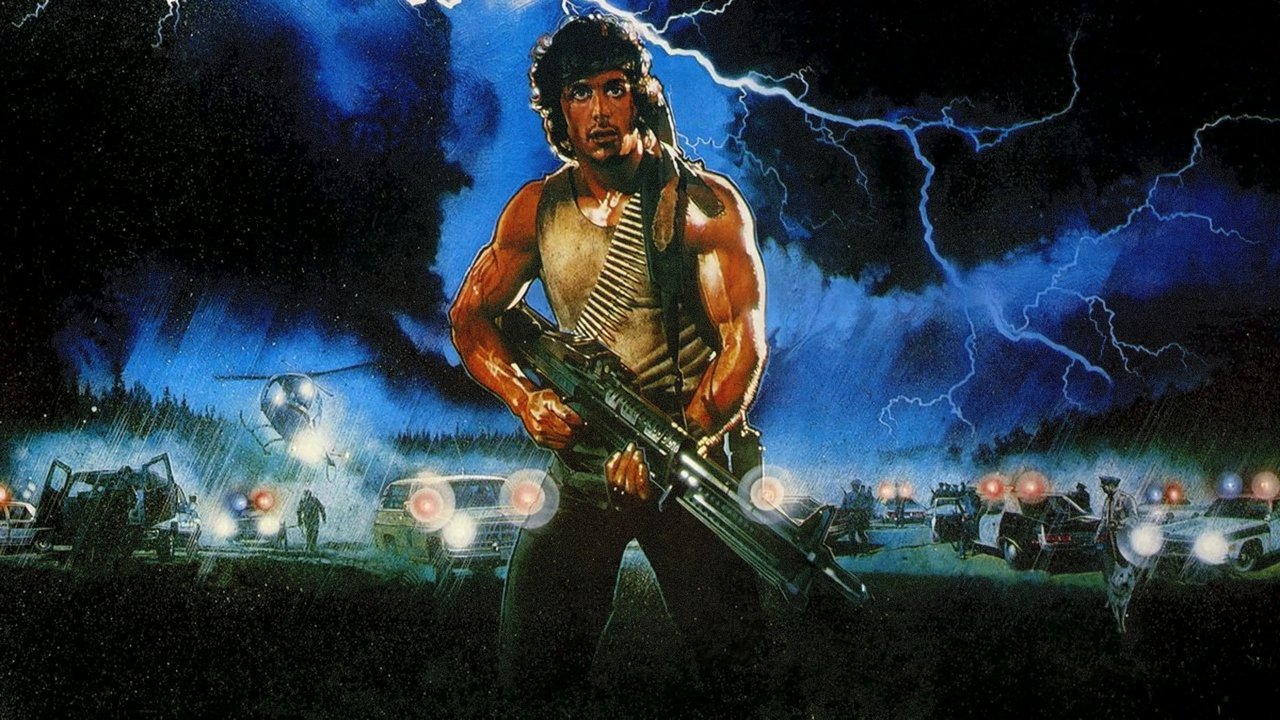
The film’s commercial journey is almost as intense as its plot. It was a massive gamble for Carolco Pictures, a company that would eventually become synonymous with 80s excess. With a $15 million budget—significant for 1982—it clawed its way to over $125 million worldwide. It wasn't just a hit; it was a cultural pivot point. On the home video front, First Blood became a rental staple. I remember the specific texture of that VHS box art—the red lettering and Rambo’s haunted eyes—staring out from the "Action" section of every corner store. Unlike the sequels, which became increasingly cartoonish as the Reagan era progressed, the original tape felt like something you weren't supposed to be watching, like a secret transmission from a broken heart.
The ending is what truly cements its classic status. Instead of a triumphant shootout, we get a breakdown. Stallone’s final monologue, where he weeps about the horrors of the war and the rejection of his country, is arguably the best acting of his career. It’s messy, snot-nosed, and deeply uncomfortable. He’s a man who can’t find the "off" switch for a war that ended years ago.
First Blood is the rare blockbuster that manages to be both a pulse-pounding thriller and a devastating character study. It captures a specific American anxiety of the early 80s—the realization that the wounds of the 70s hadn't healed, they’d just been covered up. It’s a lean, mean, and surprisingly emotional piece of cinema that proves Sylvester Stallone was always more than just a set of biceps. If you only know Rambo from the lunchboxes and the parodies, go back to the beginning. It’s a much darker, much better movie than you remember.
Keep Exploring...
-
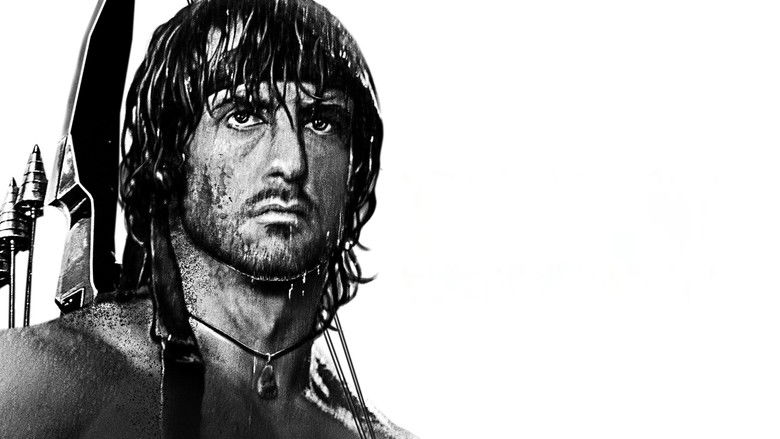
Rambo: First Blood Part II
1985
-
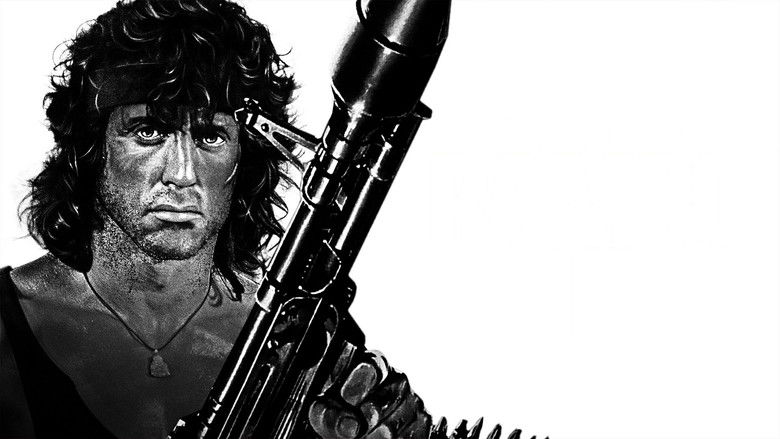
Rambo III
1988
-
Rambo
2008
-
Rambo: Last Blood
2019
-

Star Trek II: The Wrath of Khan
1982
-

Predator
1987
-

Goldfinger
1964
-
Aliens
1986
-

Platoon
1986
-
The Dirty Dozen
1967
-
Where Eagles Dare
1968
-
The Spy Who Loved Me
1977
-
For Your Eyes Only
1981
-
The Living Daylights
1987
-
Mad Max 2
1981
-
Lethal Weapon 2
1989
-
Cliffhanger
1993
-

The Towering Inferno
1974
-
Jaws
1975
-
Die Hard
1988