Friday the 13th Part III
"The night the hockey mask became a nightmare."
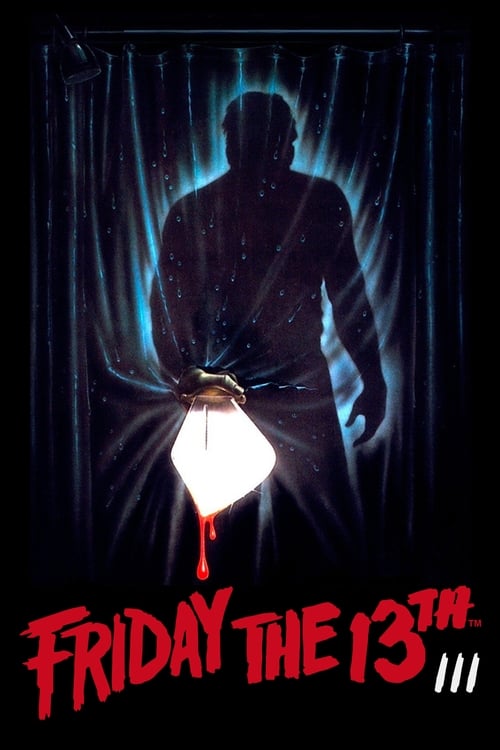
There is a specific, high-pitched disco sting that opens Friday the 13th Part III, and every time I hear it, I am instantly transported back to a wood-paneled basement with the smell of damp carpet. It’s the sound of the 80s leaning leaning into its own absurdity. By 1982, the slasher genre wasn't just a trend; it was an arms race. To keep the audiences coming back to Crystal Lake, producer Frank Mancuso Jr. and director Steve Miner knew they couldn't just offer more blood. They needed a gimmick. They needed the third dimension.
Watching this film today on a flat screen is a bizarrely charming experience. Because it was filmed using the Marks 3-D system, the movie is littered with sequences that serve absolutely no narrative purpose other than to shove something at your face. A character plays with a yo-yo for an uncomfortably long time. Someone shoves a juggling club at the lens. Popcorn kernels fly toward the viewer. It’s cinematic "peek-a-boo," and while it’s technically distracting, it gives the film a playful, carnival-ride energy that the grittier first two installments lacked.
The Face of Modern Fear
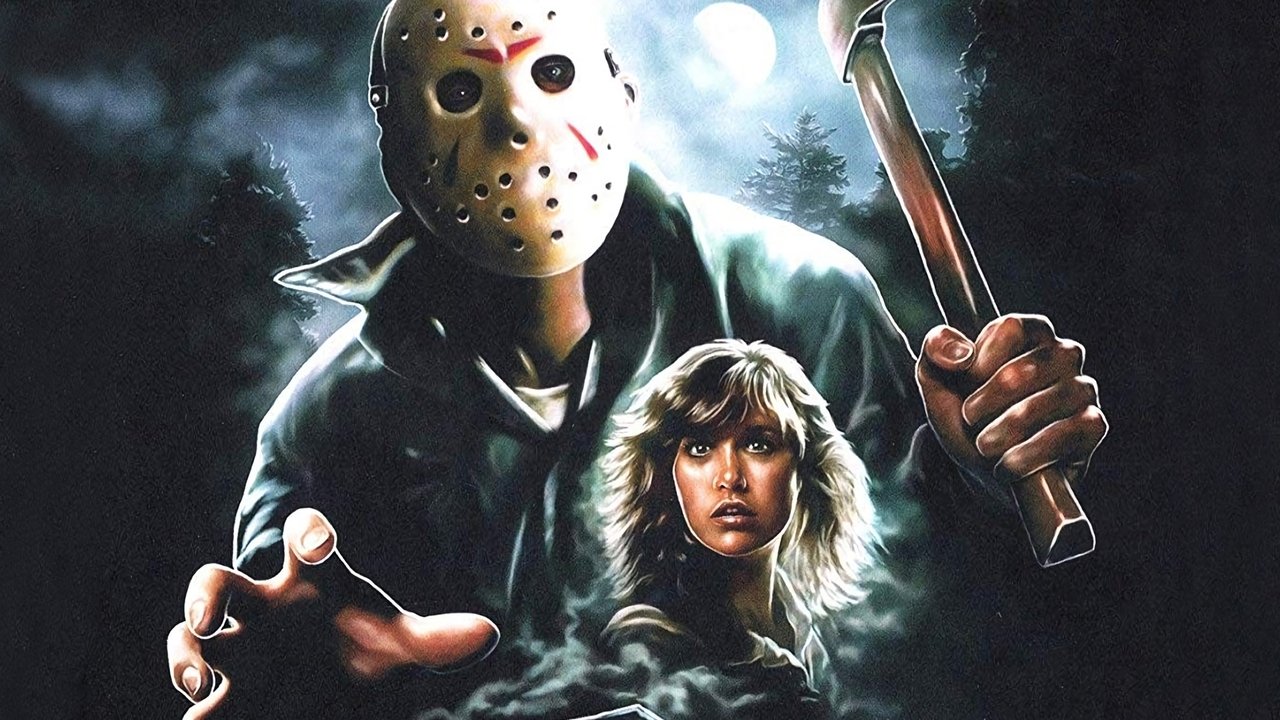
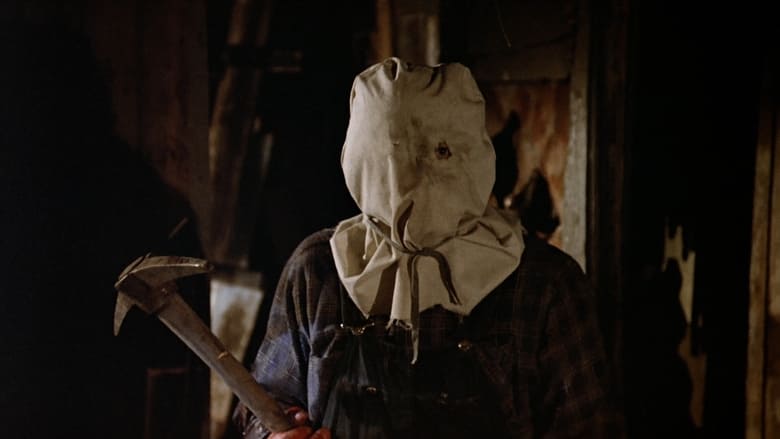
We often forget that Jason Voorhees didn't start as the hulking, masked icon we know today. In the first film, he was a memory; in the second, he was a guy with a burlap sack on his head who looked more like a lost coal miner than a supernatural juggernaut. Part III is where the legend truly crystallizes. The moment Richard Brooker—a British trapeze artist who brought a terrifying, coordinated physicality to the role—picks up that Detroit Red Wings mask from the prankster Shelly (Larry Zerner), the genre changed forever.
Richard Brooker is, in my humble opinion, one of the most underrated Jasons. He doesn't just lumber; he stalks with a certain predatory intent. There’s a scene where he stands on a pier, simply watching his prey, and the way he tilts his head suggests something far more calculating than a mindless killing machine. I watched this particular scene while eating a bowl of slightly burnt microwave popcorn, and I realized that the hockey mask is the single most effective costume pivot in cinema history. It’s blank, it’s industrial, and it’s utterly heartless.
A Cabin in the Woods (and a Barn)

The plot is your standard "youths in peril" setup, relocating the carnage to Higgins Haven. We have the traumatized lead, Chris Higgins (Dana Kimmell), who is returning to the scene of a previous encounter with Jason to face her fears. Joining her are a collection of archetypes: the stoners, the beautiful friend (Catherine Parks), and the aforementioned Shelly, who is essentially the patron saint of "guys who try too hard."
Shelly is a fascinating character because he is profoundly irritating, yet he provides the movie with its most iconic contribution. His constant "crying wolf" with cheap practical jokes sets the stage for the real horror, and while I usually find the "comic relief" character in slashers to be a death-sentence for tension, Larry Zerner plays him with a pathetic vulnerability that makes you almost feel bad for him. Almost.
The supporting cast, including Tracie Savage and Rachel Howard, do exactly what is required of them—they fill the space between kills with just enough personality to make the eventual special effects feel like they have stakes. The cinematography by Gerald Feil had to work around the bulky 3D rigs, which results in a lot of static shots, but it also creates a sense of depth that makes the Higgins Haven barn feel cavernous and claustrophobic all at once.
Practical Magic and 3D Gore

Speaking of effects, Part III is a landmark for practical gore, even if the MPAA hacked away at some of the more extreme moments. From the harpoon through the eye to the infamous "head crush" that sends an eyeball flying toward the camera, the work here is peak 1980s craftsmanship. These weren't digital assets; these were latex, corn syrup, and clever rigging.
I once tried to recreate that eyeball-popping effect in my kitchen with a grape and a pair of pliers just to see if the physics made sense—it didn't work, and I just ended up with a sticky floor. But that’s the magic of this era. Even when the effects look a bit rubbery by modern standards, there’s a tactile reality to them. You know someone had to build that head, fill it with goop, and figure out how to make it explode on cue.
The score by Harry Manfredini remains a series highlight. He kept the "ki-ki-ki, ma-ma-ma" motif but layered it over that funky, driving bassline that makes the movie feel like a high-stakes disco nightmare. It’s the perfect accompaniment for a film that feels caught between the bleakness of 70s horror and the neon-soaked excess of the 80s.
Friday the 13th Part III isn't the best-written entry in the franchise—that honor probably goes to Part IV or VI—but it is arguably the most important. It gave us the mask, it solidified the formula, and it proved that Jason could carry a franchise on his broad, un-living shoulders. It’s a movie that asks very little of you other than to sit back and enjoy the spectacle of objects flying at your face. Sometimes, that’s exactly what a Friday night needs.
Keep Exploring...
-
Friday the 13th Part 2
1981
-
Friday the 13th: The Final Chapter
1984
-
Friday the 13th Part VI: Jason Lives
1986
-
Friday the 13th
1980
-

Cujo
1983
-
Halloween H20: 20 Years Later
1998
-
Lake Placid
1999
-
Freddy vs. Jason
2003
-

The Hills Have Eyes
1977
-
Halloween II
1981
-
Children of the Corn
1984
-
A Nightmare on Elm Street 3: Dream Warriors
1987
-
A Nightmare on Elm Street 4: The Dream Master
1988
-

The 'Burbs
1989
-
Jaws 2
1978
-
Phenomena
1985
-
Prince of Darkness
1987
-
Dressed to Kill
1980
-
The Dead Zone
1983
-
Hellbound: Hellraiser II
1988