Pink Floyd: The Wall
"Welcome to the machine inside your head."
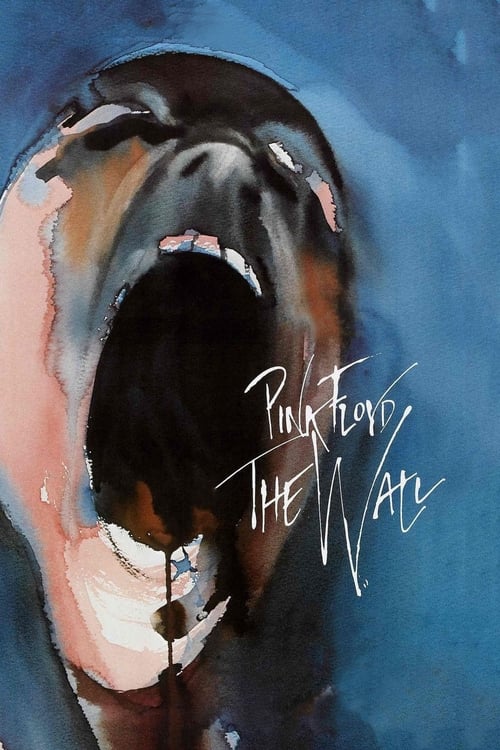
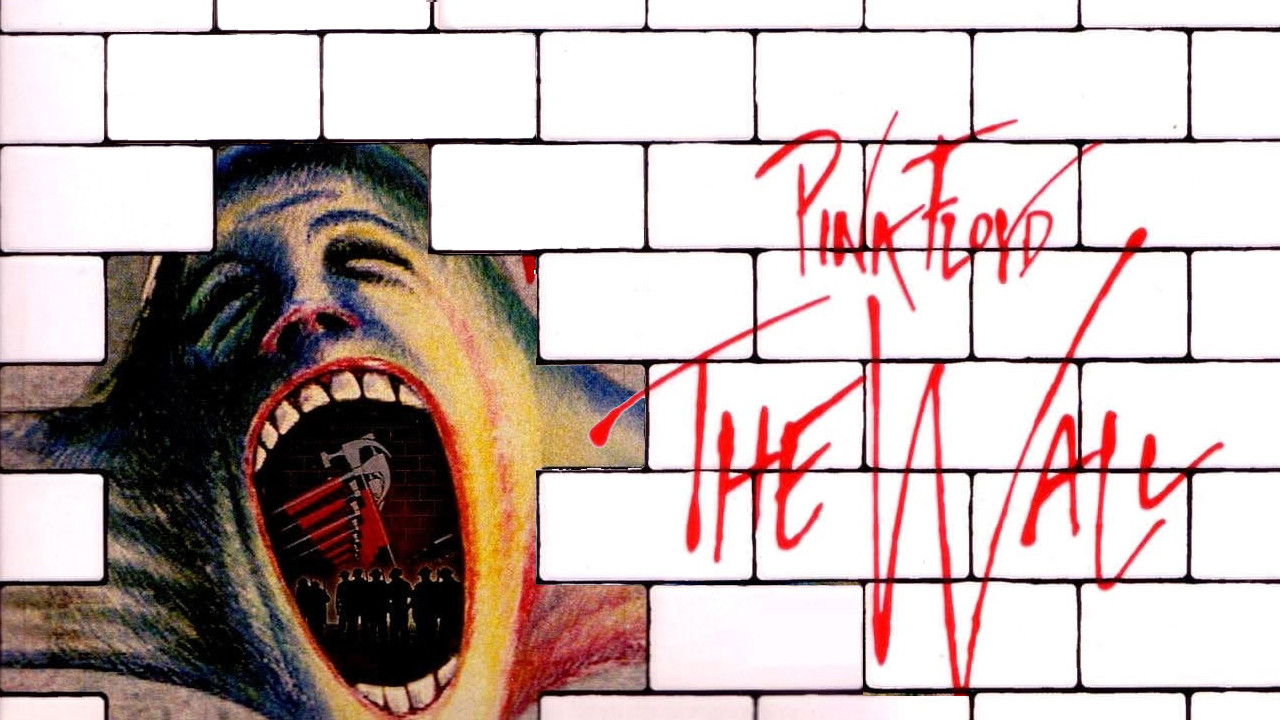
I remember the first time I saw the cover for Pink Floyd: The Wall at my local Video Hut. It was that stark, white box with the grotesque, screaming face emerging from the bricks. It sat right between a copy of Heavy Metal and a battered tape of The Song Remains the Same, but it looked infinitely more dangerous. At twelve years old, I wasn't sure if it was a concert film, a horror movie, or a fever dream. After watching it on a humid Tuesday afternoon while my neighbor’s dog barked incessantly at a lawnmower, I realized it was all three—and something much more uncomfortable.
The Shaving Mirror of the Soul
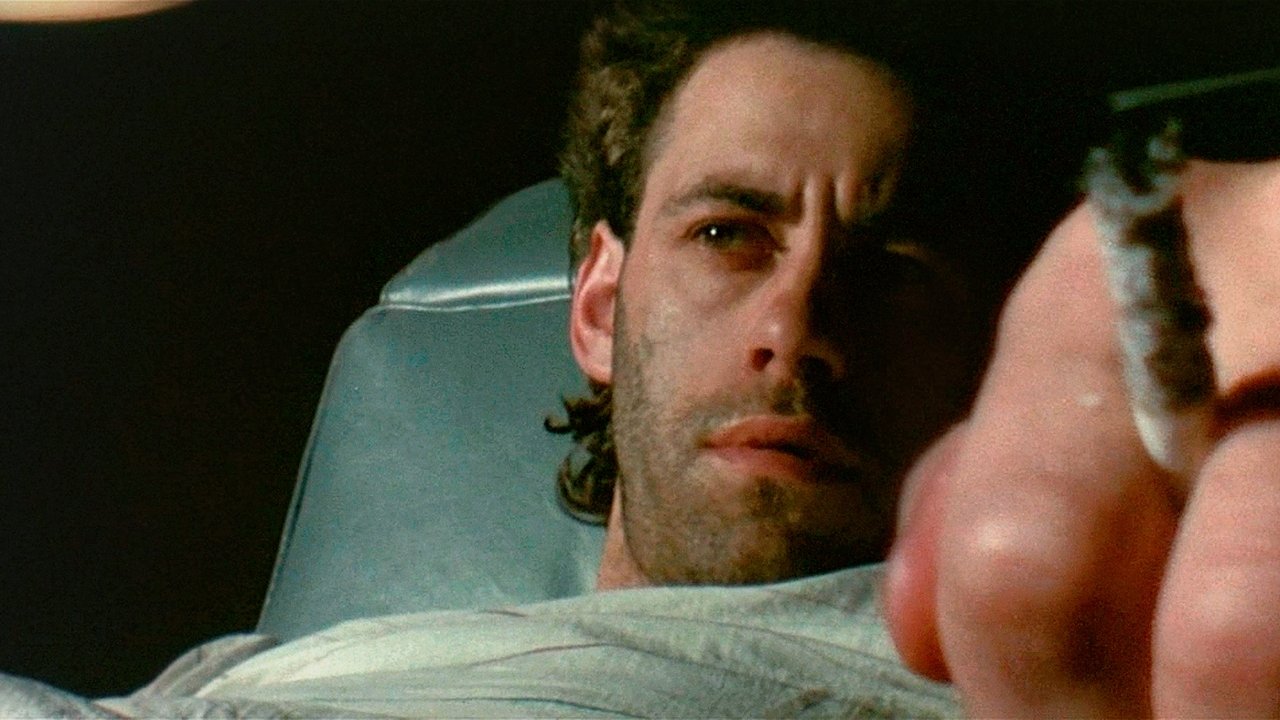
The Wall isn't a movie you "watch" so much as one you survive. It takes the sprawling, double-album masterpiece by Pink Floyd and strips away the safety net of a traditional narrative. There are no lines of dialogue to guide you, save for the lyrics and the occasional muffled shout. Instead, we follow Pink—played with a terrifying, hollowed-out intensity by Bob Geldof—as he sits in a Los Angeles hotel room, staring at a television that is playing nothing but static and old war movies.
He’s a rock star, but he’s also a ghost. As the film progresses, we see the "bricks" he’s used to build his internal fortress: a father (James Laurenson) lost to the trenches of WWII, a smothering mother (Christine Hargreaves), a cruel school system, and a crumbling marriage to a wife (Eleanor David) who has sought solace elsewhere. Bob Geldof wasn't even an actor at the time—he was the frontman for the Boomtown Rats—and he famously told Roger Waters he hated Pink Floyd's music. That friction translates to the screen. When Pink decides to shave every hair off his body—including his eyebrows—it doesn't feel like a makeup effect. It feels like a genuine breakdown. I’ve never seen a man look more like a raw nerve than Geldof in a bathtub.
A Clash of Egos and Art
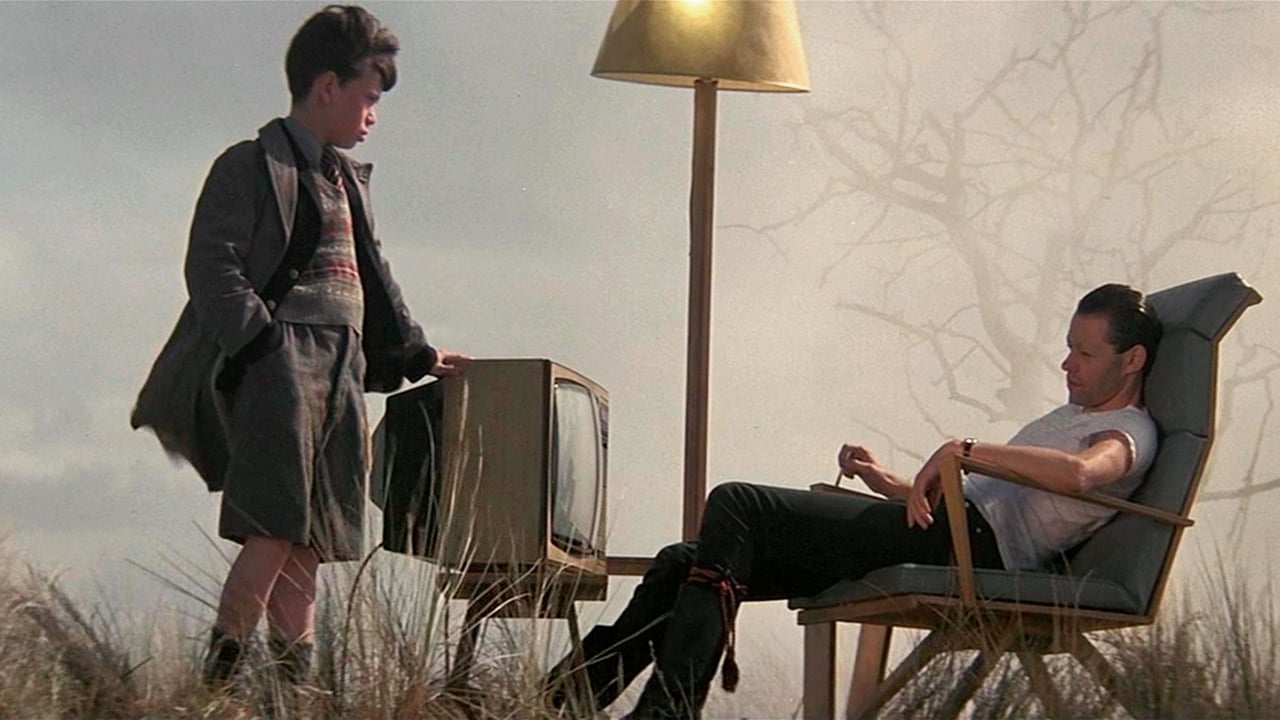
The production of this film was famously a three-way war between director Alan Parker, screenwriter/mastermind Roger Waters, and legendary animator Gerald Scarfe. Alan Parker was coming off the success of Fame and Midnight Express, and he didn't want to make a glorified music video. He wanted a cinematic psychodrama. Roger Waters, meanwhile, viewed the project as his literal life story and guarded every frame like a jealous god.
This tension actually serves the film's "Cerebral" nature. It’s a movie about conflict, so it makes sense that it was born from it. The cinematography by Peter Biziou is surprisingly gritty for a "musical." The scenes of the London Blitz feel heavy and soot-stained, providing a grounded, painful contrast to the psychedelic horror of the animation. And then there’s Bob Hoskins, appearing briefly as the Rock and Roll Manager. Even in a small role, Hoskins manages to be the perfect personification of the industry’s greasy, uncaring machinery. He's just trying to get the "corpse" to the show on time, and his performance adds a layer of dark, cynical realism to Pink’s internal collapse.
The Scarfe and the Scars
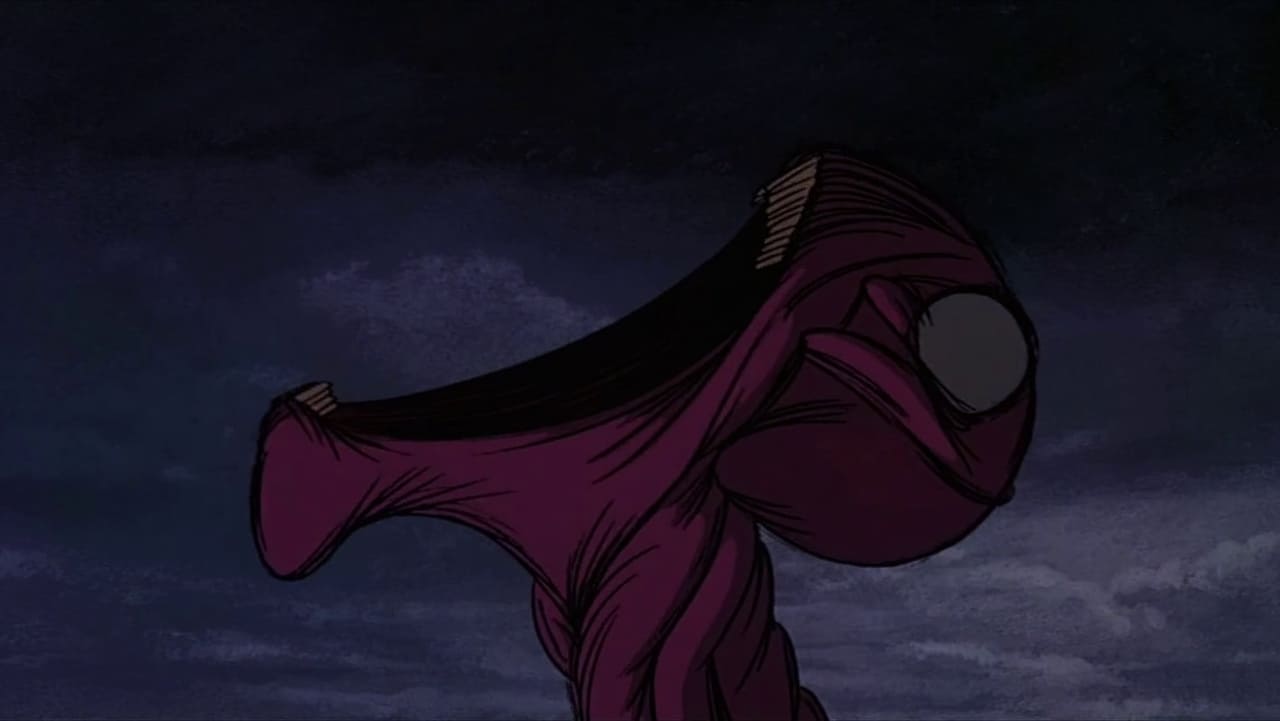
We have to talk about the animation. Long before CGI allowed directors to manifest every whim with a mouse click, Gerald Scarfe was hand-drawing nightmares. The "Goodbye Blue Sky" sequence—where a German eagle tears across the countryside and leaves a trail of blood—is a masterclass in symbolic horror. The flowers that turn into a pair of copulating, then devouring, monsters is a scene that likely kept a generation of VHS renters awake at night.
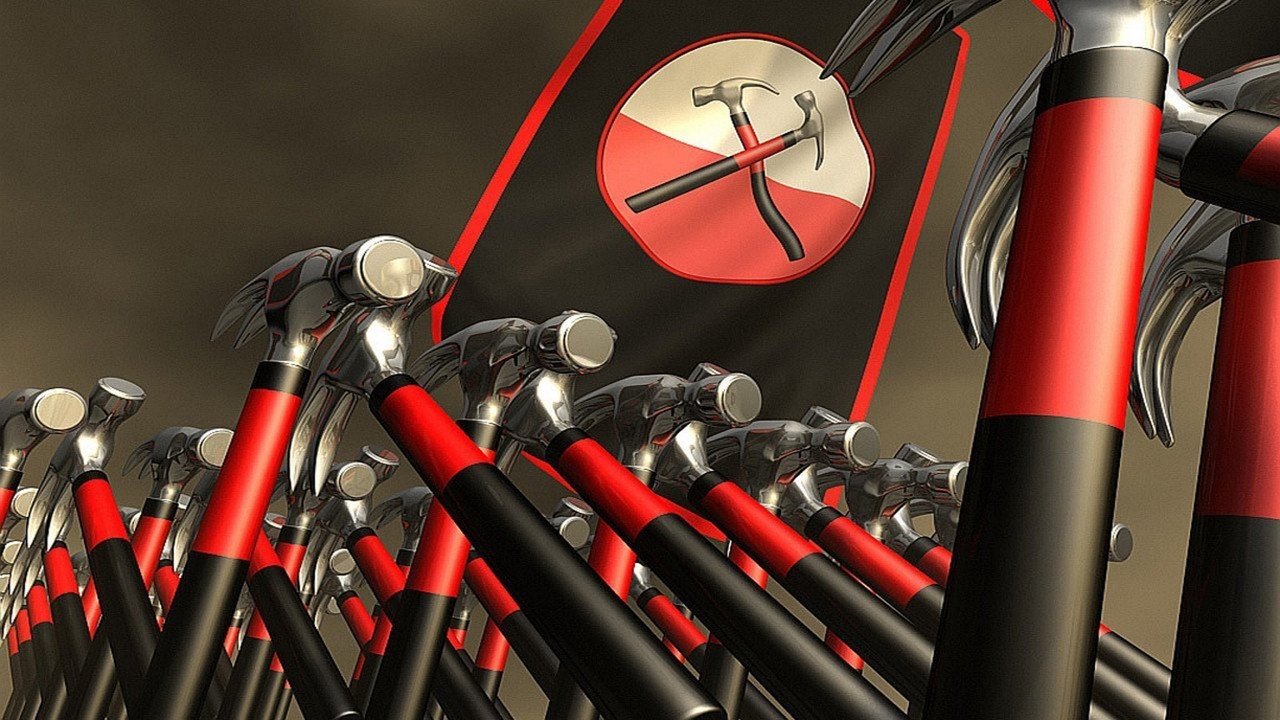
These sequences aren't just breaks in the action; they are the action. They represent the parts of Pink's psyche that words can't touch. When the film shifts into the "In the Flesh" segment, where Pink's isolation curdles into a fascist fantasy, the imagery becomes truly provocative. Seeing the crossed hammers—a logo that felt frighteningly real on those grainy 1980s TV screens—marching in unison is a chilling reminder of how easily pain can be weaponized into hate. It’s a movie that argues that the only thing more dangerous than being hurt is being numb.
Pink Floyd: The Wall is a demanding experience. It’s cynical, loud, and occasionally wallows in its own misery, but it’s also one of the most visually arresting films of the New Hollywood era. It captures that specific 1980s anxiety—the fear that we are all just "another brick" in a system that doesn't care if we live or die. It’s a film that asks big, uncomfortable questions about trauma and isolation without ever offering a trite, happy ending. If you’re looking for a toe-tapping musical, look elsewhere. But if you want to see what happens when music and cinema collide to create something truly haunting, it’s time to tear down your own wall and hit play.
Keep Exploring...
-
Mississippi Burning
1988
-
Amadeus
1984
-
Midnight Express
1978
-
Ran
1985
-
The Last Emperor
1987
-

The Sound of Music
1965
-
Angel Heart
1987
-
Being There
1979
-
Who's Afraid of Virginia Woolf?
1966
-

Do the Right Thing
1989
-
Dirty Dancing
1987
-

The Mission
1986
-
La Dolce Vita
1960
-

The Hustler
1961
-
Harakiri
1962
-
Jules and Jim
1962
-
La Jetée
1962
-
The Leopard
1963
-
Andrei Rublev
1966
-
Harold and Maude
1971