Poltergeist
"The static on your screen is staring back."

The first time I watched Poltergeist, I was sitting in a basement in the mid-90s, clutching a lukewarm Diet Coke and trying to ignore the rhythmic, metallic thwang of a temperamental radiator. That sound, usually a minor annoyance, suddenly felt like a countdown. There is a specific kind of dread that Poltergeist taps into—the realization that the "safe" suburban life, with its manicured lawns and Tupperware parties, is built on a foundation of absolute cosmic indifference.
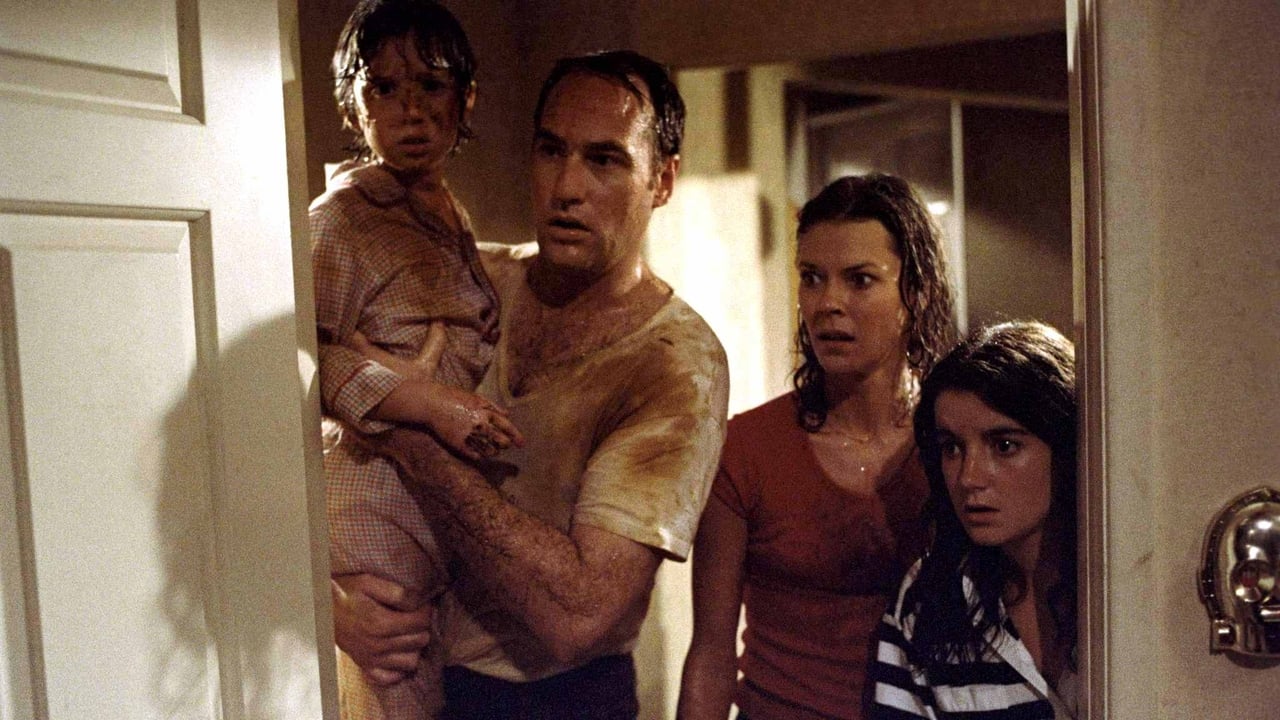
Released in 1982, Poltergeist arrived at the perfect intersection of Steven Spielberg’s burgeoning blockbuster sentimentality and Tobe Hooper’s raw, grindhouse-honed aggression. While Hooper is the credited director, the film has long been haunted by rumors that Spielberg (who produced and co-wrote) was the true hand on the tiller. You can feel the tug-of-war in every frame: one minute we’re enjoying the cozy, lived-in chaos of the Freeling household; the next, a man is tearing his own face off in a bathroom mirror. It’s a "Disney-fied" nightmare that somehow remains one of the most intense experiences in the genre.
The Horror of the Ordinary
What makes the film work so well is how much I actually like the Freelings. JoBeth Williams and Craig T. Nelson give us one of the most relatable screen marriages of the era. They’re not plastic archetypes; they smoke a little weed in bed, they bicker about the remote, and they clearly adore their kids. When young Carol Anne (Heather O’Rourke) starts talking to the "TV People," it’s treated with a suburban curiosity rather than immediate terror.
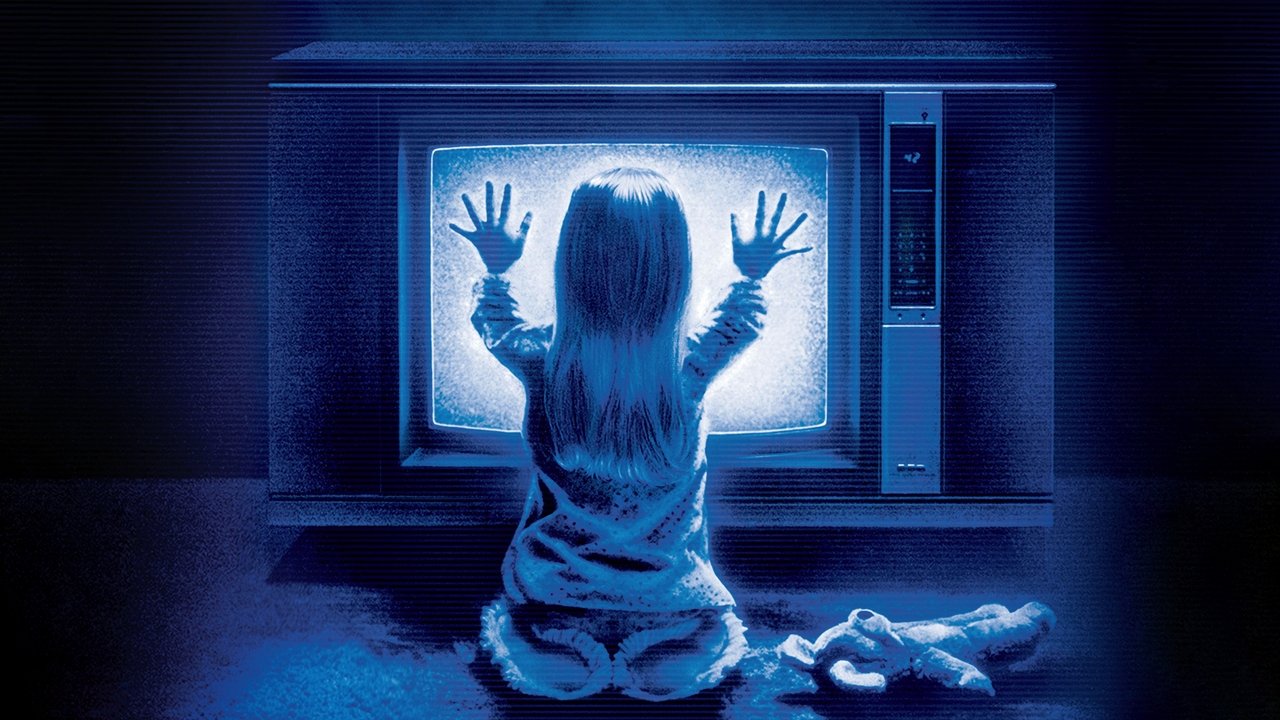
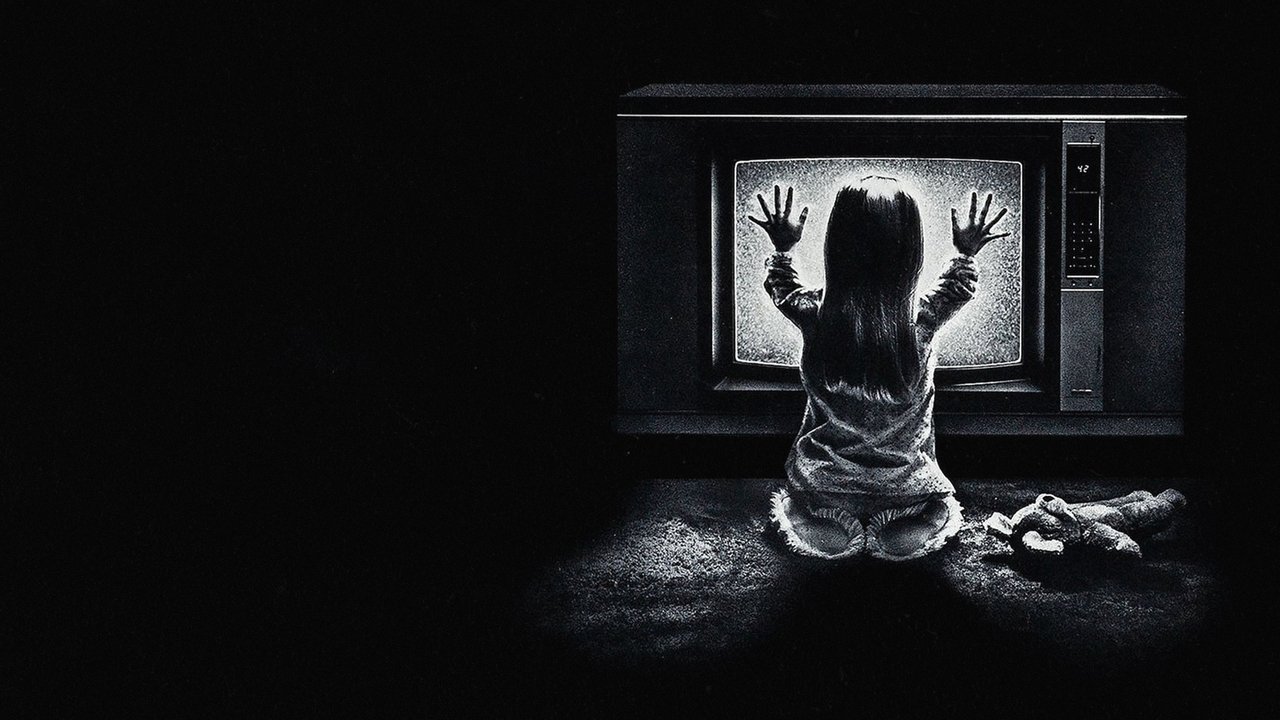
But the shift is relentless. The film takes the mundane—a sliding kitchen chair, a backyard tree, a glass of milk—and weaponizes it. The middle-class dream becomes a cage. When Heather O’Rourke delivered that iconic line, "They're here," it wasn't just a catchphrase; it was a warning that the boundary between our world and the "Other Side" had dissolved. The box art for the VHS release, featuring Carol Anne’s small hands pressed against the glowing static of the television, became the defining image of 80s home video. It promised a high-concept thrill that the movie actually delivered, making every viewer look at their own Zenith console with newfound suspicion.
A Practical Effects Masterclass
We are currently living in a world of flat, weightless CGI, which makes the practical wizardry of Poltergeist feel even more dangerous. The effects team, led by the legends at Industrial Light & Magic, created sequences that still feel tangible and "wet." When the closet portal opens, it doesn't look like a digital filter; it looks like a physical rupture in space.
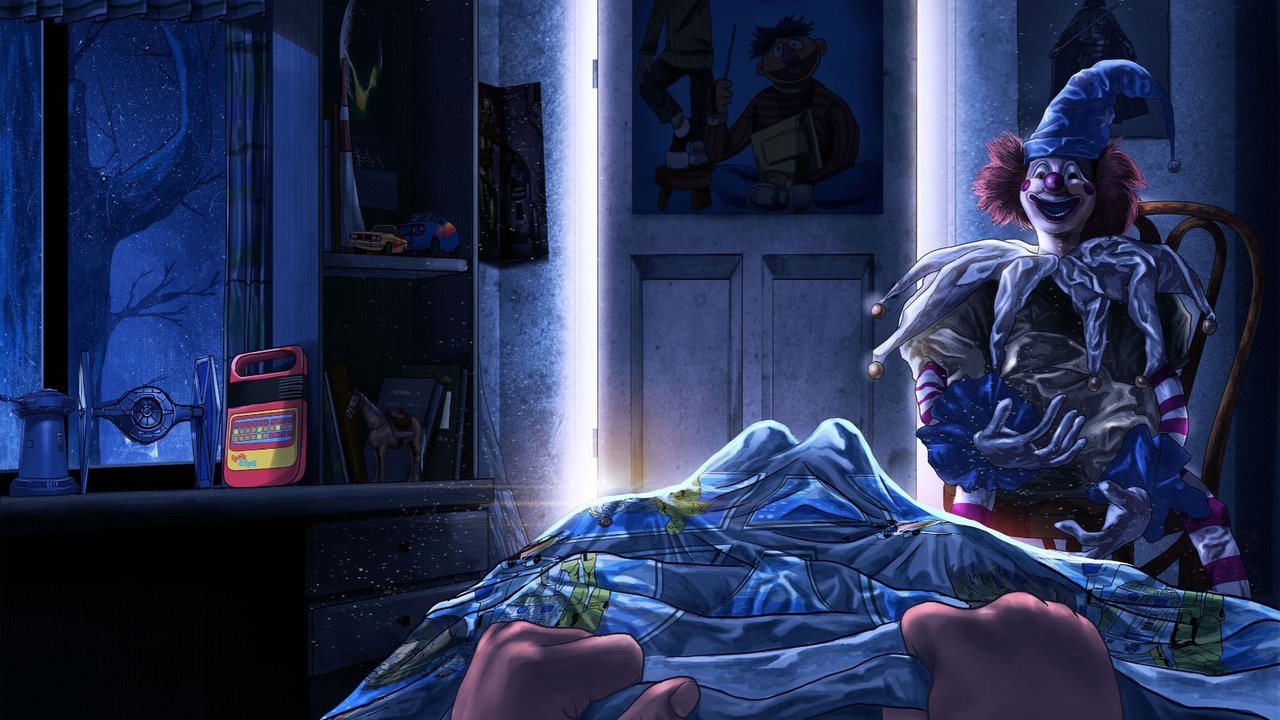
The "steak crawl" scene—where a piece of raw meat skitters across a counter before a researcher hallucinates his own facial decomposition—is a gruesome highlight. The clown doll under the bed remains the most effective psychological warfare ever committed to celluloid, proving that you don't need a massive budget to traumatize an entire generation of children. Interestingly, the production used real human skeletons in the climax where JoBeth Williams falls into the unfinished pool. Apparently, real bones were cheaper to source than plastic ones at the time. That’s the kind of grim, "no-safety-regulations" energy that defines this era of filmmaking.
The Legacy of the Static
Beyond the scares, there’s a heavy layer of 80s anxiety here. The film is a sharp critique of corporate greed and the "expansion at any cost" mindset. The revelation that the housing development was built over a cemetery (but they only moved the headstones!) is a perfect metaphor for a decade that prioritized shiny surfaces over messy history. It’s a film about the ghosts we create when we try to bury the past under a layer of fresh sod.

The film was a massive commercial juggernaut, pulling in over $121 million on a relatively modest $10 million budget. It proved that horror didn't have to be relegated to the midnight movie circuit; it could be a polished, high-stakes event that the whole family (well, the brave ones) could see. The "Poltergeist Curse"—sparked by the tragic, real-life deaths of Dominique Dunne and later Heather O’Rourke—has added a somber, meta-textual weight to the film over the years. It makes the viewing experience feel slightly more cursed, slightly more "real" than your average ghost story.
Poltergeist remains the gold standard for the "haunted house" subgenre because it refuses to choose between heart and horror. It gives you a family worth saving and then puts them through a literal meat-grinder of supernatural chaos. Even forty years later, the score by Jerry Goldsmith—which bounces from a sweet, lullaby-like melody to jarring, dissonant orchestral stabs—perfectly captures that Spielbergian wonder curdling into a Tobe Hooper scream. If you haven't seen it recently, turn off the lights, ignore the static on your screen, and remember: they’re here.
Keep Exploring...
-
The Texas Chain Saw Massacre
1974
-
The Exorcist
1973
-
Jaws
1975
-
The Rocky Horror Picture Show
1975
-
An American Werewolf in London
1981
-

The Thing
1982
-
The Dead Zone
1983
-

Fright Night
1985
-
The Fly
1986
-
Angel Heart
1987
-
Alien
1979
-
Gremlins
1984
-
Eraserhead
1977
-

Halloween
1978
-

Invasion of the Body Snatchers
1978
-

The Evil Dead
1981
-

Videodrome
1983
-

A Nightmare on Elm Street
1984
-

Day of the Dead
1985
-

The Return of the Living Dead
1985