Rocky III
"Fear is the greatest adversary."
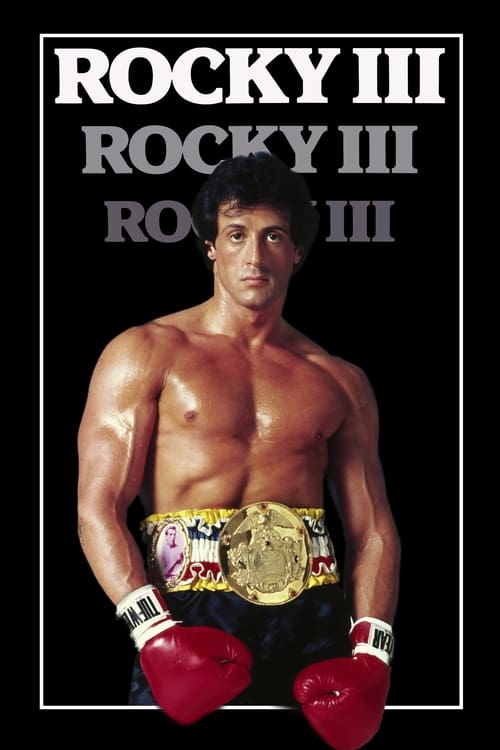
I was rewatching Rocky III the other morning while my cat, Barnaby, decided that my chest was the optimal place to groom himself, effectively blocking the bottom third of the screen. Even with a mouthful of cat fur, I found myself completely swept up in the neon-soaked, sweat-drenched transition point of the Rocky franchise. This is the exact moment where the gritty, "Philadelphia-sink" realism of the 1970s collided head-first with the high-gloss, MTV-ready excess of the 1980s.
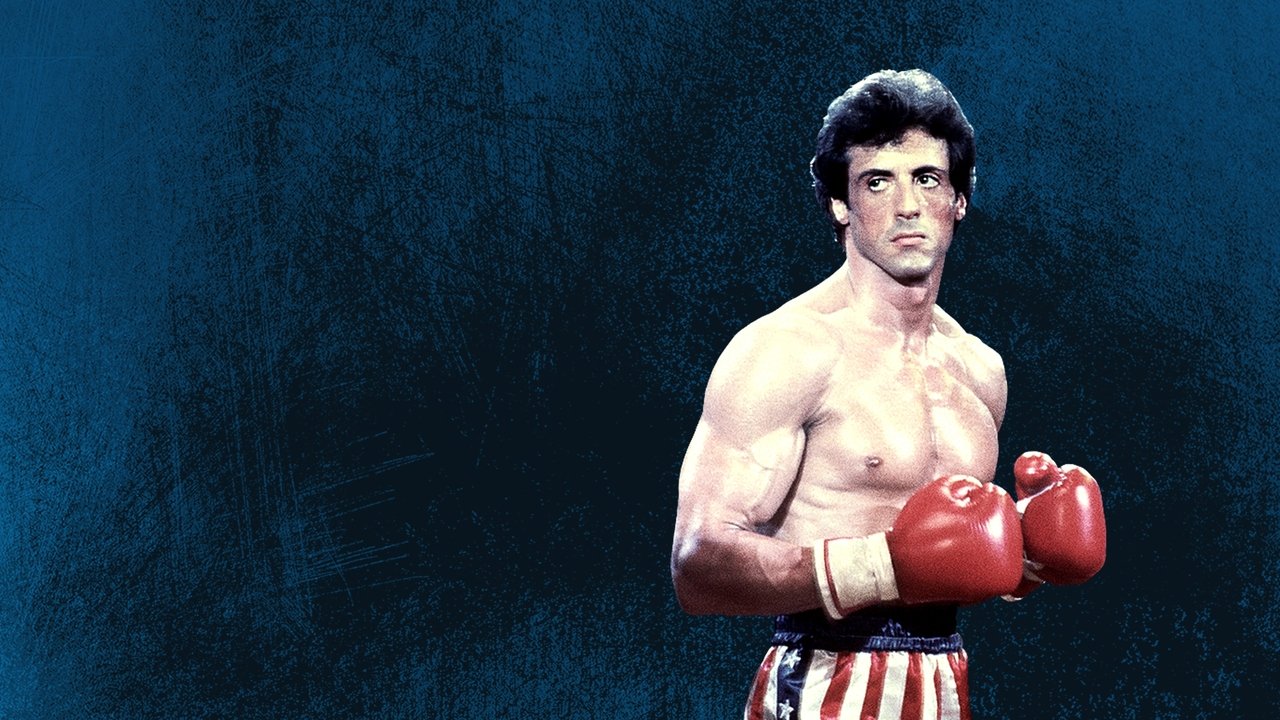
By 1982, Sylvester Stallone wasn't just a movie star; he was a brand. You can see it in every frame of this film. The opening montage, set to the propulsive beat of Survivor’s "Eye of the Tiger," doesn't just catch us up on the plot—it signals a change in the cinematic weather. Gone are the gray sweatsuits and the lonely walks through wintery Italian markets. We’re in the era of gold chains, celebrity endorsements, and a Rocky Balboa who has become the very thing the original film warned him about: a polished, pampered corporate product.
The Hunger and the Hype
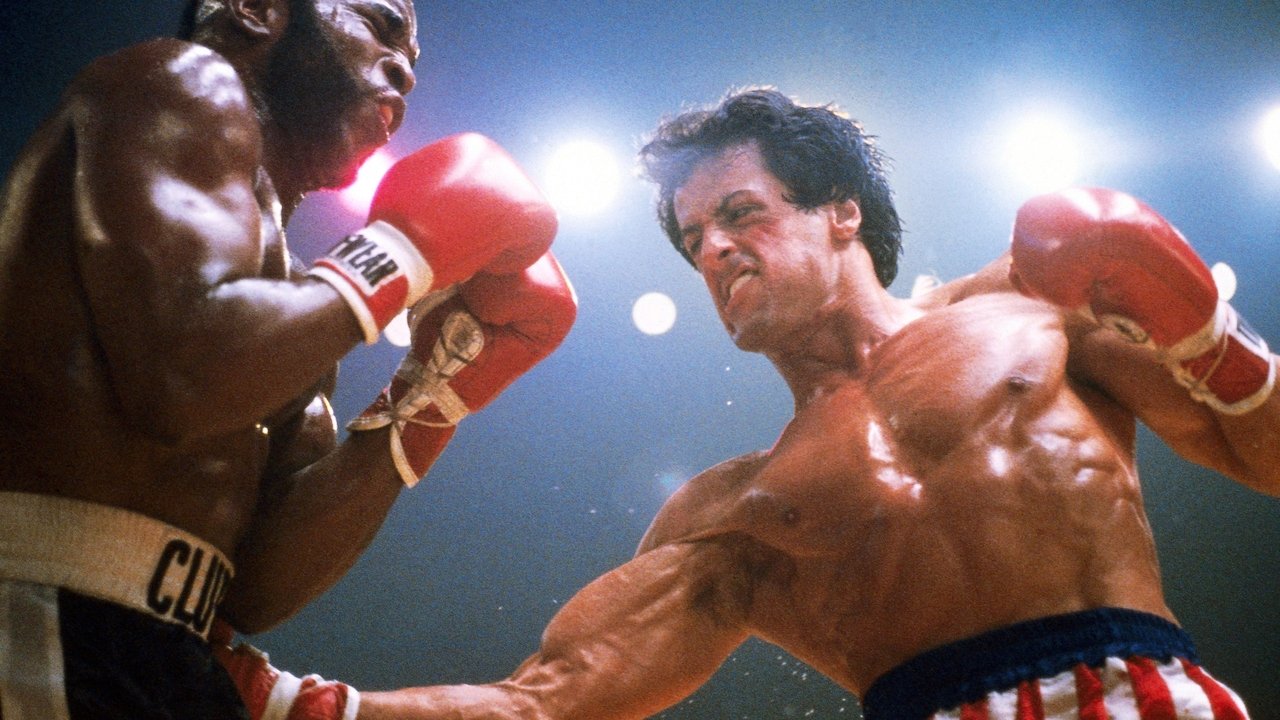
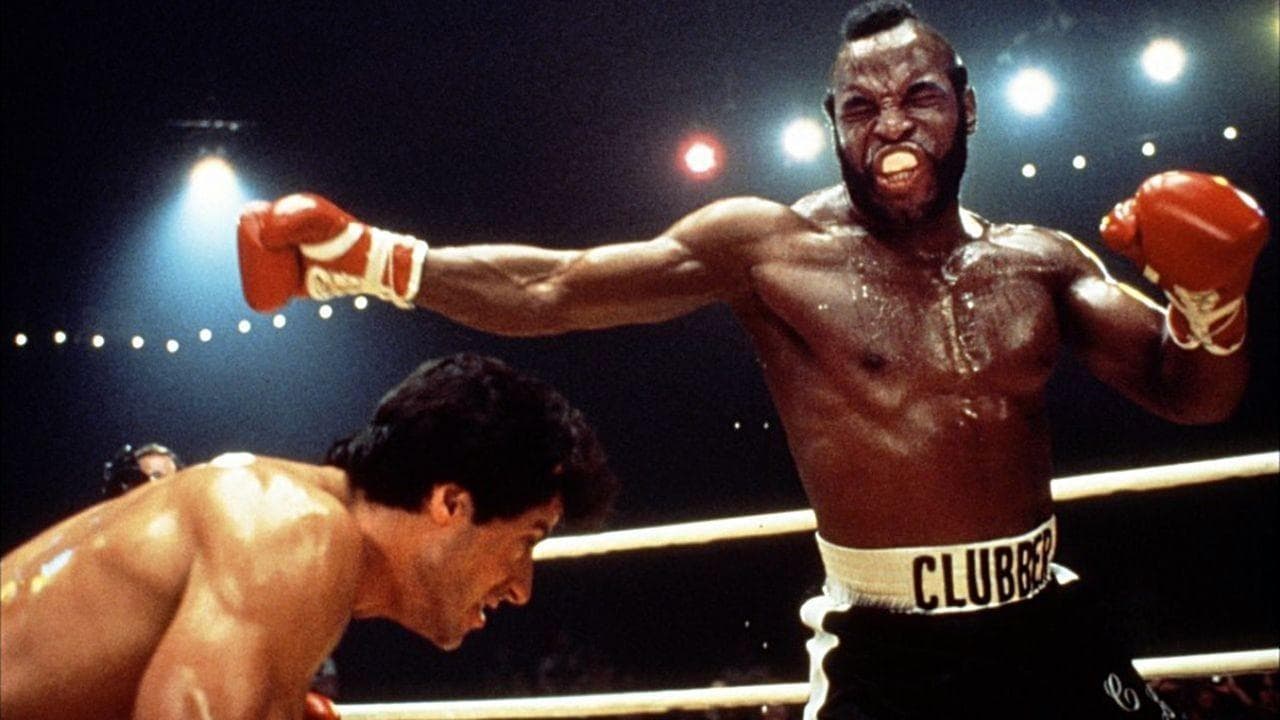
The drama here isn't just about a boxing match; it’s about the psychological paralysis of a man who realized he’s been "protected." When Mr. T explodes onto the screen as Clubber Lang, he brings a terrifying, primal energy that makes the rest of the cast look like they’re standing still. Mr. T was famously discovered by Stallone on an NBC special called America’s Toughest Bouncer, and honestly, he didn't need to act. He just needed to exist. His Lang is a wrecking ball of pure resentment, a mirror reflecting what Rocky used to be—hungry and ignored.
Lang’s introduction changed the lexicon of pop culture forever. When he looks at the camera and growls, "I don’t hate him, but I pity the fool," he wasn't just delivering a line; he was launching a decade-long career. Lang is the perfect antagonist for the Reagan era—an unstoppable force of individualistic fury who exposes the hero's complacency.
The middle act of the film is surprisingly heavy. The death of Mickey Goldmill, played with heartbreaking raspiness by Burgess Meredith, remains one of the most effective "mentor deaths" in cinema history. I still find the scene in the locker room, where a concussed Rocky tries to tell a dying Mickey that he won the fight, to be a masterclass in earned sentimentality. It’s the last vestige of the 1976 Rocky—vulnerable, confused, and utterly alone.
The Greatest Bromance in Cinema
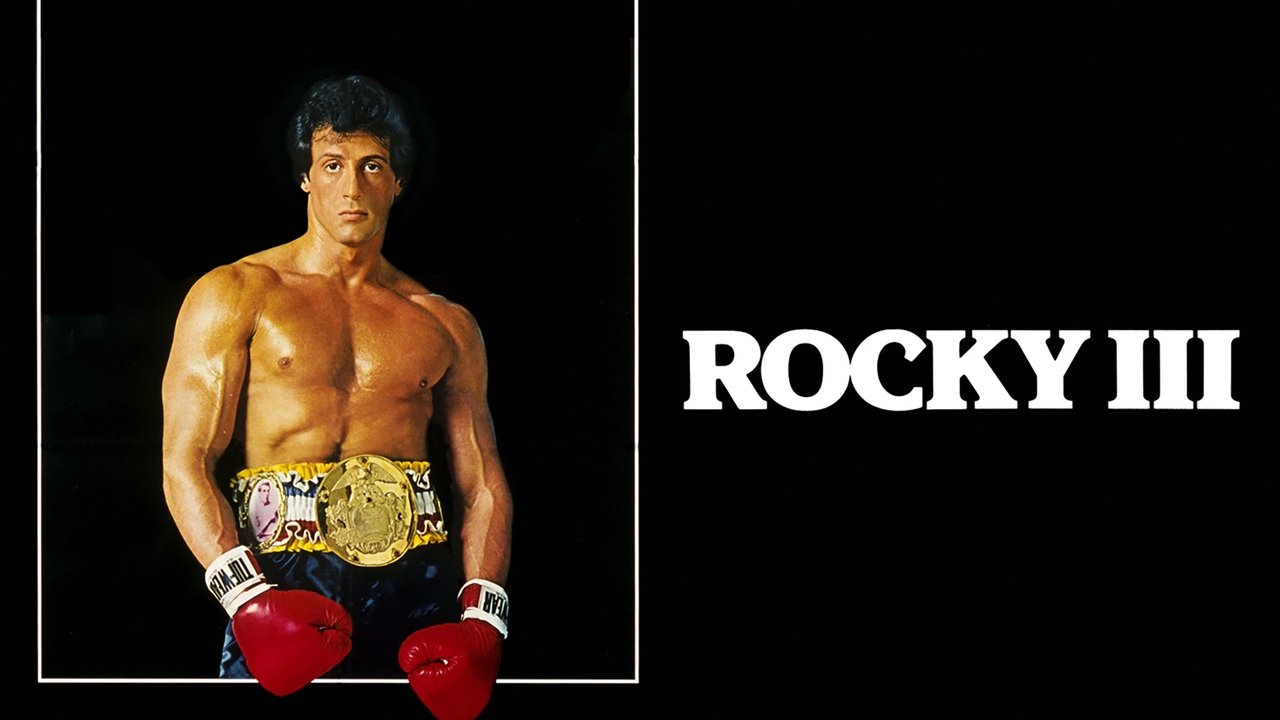
Once Mickey is gone, the film takes a turn that could have been disastrous but ended up being legendary. Enter Carl Weathers as Apollo Creed. The decision to turn Rocky’s former rival into his coach is a stroke of genius. It allowed Weathers to move past the "arrogant villain" trope and show a charismatic, supportive side that made the audience fall in love with him all over again.
However, we have to talk about the training montage in Los Angeles. If the first Rocky was about the streets, Rocky III is about the beach. Seeing Rocky and Apollo frolic in the surf in ultra-short shorts is a sight that feels less like a training camp and more like a high-budget cologne commercial for a scent called 'Musk and Hubris.' It’s peak 80s. Yet, beneath the slow-motion running and the hugging in the waves, there is a genuine drama about reclaiming one's identity. Apollo isn't just teaching Rocky how to punch; he’s teaching him how to move with the "rhythm" he lost while living in a mansion.
From Theaters to the Living Room
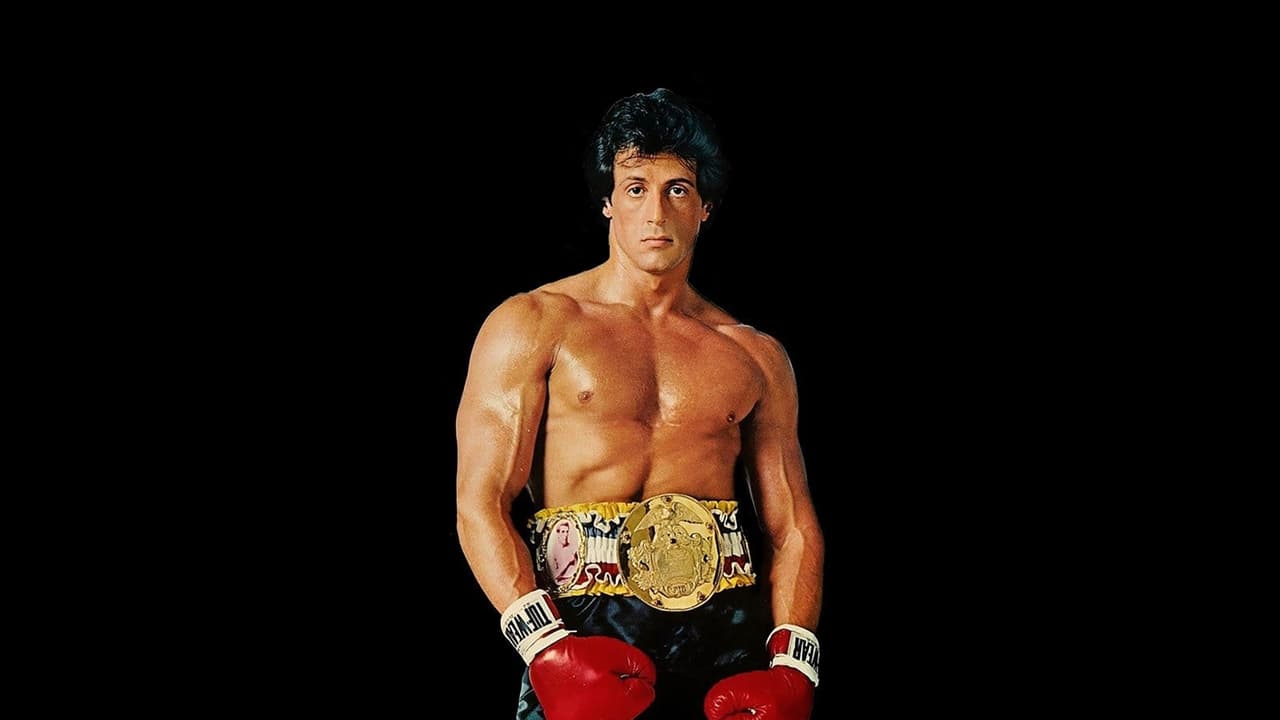
Rocky III was a monster at the box office, raking in over $125 million (which would be nearly $400 million today), but its true legacy was forged in the aisles of the local video store. For many of us, the gold-bordered United Artists VHS box was a permanent fixture on the shelf. This was the era of the "repeat viewing," where kids would wear out the tape specifically during the Thunderlips sequence.
Seeing Hulk Hogan as the "Ultimate Male" Thunderlips in a charity wrestler-vs-boxer match is a bizarre, wonderful time capsule. Hulk Hogan actually got fired from the WWF by Vince McMahon Sr. for taking the role, which seems insane given how much the movie helped launch Hulkamania. On my old CRT television back in the day, that scene looked like a chaotic blur of blonde hair and spandex, but it perfectly captures the film's theme: the spectacle has overtaken the sport.
The production was massive for its time, but Stallone kept a hand on the personal touches. He actually commissioned the famous bronze Rocky statue for the film and placed it at the top of the Philadelphia Museum of Art steps. When the city tried to move it later, the public outcry was so intense that it eventually found a permanent home nearby. That’s the power of this film; it blurred the line between fiction and reality until the two were inseparable.
Rocky III isn't the prestige drama that the original 1976 film was, but it’s arguably the most entertaining entry in the entire saga. It’s a film about the fear of losing your edge and the humbling realization that you can't go it alone. By the time the final bell rings and Rocky and Apollo square off in a private gym for one last "friendly" spar, you’ve been through the emotional ringer. It’s loud, it’s flashy, and it’s unapologetically 80s, but it has a heart of gold that refuses to be knocked out.
Keep Exploring...
-
Rocky IV
1985
-
Rocky II
1979
-
Rocky
1976
-
Rocky Balboa
2006
-
Rocky V
1990
-
Over the Top
1987
-
First Blood
1982
-
Rambo: First Blood Part II
1985
-
The Expendables
2010
-
Escape to Victory
1981
-
Close Encounters of the Third Kind
1977
-
Kramer vs. Kramer
1979
-
An Officer and a Gentleman
1982
-

Flashdance
1983
-
WarGames
1983
-
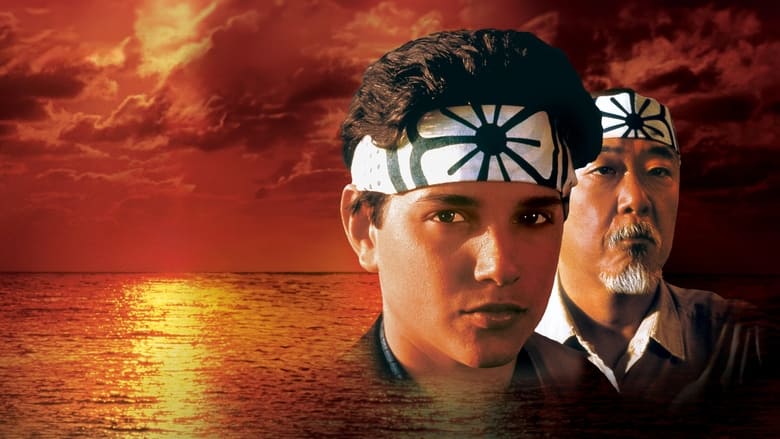
The Karate Kid
1984
-
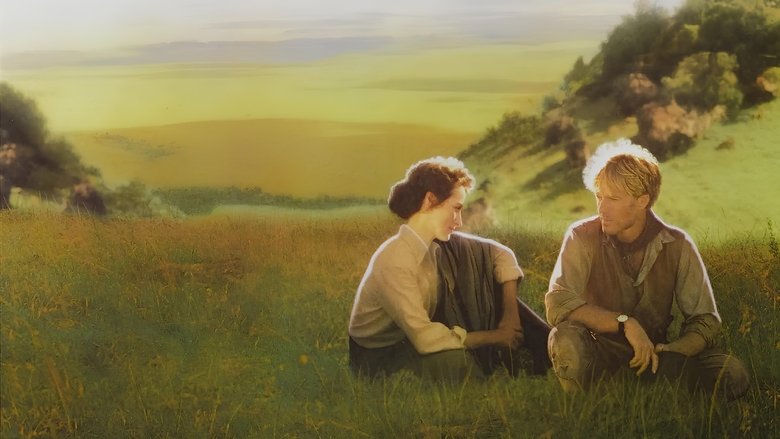
Out of Africa
1985
-

The Color Purple
1985
-
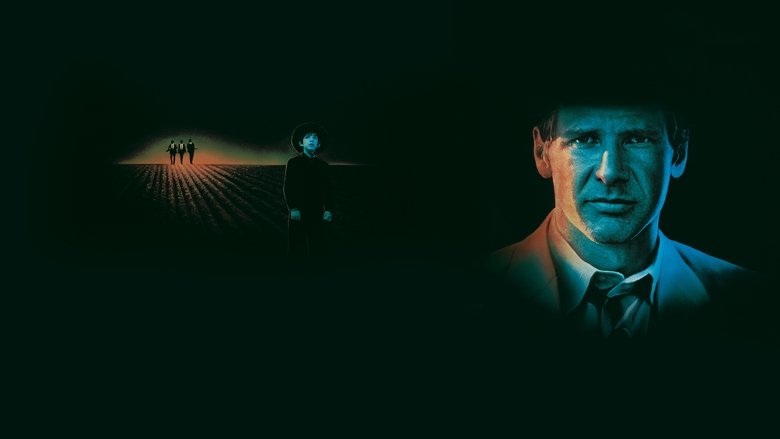
Witness
1985
-

Platoon
1986