Star Trek II: The Wrath of Khan
"A Shakespearean tragedy in space that traded sterile sci-fi for blood, sweat, and vengeance."
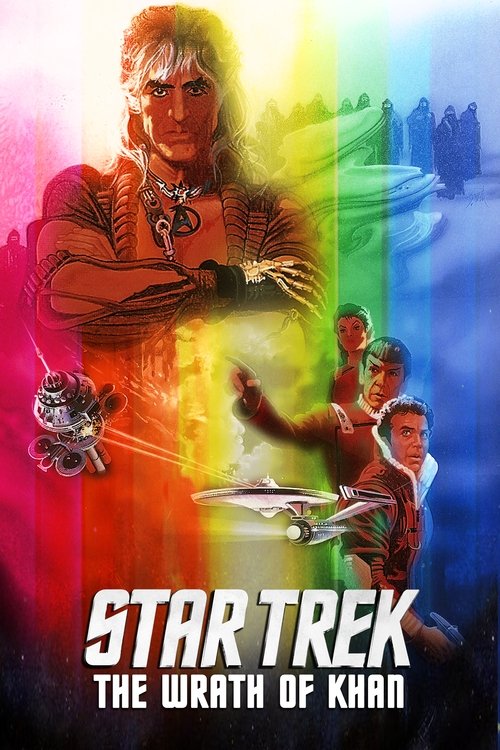
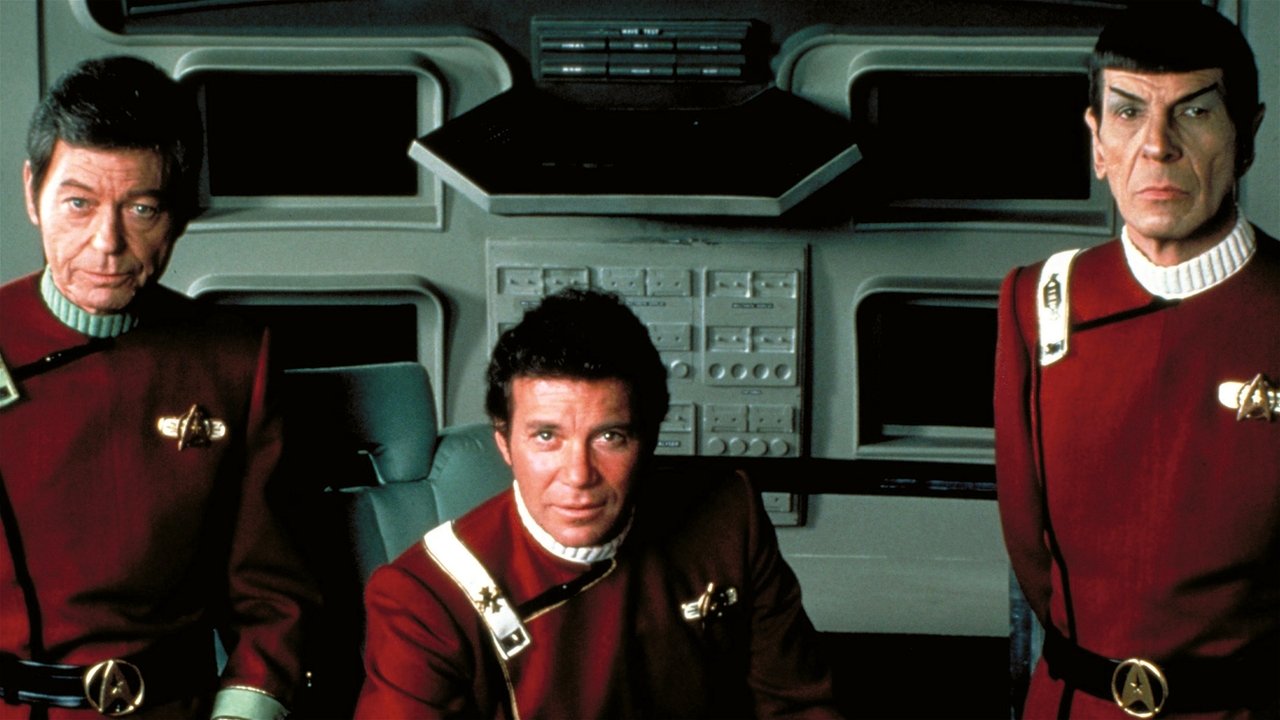
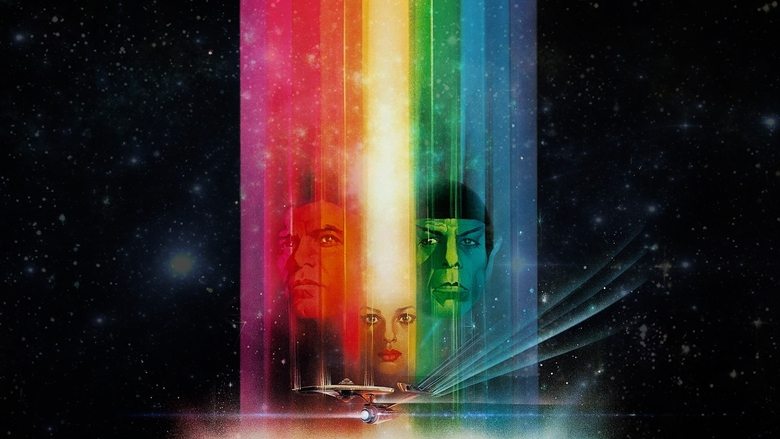
When Nicholas Meyer stepped into the director's chair for the second Star Trek outing, he did something unthinkable: he admitted he wasn't a fan of the show. While that might sound like heresy to the "Trekkies" of 1982, it was the best thing that ever happened to the Federation. After the beautiful but bloated and sterile The Motion Picture (1979) nearly bored the franchise into early retirement, The Wrath of Khan arrived like a broadside from a pirate ship. It wasn't just a sequel; it was a gritty, nautical reimagining that proved these characters were at their best when their backs were against the bulkhead and the air was running out.
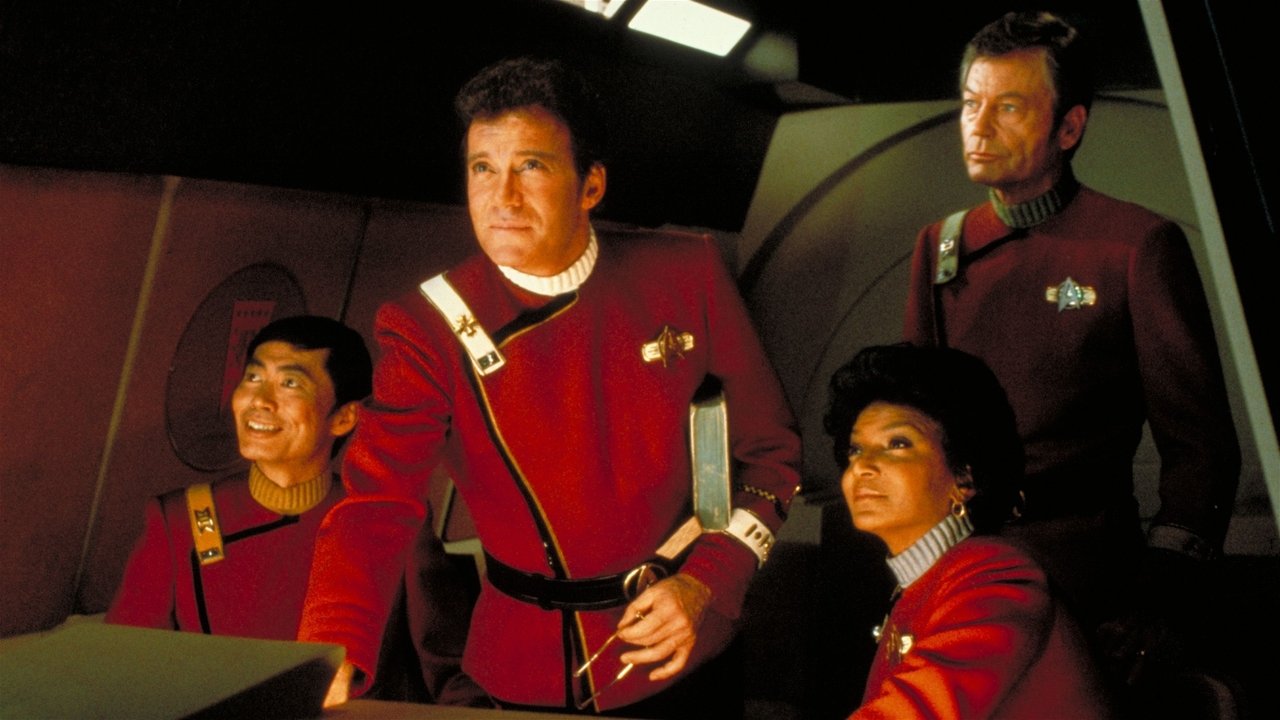
The Duel in the Dark
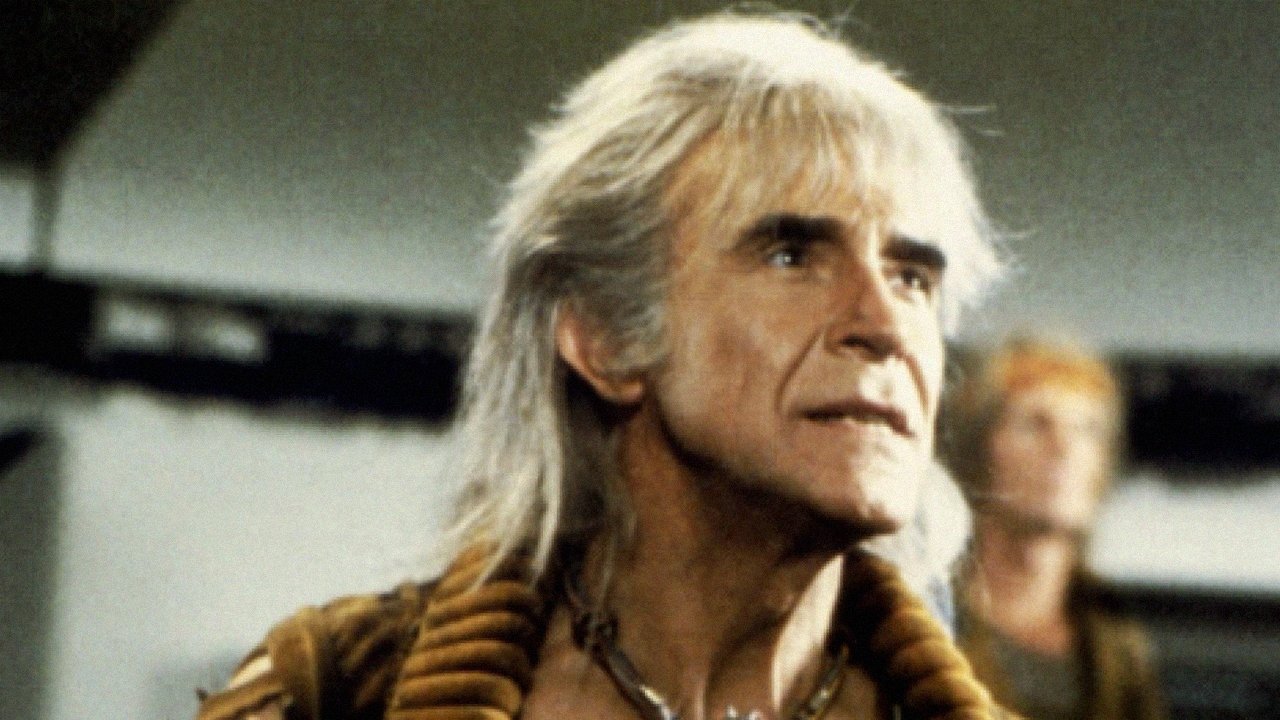
The genius of the script by Jack B. Sowards (with uncredited but heavy lifting by Meyer) lies in making the conflict personal. This isn't about an abstract space cloud threatening Earth; it's about a man from the past coming to collect a debt. Ricardo Montalban returns as Khan Noonien Singh, a character from the original series episode "Space Seed," and he brings a Shakespearean gravity to the role that remains the gold standard for cinematic villains.
Khan is a wounded lion, reciting Melville and Milton while prowling the deck of a hijacked ship. Interestingly, Montalban and William Shatner never actually share the screen during the film; their entire battle is fought over viewscreens and radio frequencies. This creates a fascinating psychological distance, turning the vacuum of space into a high-stakes chess board. And yes, for those wondering about the legendary physique—Meyer has spent decades swearing that those were Montalban's actual chest muscles, not a prosthetic. The man was simply that committed to the intimidation factor.
A Submarine Movie in the Stars
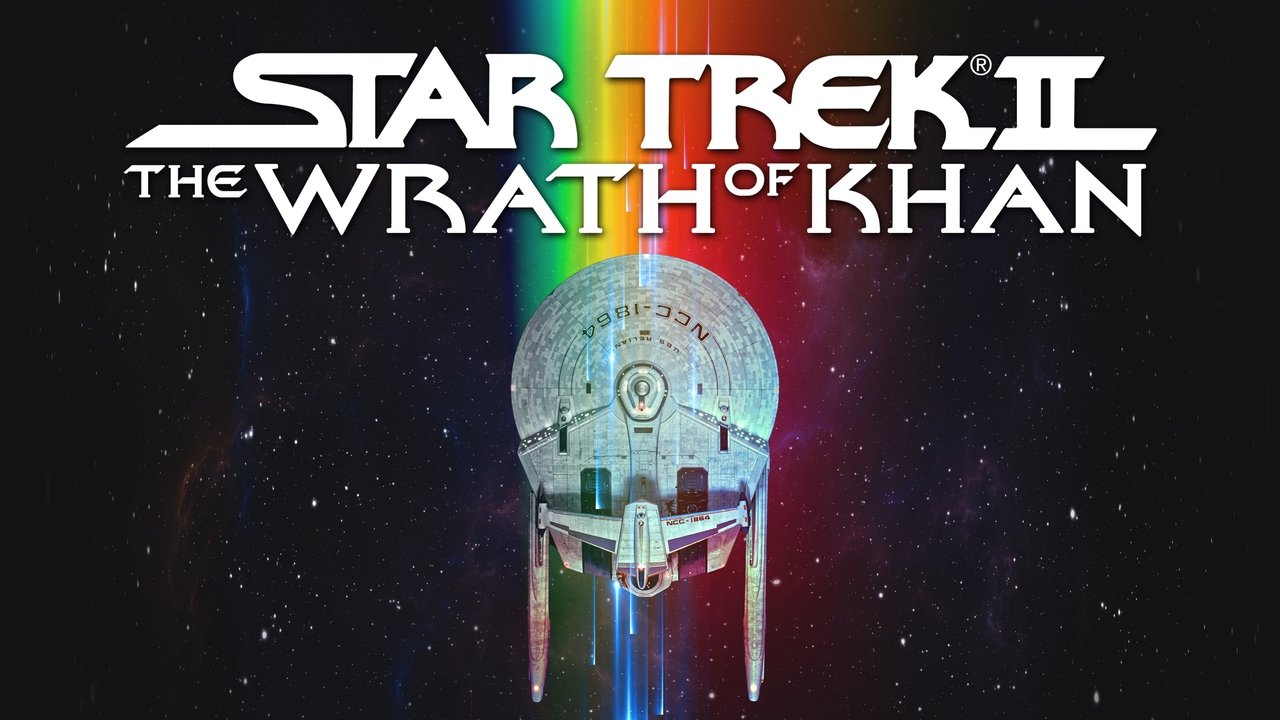
If the first film was about the majesty of discovery, The Wrath of Khan is about the visceral reality of combat. Meyer ditched the "pajama" uniforms of the first movie for military-inspired maroons, giving the crew a seasoned, naval feel. The action choreography during the Mutara Nebula sequence is a masterclass in tension. By stripping away the ships' sensors, the film forces the Enterprise and the Reliant to hunt one another like submarines in the North Atlantic.
The practical effects here are a pinnacle of the pre-CGI era. The team at Industrial Light & Magic (ILM) used physical models that had real weight and presence. When the Enterprise takes a hit, the damage isn't just a flash of light; we see the hull being shredded, the internal guts of the ship exposed. It felt dangerous. This was also the film that introduced the "Genesis Effect" sequence—the very first entirely computer-generated cinematic sequence. While that 60-second clip of a planet transforming was a tech revolution, the movie's heart remains firmly in the tactile world of sparking consoles and real sweat.
The VHS Revolution and the "Sell-Through" Gamble
While Star Trek II was a box office hit, its true legacy was forged in the aisles of local video stores. In the early 80s, movies on VHS were prohibitively expensive, often costing $80 or $100, because studios assumed only rental stores would buy them. Paramount took a massive gamble with The Wrath of Khan, dropping the "sell-through" price to $39.95.
It was a pivot point for home cinema. Suddenly, you didn't just rent the Enterprise's adventures; you owned them. Fans wore out the tape on the Mutara Nebula battle, rewinding again and again to study the model work and the tactical maneuvers. For a generation of kids, the specific tracking fuzz on a well-loved copy of Khan is as much a part of the experience as the film itself. It transformed Star Trek from a television memory into a permanent fixture of the American living room.
The Weight of Mortality
For an action-heavy sci-fi flick, The Wrath of Khan is surprisingly obsessed with death and aging. We meet William Shatner's Admiral Kirk on his birthday, struggling with his reading glasses and a sense of obsolescence. This vulnerability makes the film's climax hit like a freight train.

Spoiler Alert! (If you've somehow avoided this for 40 years).
The death of Leonard Nimoy's Spock remains one of the most earned emotional beats in cinema history. It wasn't a stunt; it was the logical conclusion of a friendship. The "needs of the many" speech, delivered through a transparent radiation barrier, stripped away the campiness of the 60s and replaced it with genuine, somber tragedy. James Horner's score, which traded the fanfare of the previous film for something more seafaring and eventually elegiac, carries that final scene into the stratosphere.
The Wrath of Khan succeeded because it stopped trying to be "important" and started being human. It gave us a villain with a soul, a hero with a mid-life crisis, and a sacrifice that actually meant something. It's a tight, 112-minute thriller that proves you don't need a massive budget to create a sense of scale—you just need characters worth caring about and a director who knows how to turn a spaceship into a pressure cooker. He tasks us, he heaps us, and forty years later, he still holds us captive in the best way possible.
Keep Exploring...
-

Star Trek VI: The Undiscovered Country
1991
-
Star Trek III: The Search for Spock
1984
-
Star Trek V: The Final Frontier
1989
-
Star Trek IV: The Voyage Home
1986
-
Star Trek: The Motion Picture
1979
-

Predator
1987
-
The Terminator
1984
-
RoboCop
1987
-
Mad Max 2
1981
-
The Abyss
1989
-
First Blood
1982
-
Aliens
1986
-
Serenity
2005
-
Tron
1982
-
Commando
1985
-

Starship Troopers
1997
-
Mad Max
1979
-
Planet of the Apes
1968
-
The Warriors
1979
-
The Time Machine
1960