The Dark Crystal
"No humans. No Muppets. Just pure, puppet-fueled nightmares."
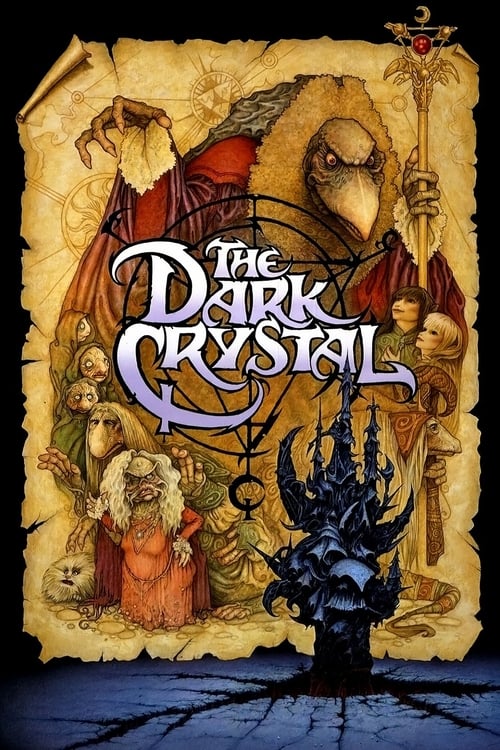
Most directors in 1982 were trying to figure out how to capitalize on the Star Wars craze by sticking a guy in a silver suit and calling it a day. Jim Henson, however, decided to spend millions of dollars and several years of his life building a planet from scratch where humans didn't even exist. The Dark Crystal wasn't just a movie; it was a declaration of war against the idea that puppets were only for teaching kids the alphabet or singing about rainbows. It’s a film that feels less like a studio production and more like a transmission from a fever-dreaming paleontologist.
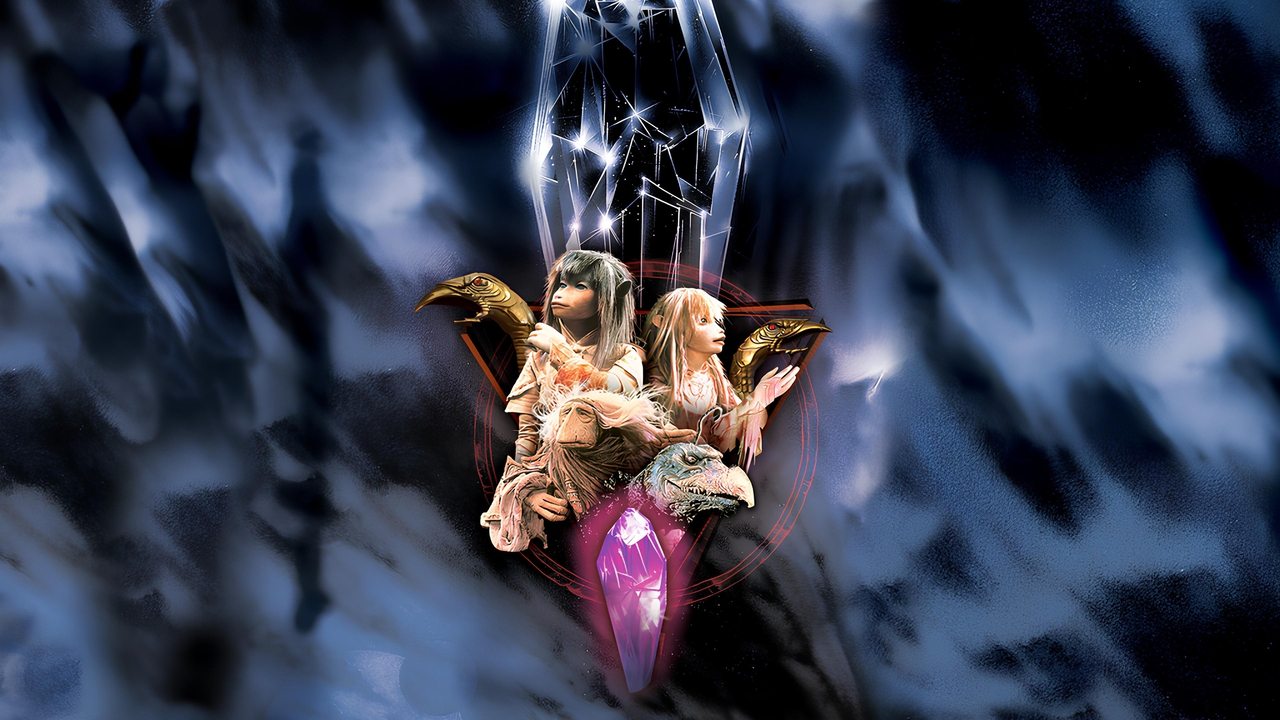
I watched this recently while my radiator was clanking with a rhythmic, metallic thud that sounded suspiciously like a Garthim marching through my living room, and it only added to the feeling that this movie is physically heavy. You can sense the weight of the foam, the latex, and the sweat of the performers inside these creations. There is a grit to this world that modern CGI simply cannot replicate.
A World Untouched by Humanity
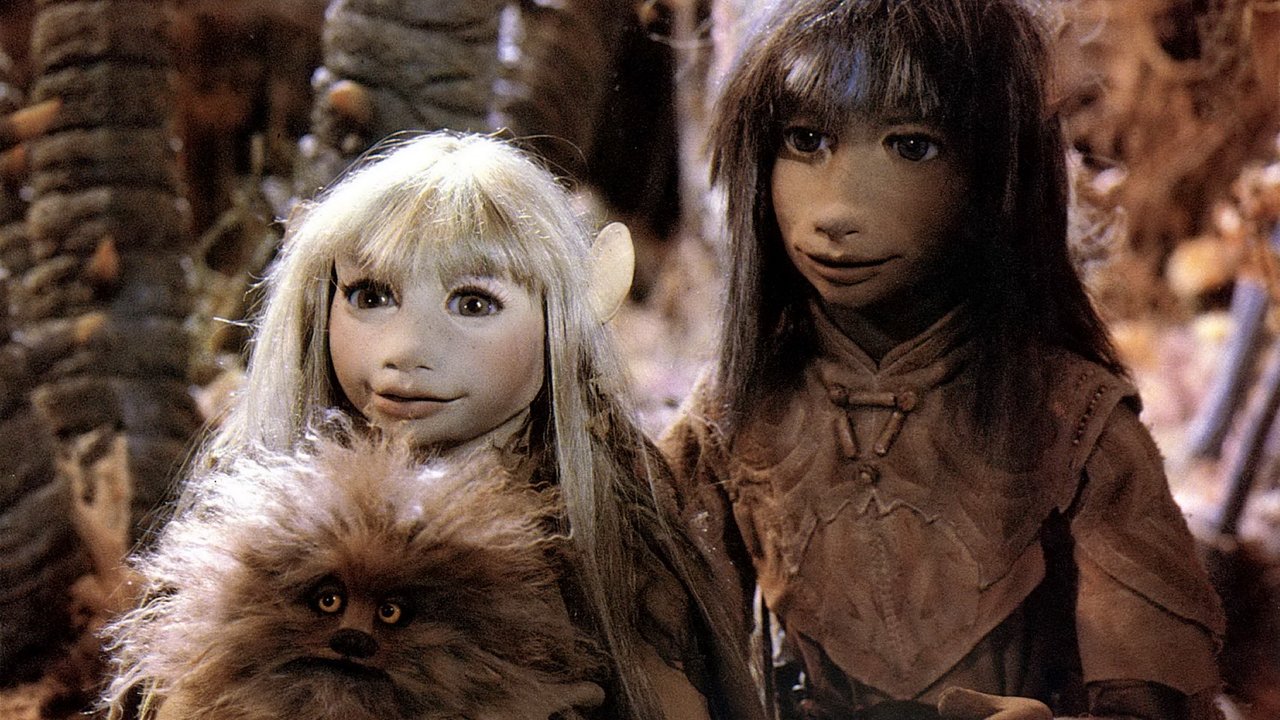
The story follows Jen, a Gelfling who thinks he’s the last of his kind, tasked with taking a shard of the titular crystal to a castle to heal his broken world before three suns align. If he fails, the Skeksis—reprehensible, vulture-like husks of creatures—rule forever. It’s a standard "chosen one" quest, and if I'm being honest, Jen the Gelfling has the personality of a damp paper towel, but luckily the world around him is a hallucinogenic masterpiece.
The real stars aren't the heroes; they are the Skeksis. They are triumphs of character design by Brian Froud and the creature shop. They represent the absolute peak of the practical effects golden age. When you see the Chamberlain, voiced and performed by Frank Oz, whimpering and plotting, you aren't looking at a "special effect." You’re looking at a physical object that occupies space, catches the light, and seems to smell like wet dust and ancient rot. The way they eat—shoveling food into their beady-eyed faces with decadent, shaking hands—is more "adventure" than any sword fight. It’s the adventure of discovery, of seeing a biology that shouldn’t exist.
The Practical Magic of the Pre-CGI Peak
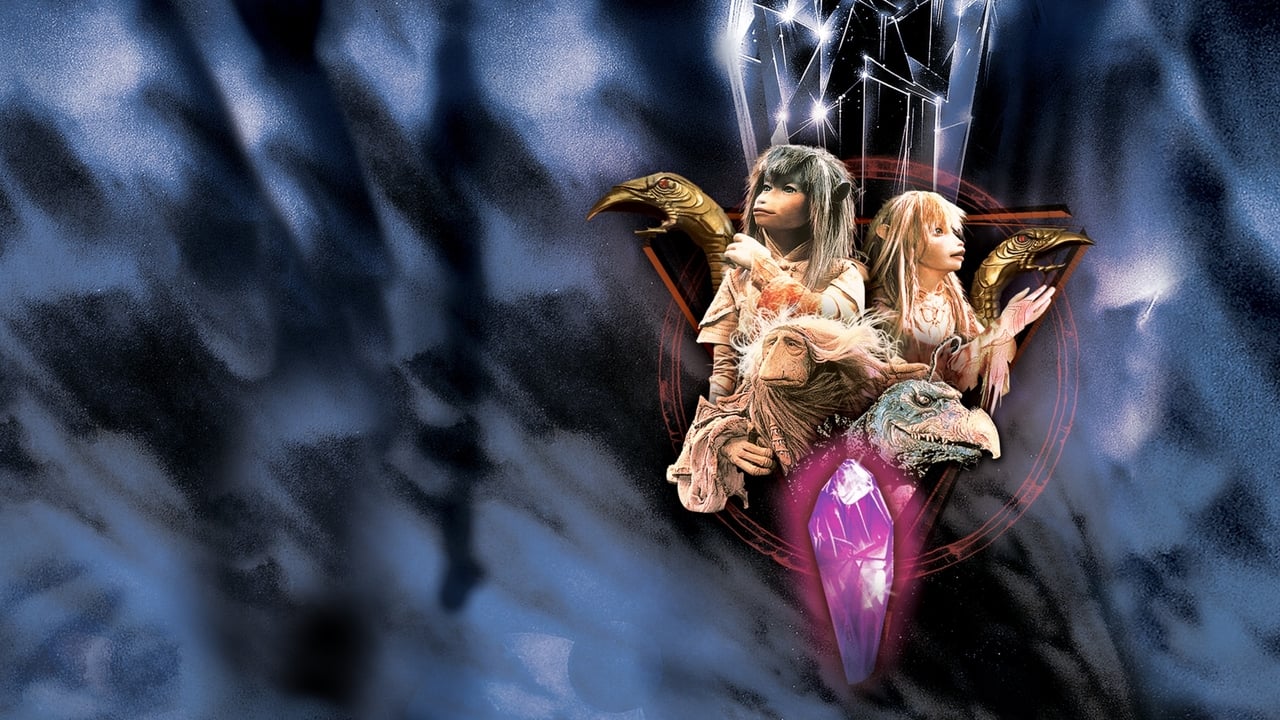
To understand why The Dark Crystal feels so distinct, you have to look at the sheer labor involved. This was the era where "how did they do that?" usually involved a guy named Steve Whitmire or Dave Goelz cramping up inside a 70-pound suit while being filmed at an awkward angle. The Garthim—the giant, beetle-like enforcers of the Skeksis—were so heavy that the performers had to be suspended from literal racks between takes just so their spines wouldn't collapse.
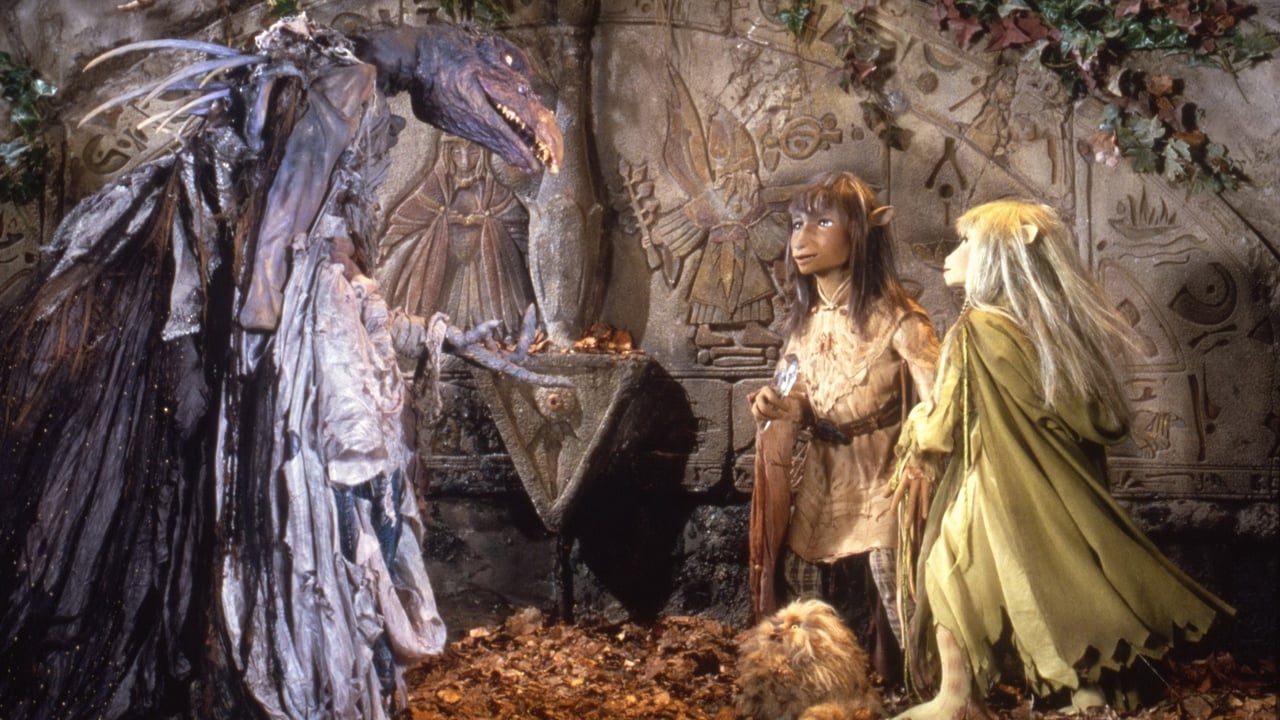
This physical reality gives the adventure a sense of peril that feels earned. When Jen and the much more capable Kira (Kathryn Mullen) are running through the Swamp of Visions, they are interacting with real plants, real water, and puppets that have actual tactile presence. Even the Landstriders—the spindly-legged mounts the Gelflings ride—were performed by humans on stilts, resulting in a jittery, unnatural movement that CGI would likely "smooth out" today, robbing it of its eerie, biological charm.
The Cult of the Magnetic Tape
When this first hit theaters, it confused people. Parents who expected the whimsical chaos of The Muppet Show walked into a film featuring soul-sucking machines and decaying bird-monsters. It didn't truly find its footing until it hit the home video market. On VHS, The Dark Crystal became a rite of passage.

I remember the specific box art for the early rentals—the "Age of Wonder" tagline promised a family film, but the image of the Skeksis on the back suggested something much more illicit. It was the kind of tape you’d find in the "Family" section of a local shop, but it felt like it belonged in "Horror." Because you could own it, or at least keep the rental for a few days, fans started to pore over the backgrounds. We weren't just watching a plot; we were looking at the moss on the rocks, the strange creatures scurrying in the corners, and the weird, internal logic of Aughra’s observatory. The home video revolution allowed this film to transition from a "box office disappointment" to a foundational text for an entire generation of fantasy nerds.
The film isn't perfect; the pacing in the middle act can feel as slow as a dying Mystic, and the Gelflings themselves are admittedly the least interesting things on screen. But as an exercise in world-building and a monument to what human hands can do with rubber and gears, it is unparalleled. It’s an adventure that respects the audience’s intelligence enough to be genuinely frightening and visually overwhelming.
The Dark Crystal remains a singular achievement from an era when Jim Henson was brave enough to stop being the "Sesame Street guy" and start being a world-creator. It’s a film that lives in the textures of its creatures—the peeling skin, the matted fur, and the shimmering light of a broken gem. If you’ve only ever seen the modern prequel series, going back to the 1982 original is like visiting the source of a dark, beautiful spring. It’s weird, it’s clunky, and it’s absolutely unforgettable.
Keep Exploring...
-
Labyrinth
1986
-
The Secret of NIMH
1982
-

Return to Oz
1985
-
Time Bandits
1981
-

Bedknobs and Broomsticks
1971
-
The Rescuers
1977
-
E.T. the Extra-Terrestrial
1982
-
The Black Cauldron
1985
-
The Princess Bride
1987
-
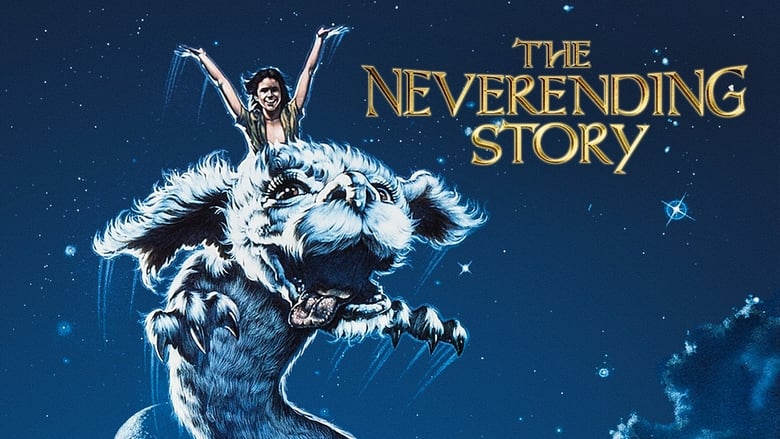
The NeverEnding Story
1984
-

Conan the Destroyer
1984
-
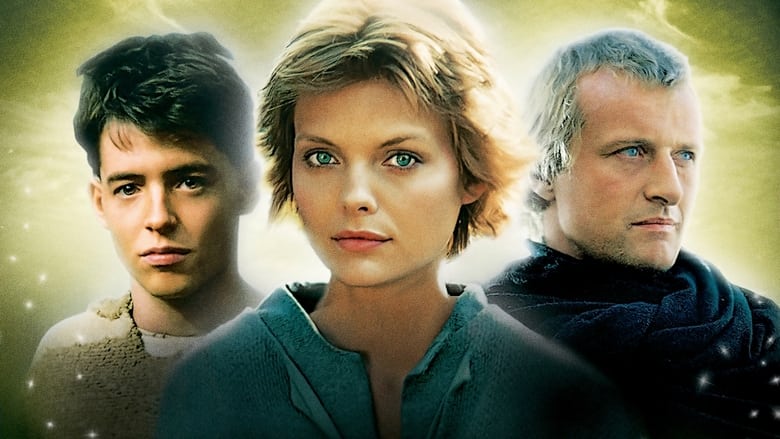
Ladyhawke
1985
-
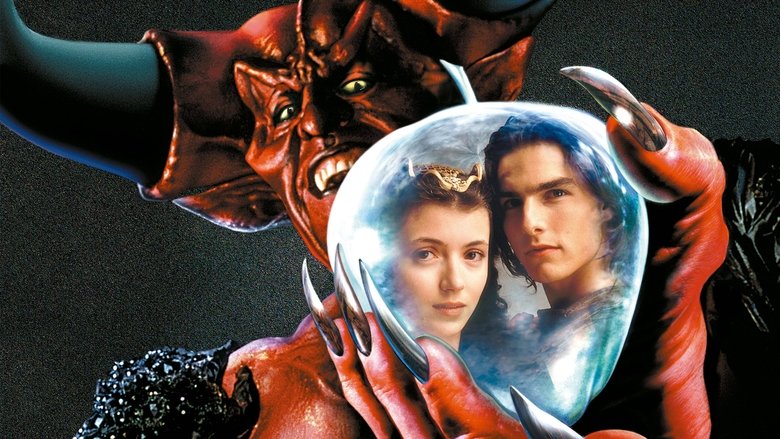
Legend
1985
-

An American Tail
1986
-
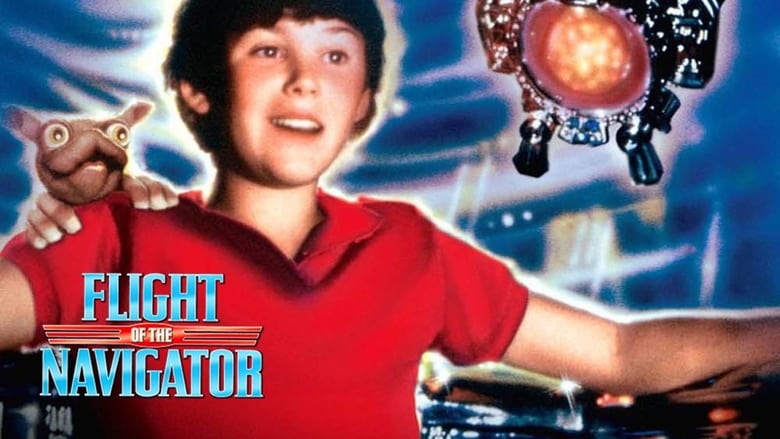
Flight of the Navigator
1986
-
The Great Mouse Detective
1986
-
Castle in the Sky
1986
-

Masters of the Universe
1987
-
The Many Adventures of Winnie the Pooh
1977
-
Excalibur
1981