The Secret of NIMH
"Courage is a small mouse in a very dark world."
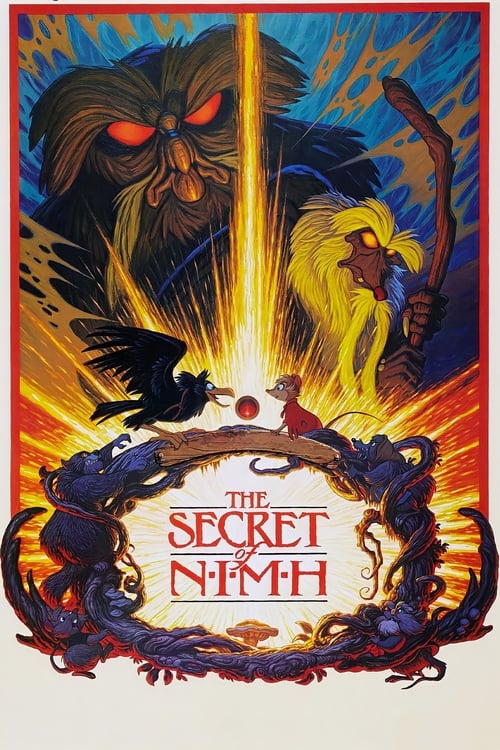
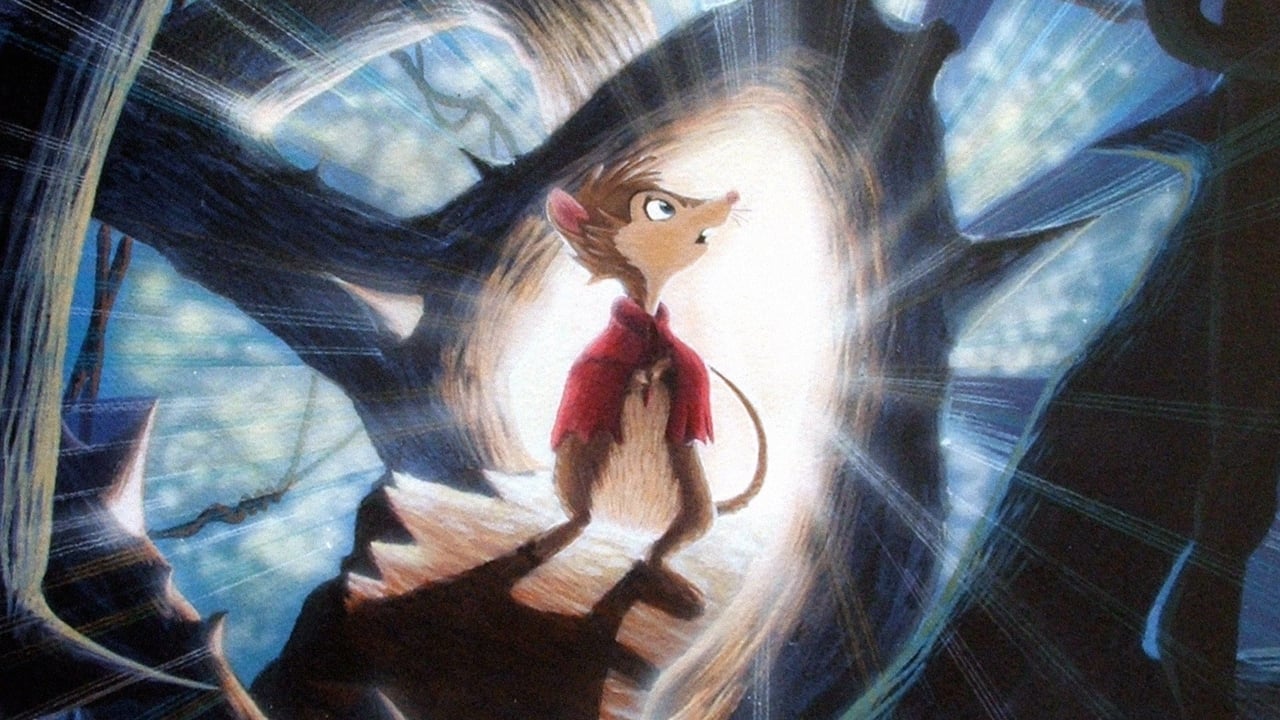
I remember the first time I pulled the oversized plastic clamshell of The Secret of NIMH off the rental shelf. The cover art—a glowing, mystical amulet clutched by a mouse with eyes wide with terror—promised something far more dangerous than the talking-animal fluff I was used to. I watched it that afternoon in a basement that smelled faintly of damp laundry and old upholstery, and I’m convinced the specific, heavy atmosphere of that room is why the film’s subterranean dread still feels so tangible to me.
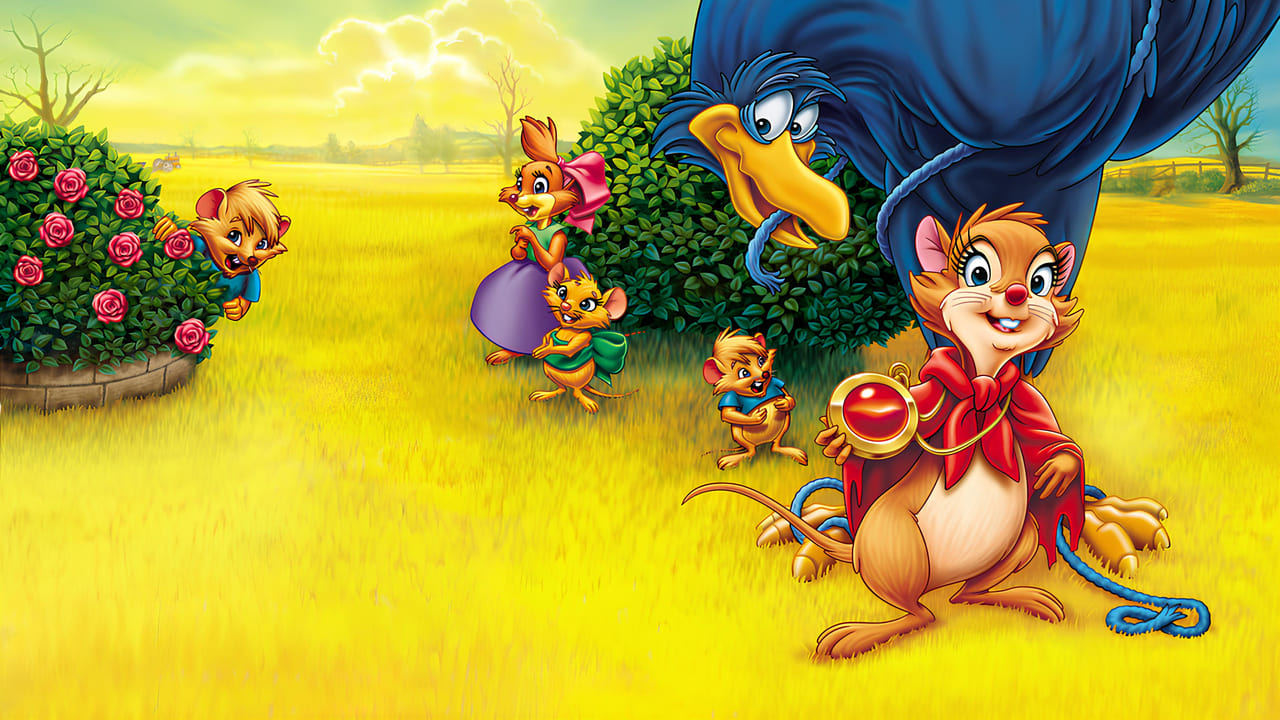
There is a tactile, almost oily richness to the animation in The Secret of NIMH that you simply don’t see anymore. It was released in 1982, a year when the "New Hollywood" spirit was starting to merge with the high-concept spectacle of the 80s, but Don Bluth wasn’t interested in the polish of the future. He was looking backward. Bluth and a group of fellow animators had famously staged a "mutiny" at Disney a few years prior, fed up with the studio’s cost-cutting measures and thinning artistic ambition. They wanted to return to the lush, multi-plane depth of the Pinocchio era, and NIMH was their manifesto.
The Great Disney Defection
The result is a film that feels hand-hewn and dangerously alive. Unlike the flat, "Xeroxed" look of Disney’s 1970s output, NIMH is obsessed with light. Don Bluth and Gary Goldman utilized archaic techniques like backlit animation to make the eyes of the Great Owl glow like dying embers and to give the rats’ laboratory technology an eerie, neon hum. I honestly believe Disney was sleepwalking through the 70s until this movie kicked them in the shins and reminded them that animation could be high-stakes drama.
The story follows Mrs. Brisby (Elizabeth Hartman), a widowed field mouse whose youngest son, Timothy, is down with pneumonia. The "Moving Day" (the farmer’s plow) is coming, and if she moves Timothy, he dies; if she stays, they all get shredded. This isn't a quest for a magical kingdom; it’s a desperate struggle for a mother to keep her family from being turned into mulch. Hartman’s voice work is incredible—she sounds permanently on the verge of a nervous breakdown, which makes her eventual acts of bravery feel earned rather than scripted.
A Masterclass in Atmospheric Dread
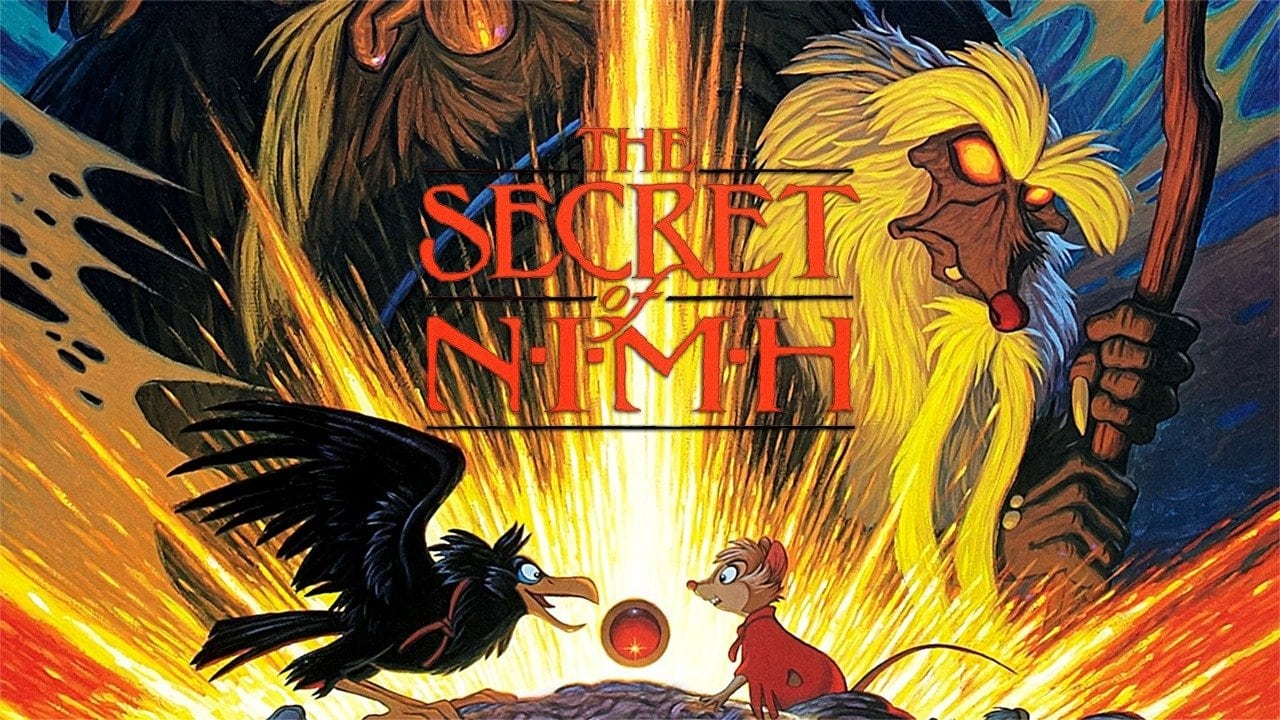
When Mrs. Brisby seeks out the Great Owl, the film shifts from a survival story into something approaching gothic horror. The Owl’s lair is a graveyard of bones and spiderwebs, and the creature itself is voiced by John Carradine with a subterranean rasp that probably kept half the kids of 1982 awake for a week. I watched this scene recently on a flickering CRT TV I keep for retro gaming, and the way the deep blacks of the Owl’s feathers bled into the shadows of the room was a reminder of why these films felt so much more "real" on home video. The imperfections of the medium matched the grit of the world.
Then there are the rats. This isn't just a fantasy about magic rodents; it’s a sci-fi mystery. The revelation that Nicodemus (Derek Jacobi) and his colony are escaped lab subjects from the National Institute of Mental Health (NIMH) adds a layer of "man-playing-God" cynicism that feels very much in line with 1970s sci-fi like Planet of the Apes. These rats have developed electricity, complex social structures, and a moral crisis about their own existence. It’s heavy stuff for a "family" movie, balanced only by the comic relief of Jeremy the crow. Dom DeLuise provides the voice, and while his frantic ad-libbing feels like it belongs in a different movie, Jeremy the Crow is the only thing keeping this from being a full-blown existential nightmare.
The Glow of Hand-Inked Science Fiction
The score by Jerry Goldsmith (the genius behind Alien and The Omen) is the secret weapon here. He treats the film like an epic adventure, using sweeping orchestral swells and synth-heavy accents that make the stakes feel massive. When the Brisby house is finally being moved, the music doesn't just underscore the action; it makes you feel the literal weight of the mud and the mechanical grinding of the rats' pulleys.
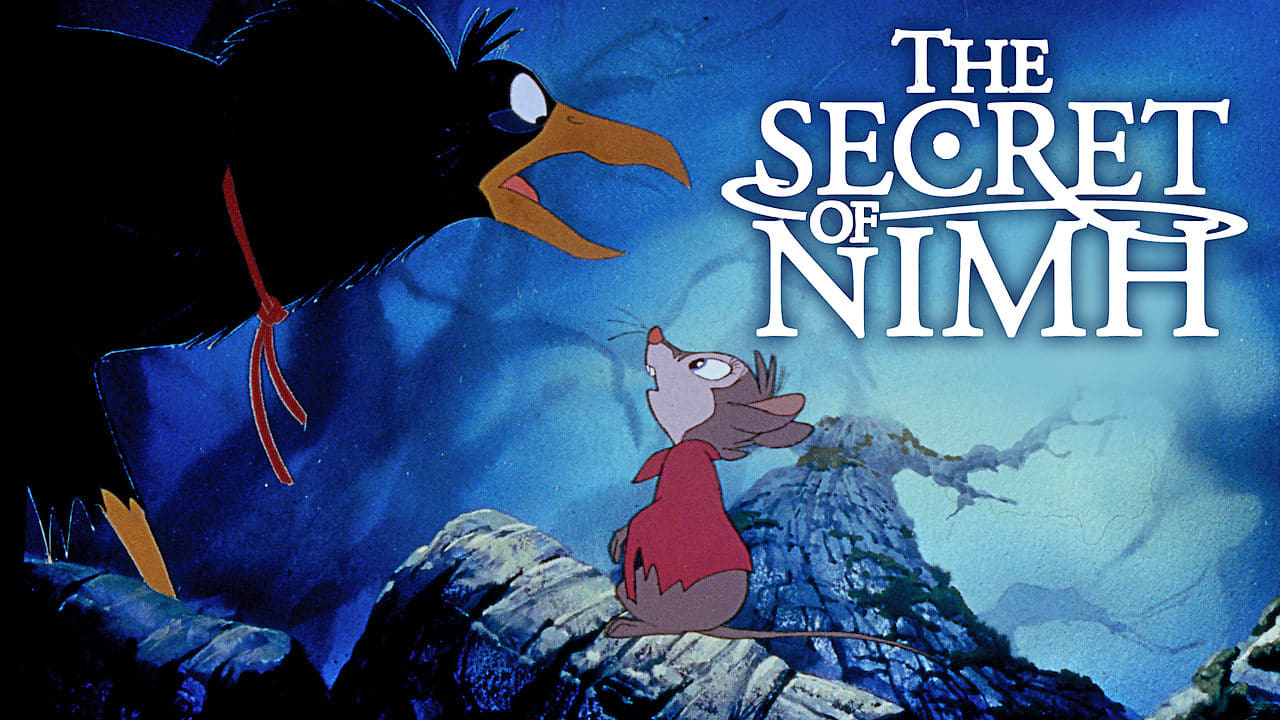
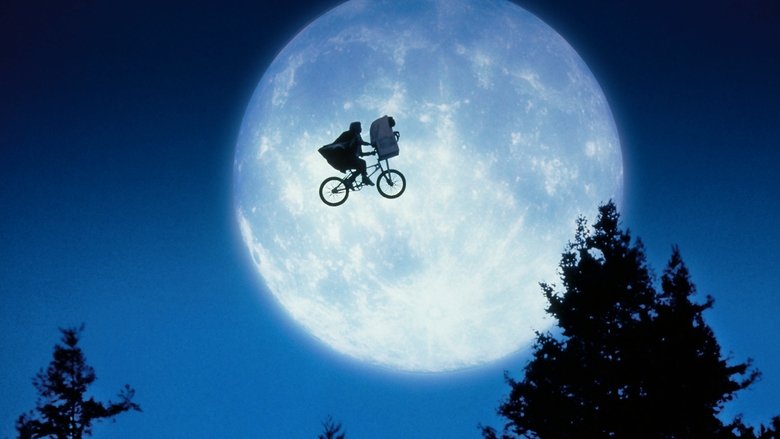
Interestingly, The Secret of NIMH was somewhat buried at the box office because it had the misfortune of opening against E.T. the Extra-Terrestrial. It was the underdog film about an underdog character. However, the VHS era saved it. Because it was so visually dense, it became one of those tapes that kids would watch fifty times, discovering new details in the shadows of the Rose Bush or the flickering lights of the laboratory with every pass. It’s a film that demands that kind of repeat viewing because the production design is so over-engineered it’s a miracle the budget didn't hit $20 million.
The Secret of NIMH remains a towering achievement of independent animation. It proves that you don’t need a massive studio machine to create a world that feels infinite; you just need a group of animators willing to work themselves to the bone to prove a point. It’s dark, it’s weird, and it treats its young audience with the respect of assuming they can handle a little genuine peril. If you've only ever seen the sanitized CGI adventures of the modern era, do yourself a favor: find the darkest room in your house, turn up the volume, and let the glow of the amulet lead you in.
It’s a journey that feels just as dangerous now as it did in 1982. Mrs. Brisby might be the smallest hero in cinema history, but her story has a weight that most blockbusters can only dream of. The film doesn't just tell you about courage; it shows you what it looks like when you're terrified and you do it anyway. That’s a lesson that never goes out of style, whether you’re a mouse or a human.
Keep Exploring...
-

An American Tail
1986
-

All Dogs Go to Heaven
1989
-
The Great Mouse Detective
1986
-
The Black Cauldron
1985
-

Bedknobs and Broomsticks
1971
-
The Land Before Time
1988
-
The Rescuers
1977
-
Anastasia
1997
-
The Dark Crystal
1982
-

Return to Oz
1985
-
Castle in the Sky
1986
-
The Many Adventures of Winnie the Pooh
1977
-
Time Bandits
1981
-
Titan A.E.
2000
-
Scooby-Doo! Return to Zombie Island
2019
-
The Fox and the Hound
1981
-
E.T. the Extra-Terrestrial
1982
-
The Princess Bride
1987
-

DuckTales: The Movie - Treasure of the Lost Lamp
1990
-
The Rescuers Down Under
1990