The Thing
"The ultimate exercise in frozen, terminal paranoia."
I first watched John Carpenter’s The Thing in a basement apartment during a brutal February cold snap, huddled next to a space heater that smelled faintly of singed hair. Honestly, the smell of burning dust only added to the experience. There is something uniquely miserable about the atmosphere of this film—a cold so deep it feels like it’s vibrating through the screen—that makes it the perfect companion for a winter’s night when you already feel a little too isolated for your own good.

It is arguably the most nihilistic film ever released by a major studio, and certainly one of the most misunderstood. When it hit theaters in 1982, it was famously savaged. Critics called it "junk" and "barf-bag cinema." Audiences, still reeling from the sugary, Reese’s-Pieces-fueled optimism of Steven Spielberg’s E.T. the Extra-Terrestrial, weren't ready for an alien that didn't want to phone home, but rather wanted to turn your ribcage into a giant, toothy mouth.
The Architecture of Dread
The plot is deceptively simple: a group of men at an Antarctic research station find themselves hunted by an extraterrestrial organism that can imitate any life form it touches. But the "monster" isn't the only threat; the true enemy is the collapse of the social contract. John Carpenter (who also did the score for Halloween and Escape from New York) masterfully strips away everything that makes a person feel safe. There are no women, no children, no hope of rescue, and eventually, no way to know if the person you’ve worked with for years is still human.
Kurt Russell, sporting what I consider the pinnacle of 1980s cinematic facial hair, plays MacReady with a weary, blue-collar grit. He isn't a superhero; he’s a guy who just wants to finish his scotch and play chess against a computer. Alongside him, Keith David brings a simmering intensity as Childs, providing a perfect foil to MacReady’s mounting desperation. The ensemble—including a wonderfully unhinged Wilford Brimley—functions like a pressure cooker. You can almost feel the sweat freezing on their brows as the paranoia takes hold.
Bottin’s Nightmares in Latex
We have to talk about the effects. We are currently living in an era of "smooth" digital monsters, but The Thing represents the absolute zenith of the Practical Effects Golden Age. Rob Bottin, who was only 22 years old at the time, literally worked himself into the hospital to create these sequences. There was no CGI to fall back on; every exploding chest cavity, every stretching neck, and every skittering "spider-head" was a physical object built from latex, foam, and gallons of KY Jelly.
There is a weight to the horror here that modern movies struggle to replicate. When a character’s arm is bitten off by a stomach-mouth, it doesn't look like a digital asset—it looks like meat. I’ve always felt that the blood-test scene is the greatest sequence of suspense in the history of the genre. It’s a masterclass in pacing, using a simple petri dish and a hot wire to turn a small room into a psychological war zone. Apparently, the crew actually used real animal blood from a slaughterhouse for some of the effects shots, which might explain why the film feels so authentically grimy.
A Legacy Forged in Frost
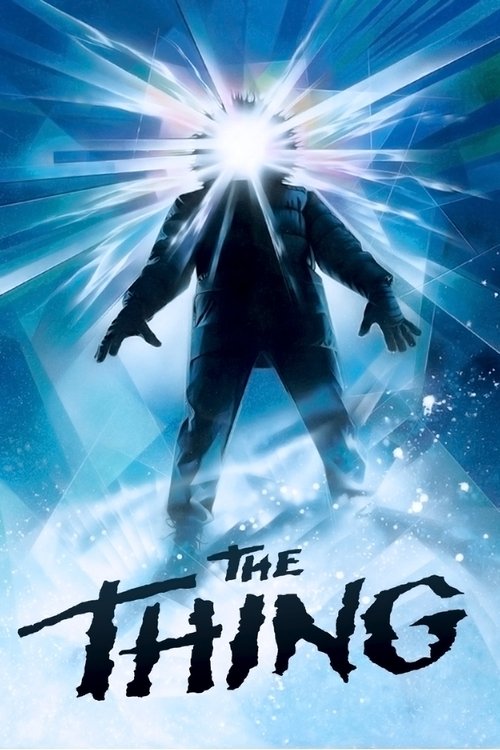
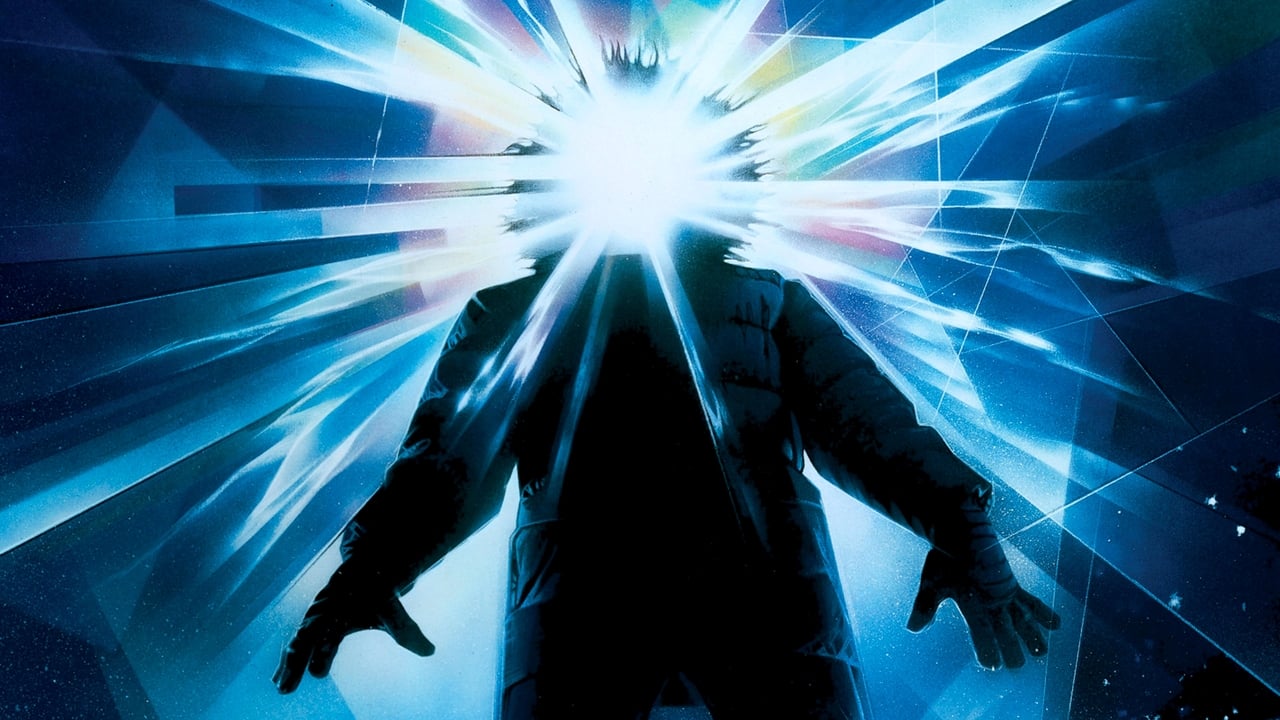
The film’s journey to "classic" status is a pure VHS success story. It was dead on arrival at the box office, but it found its second life in the local rental shops of the mid-80s. I remember the original VHS box art by Drew Struzan—that iconic image of a man in a parka with light exploding out of his face. It promised something terrifying, and unlike many of the B-movies on the shelves next to it, the film actually over-delivered.

It’s a movie that rewards repeated viewings because Carpenter hides clues in plain sight. If you watch the shadows or pay attention to who is wearing what clothing, you can almost track the infection—almost. The ambiguity is the point. Even the ending, which is one of the most perfectly bleak conclusions in cinema history, refuses to give the audience the catharsis they crave. It leaves you sitting there in the dark, wondering if the person sitting next to you is actually who they say they are.
In an industry that usually demands clear-cut heroes and happy endings, The Thing is a beautiful, frozen anomaly. It is a film about the terrifying realization that we can never truly know another person’s heart—or what might be hiding inside their chest cavity. It remains the gold standard for body horror and atmospheric dread, a masterpiece that only gets colder and more effective with age. Watch it with the lights off and the heat turned down.

Keep Exploring...
-

Videodrome
1983
-
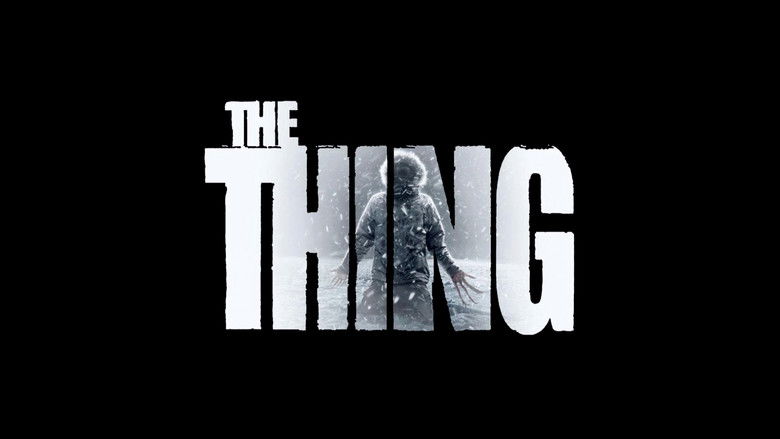
The Thing
2011
-
The Fly
1986
-

Escape from New York
1981
-

Halloween
1978
-
Big Trouble in Little China
1986
-
They Live
1988
-
Alien
1979
-
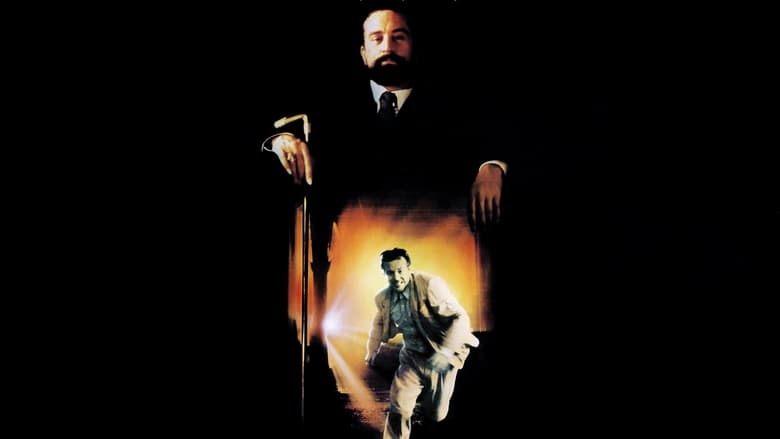
Angel Heart
1987
-

In the Mouth of Madness
1995
-

Invasion of the Body Snatchers
1978
-
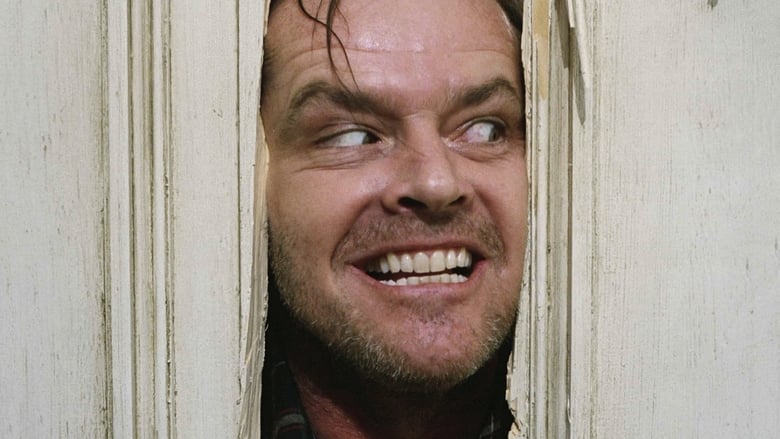
The Shining
1980
-
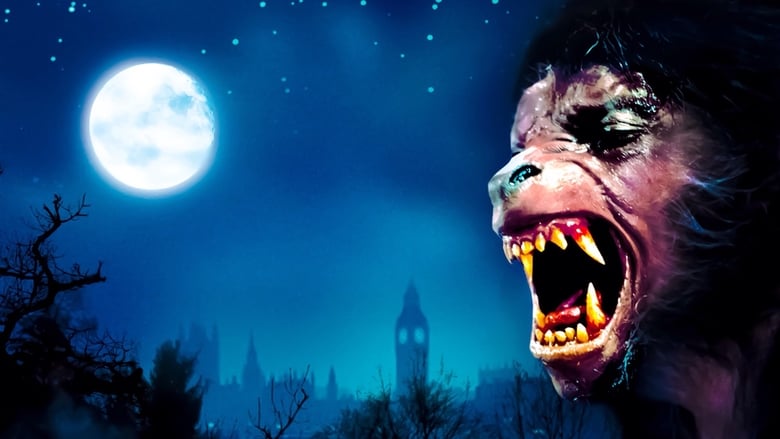
An American Werewolf in London
1981
-

Star Trek II: The Wrath of Khan
1982
-
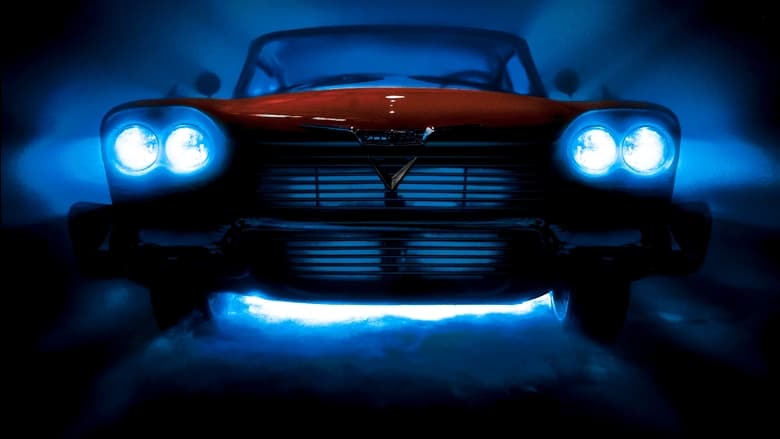
Christine
1983
-
The Terminator
1984
-
Blue Velvet
1986
-

Predator
1987
-
RoboCop
1987
-
Dawn of the Dead
1978