Tron
"Enter the Grid. Survive the Game."
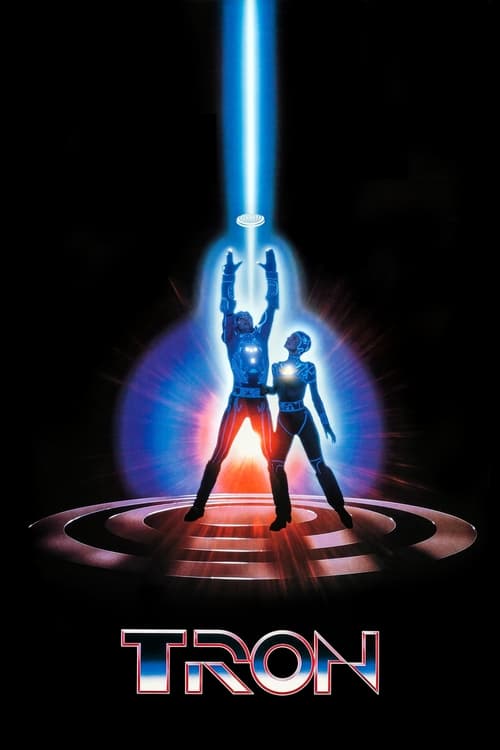
The first time I saw a Lightcycle turn at a ninety-degree angle, I’m pretty sure my ten-year-old brain short-circuited. There’s a specific, humming vibration to Tron that feels less like a movie and more like a fever dream had by an IBM mainframe in 1982. It’s a film that shouldn’t exist—a high-concept, neon-drenched gamble from a studio (Disney) that was, at the time, wandering through a creative desert. Watching it today, especially on a screen larger than the 14-inch CRT of my youth, is a reminder that sometimes the most beautiful things in cinema are the ones that were the hardest to make.
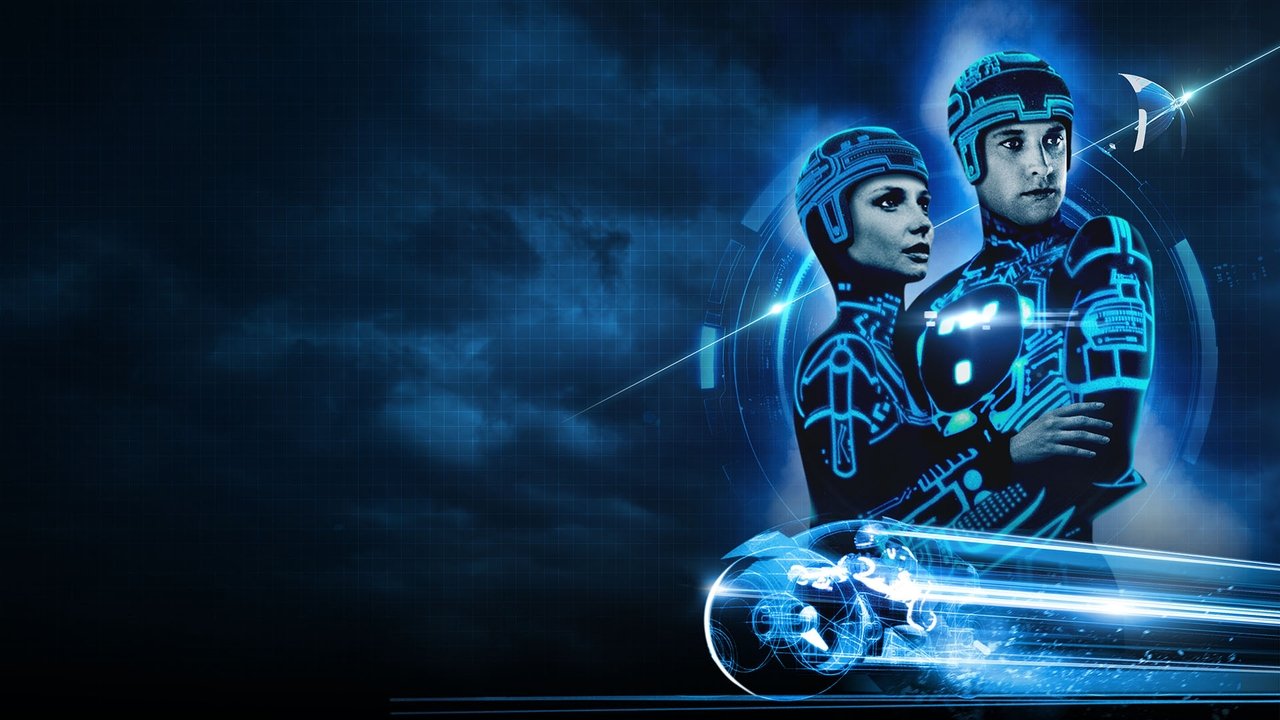
I actually rewatched this most recently while recovering from a mild bout of food poisoning—shoutout to that questionable airport breakfast burrito—and the glowing, geometric landscapes of the Grid were surprisingly soothing. There’s a meditative quality to the digital void that modern, hyper-cluttered CGI just can’t replicate.
A Glitch in the System
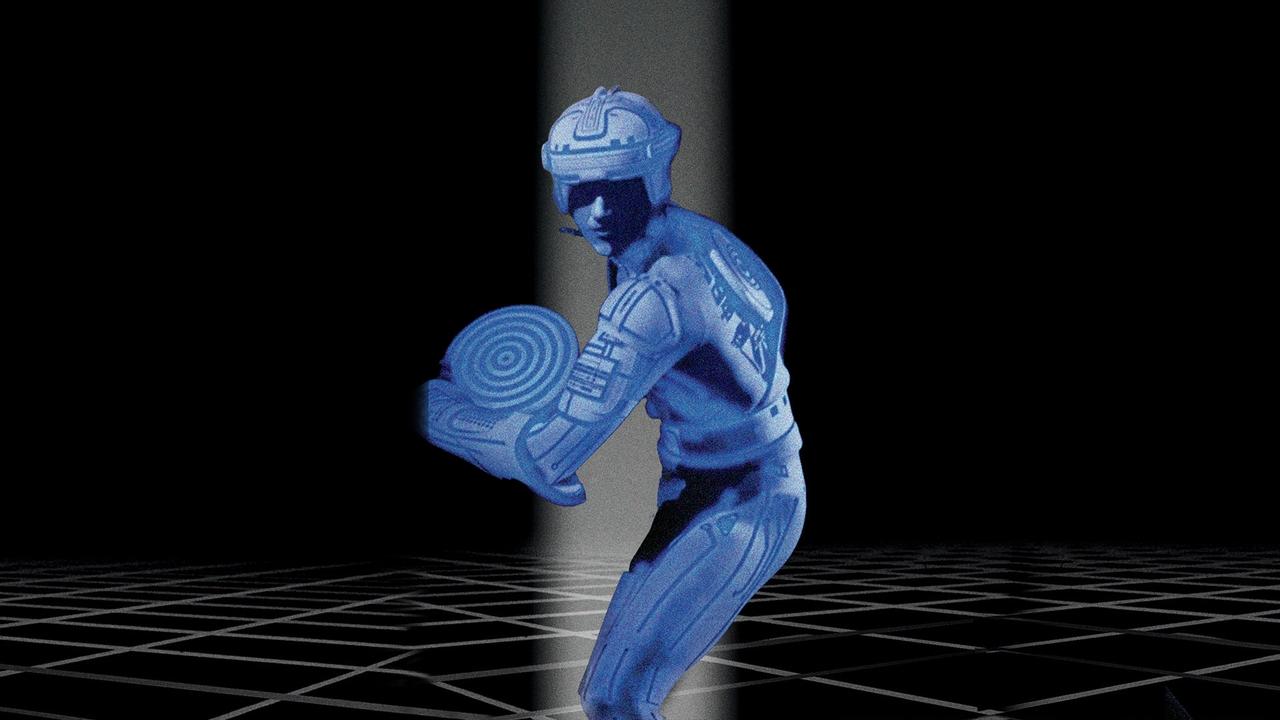
When we talk about Tron, we usually talk about the "first CGI movie." That’s a bit of a lie, or at least a massive oversimplification. Only about fifteen minutes of the film are "pure" computer animation. The rest of that glowing, otherworldly aesthetic was achieved through a mind-numbing process called backlit animation. The actors—including a delightfully cocky Jeff Bridges as Flynn and a stoic Bruce Boxleitner as the titular security program—were filmed in black and white on a pitch-black set. Every frame was then blown up, and hundreds of artists in Taiwan spent months hand-painting the glows and colors onto individual cells.
It was a Herculeas task that makes modern rendering look like a walk in the park. Because of this, the film has a physical texture that’s impossible to ignore. The digital world feels like a haunted stained-glass window. There’s a weight to the darkness and a sharpness to the light. Jeff Bridges brings a much-needed "hacker-hippie" energy to the proceedings; he’s essentially The Dude with a high-speed modem, treating the life-or-death digital gladiator matches like a particularly intense night at the arcade.
High-Stakes Circuitry
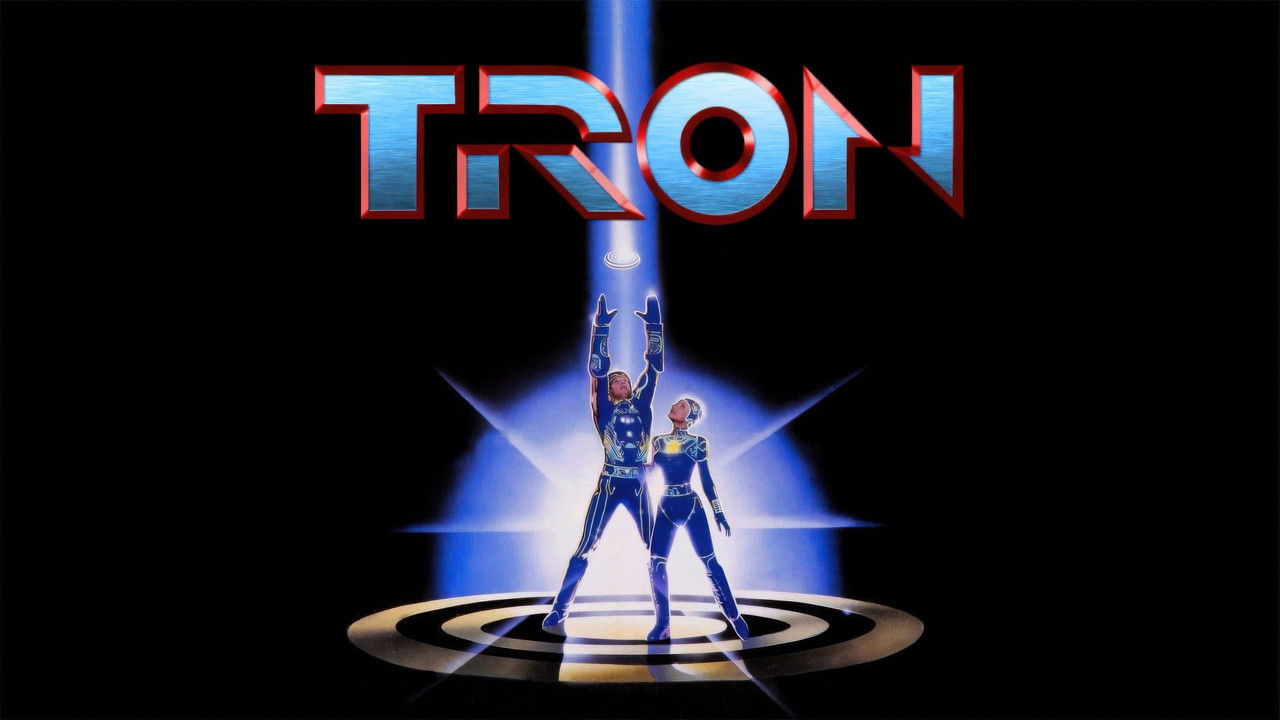
The action in Tron is surprisingly clear and rhythmic, a far cry from the "shaky-cam" chaos of the early 2000s. Director Steven Lisberger understands that in a world without gravity or horizon lines, the audience needs a sense of geometry to follow the stakes. The Lightcycle sequence remains a masterclass in tension and pacing. It’s not about speed as much as it is about territory and logic. When Dan Shor’s Ram and Flynn are being chased by the Recognizers, you feel the walls closing in.
And then there’s the score by Wendy Carlos (who also did the legendary music for A Clockwork Orange and The Shining). It’s a gorgeous, soaring blend of synthesizers and a full orchestra that gives the digital world a sense of religious awe. It’s the sound of a new frontier being born. However, I’ll be the first to admit that the plot is thinner than a floppy disk. The Master Control Program looks like a very angry, sentient bucket of glowing lava, and while David Warner is deliciously menacing as both the corporate shark Ed Dillinger and the digital tyrant Sark, his motivations are pretty standard "totalitarian computer" fare. But you don't watch Tron for a deep dive into the human condition; you watch it to see what it looks like when light becomes a weapon.
The VHS Legacy and the Snub
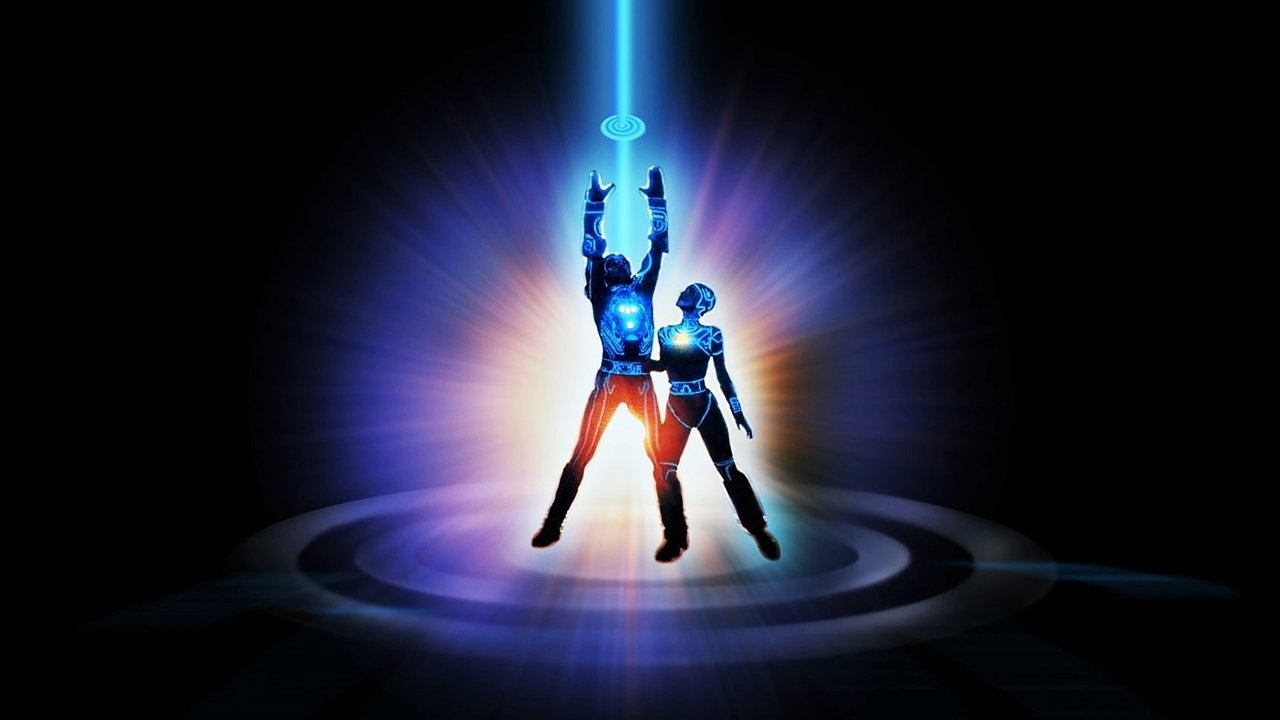
If you grew up in the 80s, the Tron VHS box was a staple of the "Sci-Fi" section. That iconic cover art, with the glowing discs and the grid lines receding into infinity, promised a future that felt just around the corner. It was a film that found its true audience in the home video market. People would pause and rewind just to see if they could spot the hidden Pac-Man on the Master Control Program’s bridge or the "Hidden Mickey" in the landscape.
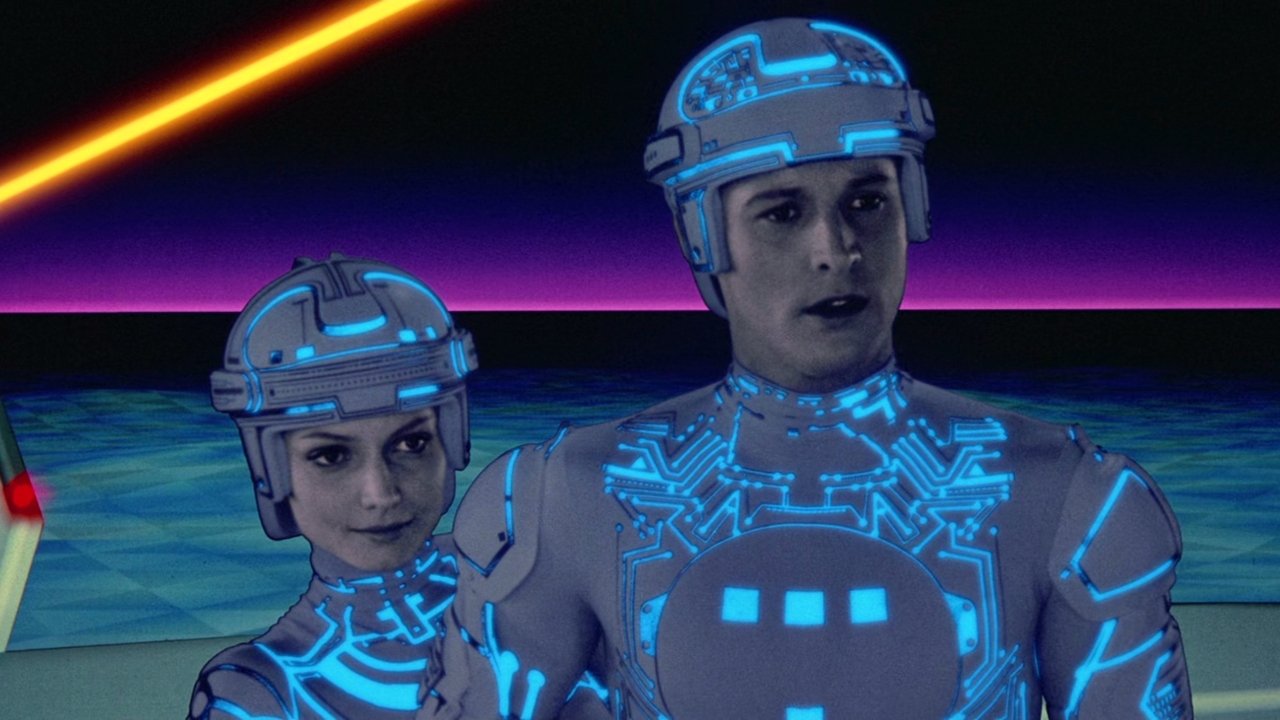
Ironically, the film was a bit of a pariah during its initial release. The Academy Awards actually disqualified Tron from the Best Visual Effects category because they felt using computers was "cheating." It’s one of the great "oops" moments in cinematic history, considering that within twenty years, almost every frame of film would be touched by a processor.
Stuff You Didn't Notice
The Cheat Sheet: To get the designs right, Steven Lisberger hired industrial designer Syd Mead (who also did Blade Runner) and the legendary French comic artist Moebius (Jean Giraud). That’s why the tanks and ships have such a unique, timeless silhouette. Arcade Fever: The Tron arcade game actually made more money than the film’s initial theatrical run. It’s one of the few instances where the tie-in product outperformed the source material. The Spandex Struggle: The actors had to wear skin-tight, white spandex suits that were incredibly uncomfortable. Jeff Bridges reportedly had to wear a "dance belt" to keep things family-friendly, which he joked was the most difficult part of the shoot. Labor of Love: Because of the backlit animation process, every frame of the film had to be passed through the cameras multiple times. If a single hair or dust mote got on the lens, the entire shot was ruined. The "User" Religion: The film’s concept of "Users" being gods to the programs was a surprisingly deep piece of world-building that the 2010 sequel, Tron: Legacy*, leaned into heavily.
Tron is a beautiful anomaly. It’s a film that captures the exact moment our species realized we were moving into a digital future, and it did so with a sense of wonder that we’ve mostly lost in the era of smartphone cynicism. It’s not perfect—it’s slow in places, and the dialogue can be as stiff as a circuit board—but the sheer ambition on screen is infectious. If you can, find a copy and watch it on a quiet night. It’s the ultimate "lights-off" movie. Just ignore the fact that Flynn’s "cutting edge" computer has less processing power than your modern toaster; the magic is in the imagination, not the megabytes.
Keep Exploring...
-
TRON: Legacy
2010
-
TRON: Ares
2025
-

Star Trek II: The Wrath of Khan
1982
-
Dune
1984
-

Predator
1987
-
Mad Max Beyond Thunderdome
1985
-
Flash Gordon
1980
-
Star Trek III: The Search for Spock
1984
-

Masters of the Universe
1987
-

Superman
1978
-
Moonraker
1979
-

Superman II
1980
-

Escape from New York
1981
-
Conan the Barbarian
1982
-
Commando
1985
-
Big Trouble in Little China
1986
-
Highlander
1986
-
RoboCop
1987
-
The Running Man
1987
-

Bill & Ted's Excellent Adventure
1989