Vincent
"Every child dreams. Vincent Malloy haunts."
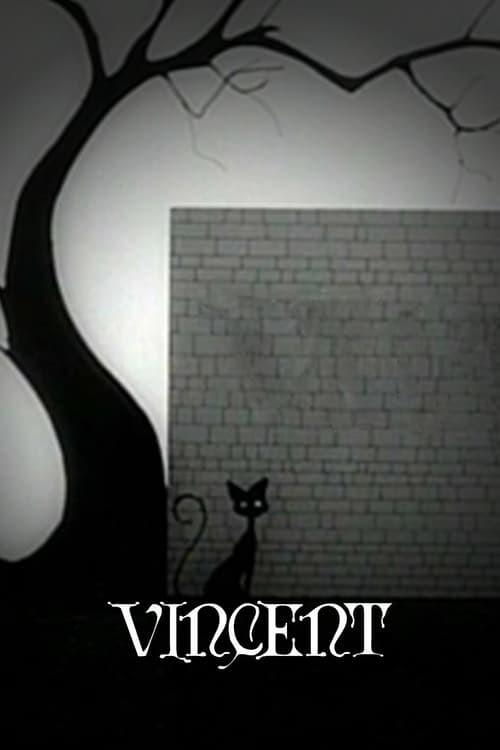
In the early 1980s, Walt Disney Productions was effectively a giant, confused cruise ship trying to avoid an iceberg made of its own outdated traditions. While the studio was busy trying to figure out if it was "cool" enough for Tron, a pale, wild-haired animator was tucked away in a corner office, essentially using Mickey’s lunch money to fund a beautiful, black-and-white fever dream about a boy who wants to be a dead movie star. That animator was Tim Burton, and the result was Vincent, a six-minute masterpiece that serves as the "patient zero" for every stripey-sock-wearing, misunderstood goth kid of the last forty years.
I watched this most recently on a laptop with a cracked screen while eating a bag of slightly stale pretzel sticks, and honestly, the jagged visual of the broken glass actually enhanced the German Expressionist aesthetic. It’s a film that demands a certain level of tactile grime.
The Boy Who Would Be Price
The plot is as lean as a skeleton: Vincent Malloy is a seven-year-old boy who plays with his dog, does his homework, and respects his elders. But in his head, he is Vincent Price. He doesn’t just admire the actor; he inhabits the persona, transforming his suburban bedroom into a laboratory of macabre experiments and Edgar Allan Poe-inspired gloom.
This isn't just a cute "kid with an imagination" story. It’s a genuine drama of the psyche. Tim Burton captures that specific childhood frustration of being trapped in a "normal" world when your internal life is a swirling vortex of shadows and tragic poetry. When Vincent’s mother tells him to go outside and play, it feels less like a parental suggestion and more like an act of spiritual lobotomy. Disney basically paid for a kid to have a televised nervous breakdown, and for that, we should be eternally grateful.
The Voice of the Ghost
The absolute coup of this production was landing Vincent Price himself to provide the narration. At the time, Price was a legend in the twilight of his career, a man whose voice carried the weight of a thousand creaky floorboards. Hearing him recite Tim Burton’s Seussian-but-sinister rhyming couplets is a religious experience for any horror fan.
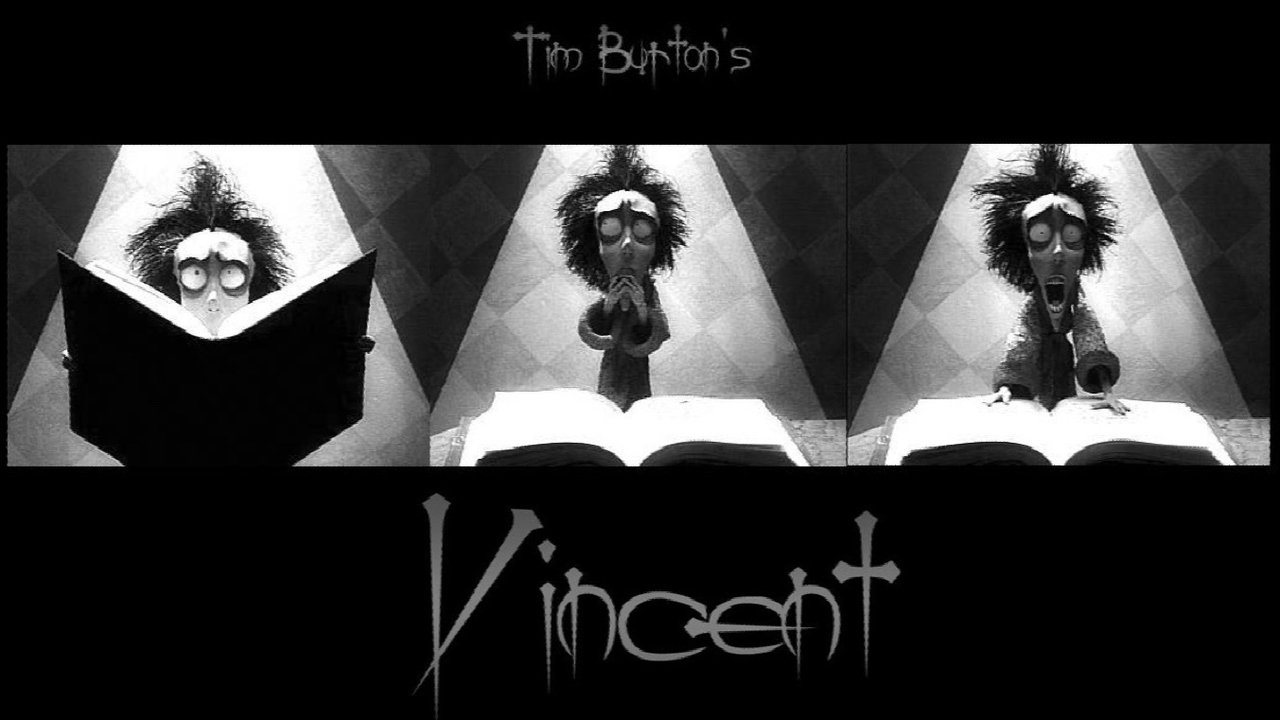
There is a profound, meta-layer to the drama here. You have the actual icon of horror validating the imagination of a young filmmaker who would go on to keep that icon’s legacy alive. Price reportedly loved the film, calling it "the most gratifying thing that ever happened" to him. You can hear that affection in his delivery; he isn’t phoning it in for a cartoon. He treats the internal torment of young Vincent Malloy with the same gravity he gave to The Abominable Dr. Phibes.
Shadows and Sculptures
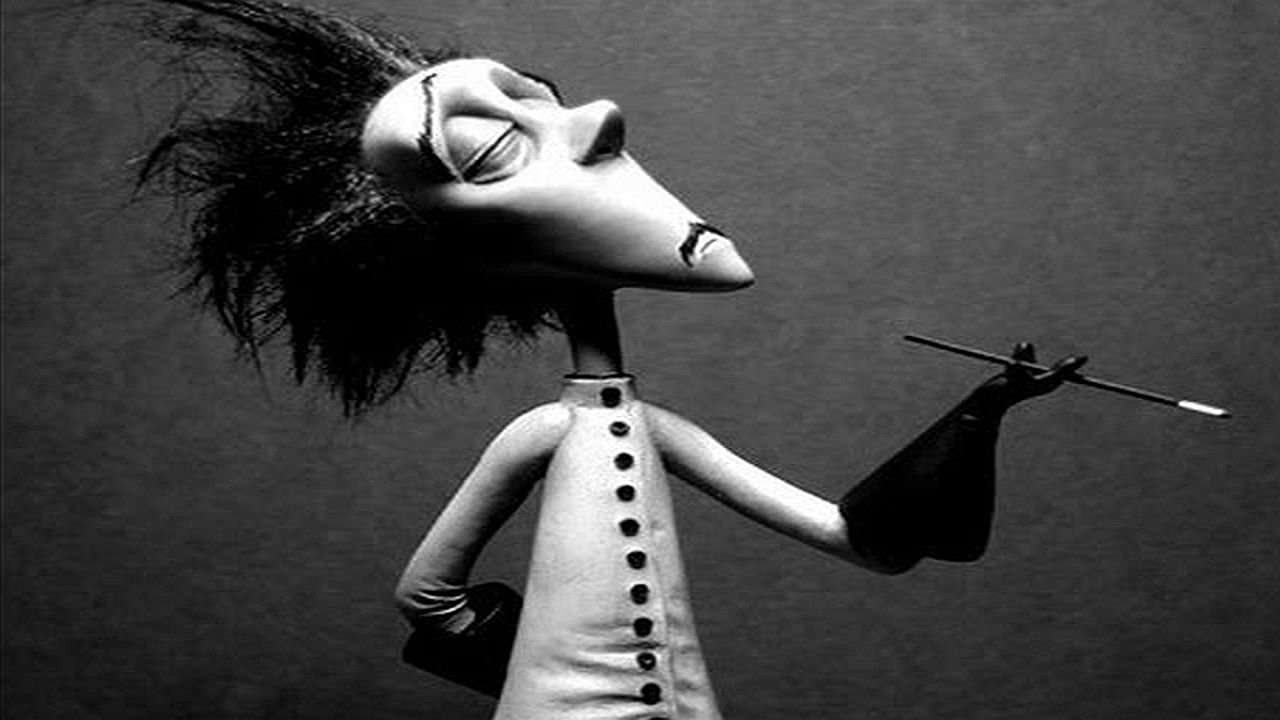
Visually, Vincent is a revelation of practical craft. This was the era where "practical effects" weren't a buzzword; they were the only option. Rick Heinrichs, who has been Burton’s secret weapon for decades (and worked on everything from Beetlejuice to Sleepy Hollow), sculpted the sets and characters with a sharp, angular defiance of physics.
The cinematography by Victor Abdalov is a love letter to 1920s silent cinema. The shadows aren't just lack of light; they are physical presences on the screen, stretching out like fingers to grab the protagonist. The stop-motion animation gives the world a nervous, tactile energy that CGI simply cannot replicate. Every frame feels like it was scratched out of a piece of charcoal. It’s a reminder that you don't need a hundred million dollars to build a world; you just need a bucket of clay and a very dark mind.
The Hidden Tape Tradition
For a long time, Vincent was a bit of a ghost in the machine. It didn't have a wide theatrical release—it played for two weeks in one Los Angeles theater before being shelved. It became a "holy grail" for collectors in the VHS era. I remember first discovering it as a grainy "hidden" extra at the end of a Nightmare Before Christmas tape. It felt like finding a forbidden transmission.
In the ecosystem of the 1980s home video revolution, shorts like this lived or died by word-of-mouth. It was the kind of thing you’d see at a midnight screening or on a worn-out bootleg compilation of "experimental animation" traded in the back of a comic shop. That obscurity is part of its charm; it’s a personal secret shared between the director and anyone who has ever felt like they didn't quite belong in the sunlight.
Vincent is the rare film that says more in six minutes than most feature-length dramas manage in two hours. It’s a profound look at the sanctuary of the dark imagination and a perfect introduction to the DNA of one of cinema’s most distinct auteurs. It treats the eccentricities of childhood not as a phase to be grown out of, but as a core identity to be protected. If you have five minutes to spare before your bus arrives, spend them in Vincent Malloy’s room. Just don't mind the zombie dog.
Keep Exploring...
-
Nausicaä of the Valley of the Wind
1984
-
Castle in the Sky
1986
-
Corpse Bride
2005
-
Mickey's Christmas Carol
1983
-
The Secret of NIMH
1982
-
My Neighbor Totoro
1988
-

Bedknobs and Broomsticks
1971
-
Nothing Left to Do But Cry
1984
-
Beetlejuice
1988
-
Batman
1989
-
Kiki's Delivery Service
1989
-
Justice League: The Flashpoint Paradox
2013
-
The Sword in the Stone
1963
-

Fantastic Planet
1973
-
Wings of Desire
1987
-
Big Fish
2003
-
Bao
2018
-

How to Train Your Dragon: Homecoming
2019
-
Justice League Dark: Apokolips War
2020
-

Mortal Kombat Legends: Scorpion's Revenge
2020