A Christmas Story
"Pink bunnies, frozen tongues, and a Red Ryder dream."
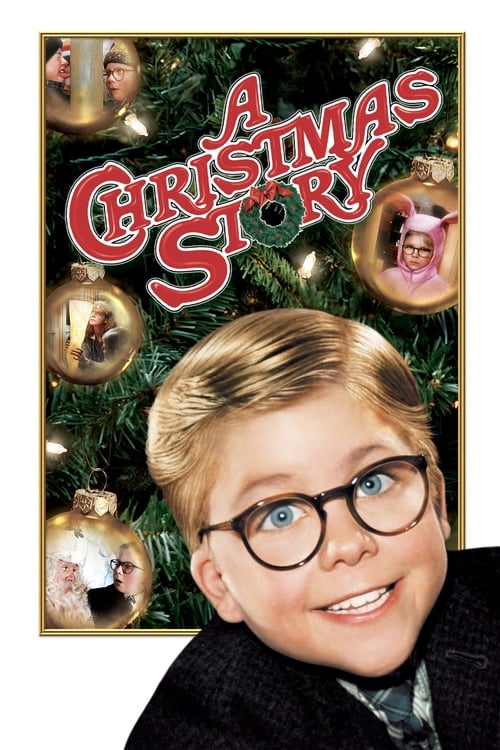
If you looked at the resume of director Bob Clark in 1982, you’d have assumed his next project would involve either a masked killer or a group of horny teenagers. This is the man who gave us the chilling Black Christmas (1974) and the raunchy, low-brow juggernaut Porky’s (1981). So, when he decided to funnel his Porky’s capital into a nostalgic, low-budget mid-century period piece about a kid wanting a BB gun, MGM basically patted him on the head and looked the other way.
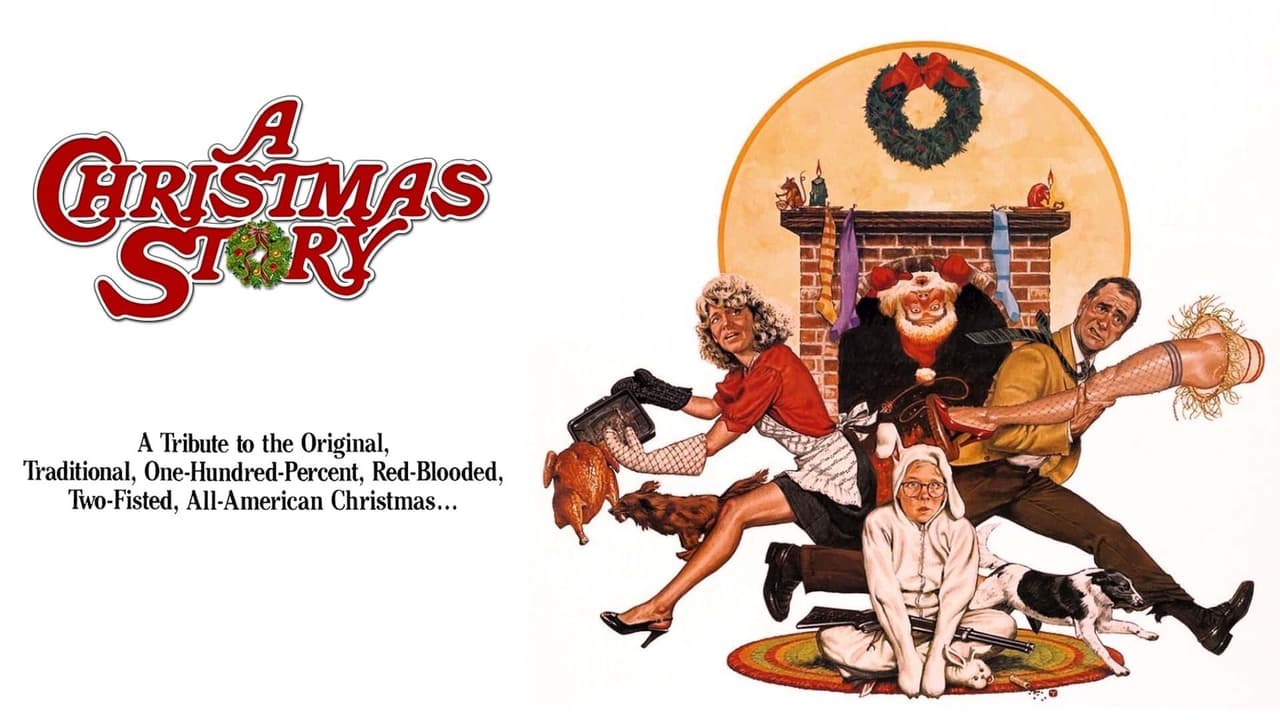
I watched this most recently on a Tuesday night while eating a bowl of lukewarm SpaghettiOs, and I realized that the film’s greatest strength isn't its "wholesomeness"—it’s how delightfully mean it is. Unlike the sanitized holiday specials of the era, A Christmas Story understands that childhood is a series of escalating humiliations, bureaucratic nightmares, and the constant threat of "Soap Poisoning."
The $3 Million Gamble on Nostalgia
Despite its status as a seasonal titan today, this was a scrappy independent production at heart. Clark spent nearly a decade trying to get the film made after hearing Jean Shepherd’s radio monologues while driving in Florida. MGM eventually agreed to distribute it, but they clearly didn't know what they had. They released it in November 1983, and by the time Christmas actually rolled around, most theaters had already pulled it to make room for Scarface or Christine.
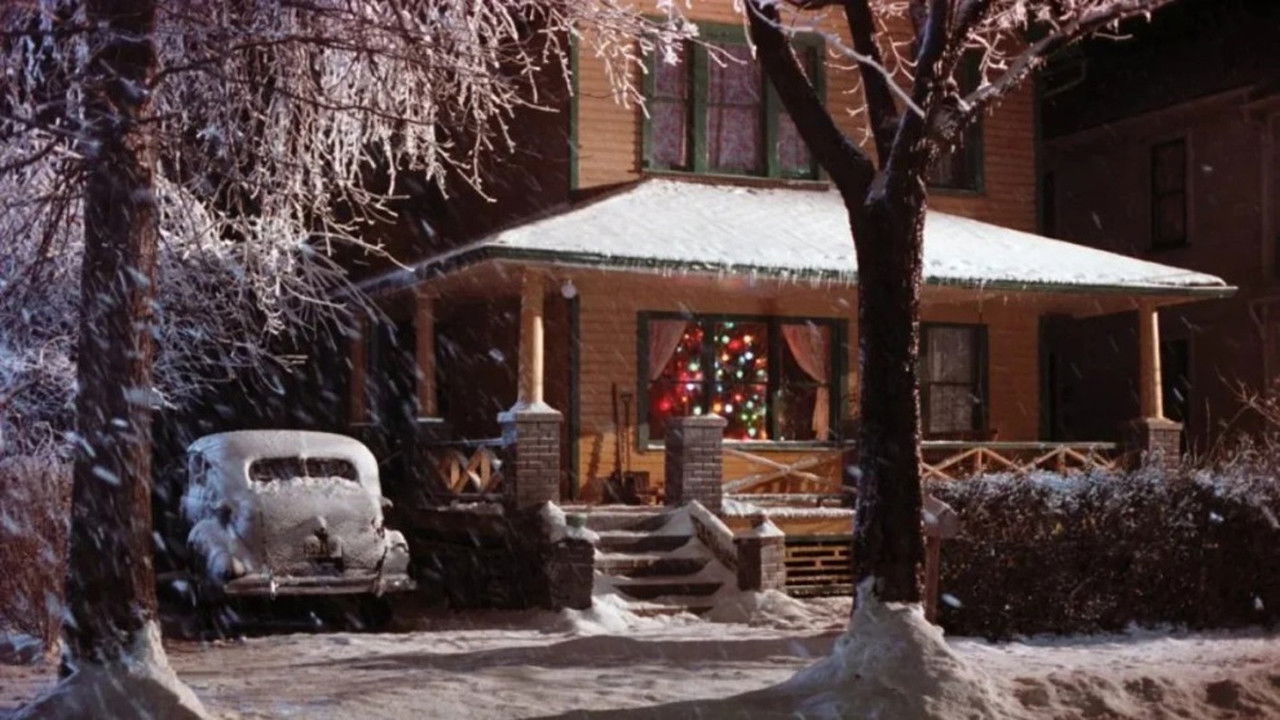
The budget was a lean $3.3 million—roughly the catering budget for a Spielberg flick at the time. To save money, they filmed the exterior street scenes in Cleveland (shoutout to Higbee’s department store) and the interiors in Toronto. You can feel that lean budget in the best way possible. There’s a grainy, lived-in texture to the Parker household that feels authentic to the 1940s setting without looking like a pristine museum. The Old Man’s "major award" is the only piece of home decor that actually matters, and the way the film treats that hideous leg lamp with the reverence of a holy relic is comedic gold.
Practical Magic and Frozen Tongues
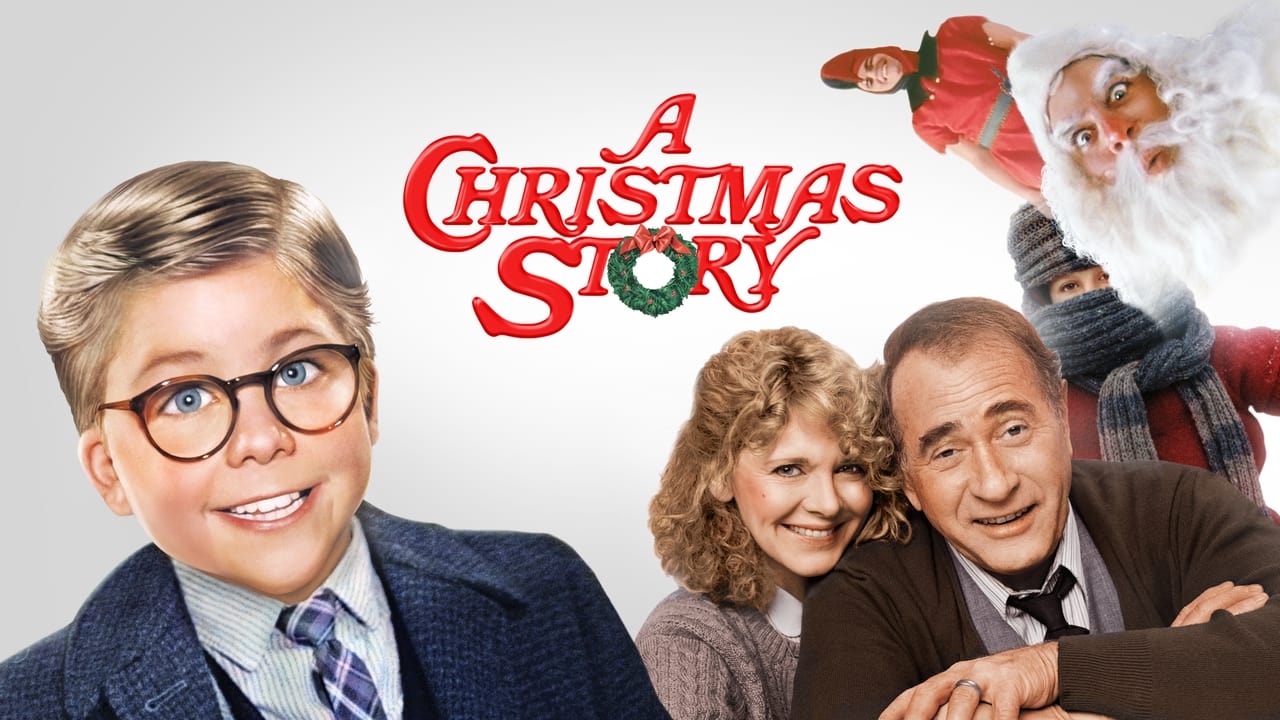
In an era before CGI could solve every visual gag, the production had to get creative. Take the "triple dog dare" scene where Flick (Scott Schwartz) gets his tongue stuck to the school flagpole. To achieve the effect without actually mutilating a child actor, the crew used a hidden suction tube inside the pole to create the illusion of a frozen bond. It’s a simple, tactile solution that looks infinitely more painful than anything a digital artist could cook up today.
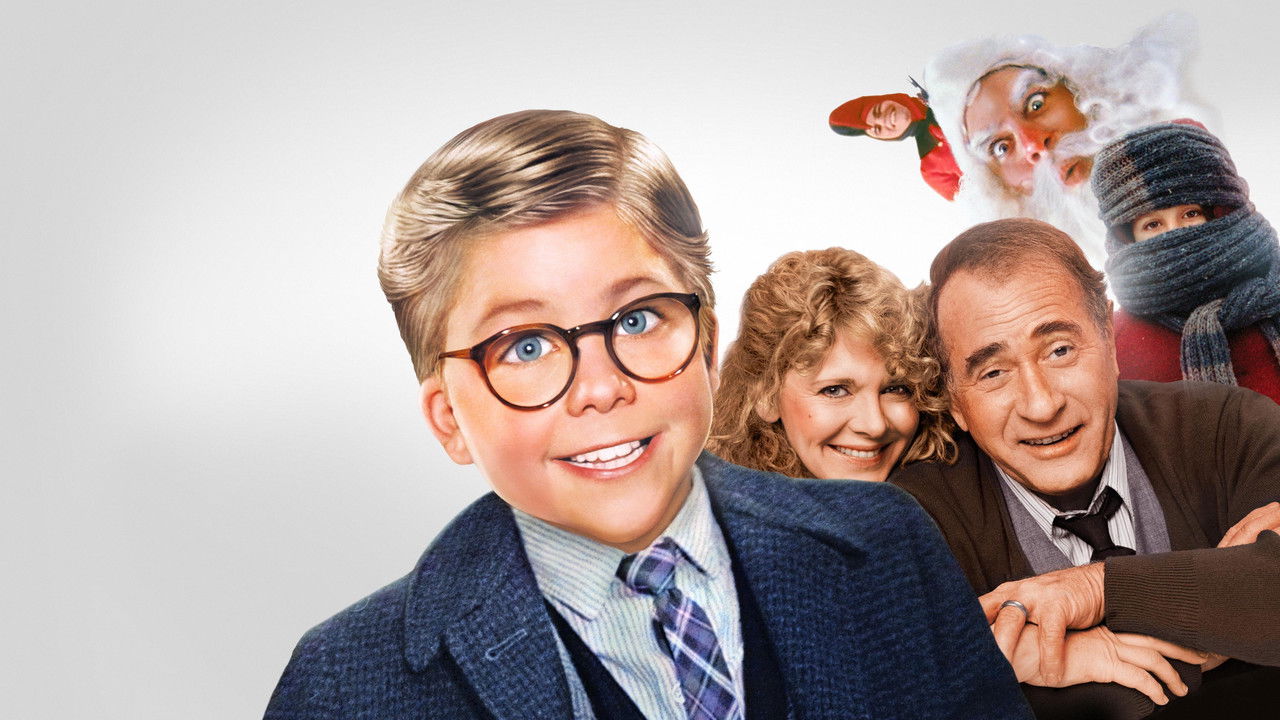
Then there’s the performance of Darren McGavin as the Old Man. He wasn't the first choice—Jack Nicholson was reportedly interested—but Nicholson’s salary would have doubled the film’s budget. It was a blessing in disguise. McGavin’s performance is a masterpiece of frustrated mid-western energy. His "profanity," which sounds like a blender full of marbles and gravel, was mostly improvised gibberish because the script couldn't include actual swears. His chemistry with Melinda Dillon provides the film’s secret weapon: a genuine, if slightly chaotic, parental warmth that grounds the slapstick.
Why the VCR Saved Christmas
If you saw this in a theater in 1983, you were in the minority. A Christmas Story is the ultimate poster child for the VHS revolution. Throughout the mid-to-late 80s, the film became a staple of video rental stores. It was the perfect "safe" rental that parents and kids could agree on, but it had enough edge to keep the adults from falling asleep.
By the time the late 90s rolled around and TBS started their "24 Hours of A Christmas Story" marathons, the film had transitioned from a box-office footnote to a cultural mandate. I remember the specific red-bordered Warner Home Video box on the shelf of my local rental place; it looked so unassuming next to the flashy covers of The Terminator or Ghostbusters, yet it was the tape that ended up being replaced most often because the spools simply wore out.
The humor here is surprisingly sophisticated. Jean Shepherd’s narration isn't just a framing device; it’s a cynical, adult commentary on the absurdity of being small and powerless. When Peter Billingsley’s Ralphie finally snaps and beats the living daylights out of the bully Scut Farkus, it’s not a "teachable moment"—it’s a raw, cathartic explosion of prepubescent rage. Ralphie is a low-key sociopath in the making, and that’s why we love him.
The film succeeds because it refuses to lie to children. It admits that Santa can be a jerk, that parents have weird power struggles over lamps, and that sometimes the turkey gets eaten by the neighbor’s dogs. It captures the frantic, consumerist desperation of childhood with more honesty than any other holiday film in history. It’s a miracle of independent vision and 80s distribution luck.
We watch it every year not because it’s perfect, but because it’s familiar in its messiness. It reminds me that even if you don't get the Red Ryder BB gun, or if you do and you almost shoot your eye out, the world keeps turning. Just make sure you drink your Ovaltine.
Keep Exploring...
-
Porky's
1981
-
How the Grinch Stole Christmas!
1966
-

Willy Wonka & the Chocolate Factory
1971
-
The Goonies
1985
-

An American Tail
1986
-

Short Circuit
1986
-
The Princess Bride
1987
-
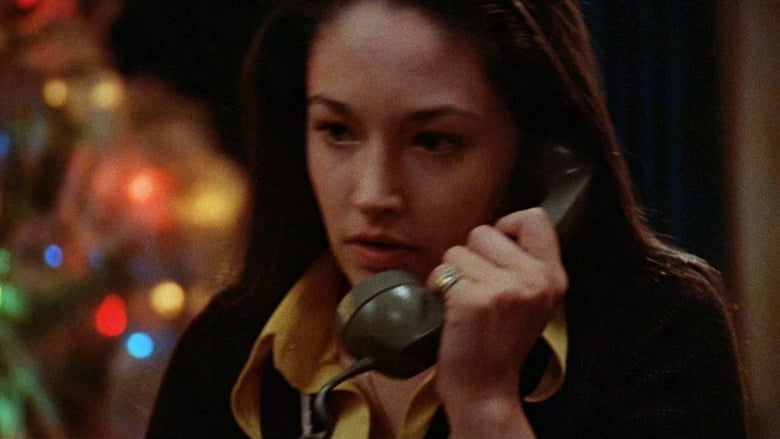
Black Christmas
1974
-
Police Academy
1984
-

This Is Spinal Tap
1984
-
After Hours
1985
-

Re-Animator
1985
-
Critters
1986
-
Bad Taste
1987
-
Evil Dead II
1987
-
Killer Klowns from Outer Space
1988
-
One Hundred and One Dalmatians
1961
-

Mary Poppins
1964
-
The Aristocats
1970
-
Time Bandits
1981