Christine
"She’s got a body to die for."
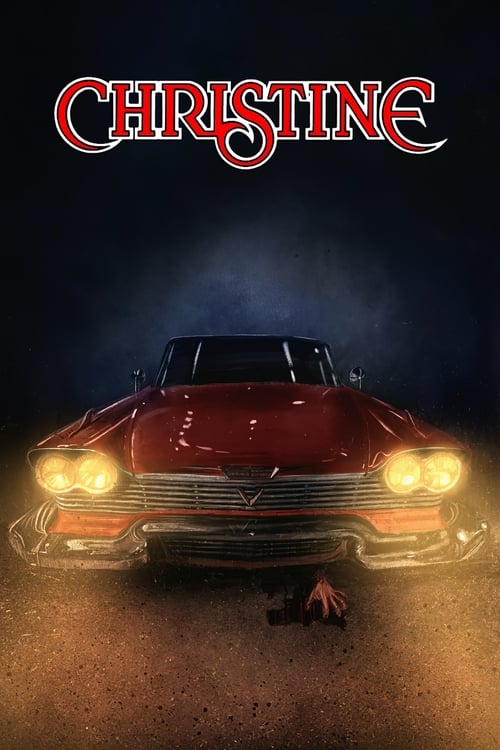
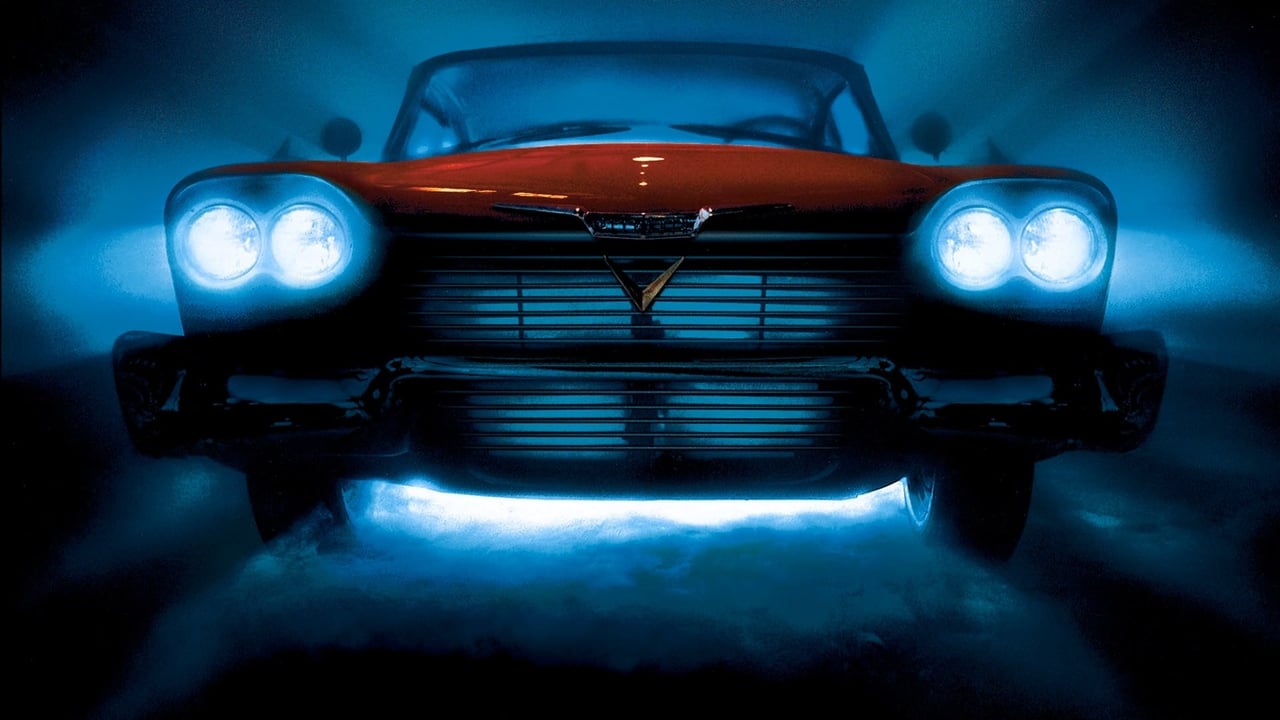
The 1958 Plymouth Fury didn’t just roll off the assembly line in Detroit; it was born with a grudge. The opening frames of John Carpenter’s Christine establish this immediately, showing a pristine, cherry-red coupe literally crushing the hand of a worker who dares to drop cigar ash on her upholstery. It’s a wordless, effective prologue that tells us everything we need to know: this car is possessive, homicidal, and has remarkably high standards for interior cleanliness.
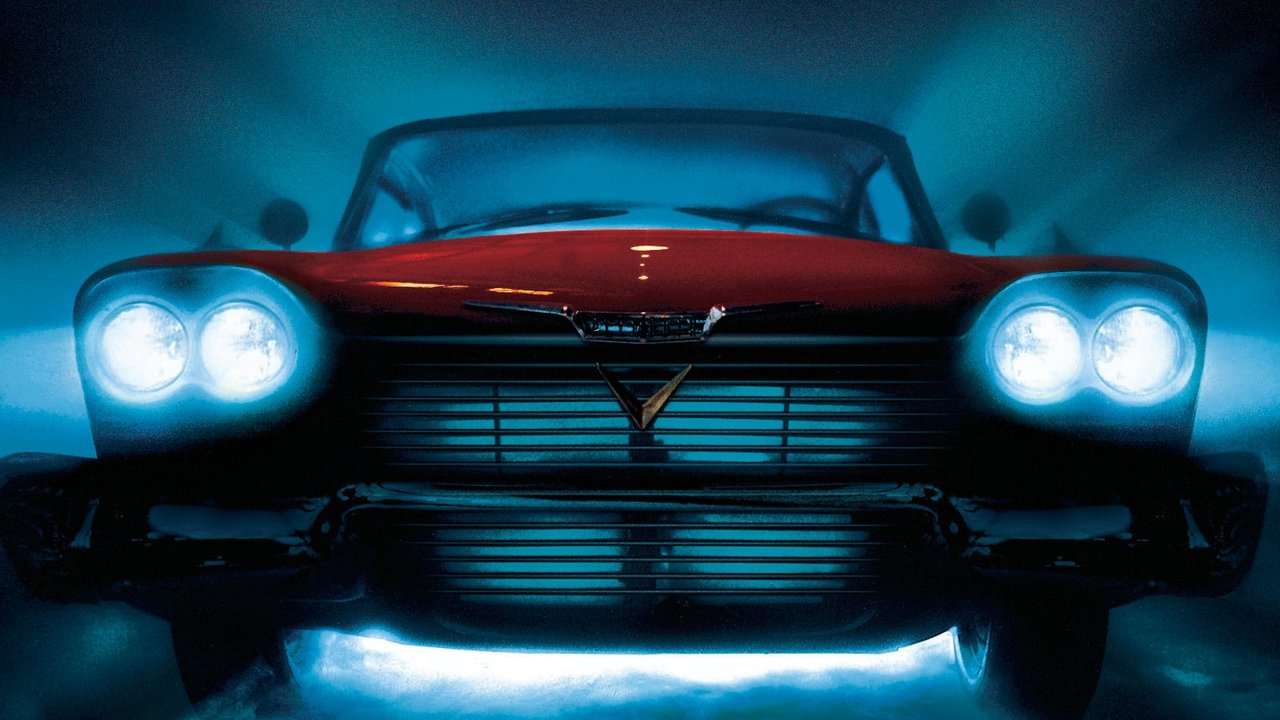
By 1983, Stephen King was the undisputed king of the paperback rack, and John Carpenter was looking for a win after the undeserved commercial failure of The Thing. Christine might have started as a "director-for-hire" gig for Carpenter, but he infused it with a slick, mean-spirited coolness that elevated it far above the typical "killer object" B-movie. I watched this most recent screening while nursing a lukewarm mug of peppermint tea that had a single, stubborn leaf floating in it, and even that minor domestic annoyance couldn't distract me from the film's hypnotic, rhythmic pacing.
The Ultimate Toxic Relationship
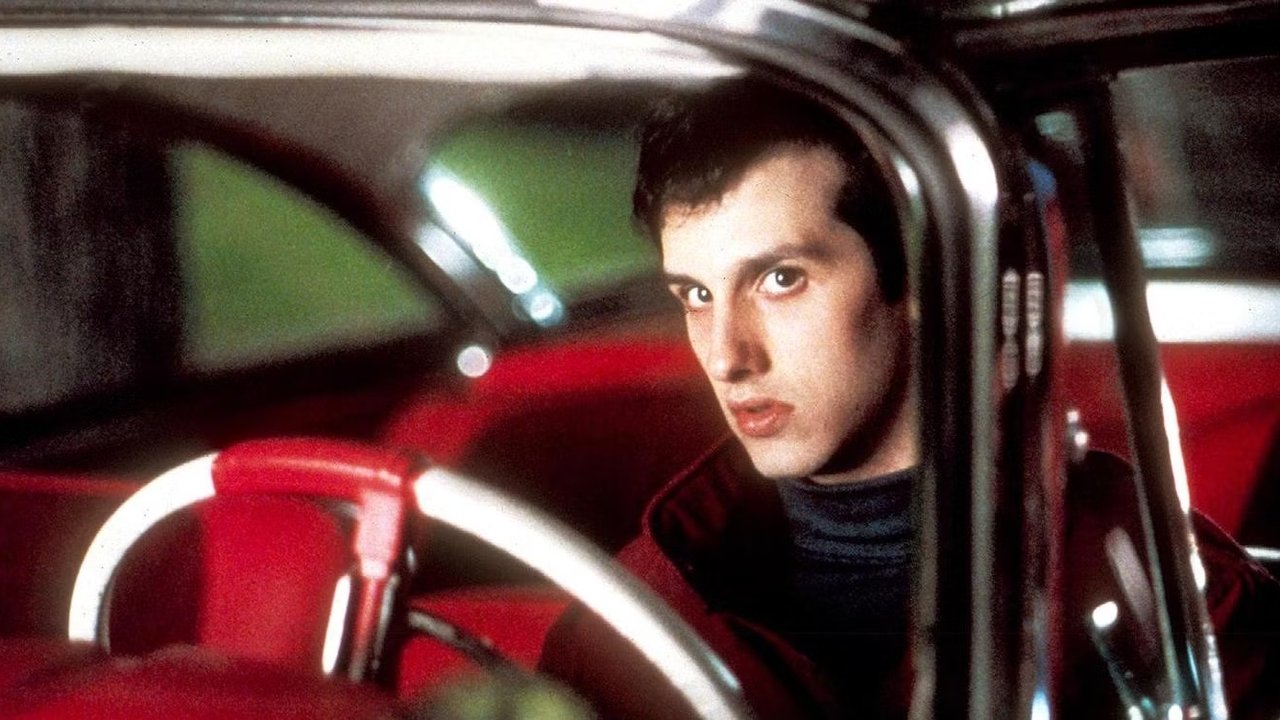
At its heart, Christine isn't really about a haunted car; it’s a dark coming-of-age story about a boy and his first toxic obsession. Keith Gordon is spectacular as Arnie Cunningham, the quintessential 80s nerd. When we first meet him, he’s a stuttering mess in thick glasses, dominated by overbearing parents and bullied by a pompadoured hoodlum named Buddy Repperton. Then he sees her—a rusted, rotting hunk of metal sitting in a field.
As Arnie restores the car, the car restores Arnie. It’s a symbiotic transformation that remains one of the most effective in 80s cinema. The glasses disappear, the posture straightens, and Arnie begins to adopt a 1950s greaser persona that feels increasingly alien to his best friend, the high school football star Dennis (played with a grounded, likable charm by John Stockwell). Keith Gordon sells the descent into madness perfectly; he doesn't just become "cool," he becomes a sneering, arrogant prick who seems like he’s being possessed by a leather-jacket-wearing ghost.
The supporting cast adds a layer of grit that keeps the supernatural elements feeling heavy. Robert Prosky is delightfully foul-mouthed as Will Darnell, the owner of the DIY garage where Arnie keeps the car, and the legendary Harry Dean Stanton pops in as a detective who mostly exists to smoke cigarettes and look suspiciously at Arnie’s lack of odometer miles.
Practical Magic and Hydraulic Homicide
In the era of modern CGI, where a car flip is just a series of ones and zeros, Christine stands as a monument to the golden age of practical effects. The "regeneration" scenes—where the car heals itself after being smashed—are still bafflingly impressive. To achieve the effect of the car’s metal bending back into place, the effects team built "plastic" versions of the car panels with hydraulic cables attached to the back. They would pull the cables to crumple the car, then film it and play the footage in reverse. It’s simple, tactile, and vastly more unsettling than anything rendered on a computer screen.
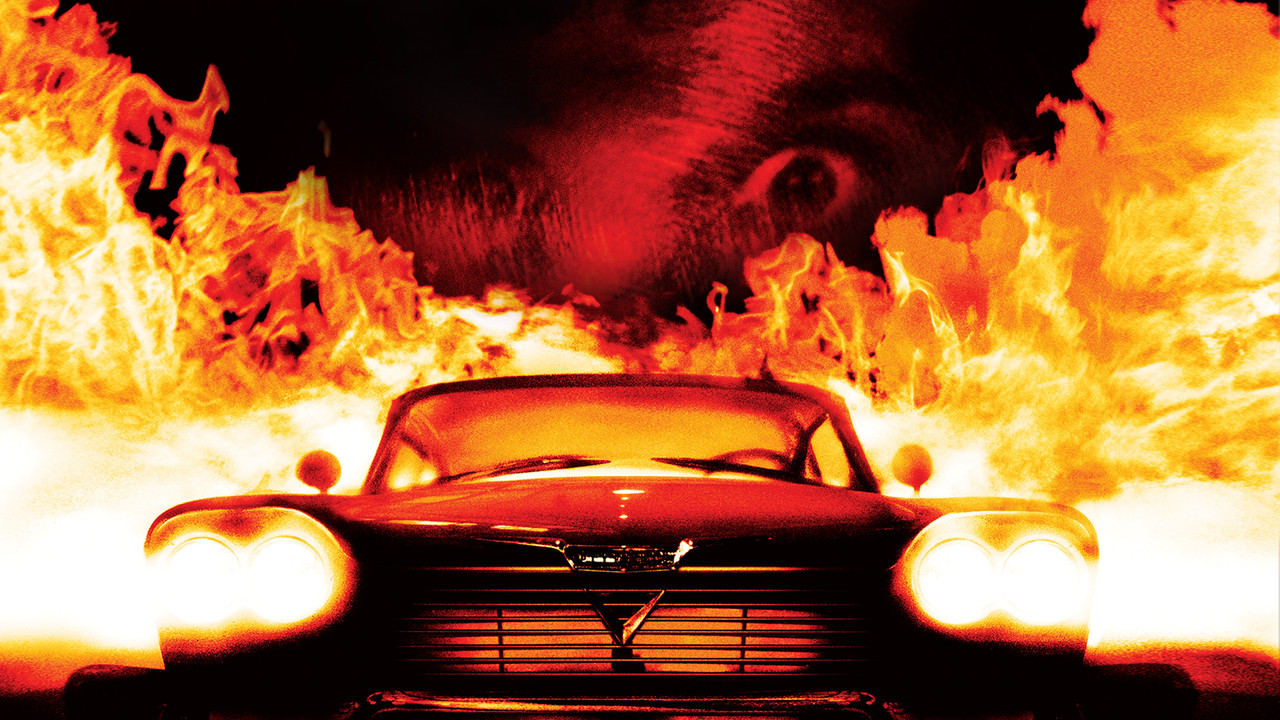
The stunts are equally harrowing. There is a sequence where a flaming Christine chases a bully down a dark highway, the car transformed into a literal chariot of fire. Because there were no digital touch-ups, they actually set a car on fire and had a stunt driver (wearing a fire suit and breathing apparatus) floor it down the road. It gives the film a weight and a danger that you can feel in your teeth.
Actually, the production went through about 23 to 28 different cars to finish the film. Most of them weren't even Furies; the crew scoured the country for Plymouth Savoys and Belvederes, painting them all that signature "Autumn Mist" red. It’s a testament to the film’s cult status that finding a 1958 Plymouth today is nearly impossible because Carpenter’s team destroyed most of the remaining stock.
A Cult Built in the Rental Aisles
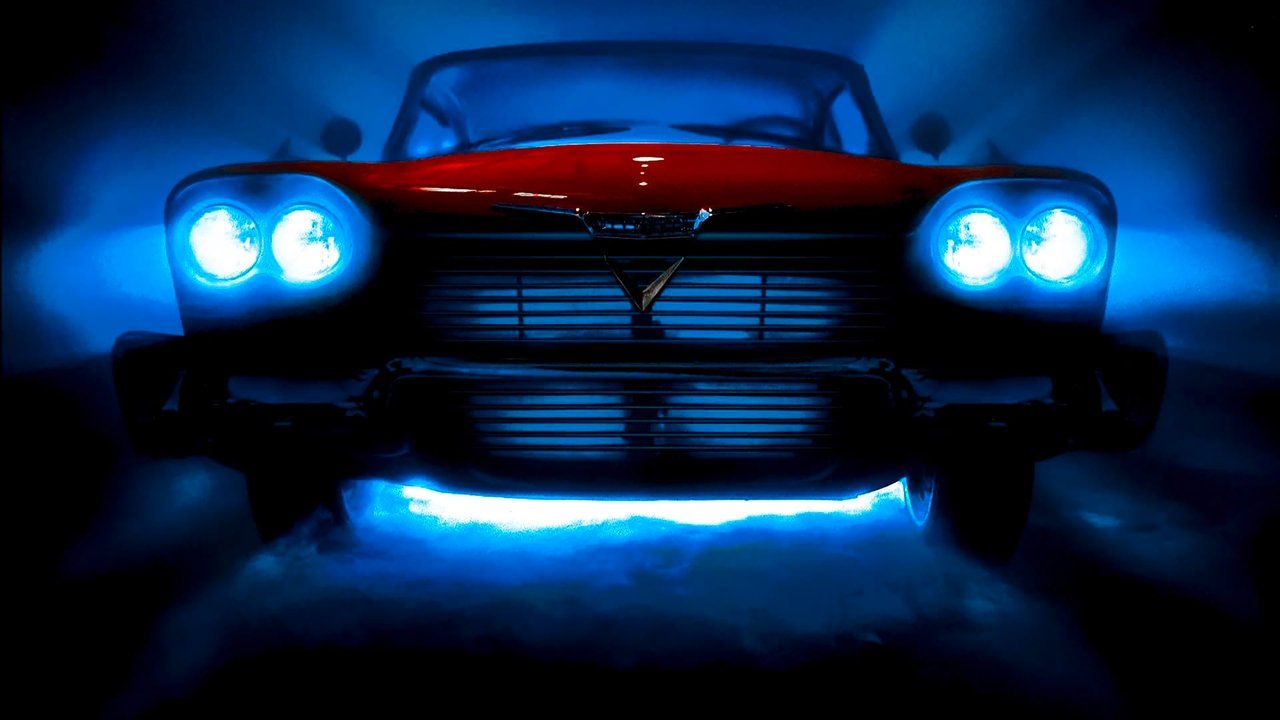
While Christine was a modest success in theaters, it truly found its life on the shelves of neighborhood video stores. I remember the VHS box art vividly—the glowing green headlights and the ominous red grill. It was a staple of Friday night rentals because it bridged the gap between a gearhead movie and a slasher flick. On a grainy CRT television, Carpenter’s signature synth score (composed with Alan Howarth) felt even more oppressive, that low, rhythmic thrumming sounding like the idling of a massive engine in your living room.
The film also serves as a time capsule for that specific 80s-does-50s nostalgia. The soundtrack is peppered with classic rock ‘n’ roll—"Bad to the Bone," "Little Bitty Pretty One," "Pledging My Love"—but the songs are used ironically, or worse, as a way for the car to communicate its murderous intentions. When the radio turns itself on, you know someone is about to have a very bad night.
Christine succeeds because it treats its premise with total sincerity. John Carpenter doesn't wink at the camera or treat the idea of a jealous car as a joke. He films the Plymouth with the same reverent, wide-angle cinematography he used for Michael Myers in Halloween, turning a piece of Americana into a silent, relentless predator. It’s a sleek, mean, and incredibly well-crafted piece of 80s horror that reminds us why we should always check the Carfax. If you've never taken this Fury for a spin, it’s time to get behind the wheel.
Keep Exploring...
-

Escape from New York
1981
-

The Thing
1982
-

Halloween
1978
-
The Fog
1980
-
Prince of Darkness
1987
-
Big Trouble in Little China
1986
-
An American Werewolf in London
1981
-
Starman
1984
-

The Fly
1986
-
The Lost Boys
1987
-
Child's Play
1988
-

Halloween 4: The Return of Michael Myers
1988
-

Videodrome
1983
-
Return
1985
-

The Return of the Living Dead
1985
-
They Live
1988
-
Pet Sematary
1989
-
Assault on Precinct 13
1976
-
The Omen
1976
-
Jaws 2
1978