Cujo
"Man’s best friend becomes his worst nightmare."
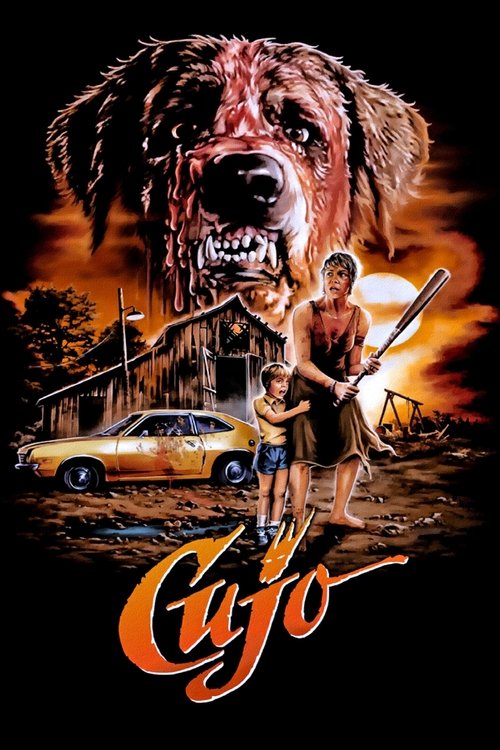
There is a specific, suffocating brand of dread that only a Maine summer can produce, at least in the mind of Stephen King. It’s that humid, fly-blown stillness where the air feels like wet wool and the only sound is the rhythmic tink-tink-tink of a dying car engine. I watched this most recent re-watch while my neighbor was mowing their lawn for three hours straight, and the repetitive, distant drone of that engine felt like it was syncing up perfectly with the failing starter of Donna Trenton’s Ford Pinto. It added a layer of suburban anxiety that honestly made the whole thing hit twice as hard.
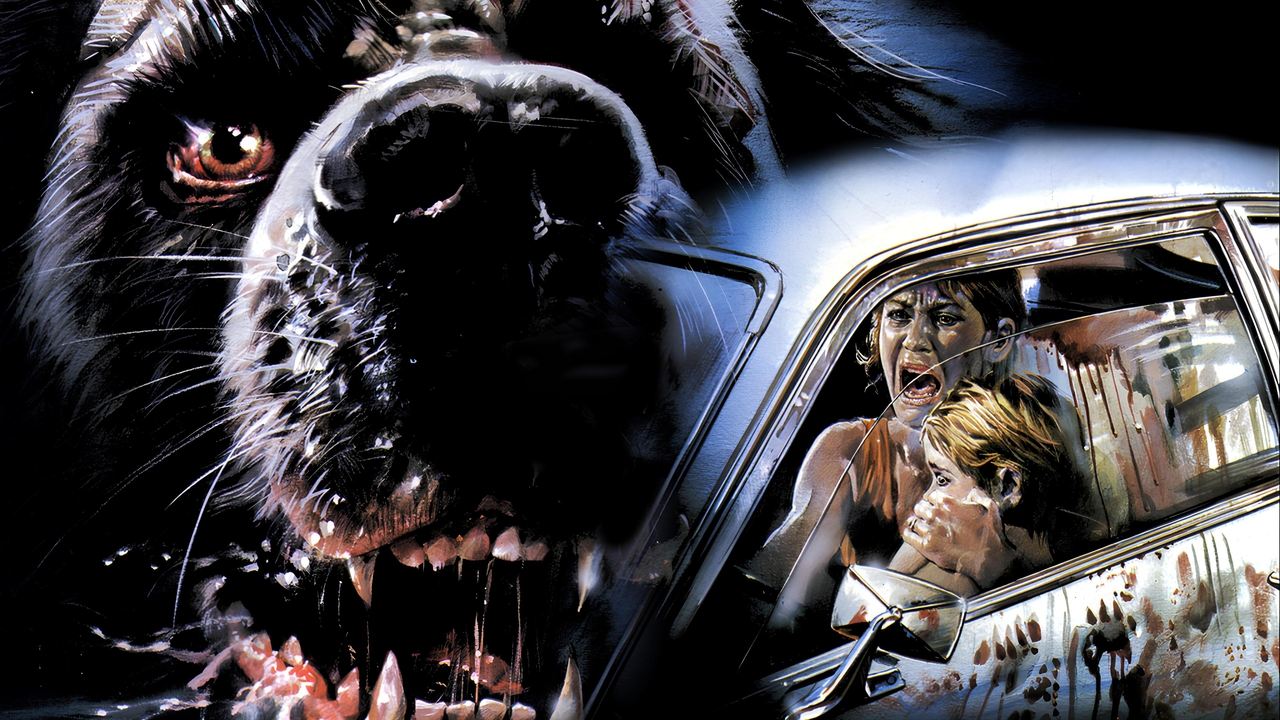
The Goodest Boy Gone Very, Very Bad
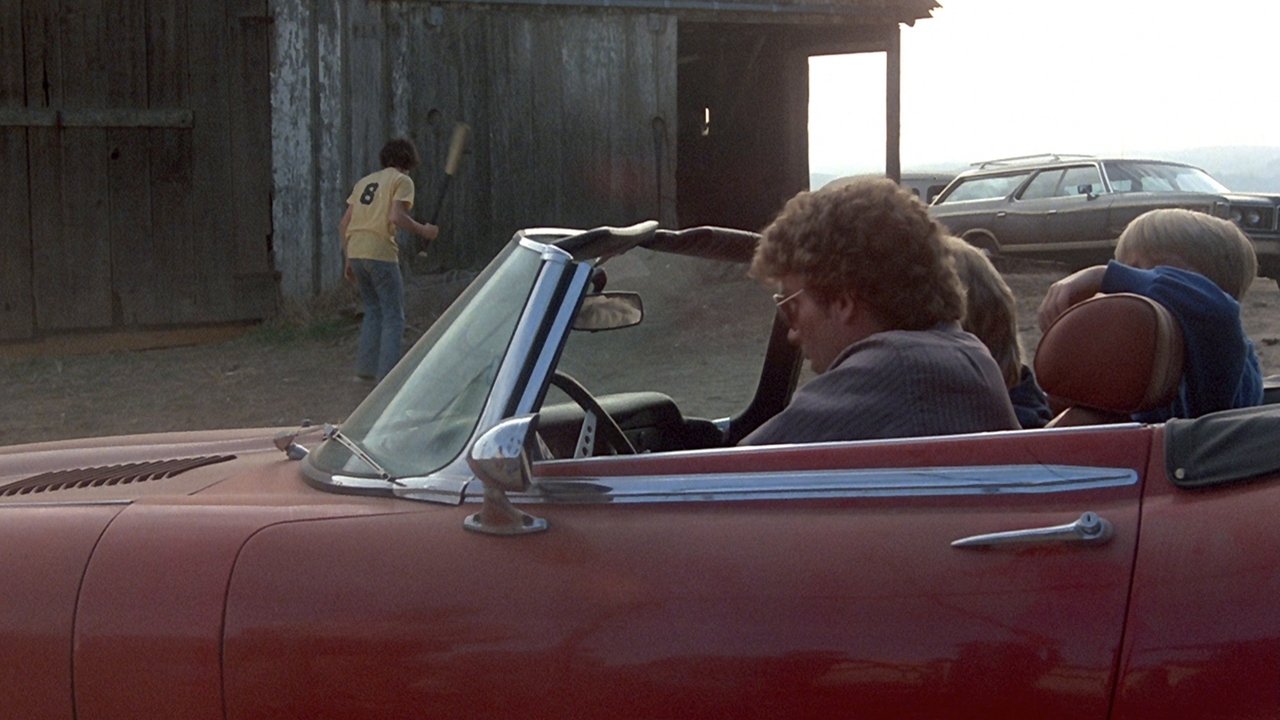
Most horror fans know the legend of Cujo—the 200-pound St. Bernard who gets bitten by a bat and proceeds to lay siege to a broken-down car—but seeing it again through a modern lens, I’m struck by how patient it is. Director Lewis Teague (who gave us the underrated Alligator) doesn't just jump into the carnage. He lets us sit with the misery of the Trenton family first. Dee Wallace is an absolute powerhouse as Donna, a woman grappling with an affair and a crumbling marriage, while a very young Danny Pintauro (long before his Who’s the Boss? days) plays her son, Tad.
The first forty minutes are essentially a domestic drama that just happens to have a rabid dog lurking in the periphery. It’s a bold choice, and while some might find it slow, I think it’s essential. By the time Donna and Tad are trapped in that yellow Pinto, you aren't just rooting for them to survive a dog; you’re rooting for them to survive the collapse of their entire world. Cujo isn't just a monster; he’s the physical manifestation of everything that’s gone wrong in their lives.
Practical Paws and Foam Suits
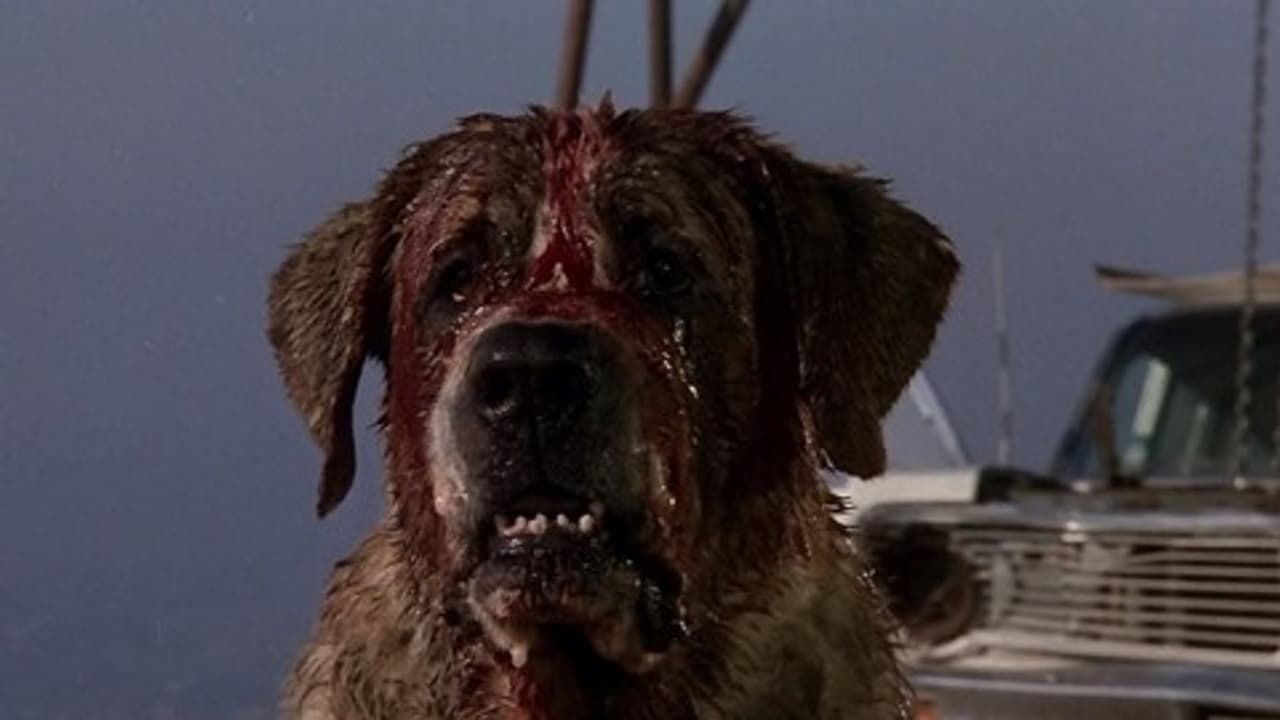
We have to talk about the dog. In an era where a digital creature would be lazily pasted into the frame today, the practical effects here are nothing short of miraculous. Animal trainer Karl Miller used several different St. Bernards to pull off Cujo’s "performance," and the result is terrifying because it’s tangible. You can see the matted fur, the thick ribbons of "rabies" foam (actually a mix of egg whites and sugar that the dogs kept licking off), and that wild, pained look in the animal's eyes.
When the real dogs weren't behaving or the stunts were too dangerous, they used a man in a dog suit—stuntman Gary Morgan—and a sophisticated animatronic head. It’s nearly impossible to tell where the real dog ends and the puppetry begins. There’s a weight to the attacks; when Cujo slams against the car door, the metal actually buckles. It’s a reminder of why the early 80s were the golden age of practical horror. The dog feels heavy, hot, and dangerously real. I’ll take a guy in a fuzzy suit covered in Karo syrup over a CGI wolf any day of the week.
The de Bont Spin
One of the secret weapons of Cujo is the cinematography by Jan de Bont. Before he was directing Speed or Twister, he was finding ways to make a tiny, cramped car look like a cinematic battlefield. There is a legendary 360-degree tracking shot inside the Pinto that circles Donna and Tad as they scream, perfectly capturing the frantic, airless panic of their situation. It’s a technical marvel that keeps the tension from becoming static.
The film also benefits from the bleakness of its era. This was the tail end of the New Hollywood grit, where movies weren't afraid to be mean. While the film famously changed the ending of King’s novel (which is arguably one of the most depressing conclusions in literary history), it still retains a jagged, exhausted edge. Dee Wallace reportedly had a physical and emotional breakdown during the filming of the climax because the intensity was so sustained. You can see it on her face; that isn't "movie" screaming. That’s the sound of a mother who has reached the absolute end of her rope.
Stuff You Didn't Notice
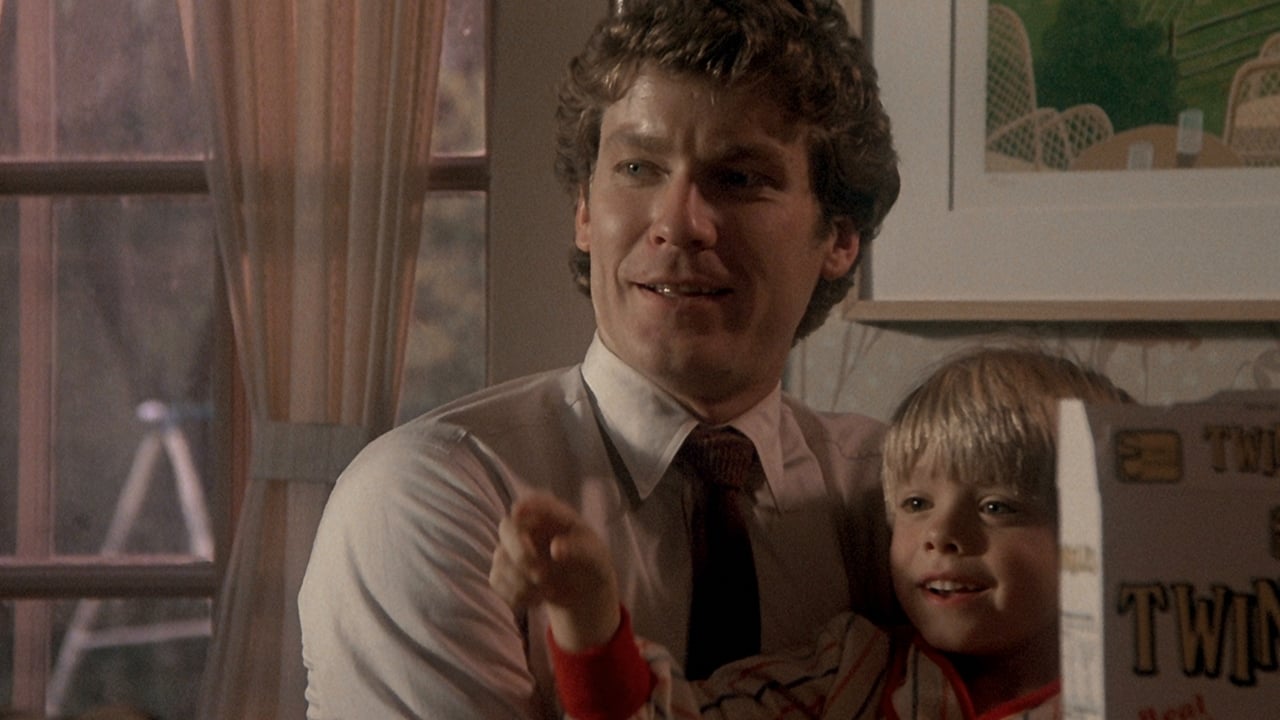
If you look closely at the scene where Cujo is attacking the car, you can sometimes spot the trainers’ hands just out of frame, tossing toys to get the dogs to jump. Also, Ed Lauter, playing the local mechanic Joe Camber, brings that perfect 80s "tough guy" energy that makes the rural Maine setting feel lived-in and slightly threatening even before the dog shows up.
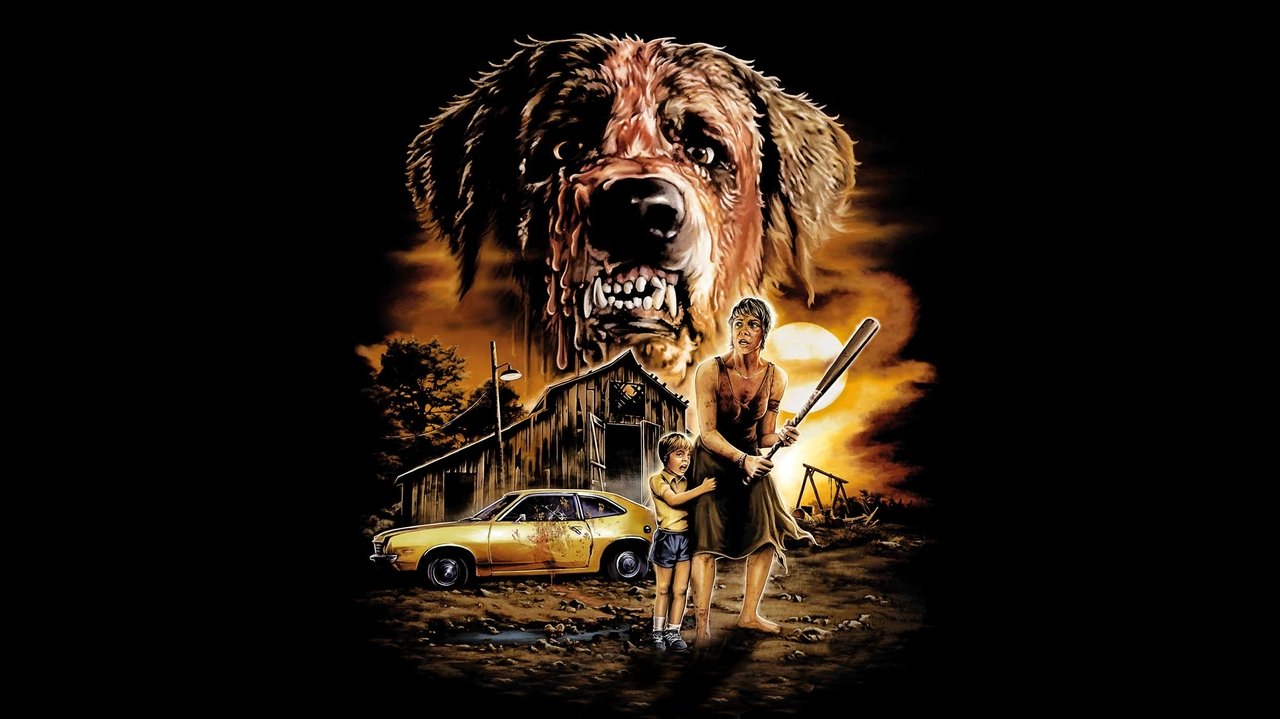
I remember seeing the Sunn Classic VHS box in the "Horror" section of my local rental shop as a kid—the one with the dog’s silhouette against the barn—and being too scared to even touch the plastic. Seeing it now, I realize the horror isn't just the jump scares; it’s the isolation. It’s the idea that you could be trapped in a driveway, twenty feet from safety, and still be a million miles away.
Cujo is a lean, mean, and surprisingly emotional survival thriller that earns its place in the Stephen King hall of fame. It manages to turn a lovable breed of dog into a creature of pure nightmare fuel without losing the tragedy of the situation—after all, Cujo didn't want to be a monster; he was just a "good boy" who got sick. If you can handle the high-pitched screaming of a young Danny Pintauro for forty minutes, you’re in for one of the most effective "single location" horror films of the 80s. Just maybe check your car’s alternator before you head out into the sticks.
Keep Exploring...
-
Dressed to Kill
1980
-
The Dead Zone
1983
-
The Hitcher
1986
-
A Nightmare on Elm Street 4: The Dream Master
1988
-
Friday the 13th Part 2
1981
-
Friday the 13th Part III
1982
-
Friday the 13th: The Final Chapter
1984
-
Friday the 13th Part VI: Jason Lives
1986
-
Manhunter
1986
-
Dead Ringers
1988
-
The Jewel of the Nile
1985
-

The 'Burbs
1989
-
Jaws 2
1978
-
Raw Deal
1986
-
The Lost Boys
1987
-

Halloween 4: The Return of Michael Myers
1988
-
The Howling
1981
-

Frenzy
1972
-

Halloween II
1981
-
Children of the Corn
1984