Flashdance
"Welder by day. Fire by night."
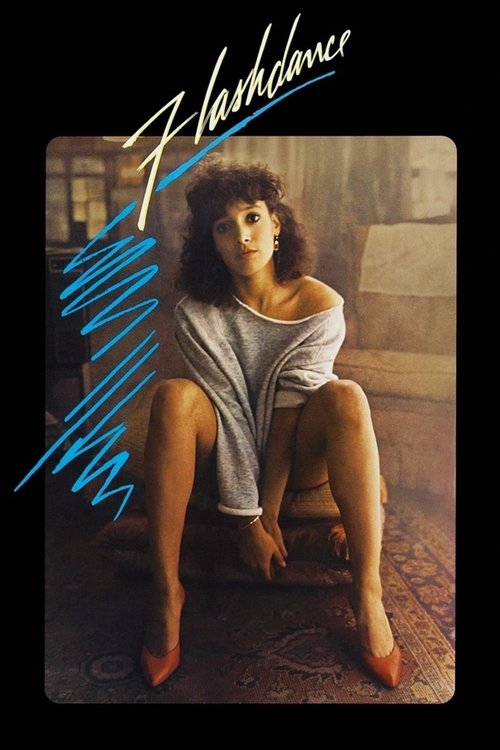
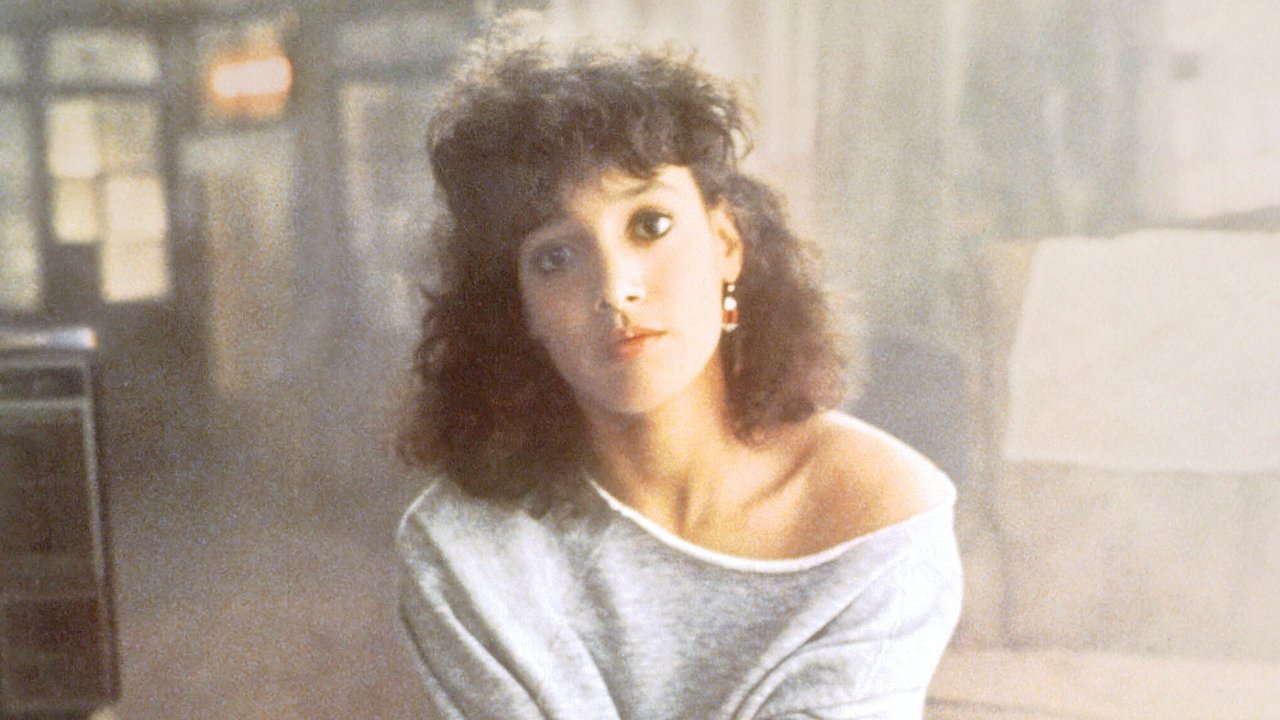
In 1983, the idea that a movie about a Pittsburgh steel-mill welder with a side-hustle in "exotic" cabaret could out-gross the competition and redefine the global fashion landscape seemed absurd. Yet, Jennifer Beals and her strategically torn sweatshirt basically rewrote the rules of the 1980s overnight. It wasn’t just a movie; it was a 95-minute high-concept experiment by producers Don Simpson and Jerry Bruckheimer, designed to see if you could turn a film into a series of interconnected music videos. The result was a box office supernova that left every teenager in America trying to cut the collars off their Hanes pullovers.
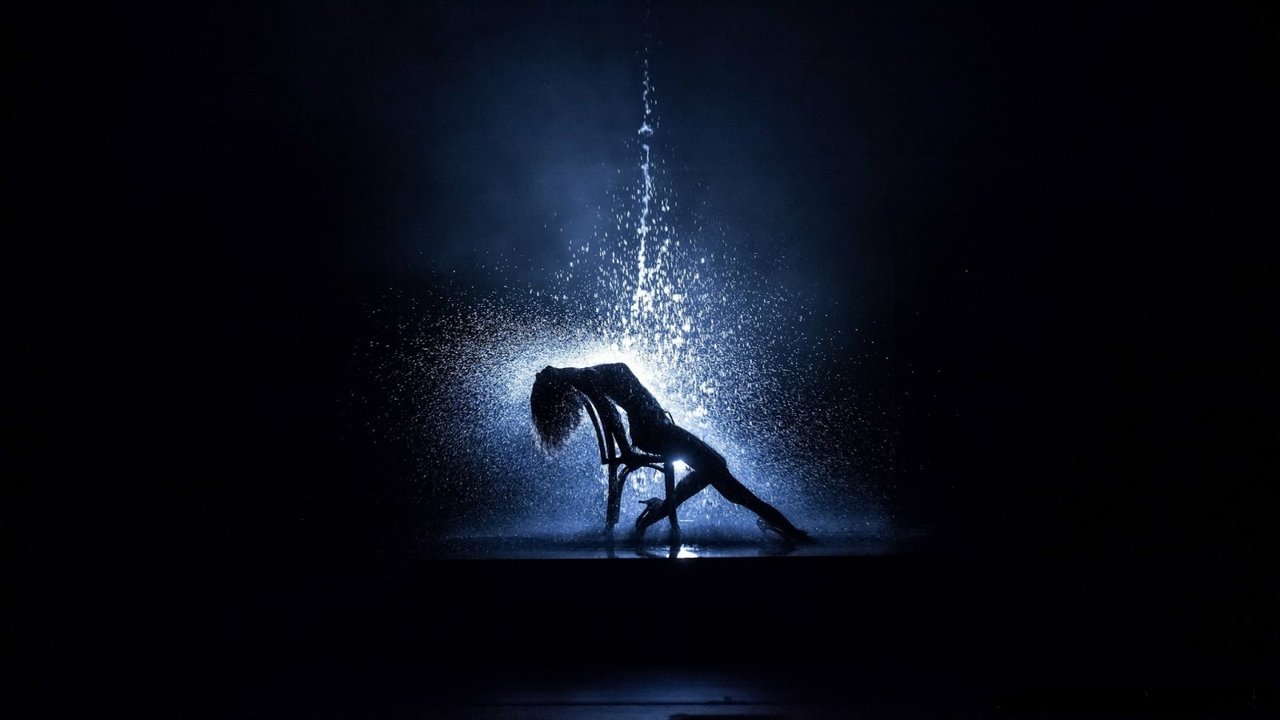
I recently rewatched this on a Sunday afternoon while my radiator was clanking so loud I had to turn the subtitles on, which made me realize something vital: the dialogue in Flashdance is almost entirely secondary to the rhythm. You don’t watch this movie for the "subtle" script by Joe Eszterhas; you watch it for the sweat, the backlighting, and the sheer, unadulterated 1980s drive.
The Gritty Gloss of Adrian Lyne
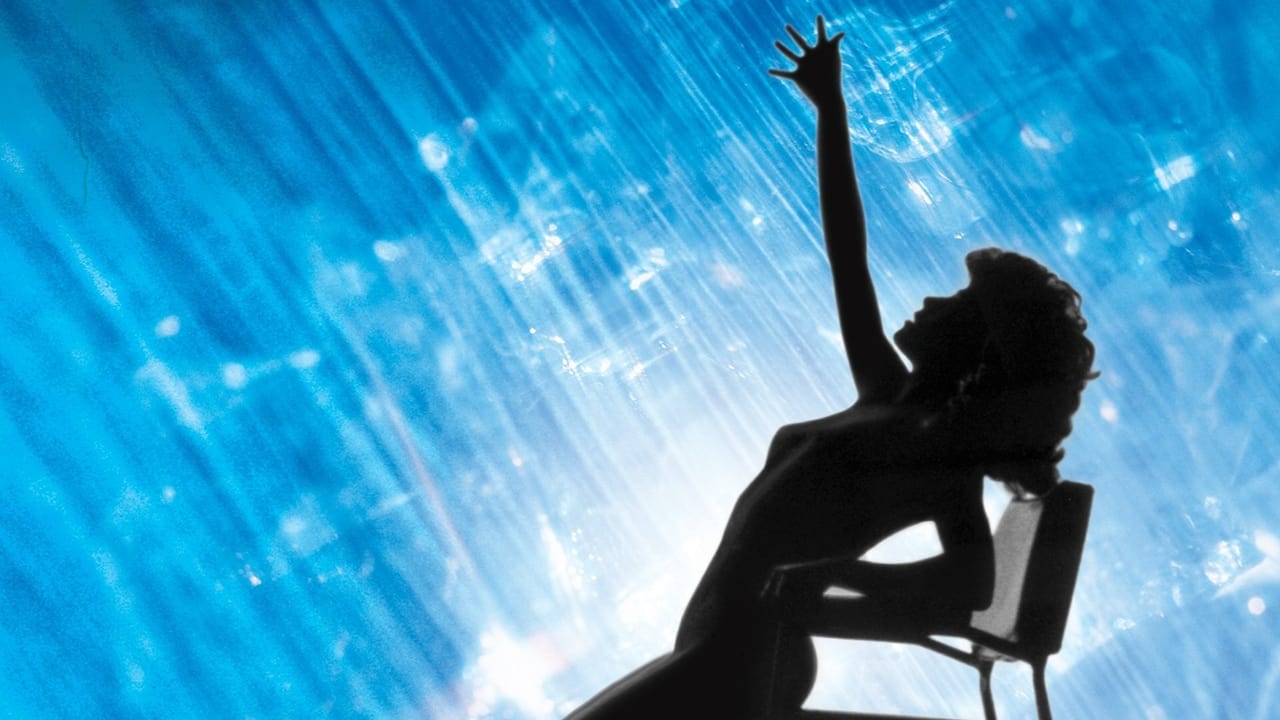
Director Adrian Lyne (who would later give us Fatal Attraction and 9 1/2 Weeks) treats the industrial landscape of Pittsburgh like a smoke-filled fashion shoot. Everything is backlit, misty, or dripping with water. The "drama" here follows Alex Owens (Jennifer Beals), an 18-year-old orphan who lives in a massive, converted warehouse with a Pit Bull named Grunt. By day, she’s sparks and heavy metal; by night, she’s performing highly choreographed, avant-garde dance routines at a local bar that seems way too upscale for its neighborhood.
The plot is a classic Cinderella story, but with more leg warmers. Alex wants to audition for the prestigious Pittsburgh Conservatory of Dance but feels like an imposter because she lacks formal training. Enter Nick Hurley (Michael Nouri), her boss at the steel mill. He’s wealthy, handsome, and arguably a bit of a creep for pursuing a teenage employee, but this was 1983—the HR department apparently didn't exist in the Reagan era. Their romance is the engine of the film’s slower moments, though Michael Nouri has the screen presence of a very expensive piece of office furniture. He’s there to look supportive while Alex undergoes her various "training" montages.
More Than a Body Double Scandal
You can’t talk about Flashdance without addressing the elephant in the room: Marine Jahan. It’s well-known now that Jahan did the heavy lifting for the iconic dance sequences, while gymnast Sharon Shapiro did the flips and even a male breakdancer (Richard Colón) handled the floor work in the finale. At the time, Paramount kept Jahan’s involvement quiet to preserve the illusion of Jennifer Beals as a triple threat. While that felt like a betrayal to some, looking at it now, Beals still "owns" the movie. She has a fierce, wide-eyed vulnerability that makes you root for her, even when the logic of the film collapses.
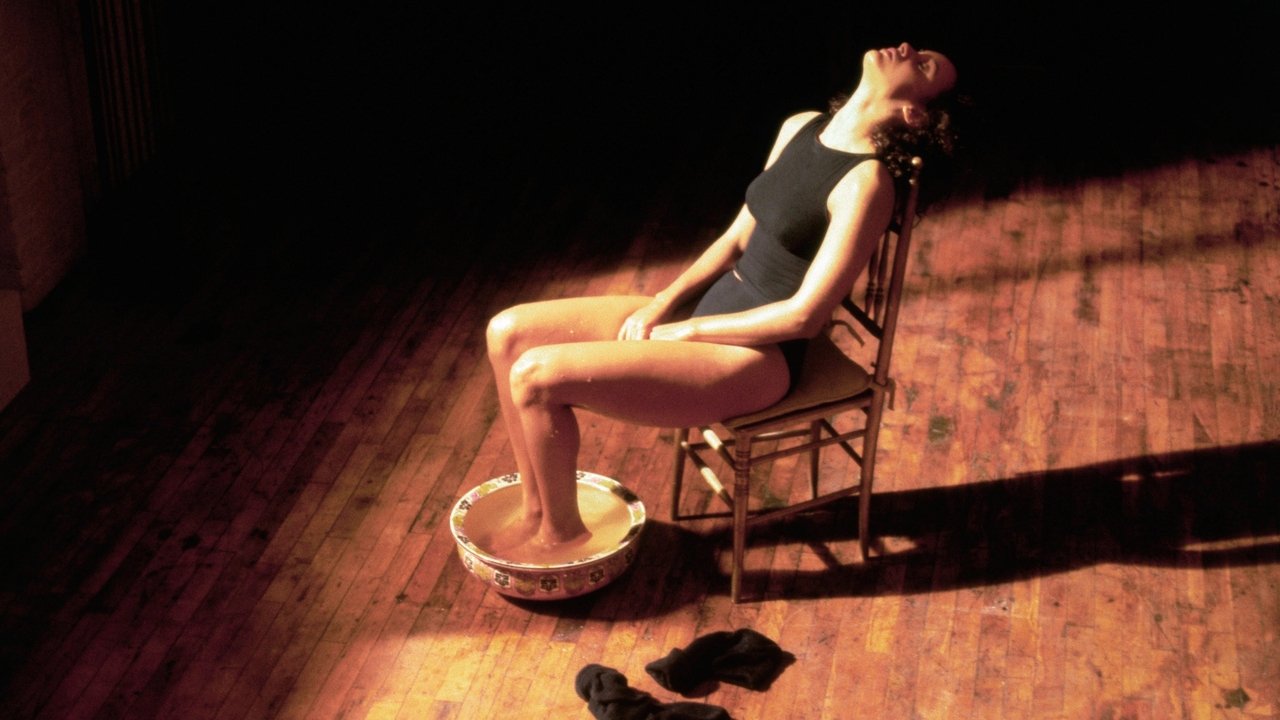
The drama is bolstered by a heartbreaking B-plot involving Alex’s friend Jeanie (Sunny Johnson), a figure skater who loses her confidence. It provides a necessary counterpoint to Alex’s meteoric rise—showing that for every "maniac" who makes it, there’s someone falling on the ice. These moments of genuine pathos keep the movie from floating away on a cloud of hairspray and Giorgio Moroder’s synth-heavy score.
A VHS Era Powerhouse
Flashdance was practically engineered for the home video revolution. I remember my local rental shop had a dedicated "Music & Dance" section where the Flashdance box art—featuring that iconic shot of Beals sitting on the floor—was so faded from sunlight it was almost white. People didn't just rent this to watch a story; they rented it to learn the "Maniac" routine or the "water bucket" sequence. It became a staple of the "rewatch-the-best-parts" culture of the mid-80s.
The film’s influence on the industry was massive. It proved that a "thin" plot could be carried by aesthetic and a chart-topping soundtrack. Without Flashdance, we don't get Top Gun or Footloose. It was a $7 million gamble that pulled in over $200 million worldwide, cementing the "Simpson/Bruckheimer" style as the dominant Hollywood DNA for the next decade.
The Audition and the Legacy
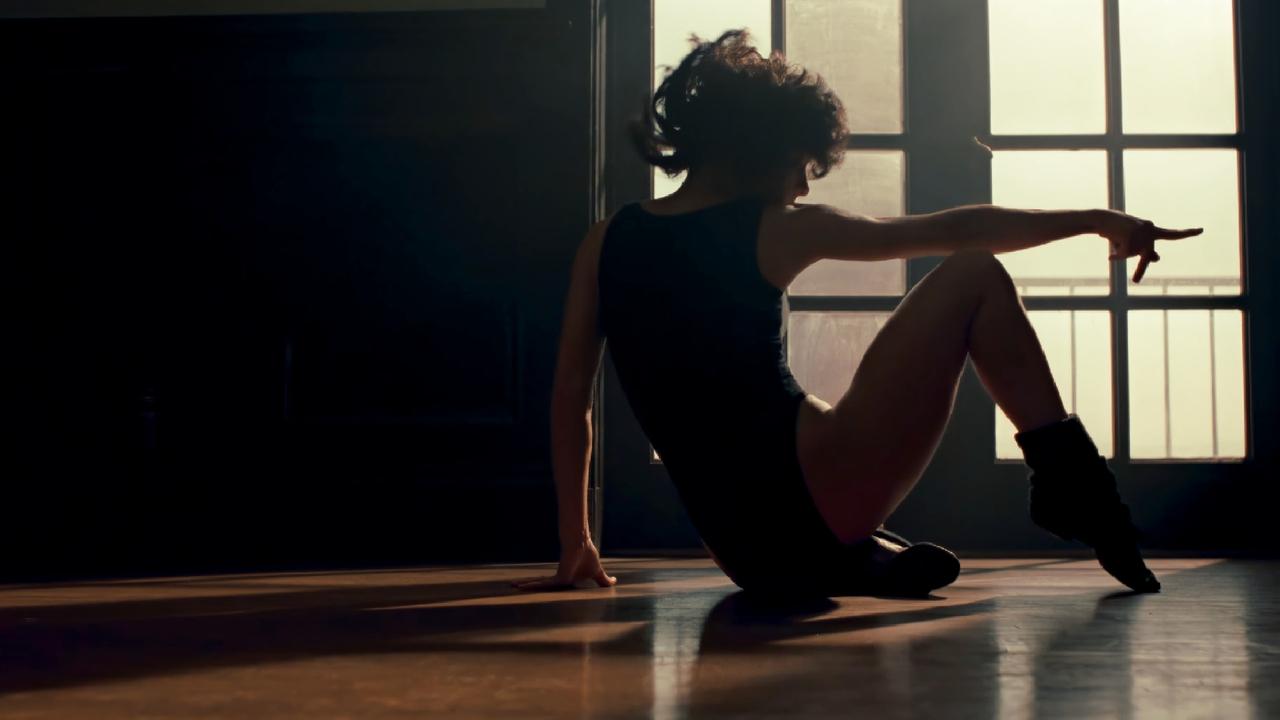
Everything leads to that final audition. You know the one. The judges are cold, the room is sterile, and then the needle drops on "What a Feeling." It’s one of the most effective sequences in cinema history because it leans entirely into the fantasy of being seen for who you truly are. When Alex stumbles, restarts, and then goes into that explosive mix of ballet, jazz, and street dance, it’s impossible not to feel a jolt of secondhand adrenaline.
Is it a deep dive into the human condition? No. It’s a movie that thinks a welder can afford a 3,000-square-foot loft in a major city. But as a piece of pop-culture history, Flashdance is essential. It captures a specific moment when the grit of the 70s was being paved over by the neon-soaked optimism of the 80s. It’s a movie that tells you that your "freedom" and your "fire" are just one high-energy montage away.
While the romance feels dated and the plot is essentially a series of vibes strung together, the sheer kinetic energy is undeniable. Jennifer Beals remains a captivating lead, and the soundtrack is an all-timer that still hits in the gym today. It’s a flawed, beautiful relic of an era that valued the look of a movie as much as its soul. If you’re looking for a dose of pure 80s nostalgia, this is the high-voltage spark you need.
Keep Exploring...
-

Fatal Attraction
1987
-
Nine 1/2 Weeks
1986
-
Dirty Dancing
1987
-
An Officer and a Gentleman
1982
-

Out of Africa
1985
-
The Karate Kid Part II
1986
-
Cocktail
1988
-
Working Girl
1988
-

Indecent Proposal
1993
-

Risky Business
1983
-
Footloose
1984
-
Starman
1984
-
Witness
1985
-
Pretty in Pink
1986
-
Moonstruck
1987
-
The Blue Lagoon
1980
-

The Big Blue
1988
-
Lolita
1997
-

Unfaithful
2002
-
Rocky III
1982