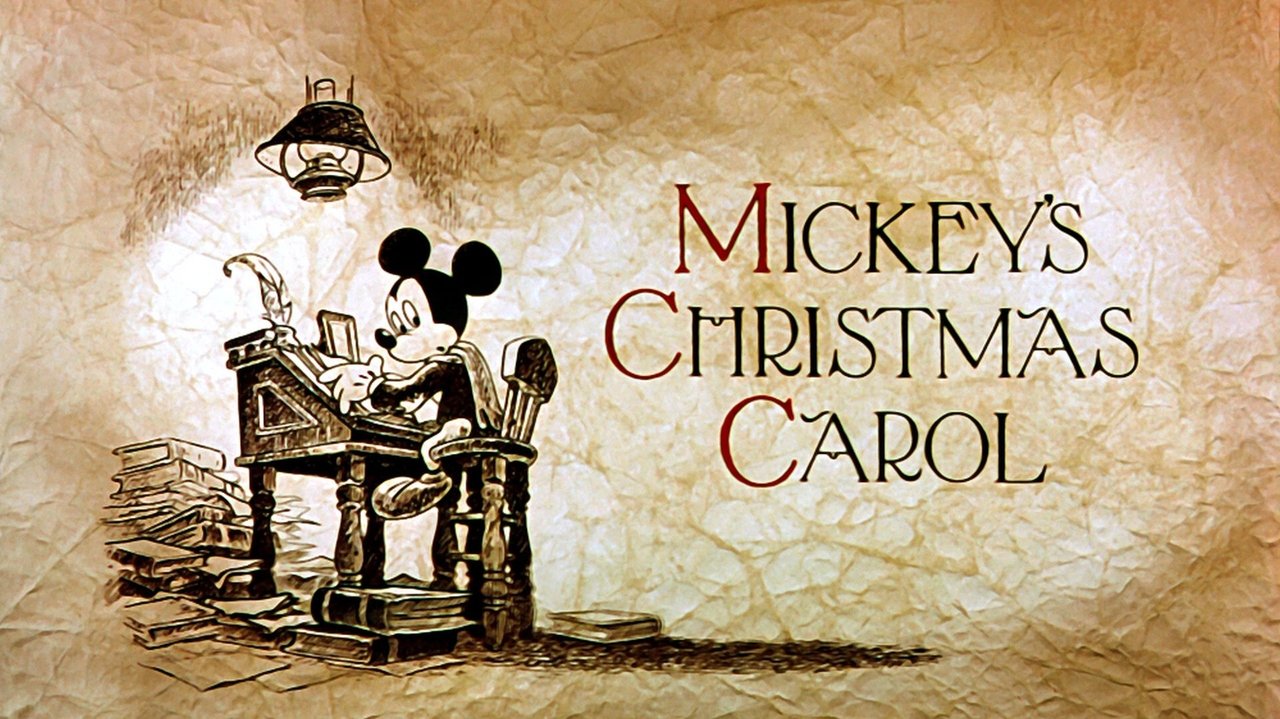
Mickey's Christmas Carol
"Old ghosts, new life, and the mouse that saved Disney."
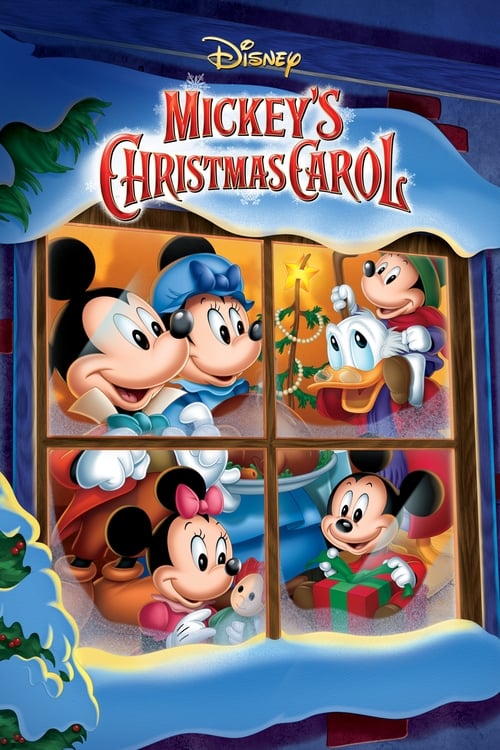
There is a specific, soot-stained quality to the London of 1983’s Mickey’s Christmas Carol that feels surprisingly heavy for a "kids' cartoon." While I revisited this on a modern digital screen today, I found myself distracted by a small, dried pine needle stuck in my keyboard—a remnant of a tree long gone—and it felt oddly appropriate. This 25-minute short wasn't just a holiday filler; it was a ghost of Disney’s own future, a sign that the studio was finally waking up from a long, post-Walt slumber.
The Casting of a Century
In the early 1980s, Disney was in a weird spot. They were the studio of The Black Hole and Tron—experimental, fractured, and arguably losing their identity. Bringing back the "Fab Five" for a theatrical short was a massive gamble on nostalgia before nostalgia was a multi-billion dollar industry. But the genius here isn't just the return of Mickey; it’s the meta-casting.
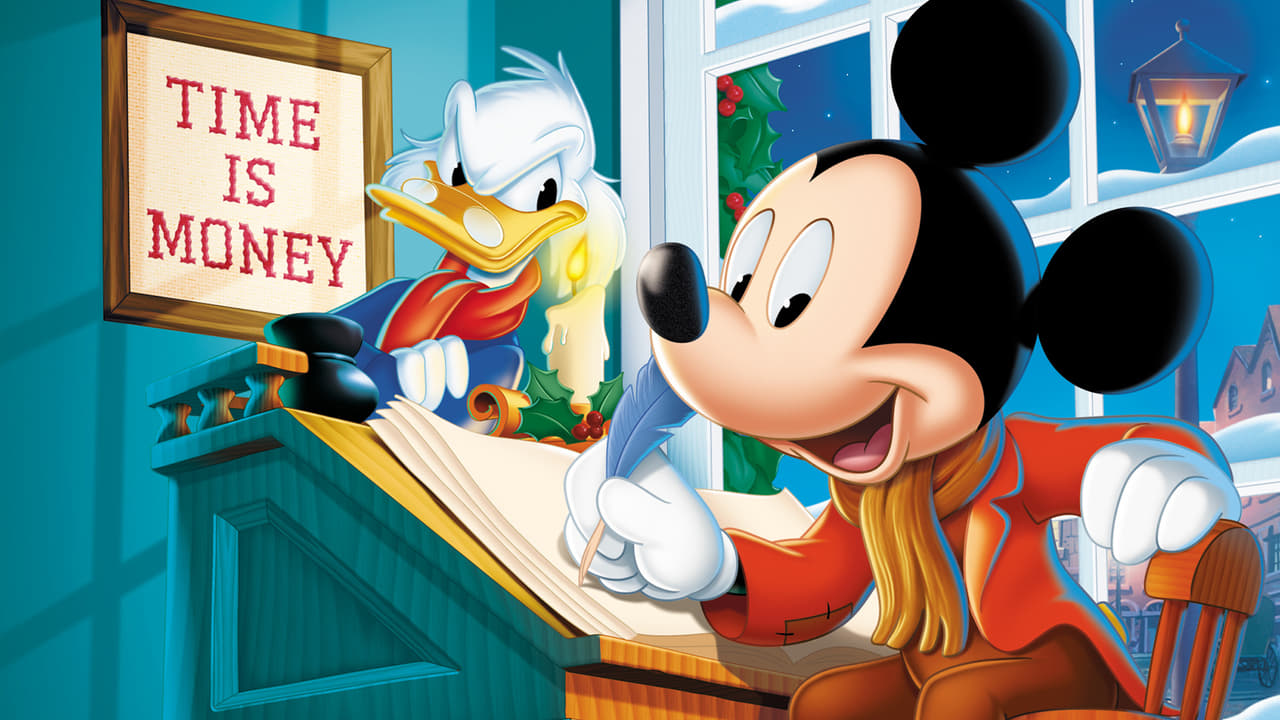
Alan Young, who not only voiced Ebenezer Scrooge but also co-wrote the screenplay, provides the definitive Scrooge McDuck. It’s a performance of exquisite greed. When he tells the "Collectors for the Poor" (Hal Smith and Will Ryan) that giving money to the destitute would only discourage them from working, he doesn't play it like a mustache-twirling villain. He plays it with a terrifying, logical pragmatism.
Then you have Wayne Allwine, making his theatrical debut as Mickey Mouse (taking the mantle from Jim Macdonald). As Bob Cratchit, Mickey is stripped of his usual "leader of the band" energy. He is small, frail, and deeply relatable. The moment where he places Tiny Tim’s crutch against the fireplace is a genuine emotional gut-punch that puts most live-action dramas to shame. It works because the film treats the Dickensian tragedy with more respect than the "Disney" branding.
The Gothic Heart of Animation
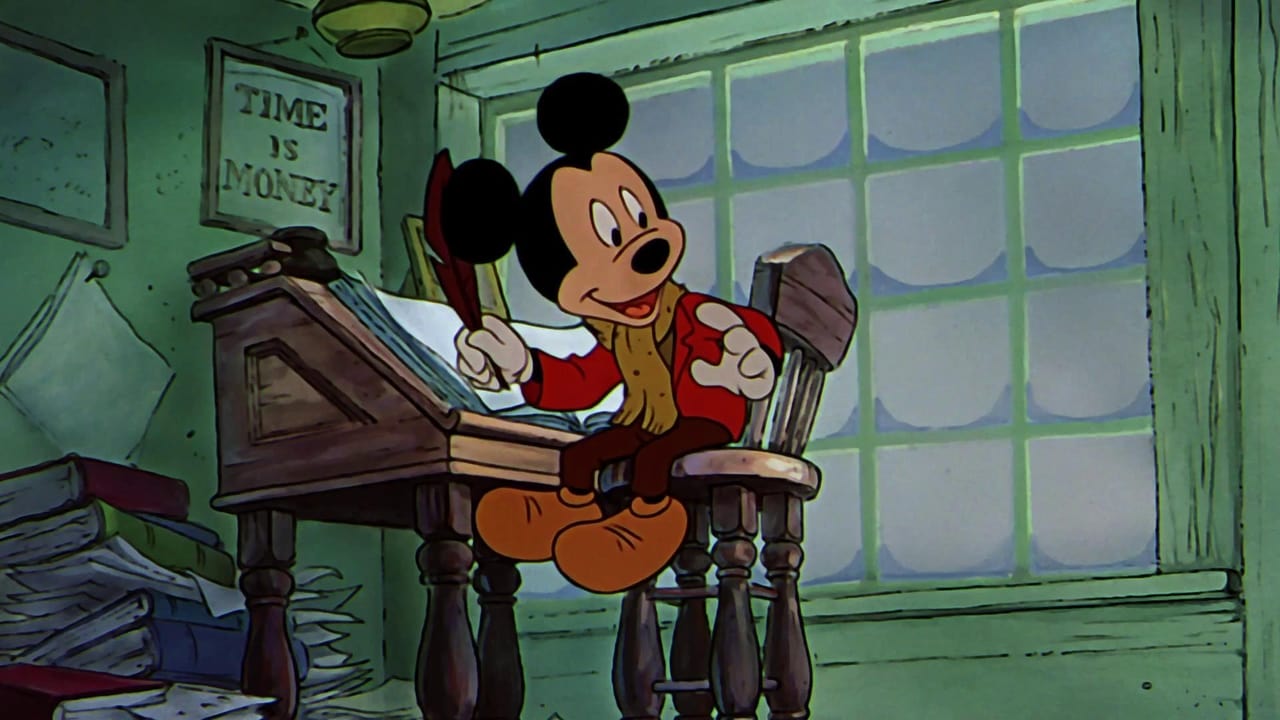
For a film that often lived on the "Opening Acts" section of 1980s VHS tapes, the production value is staggering. This was the era of the "Nine Old Men" passing the torch to the new generation—guys like Burny Mattinson and even a young Glen Keane (who animated the giant, Willie). You can see the friction between the old-school draftsmanship and the new-school energy.
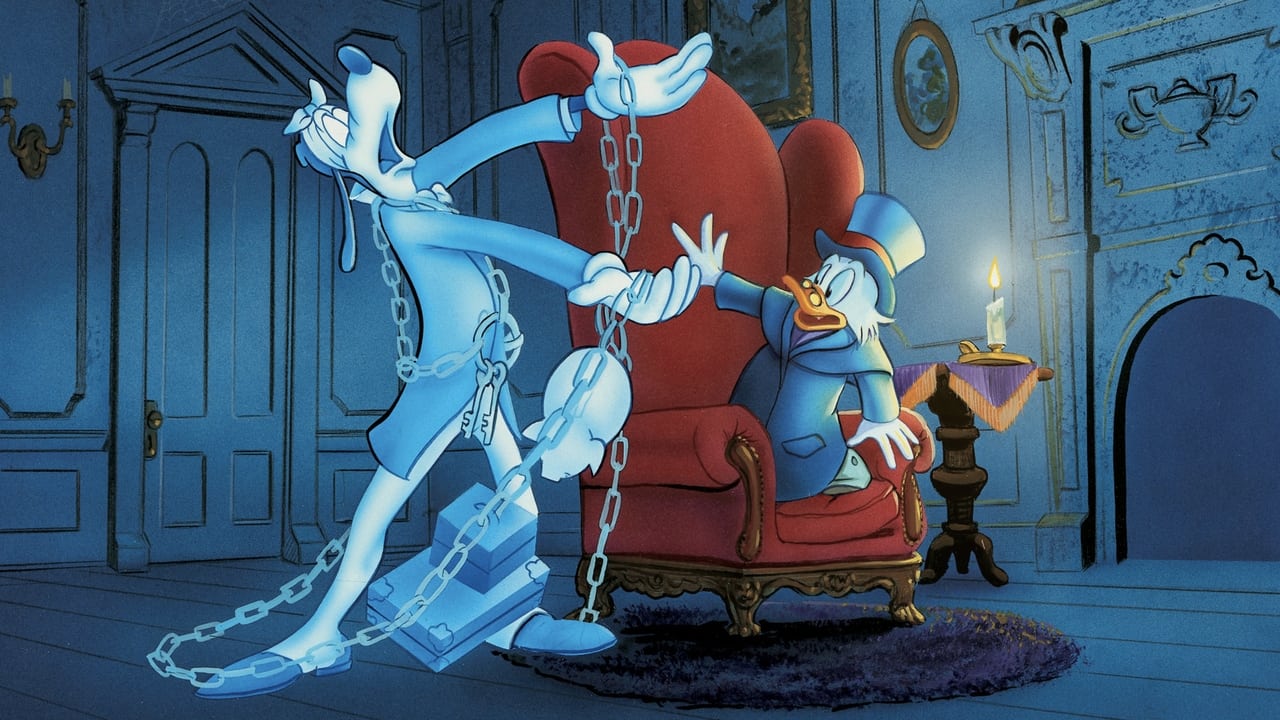
The sequence with Jacob Marley’s Ghost (played by Hal Smith as a bumbling, transparent Goofy) is a masterclass in tone. It manages to be funny—Goofy tripping over his own chains is classic slapstick—while maintaining a sense of existential dread. But nothing prepares you for the Ghost of Christmas Future.
In a bold move, they cast Pete as the final spirit. This isn't the "neighborly" Pete from later cartoons; this is a towering, cigar-chomping phantom of death. The scene in the graveyard, where the snow falls in thick, oppressive layers, is surprisingly nihilistic for a G-rated short. When Scrooge looks into his own open grave and sees the flames of hell licking at the coffin, it’s a moment of pure psychological horror. The film asks us to grapple with the idea that redemption isn't a gift; it's a desperate, last-minute escape from the void.
The VHS Ritual and the Ghost of Disney Past
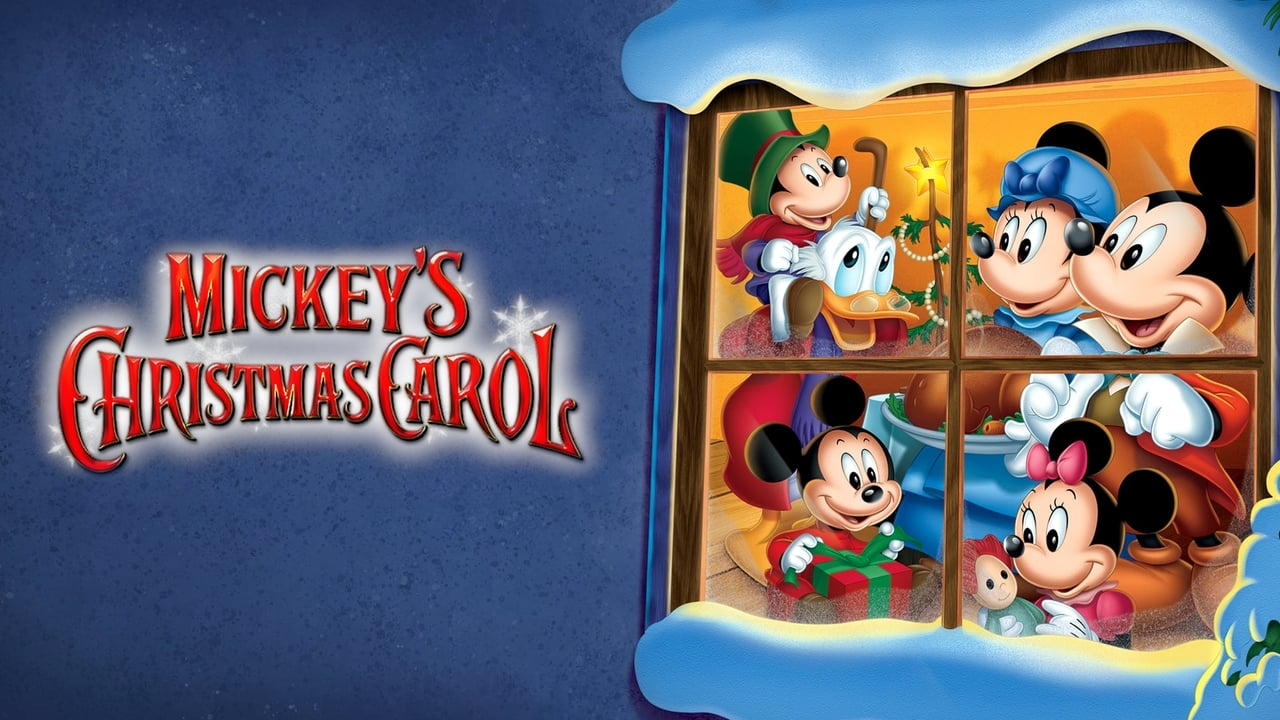
If you grew up between 1984 and 1995, you probably didn't see this in a theater. You saw it on a VHS tape with a white clamshell case that had grown yellow and brittle over the years. My own copy had a specific flicker during the Belle sequence—where Patricia Parris as Daisy Duck breaks Scrooge’s heart—that I eventually realized was a physical scar on the tape from being rewound so many times.
This short was a staple of the home video revolution. It was the perfect length to keep a kid occupied while parents finished wrapping gifts, but it was sophisticated enough to make those parents stop and watch. It’s also notable for being the final time Clarence Nash would voice Donald Duck. There’s a bittersweet layer to hearing that iconic, gravelly squawk one last time, especially in a story about the passage of time and the importance of holding onto what matters.
The film's brevity is its greatest strength. It strips A Christmas Carol down to its skeletal structure, leaving only the rawest emotional beats. It’s a drama that uses funny animals to bypass our adult cynicism. We know how the story ends, yet when Scrooge finally opens his window on Christmas morning and starts tossing gold coins like a man possessed by joy, the catharsis feels earned.
Mickey’s Christmas Carol is more than just a piece of holiday merchandising; it’s a pivotal moment in animation history that happens to be deeply moving. It balances the "New Hollywood" penchant for grit with the classic Disney "Magic" in a way the studio has rarely achieved since. It reminds us that even the most hardened hearts—and the most stagnant film studios—can find a second act. If you can find a copy (even if it’s not on a flickering VHS tape), it’s the best 25 minutes you can spend this December.
Keep Exploring...
-
The Great Mouse Detective
1986
-

An American Tail
1986
-
Castle in the Sky
1986
-
My Neighbor Totoro
1988
-
Vincent
1982
-
The Secret of NIMH
1982
-
The Land Before Time
1988
-

Bedknobs and Broomsticks
1971
-
The Many Adventures of Winnie the Pooh
1977
-

All Dogs Go to Heaven
1989
-
Kiki's Delivery Service
1989
-
Asterix and Cleopatra
1968
-
The Twelve Tasks of Asterix
1976
-
The Fox and the Hound
1981
-
Oliver & Company
1988
-
One Hundred and One Dalmatians
1961
-
The Sword in the Stone
1963
-
How the Grinch Stole Christmas!
1966
-
The Jungle Book
1967
-
The Aristocats
1970