Monty Python's The Meaning of Life
"Birth, death, and a very thin mint."

By 1983, the Monty Python troupe was essentially the Beatles of comedy—brilliant, slightly fractious, and possessed of enough cultural capital to do whatever they damn well pleased. After the narrative precision of Life of Brian, they decided to regress. They didn't want a plot; they wanted a buffet. I watched this most recently while trying to fold a fitted sheet, and Michael Palin’s face during the "Every Sperm is Sacred" number made me give up and just bunch the laundry into a ball; some things require your undivided attention, even if they involve singing Catholics and dancing dentures.
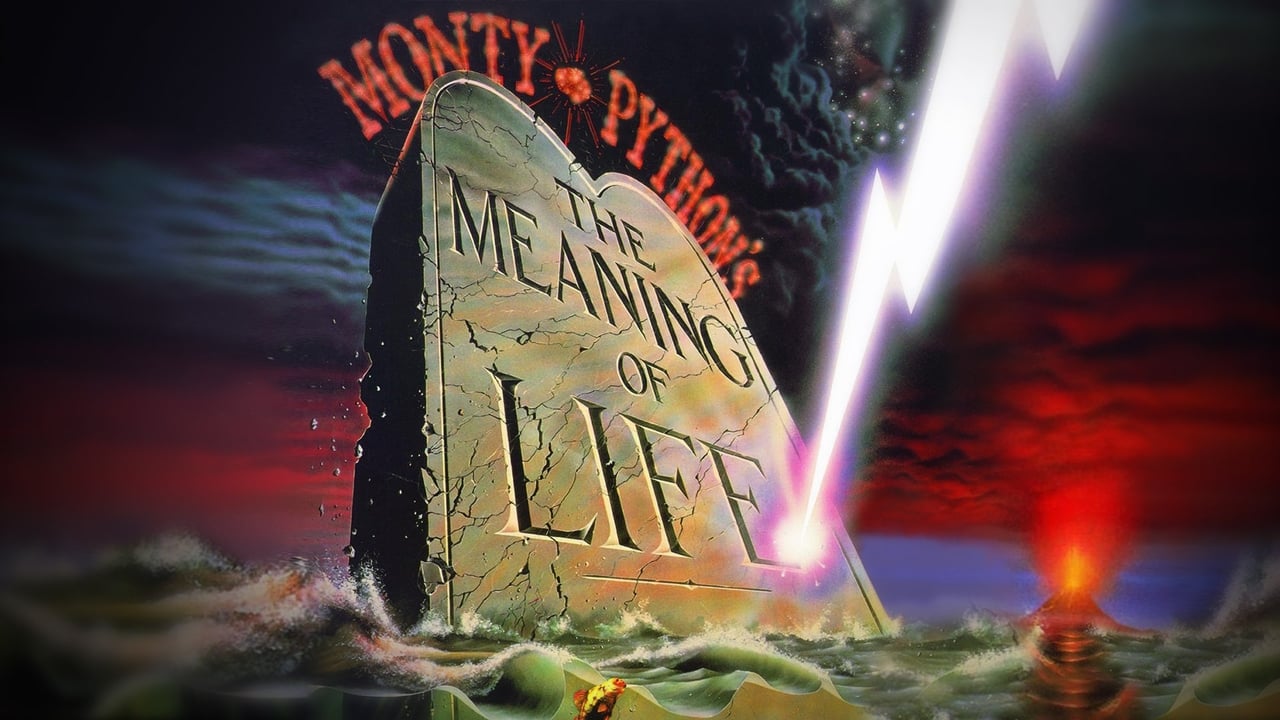
The Meaning of Life is the most polarizing entry in the Python canon because it’s the meanest. It’s the group’s "Late Period" masterpiece, where the whimsy of the 1970s curdled into a sharp, cynical, and frequently disgusting look at the human condition. The film is essentially a high-budget home movie made by the smartest, most juvenile men on the planet. It’s messy, it’s disjointed, and it contains at least two sequences that will make you want to swear off seafood forever.
The Chaos of the Crimson Permanent Assurance
Before the "movie" even begins, we get The Crimson Permanent Assurance, a short film directed by Terry Gilliam. Originally intended as a six-minute sketch, it ballooned into a high-budget pirate epic where elderly accountants mutiny against their corporate overlords and sail a London office building across the Atlantic. It’s a practical effects marvel. Watching the building "weigh anchor" and crush a modern skyscraper is a reminder of why we miss pre-CGI filmmaking. There’s a physical weight to the sets and a tactile grime to the costumes that no digital filter can replicate.
When the actual film starts, we’re treated to a series of vignettes spanning from birth to death. John Cleese and Graham Chapman bring a frighteningly sharp edge to the "Birth" segment, playing doctors more interested in expensive machinery ("the machine that goes 'ping!'") than the actual patient. It’s satire that has only grown more relevant as healthcare becomes increasingly transactional. The transition from the clinical coldness of the hospital to the surreal, sprawling musical number "Every Sperm is Sacred" is a tonal whip-lash that only Python could pull off.
Practical Effects and the Bucket of Doom
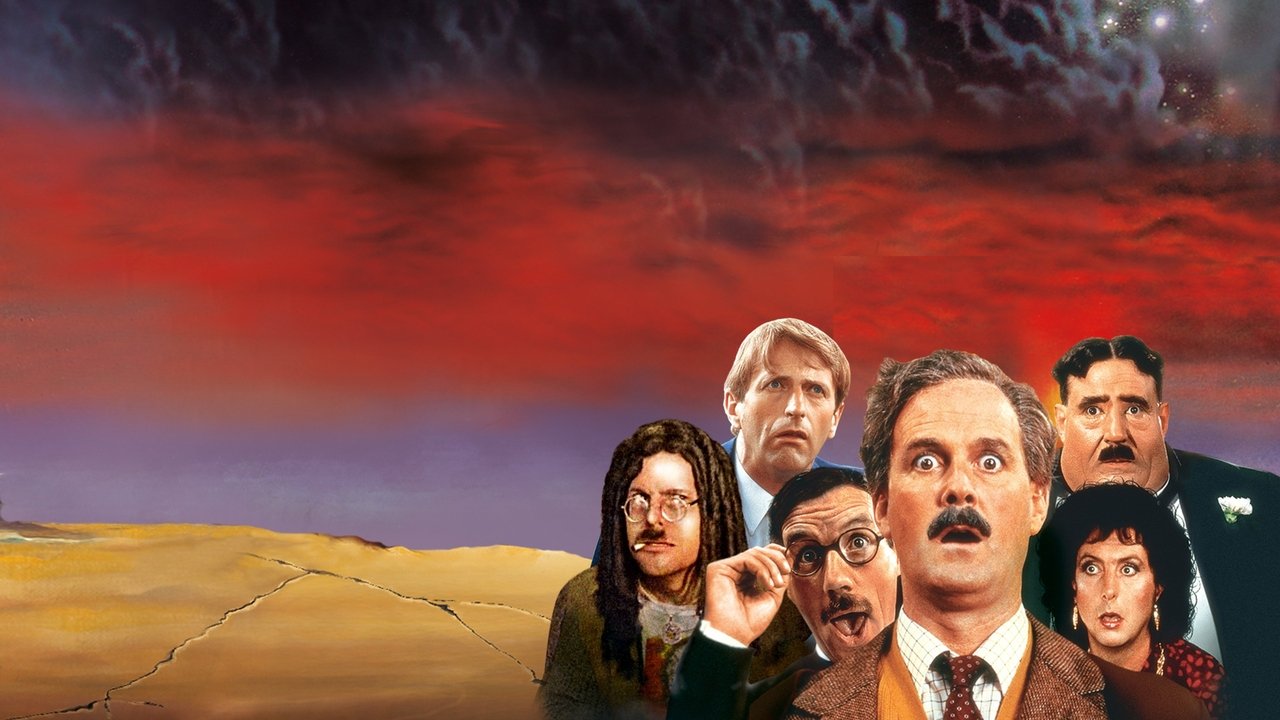
If Holy Grail was about the grit of the Middle Ages, The Meaning of Life is about the biology of being human—specifically the parts we don’t like to talk about. This brings us to Mr. Creosote. For those who grew up in the VHS era, this was the scene you used to test your friends' mettle. The sequence features a morbidly obese man (played with grotesque commitment by Terry Jones) who enters a French restaurant and proceeds to vomit with the force of a fire hose.
The practical effects here are legendary. The "vomit" was actually gallons of thickened vegetable soup, and the crew had to wear raincoats during filming. When Creosote finally eats that "wafer-thin mint" and explodes, it’s a masterpiece of animatronics and makeup. It’s not just gross; it’s an indictment of 80s excess, a literalized version of consumption gone mad. If you don’t find a man exploding from a mint funny, you probably shouldn't be watching Python.
The VHS Cult of the Absurd
This film found its true home in the flickering light of the 1980s video rental store. While Life of Brian was often hidden behind the counter in more conservative towns due to its perceived blasphemy, The Meaning of Life was the one you grabbed when you wanted to see how far a "R" rating could be pushed. The cover art—featuring the cast in various ridiculous costumes—promised a variety show, but the tape delivered something much darker and more philosophical.
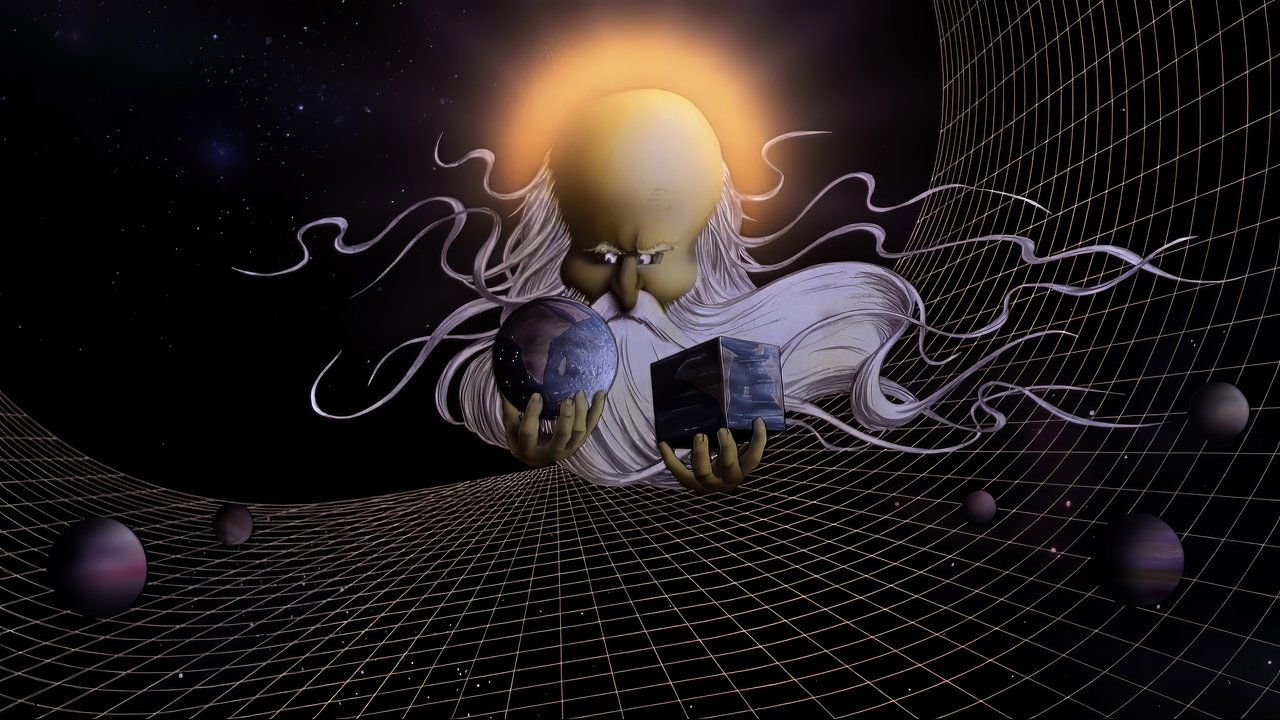
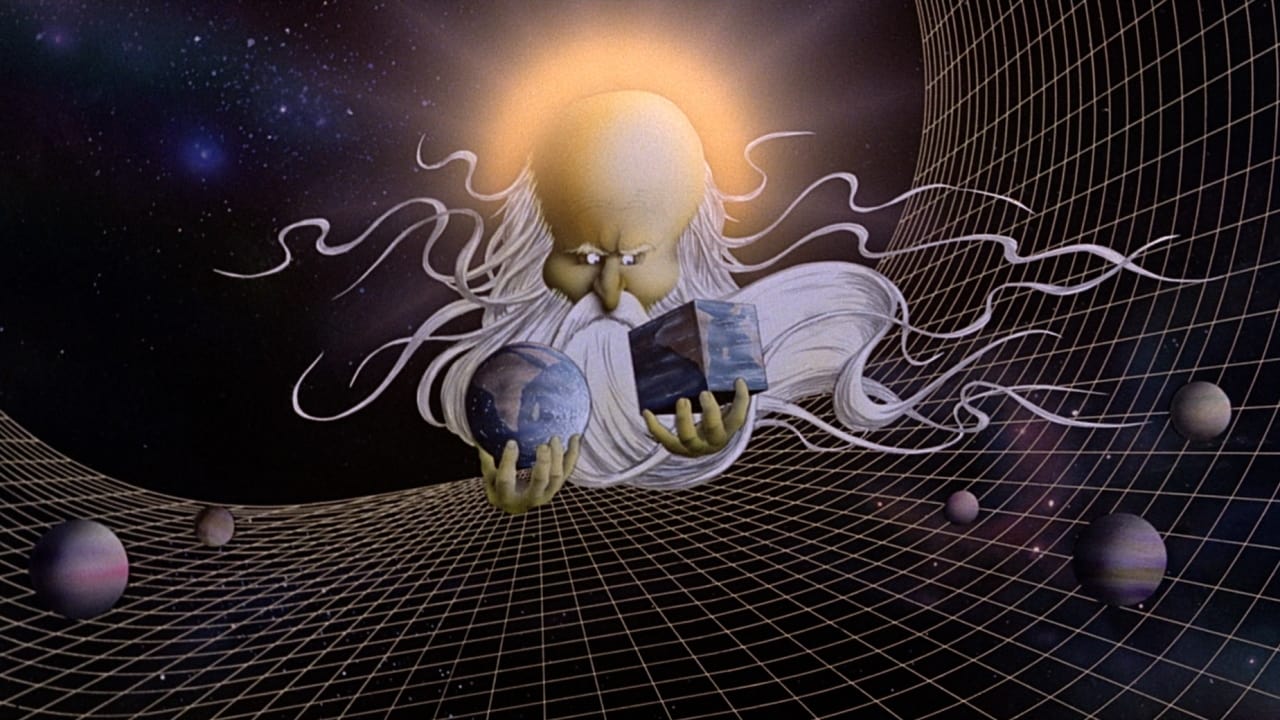
The "Galaxy Song," performed by Eric Idle, is a perfect example of why this movie sticks with people. Amidst the gore and the organ transplants, Idle sings a genuinely catchy, scientifically accurate (for the time) song about how small and insignificant we are. It’s a moment of profound existential dread disguised as a jaunty show tune.
Interestingly, the production was plagued by the same creative tensions that eventually ended the group. John Cleese was reportedly bored by the sketch format, preferring the structure of Brian, while Terry Jones pushed for more visual grandiosity. You can feel that tension on screen; the movie feels like it’s trying to tear itself apart. But that friction is exactly what makes it work. It’s a movie about the messiness of life, so it’s only fitting that the film itself is a beautiful, bloated mess.
Ultimately, The Meaning of Life is a victory of imagination over coherence. It’s the final gasp of the greatest comedy troupe in history, and they went out with a bang (and a lot of vegetable soup). It doesn't have the narrative perfection of their previous films, but it has a ferocity that is unmatched in 80s comedy. It’s a film that demands you look at the absurd reality of your own existence—preferably while laughing at a man in a fish suit. It’s smart, it’s stupid, and it’s arguably the most honest movie ever made about what it means to be a person.
Keep Exploring...
-
Life of Brian
1979
-
Monty Python and the Holy Grail
1975
-
Brazil
1985
-

A Fish Called Wanda
1988
-
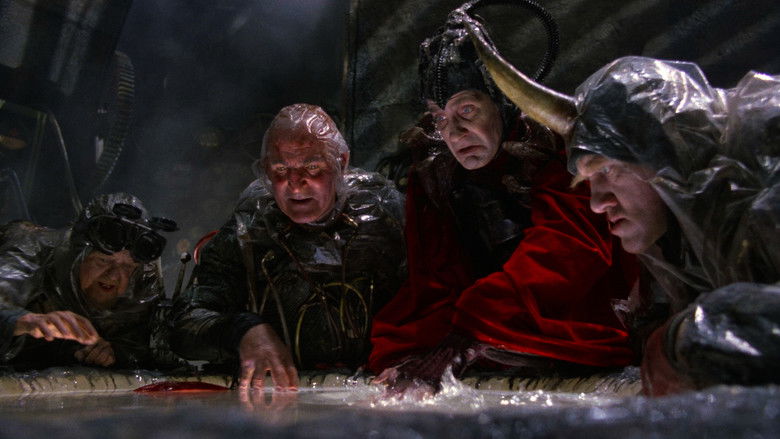
Time Bandits
1981
-
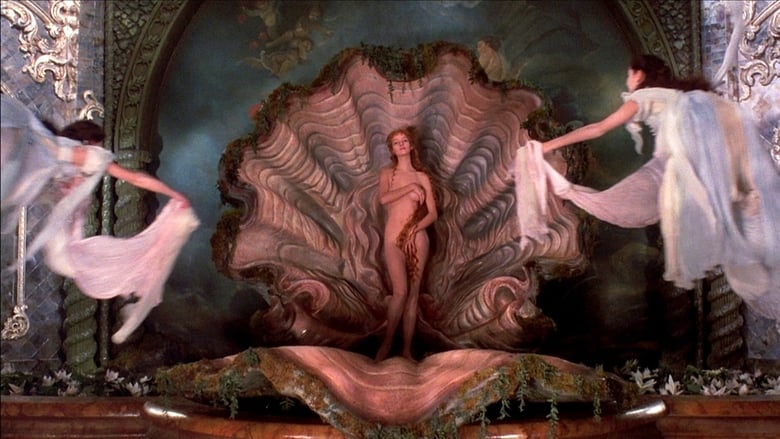
The Adventures of Baron Munchausen
1988
-

Manhattan
1979
-

An American Werewolf in London
1981
-
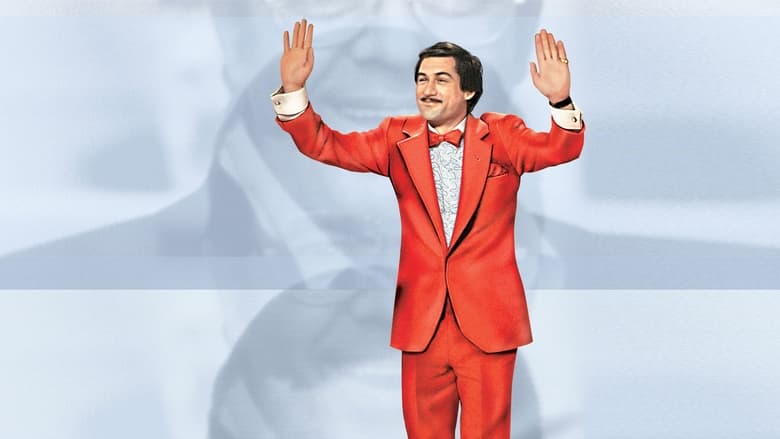
The King of Comedy
1982
-

Trading Places
1983
-

Sixteen Candles
1984
-
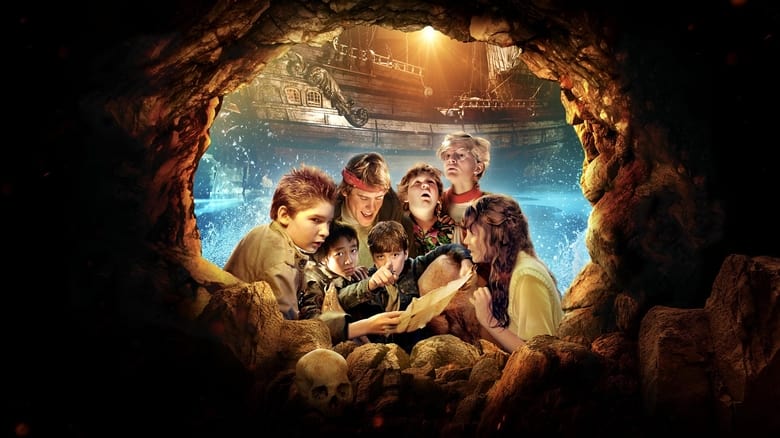
The Goonies
1985
-
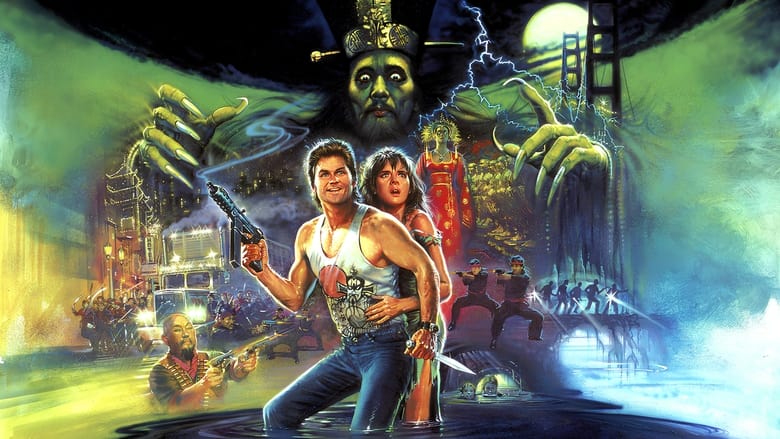
Big Trouble in Little China
1986
-

Ferris Bueller's Day Off
1986
-

Planes, Trains and Automobiles
1987
-

Raising Arizona
1987
-

Spaceballs
1987
-

The Lost Boys
1987
-
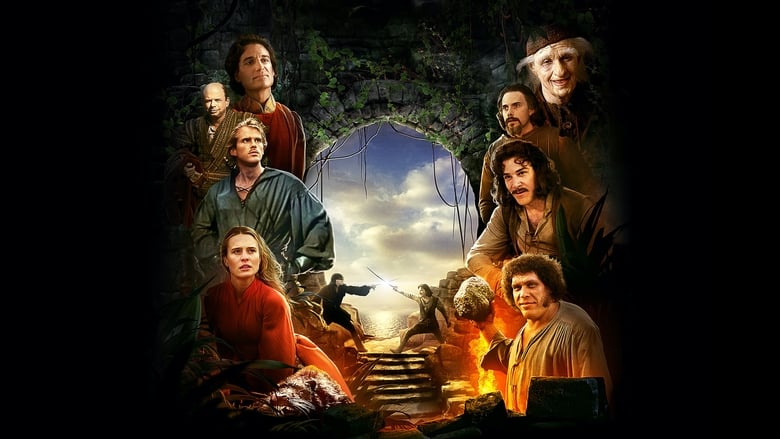
The Princess Bride
1987
-

Beetlejuice
1988