National Lampoon's Vacation
"The ultimate American road trip to total insanity."
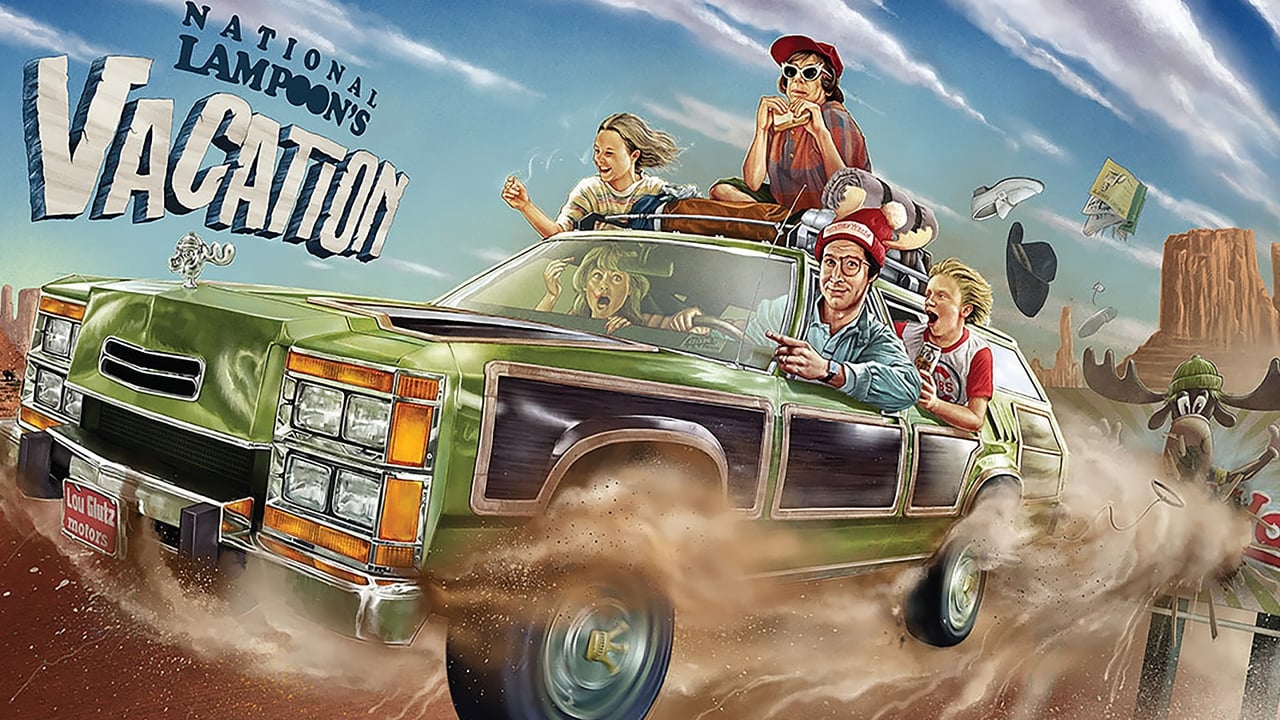
In 1983, Detroit wasn’t just selling cars; it was selling a middle-class dream that Harold Ramis and John Hughes were ready to dismantle with a sledgehammer. The "Wagon Queen Family Truckster" is a hideous, pea-green monument to suburban delusion—a metallic beast with eight headlights and wood-paneling that looks like it was harvested from a dumpster. It is the only vessel fit for Clark Griswold’s odyssey across the American landscape, and it remains one of the most effective pieces of "character" production design in comedy history.

I recently rewatched this while eating a bowl of slightly stale Honey Nut Cheerios, and the crunching sound in my head almost synced up perfectly with the sound of the Truckster’s hubcaps flying off in the desert. There is something deeply cathartic about watching a man’s sanity unravel at seventy miles per hour.
The Architect of Suburban Chaos
Before he became the king of teen angst, John Hughes (who wrote the screenplay based on his National Lampoon short story "Vacation '58") was the poet laureate of the frustrated American father. In National Lampoon's Vacation, he teams up with director Harold Ramis (Caddyshack, Ghostbusters) to create a comedic rhythm that feels more like a siege than a journey. Clark Griswold, played with manic perfection by Chevy Chase, isn’t just a dad on vacation; he’s a man engaged in a holy war against reality.
Chevy Chase was at his absolute peak here. Unlike the cooler-than-thou persona he adopted in Fletch, his Clark is a high-functioning sociopath disguised as a loving patriarch. The way his eyes glaze over as he forces his family to sing "I’m So Excited" while his daughter, Dana Barron, stares into the abyss is a masterpiece of repressed suburban rage. It’s the physical comedy, though, that earns the price of admission. Whether he’s trying to navigate a roundabout in London (wait, that’s the sequel) or, more iconically, crashing the Truckster into a literal ditch in the middle of nowhere, Chase uses his lanky frame like a collapsing folding chair.
The Practical Perils of the Open Road
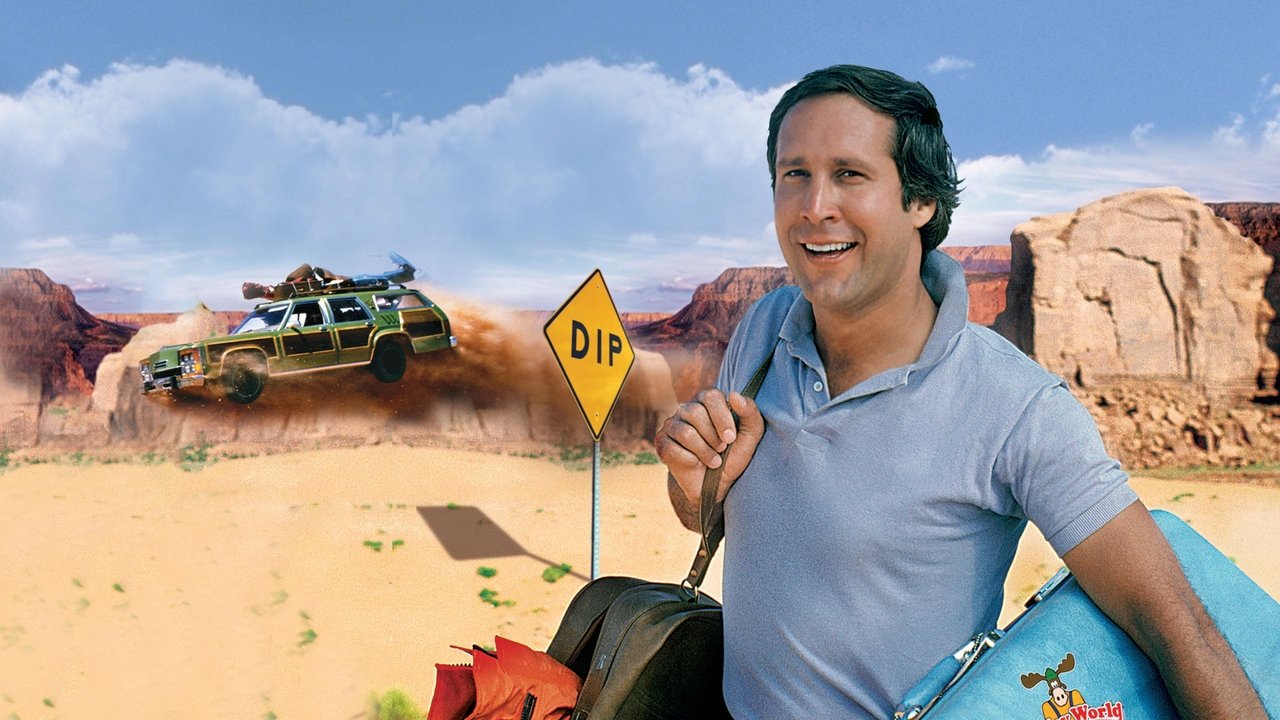
The adventure genre is built on the "Sense of Journey," and Vacation nails the geography of a nightmare. The film moves from the sanitized suburbs of Chicago through the dusty, dangerous stretches of the Southwest, and finally to the neon-and-plastic promised land of California. Because this was 1983, the "spectacle" is refreshingly grounded. When the Truckster catches air on a closed road, that’s a real stuntman launching a real, heavy-as-hell station wagon into the dirt. There’s a tactile grit to the grime on Anthony Michael Hall’s face and the sweat on Beverly D'Angelo’s brow that modern digital comedies just can’t replicate.
Beverly D'Angelo is the secret weapon here. As Ellen Griswold, she provides the necessary friction that keeps the movie from flying off the rails into pure slapstick. Her chemistry with Chase feels lived-in; she’s the weary navigator who knows the pilot is drunk on optimism but decides to ride it out anyway. And then, of course, there is Randy Quaid as Cousin Eddie. Before the character became a caricature in later sequels, the original Eddie was a terrifyingly grounded portrait of "the relative you don't invite over." His introduction—holding a beer in a mesh shirt while his kids play in a literal trash heap—is the perfect counterpoint to Clark's aspirational lifestyle. Cousin Eddie is the ghost of Christmas future for a man who loses his pension.
The VHS Legacy of the Griswold Clan
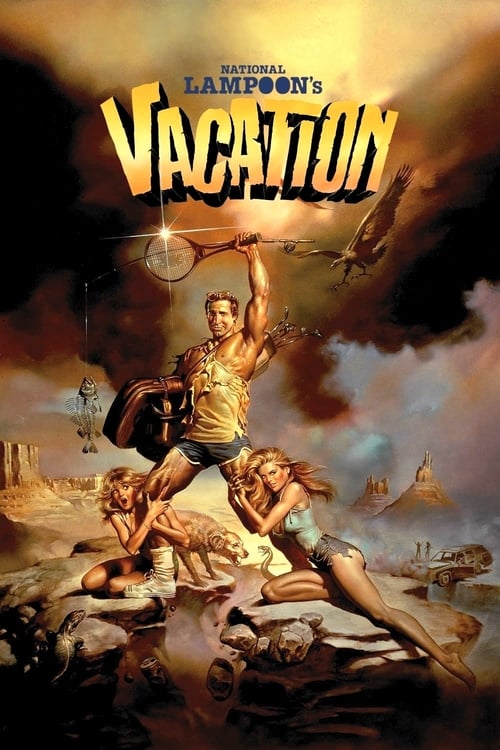
For those of us who grew up in the 80s and 90s, Vacation wasn't just a movie; it was a ritual. This was a staple of the "Warner Home Video" clamshell era. I remember the specific texture of the tape box, which featured the Boris Vallejo-style art of the family looking like heroic fantasy adventurers while clutching luggage. It was the ultimate "rewatch" movie because the jokes were layered. As a kid, I laughed at the dog and the sandwich on the roof; as an adult, I laugh at Clark’s desperate attempt to flirt with the girl in the Ferrari (Christie Brinkley) because it captures that specific mid-life crisis anxiety that only the 80s could produce.
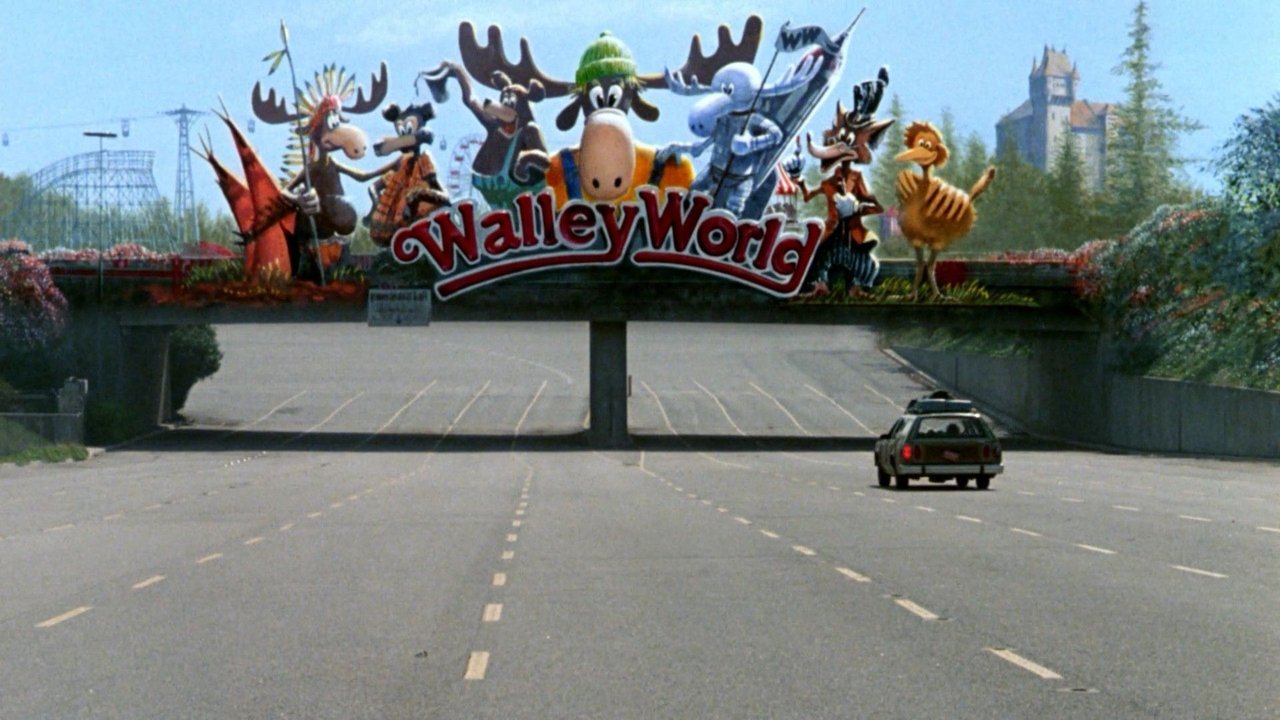
The film also captures a specific transition in American cinema. It has the ribald, "anything goes" spirit of the 70s National Lampoon era—exemplified by the Aunt Edna subplot (played with wonderful irritability by Imogene Coca) and the dark humor of her eventual... departure—but it dresses it up in the high-concept, blockbuster clothing of the 1980s. It’s an adventure where the "dragon" is a closed theme park and the "hero’s sword" is a BB gun.
National Lampoon's Vacation is the rare comedy that actually improves as you get older and the world starts to wear you down. It’s a beautifully paced adventure that understands a universal truth: the destination is usually a disappointment, so you might as well find the humor in the breakdown. If you haven’t visited Walley World in a while, it’s time to hop back in the Truckster. Just make sure the dog is actually inside the car before you pull away.
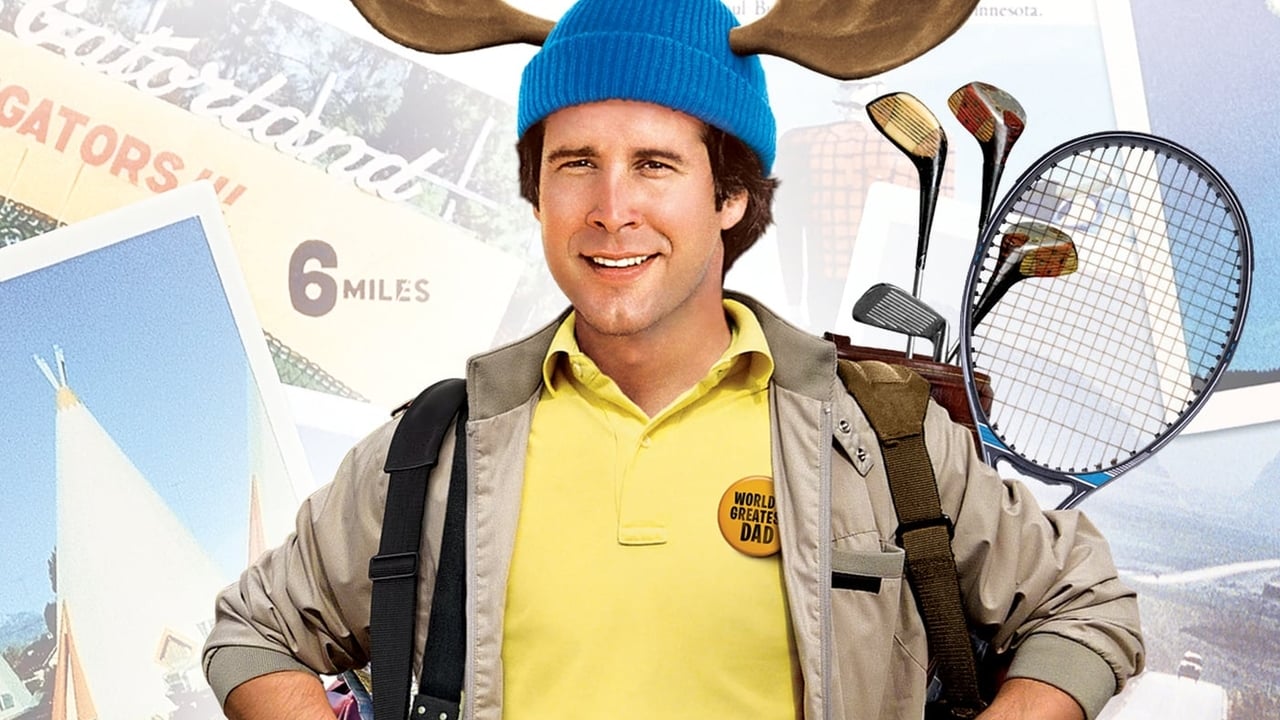
Keep Exploring...
-
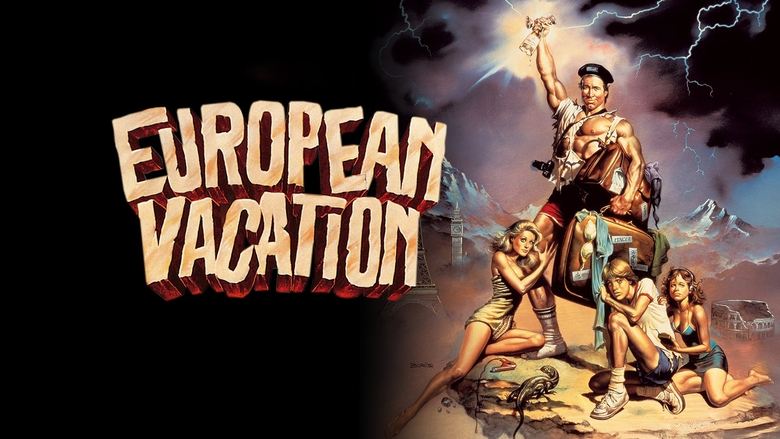
National Lampoon's European Vacation
1985
-
National Lampoon's Christmas Vacation
1989
-
Caddyshack
1980
-
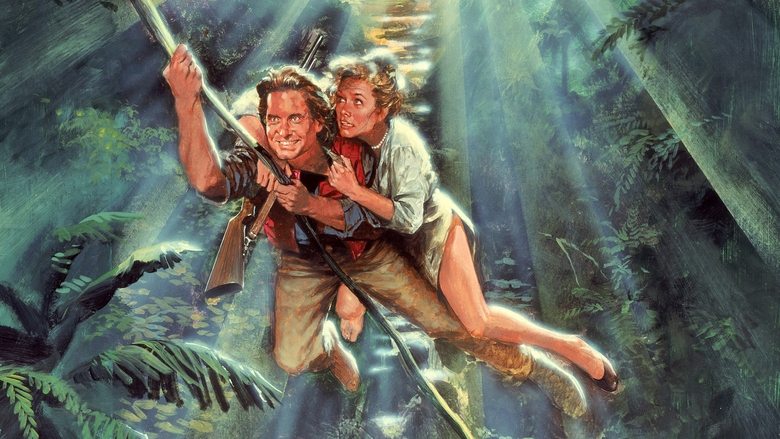
Romancing the Stone
1984
-

Ladyhawke
1985
-
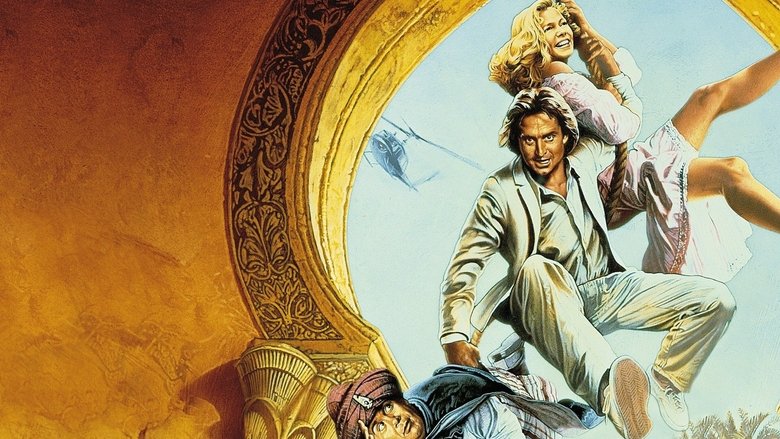
The Jewel of the Nile
1985
-

An American Tail
1986
-
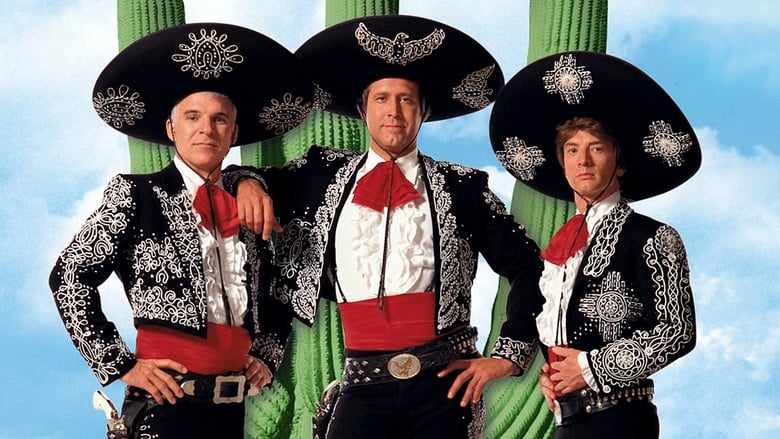
¡Three Amigos!
1986
-
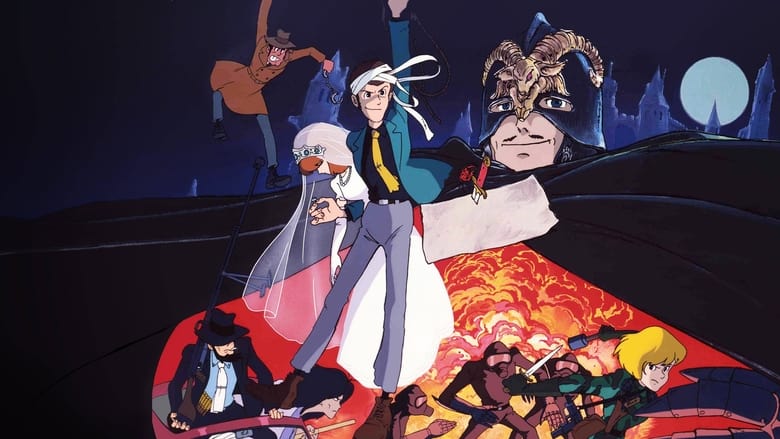
The Castle of Cagliostro
1979
-
Time Bandits
1981
-
The Adventures of Baron Munchausen
1988
-
Weird Science
1985
-

Bedknobs and Broomsticks
1971
-
Sixteen Candles
1984
-
The Goonies
1985
-
Big Trouble in Little China
1986
-
The Princess Bride
1987
-
Uncle Buck
1989
-

The Golden Child
1986
-
Asterix and Cleopatra
1968