Risky Business
"High stakes, higher expectations, and a very expensive Porsche."

Before he was the indestructible center of the Hollywood universe, Tom Cruise was just a kid in a button-down shirt, terrified of his father’s expectations. We tend to remember Risky Business through the hazy, golden filter of that iconic living-room slide, but rewatching it today reveals something much sharper, darker, and more cynical than your average 1980s teen romp. This isn't just a movie about a boy left home alone; it’s a stylish, neon-soaked interrogation of the American Dream.
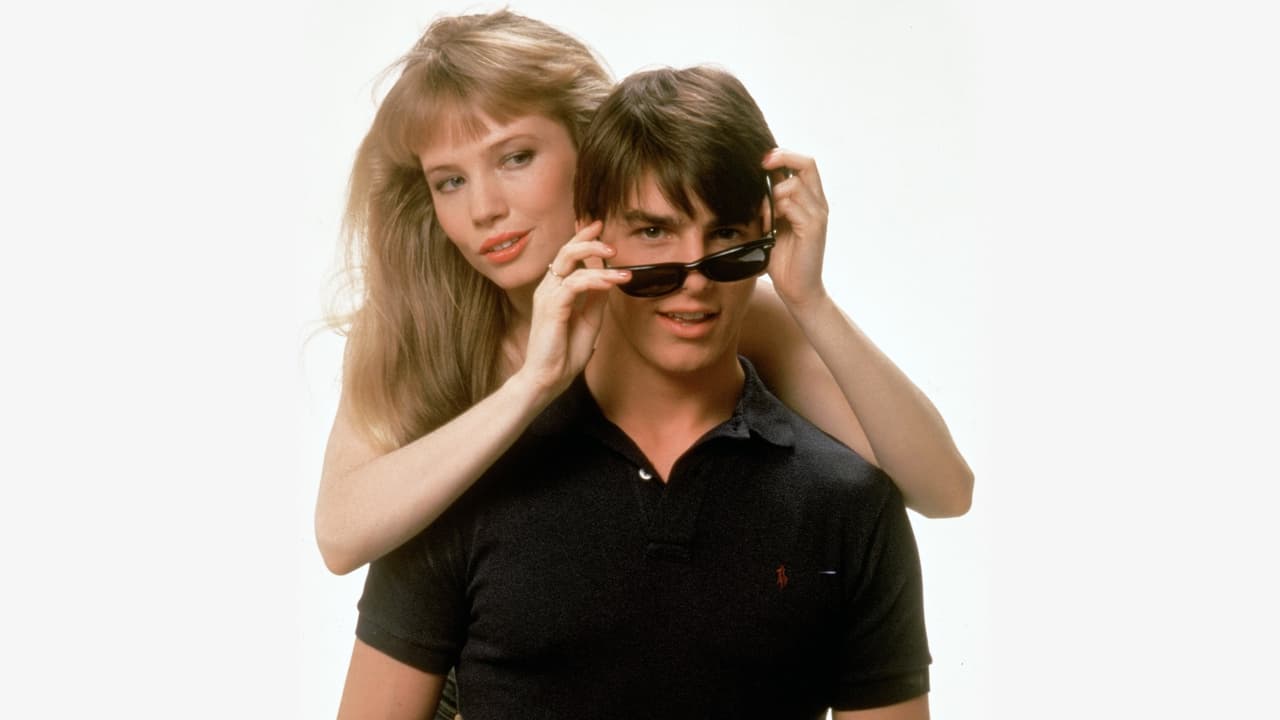
I recently revisited this on a humid Tuesday evening while nursing a lukewarm diet soda that had lost its fizz twenty minutes earlier, and the flat sweetness of the drink oddly complemented the film’s atmosphere. There is a specific, underlying anxiety to Risky Business that feels as much like a corporate thriller as it does a coming-of-age comedy.
The Entrepreneurial Fever Dream
While films like Porky’s or Revenge of the Nerds were busy chasing cheap gags, writer-director Paul Brickman was aiming for something closer to a suburban noir. Tom Cruise, playing Joel Goodson, delivers a performance that is remarkably grounded. He captures that hyper-specific adolescent "good kid" panic—the kind where your stomach drops because you think your entire future has evaporated over a single mistake.
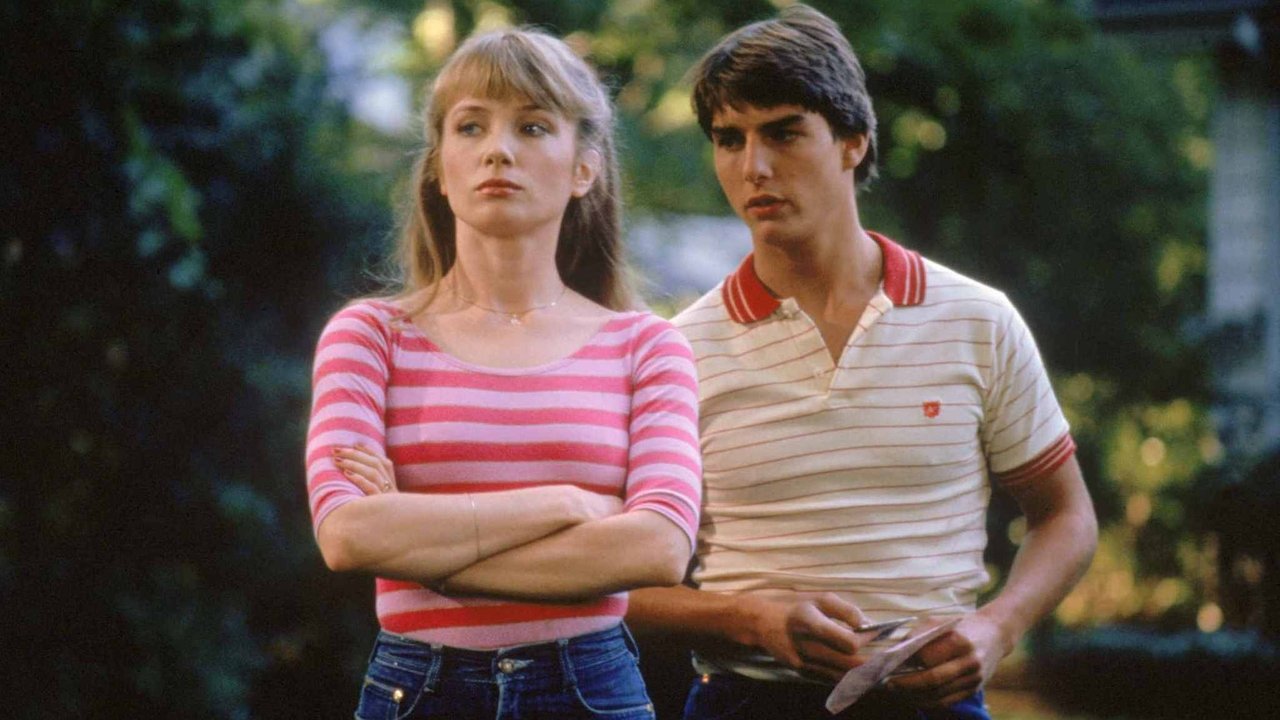
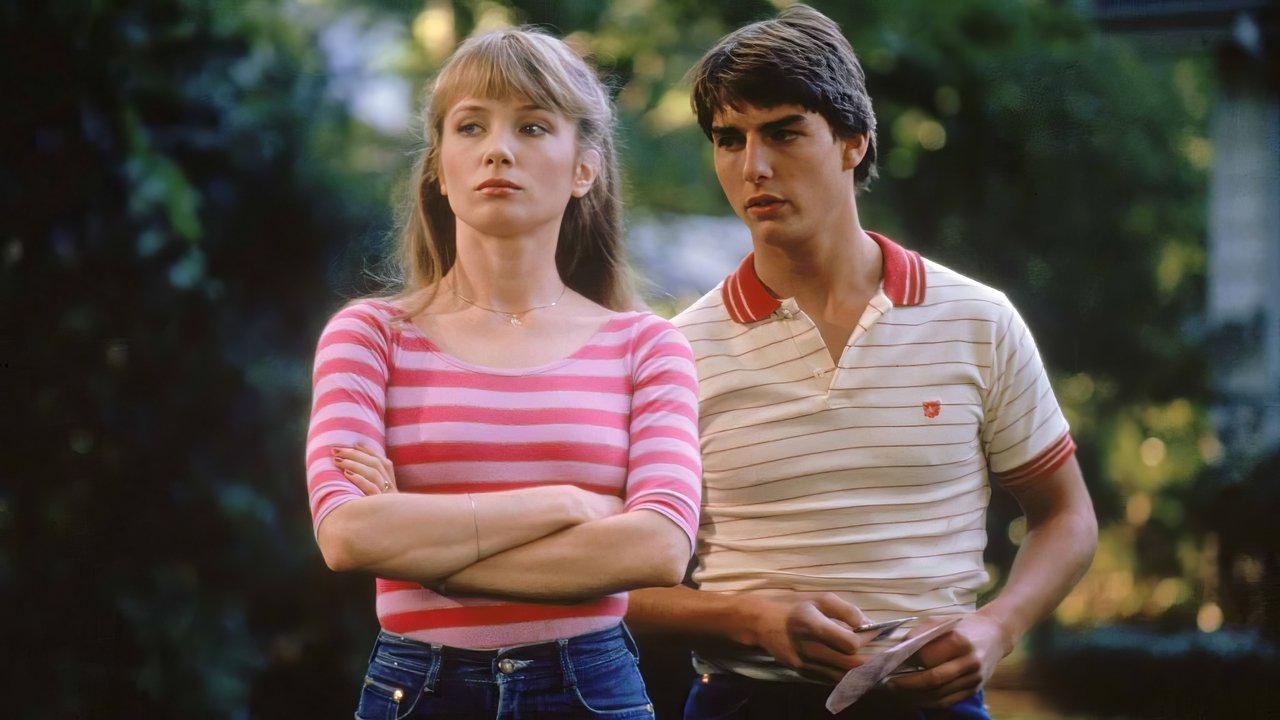
The film shifts gears when Joel meets Lana, played with an icy, calculating brilliance by Rebecca De Mornay. Their chemistry isn't built on sweet "first love" tropes; it’s built on a transaction. Lana is the one who truly understands the Reagan-era landscape Joel is about to enter. She isn't just a love interest; she’s a business consultant for the soul. I’ve always felt that De Mornay is the film’s secret weapon, providing a sense of adult worldliness that makes Joel’s suburban life look like a plastic dollhouse.
The cinematography by Reynaldo Villalobos is what really sets this apart from its contemporaries. The way the light hits the Chicago suburbs at night—all deep blues and sharp shadows—makes the Goodson household feel like a cathedral of capitalism. When combined with the ethereal, pulsing synthesizer score by Tangerine Dream, the movie feels less like a comedy and more like a fever dream. It’s a texture you only get in this specific pocket of the early 80s, where the grit of the 70s hadn't quite been polished away by the neon excess of the later decade.
A Masterclass in Practical Panic
There is a tactile reality to the film’s disasters that modern CGI simply can't replicate. When that Porsche 928 slides off the pier and into the murky waters of Lake Michigan, you feel the weight of the metal. You feel the cost. Apparently, the production used multiple Porsches for the shoot, including one that was completely gutted just to be submerged. The sight of that luxury vehicle sinking isn't just a plot point; it’s the literal drowning of Joel’s "safe" future.
Watching Joe Pantoliano as the menacing pimp, Guido, adds a layer of genuine danger that teen movies usually shy away from. He’s not a cartoon villain; he’s a guy who clearly knows how the world actually works outside the manicured lawns of Highland Park. And then there’s Curtis Armstrong as Miles, the friend who provides the film’s most famous (and dangerous) philosophy: "Sometimes you just gotta say, 'What the heck.'" Miles is essentially the devil on Joel's shoulder, if the devil wore a Member's Only jacket.
The VHS Legacy and the "Happy" Ending
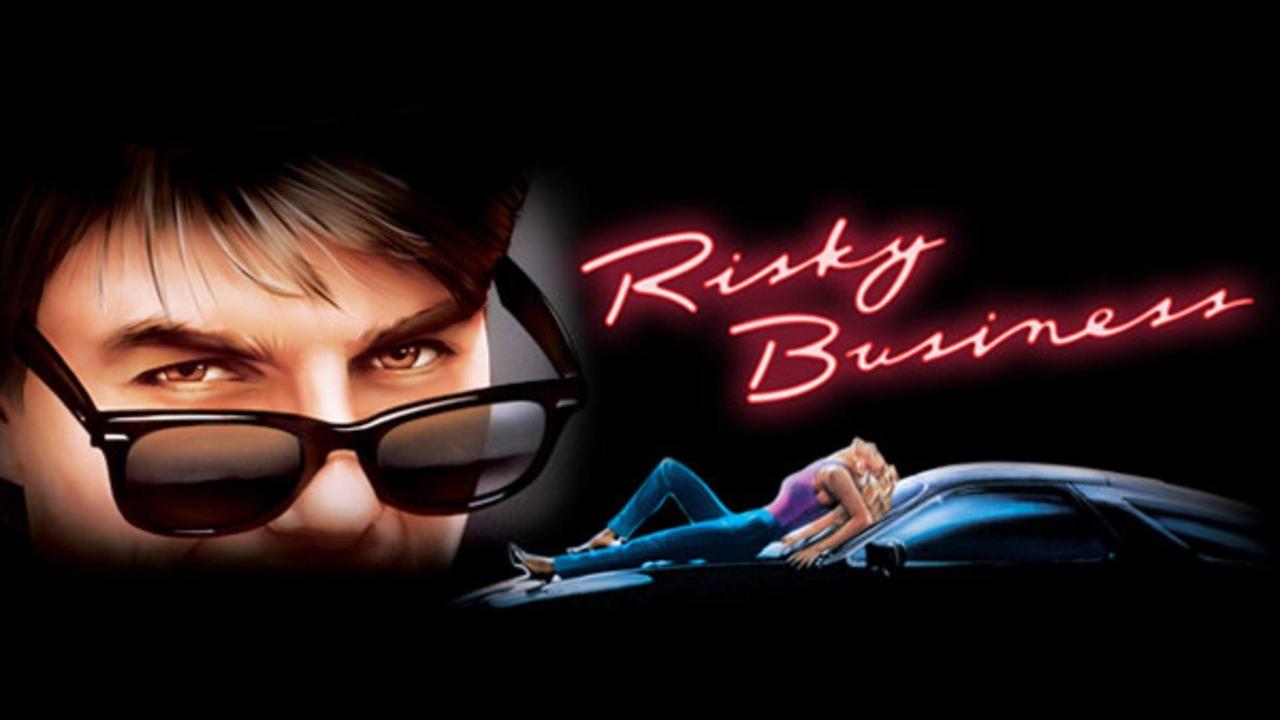
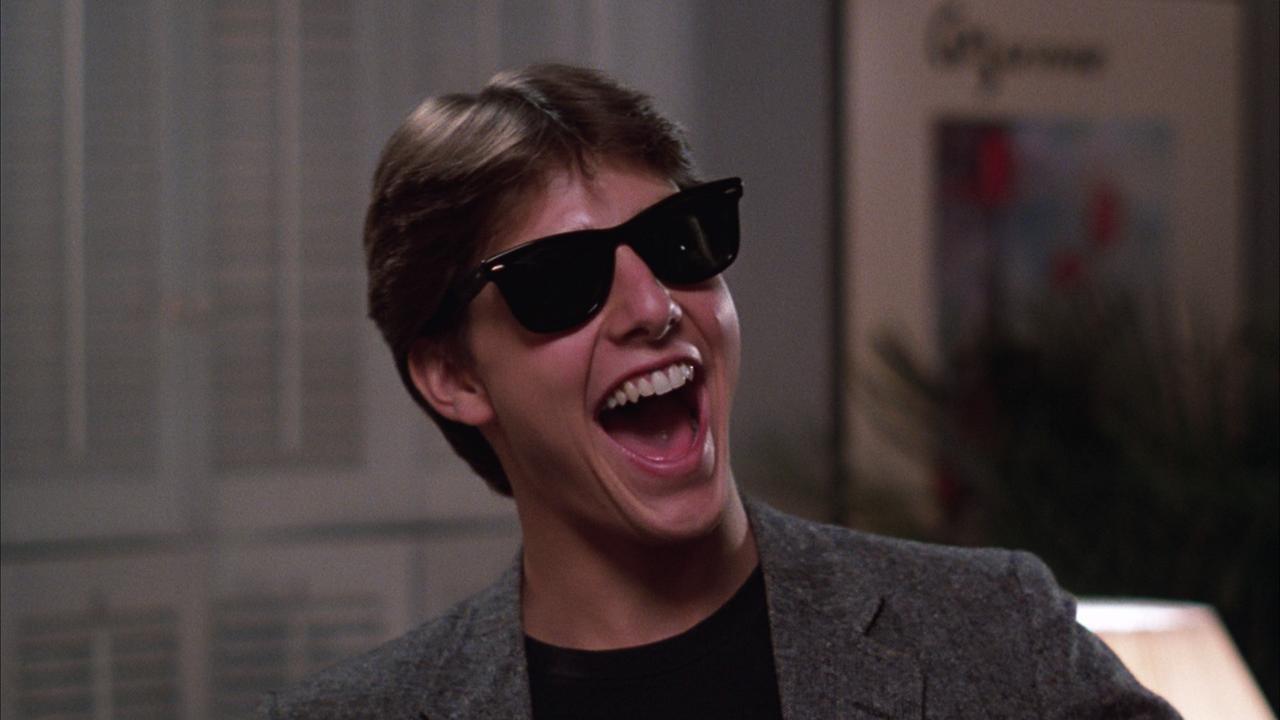
If you grew up in the late 80s or 90s, you probably first experienced this film via a rental tape with that legendary cover art—Cruise peering over his Wayfarers. It was a staple of the "Teen Section," but it always felt like it belonged in a different category. There’s a sophistication here that rewarded repeat viewings on a grainy CRT television. You’d rewind the "Old Time Rock and Roll" scene, sure, but you’d stay for the haunting "Love on a Real Train" sequence on the ‘L’ train, which remains one of the most hypnotic moments in cinema history.
Interestingly, the film we know wasn't exactly the film Brickman wanted. He originally shot a much more melancholic, ambiguous ending that suggested Joel had lost a piece of himself to gain his success. The studio, Geffen Pictures, pushed for something more "upbeat." The resulting compromise is fascinating because it’s a "happy" ending that still feels incredibly cynical. Joel wins, but he wins by becoming the very thing he was afraid of: a cold, calculating opportunist.
Risky Business is that rare 80s artifact that hasn't aged into a parody of itself. It’s a film about the high cost of "making it" and the realization that, in the world of business, morality is often just another overhead expense.
It is a remarkably confident debut from Paul Brickman that managed to launch a supernova career for Tom Cruise while simultaneously mocking the very culture that would eventually worship him. Whether you’re here for the 80s nostalgia or the sharp social commentary, it’s a business venture well worth your time. Just keep the Porsche in the garage.
Keep Exploring...
-
Cocktail
1988
-
Say Anything...
1989
-

The Party
1980
-
The Lost Boys
1987
-
Romancing the Stone
1984
-
The Jewel of the Nile
1985
-
The Purple Rose of Cairo
1985
-

An American Tail
1986
-

Scrooged
1988
-

All Dogs Go to Heaven
1989
-

Moonstruck
1987
-
Working Girl
1988
-
Grease
1978
-
National Lampoon's European Vacation
1985
-

Big
1988
-

Midnight Run
1988
-

EverAfter
1998
-
Blast from the Past
1999
-

Never Been Kissed
1999
-

S1m0ne
2002