Scarface
"The American Dream, soaked in blood and neon."
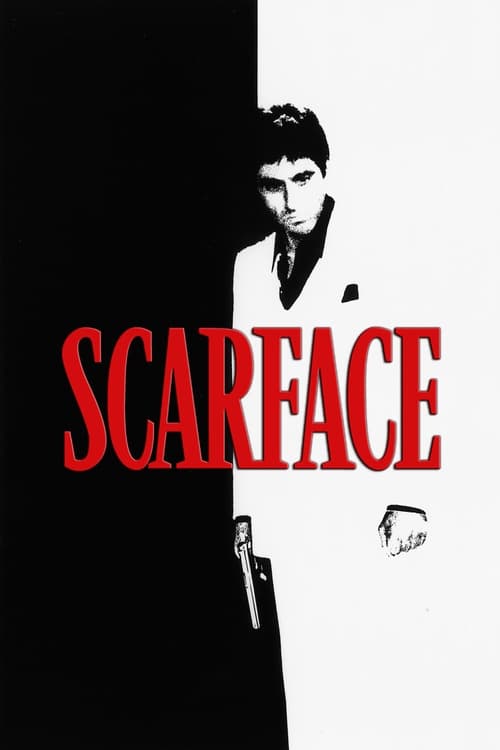
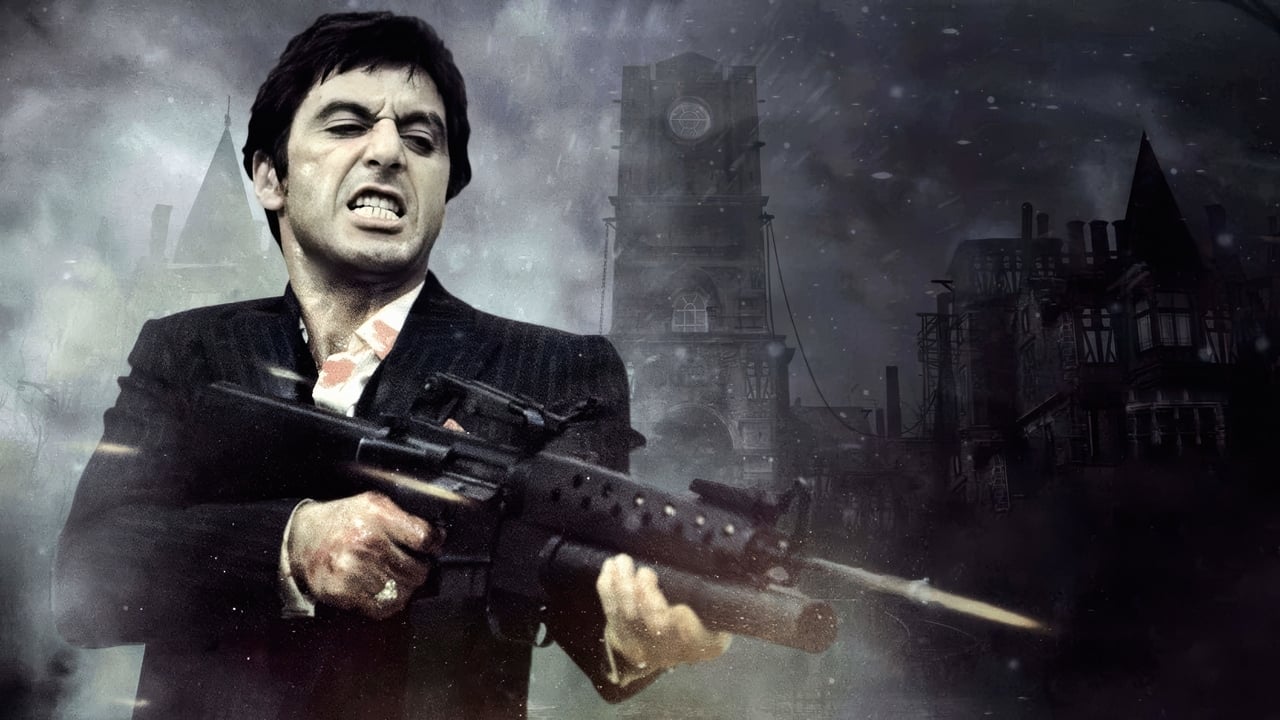
The chainsaw isn't even the loudest thing in Brian De Palma’s Scarface—that honor goes to Al Pacino’s accent, a dialect choice so thick and operatic you could carve it like a Christmas ham. When this three-hour epic hit theaters in 1983, critics were largely repulsed. They saw a bloated, hyper-violent remake of a 1932 classic that traded Art Deco sophistication for Sunbelt sleaze. But looking at it today, through the haze of a thousand bedroom posters and rap lyrics, it’s clear that Scarface isn't just a gangster flick; it’s a Shakespearean tragedy dressed in a silk shirt and a mountain of white powder.
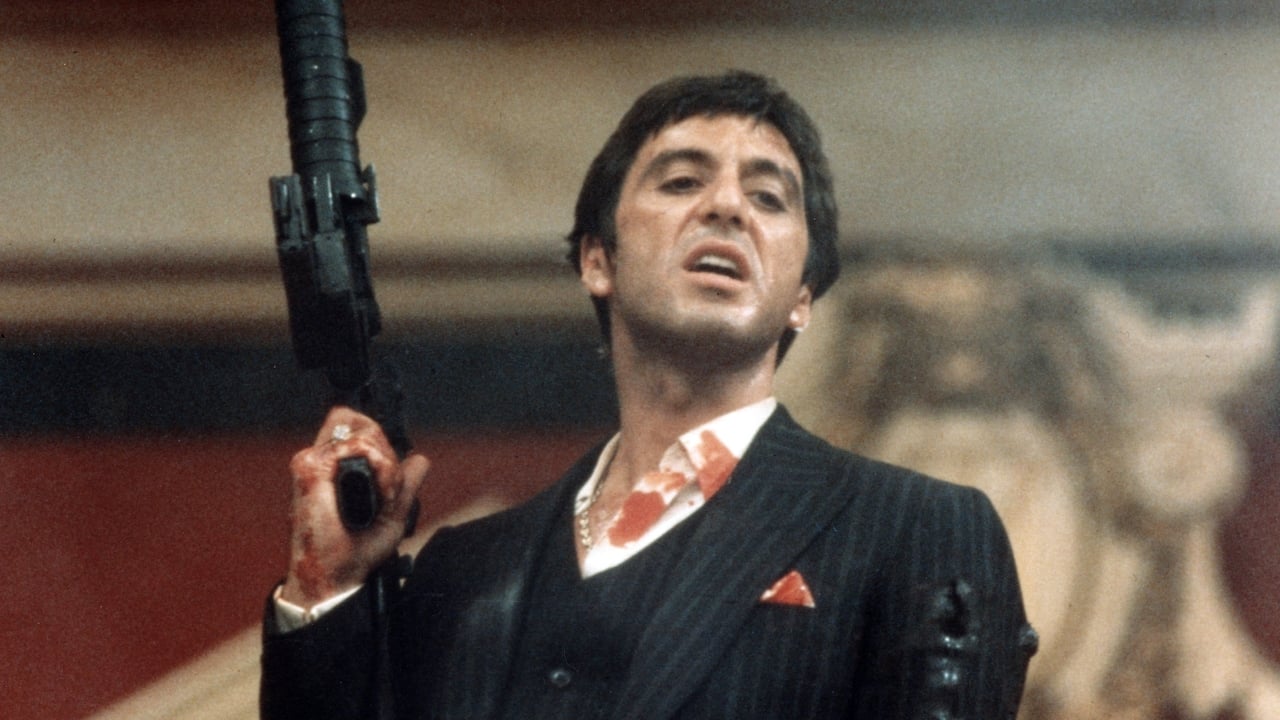
I watched this most recent time while trying to fold a fitted sheet, and by the end, I had just given up and balled the thing into a corner in a fit of empathetic frustration. There is something about the relentless, grinding momentum of Tony Montana’s rise and fall that makes any attempt at domestic order feel utterly futile.
A Script Written in White Powder
The DNA of Scarface is fascinatingly dark. Screenwriter Oliver Stone—who was already a prestige name after his Oscar win for Midnight Express (1978)—actually moved to Paris to write the script as a way to kick his own real-life cocaine addiction. You can feel that frantic, cold-sweat energy in every scene. Tony isn't a calculating mastermind like Michael Corleone; he’s a raw nerve of ambition and insecurity. Al Pacino plays him with an intensity that borders on the supernatural. He treats every line of dialogue like he’s trying to chew through a chain-link fence, and while it’s easy to meme the "Say hello to my little friend" moment, the quieter scenes of Tony’s isolation are where the real horror lies.
The supporting cast is equally sharp, providing the grounded reality that Tony’s ego constantly threatens to float away from. Steven Bauer brings a genuine warmth as Manny, the loyal friend who eventually pays the ultimate price for Tony’s paranoia. Then there’s Michelle Pfeiffer in her breakout role as Elvira. She is hauntingly vacant, a woman who has clearly realized that being a "trophy wife" in this world means being kept in a very expensive, very gilded cage. Her chemistry with Pacino is intentionally non-existent; they are two people who own each other but don't actually like each other.
The Neon Grime of Miami

Visually, Brian De Palma and cinematographer John A. Alonzo (the man behind the look of Chinatown) created something that defined the 80s aesthetic before the 80s even knew what they were. Gone are the shadowy back alleys of New York. This is Miami: all pastel pinks, harsh yellows, and neon blues. It’s a beautiful place where terrible things happen in broad daylight. The violence is famously grisly—the chainsaw sequence in the Sun Ray Motel remains one of the most effective bits of "less is more" filmmaking, as De Palma forces your imagination to do the heavy lifting while the camera lingers on the terrified face of Angel Salazar.
Speaking of the era, we have to talk about the sound. Giorgio Moroder’s synth-heavy score is the heartbeat of the film. It sounds like the 1980s feels—synthetic, cold, and relentlessly driving. It’s the perfect accompaniment to the "Push it to the Limit" montage, a sequence that encapsulates the Reagan-era obsession with "more is never enough."
The Legend of the Red Box
While it was a modest success at the box office, Scarface truly became a titan through the home video revolution. I remember the specific weight of that double-tape VHS set—it felt like holding a brick of the very substance Tony was peddling. Because of its length, it was often sold in a thick "clamshell" case that occupied a place of honor on video store shelves. It was the ultimate "forbidden" rental for a generation of kids, a movie that felt dangerous to own.
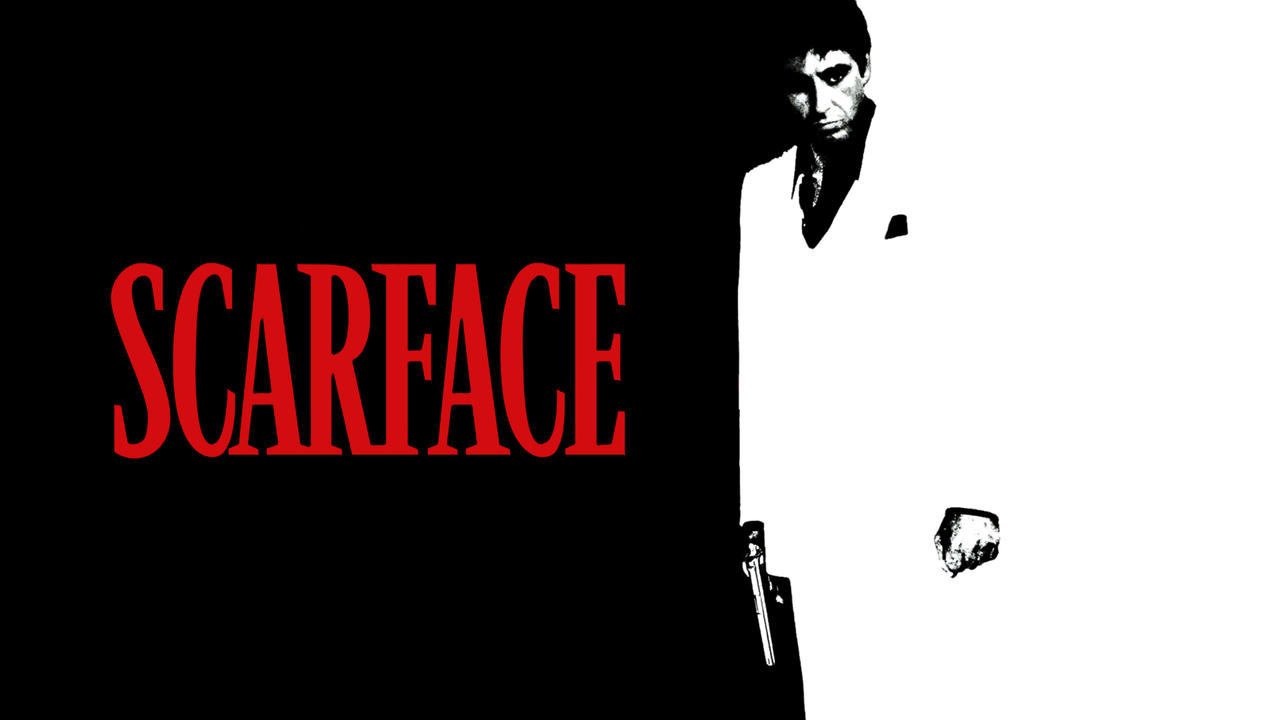
The film’s prestige journey is an odd one. Despite the initial critical drubbing, it earned three Golden Globe nominations—one for Pacino, one for Bauer, and one for Moroder. However, it also "earned" a Razzie nomination for De Palma as Worst Director. History, of course, has been much kinder to the director. His use of the "SnorriCam" (the camera rigged to the actor’s body) and his mastery of long, sweeping shots during the Babylon Club shootout are now studied in film schools. Tony Montana is essentially a very angry toddler who discovered semi-automatic weapons and high-grade stimulants, and De Palma captures that volatile mix with surgical precision.
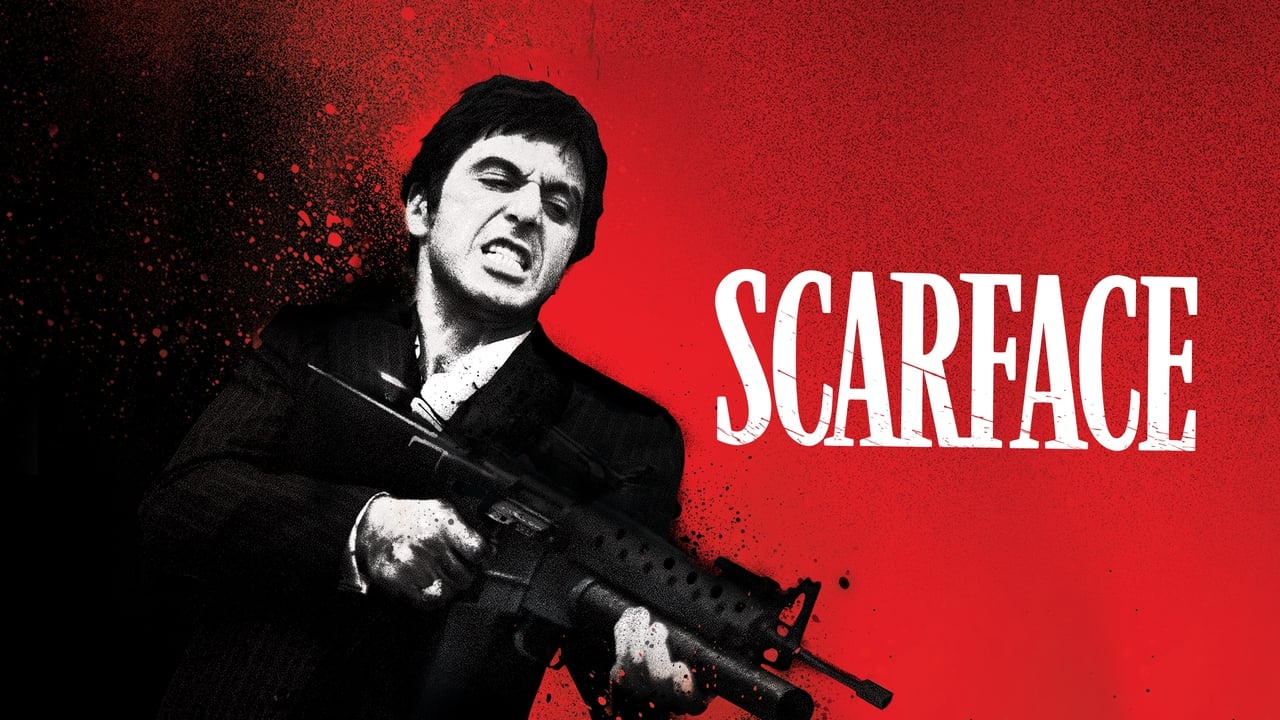
Scarface is a masterpiece of excess that refuses to apologize for its own existence. It’s loud, it’s foul-mouthed, and it’s deeply cynical about the cost of the American Dream. Yet, beneath the gold chains and the M16s, there is a profound sadness to it. Tony Montana reaches the top of the world only to realize there’s nowhere left to go but down, and the descent is a spectacular, blood-soaked fireworks display. It remains one of the most influential crime sagas ever put to film, proving that sometimes, too much is just enough.
Keep Exploring...
-
Carlito's Way
1993
-
The Godfather Part II
1974
-
Dog Day Afternoon
1975
-
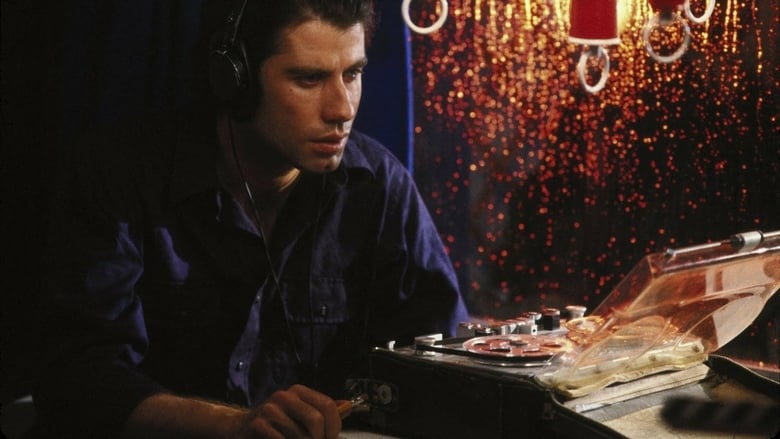
Blow Out
1981
-

Once Upon a Time in America
1984
-

Platoon
1986
-
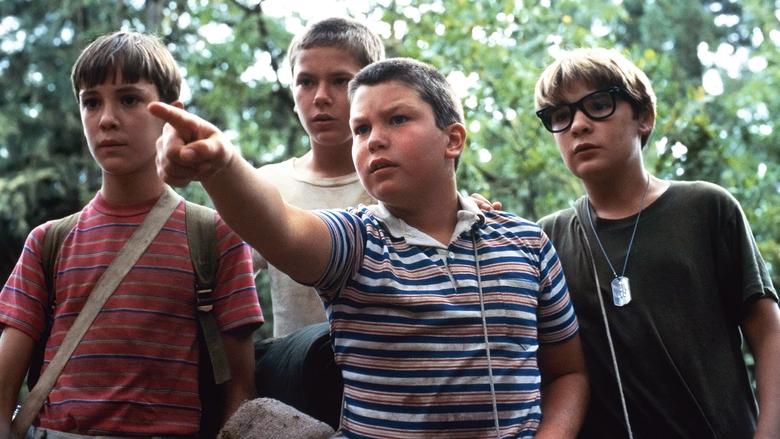
Stand by Me
1986
-
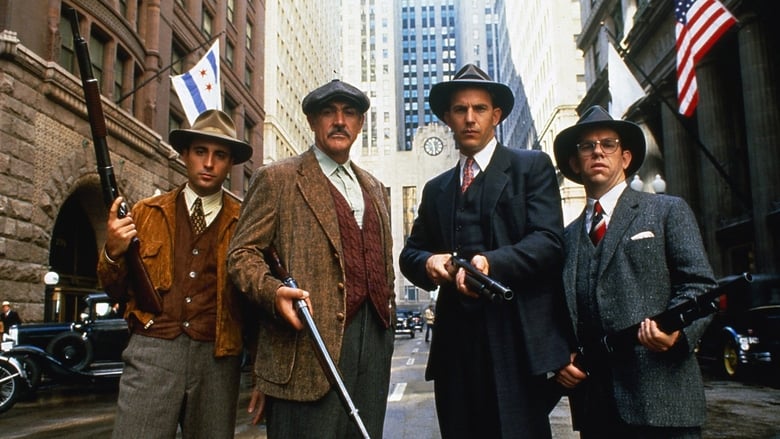
The Untouchables
1987
-
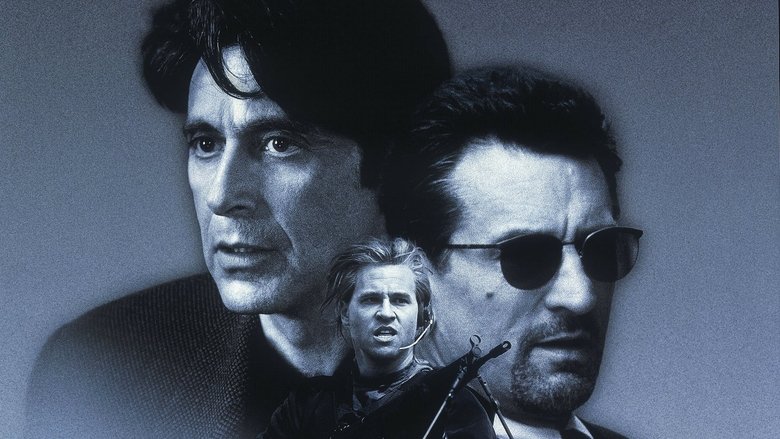
Heat
1995
-
The Godfather
1972
-
Chinatown
1974
-
Serpico
1973
-
Midnight Express
1978
-
The Killer
1989
-

Taxi Driver
1976
-
Beverly Hills Cop
1984
-
Mississippi Burning
1988
-

Wall Street
1987
-
Marathon Man
1976
-
Blood Simple
1985