Superman III
"The Man of Steel gets a mean streak."
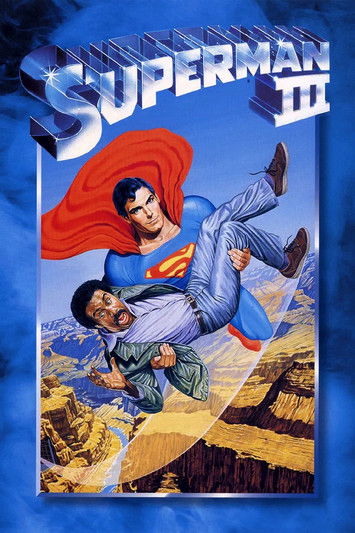
I remember the first time I saw Christopher Reeve as a "bad" Superman. I was sitting on my living room floor, leaning against a beanbag that smelled faintly of old basement air, watching a rental tape with a tracking line that refused to disappear. When Superman—the bastion of Truth, Justice, and the American Way—started flicking peanuts at a mirror and causing oil spills for a laugh, I felt a genuine sense of betrayal. It was the first time I realized that even our gods could have a mid-life crisis.
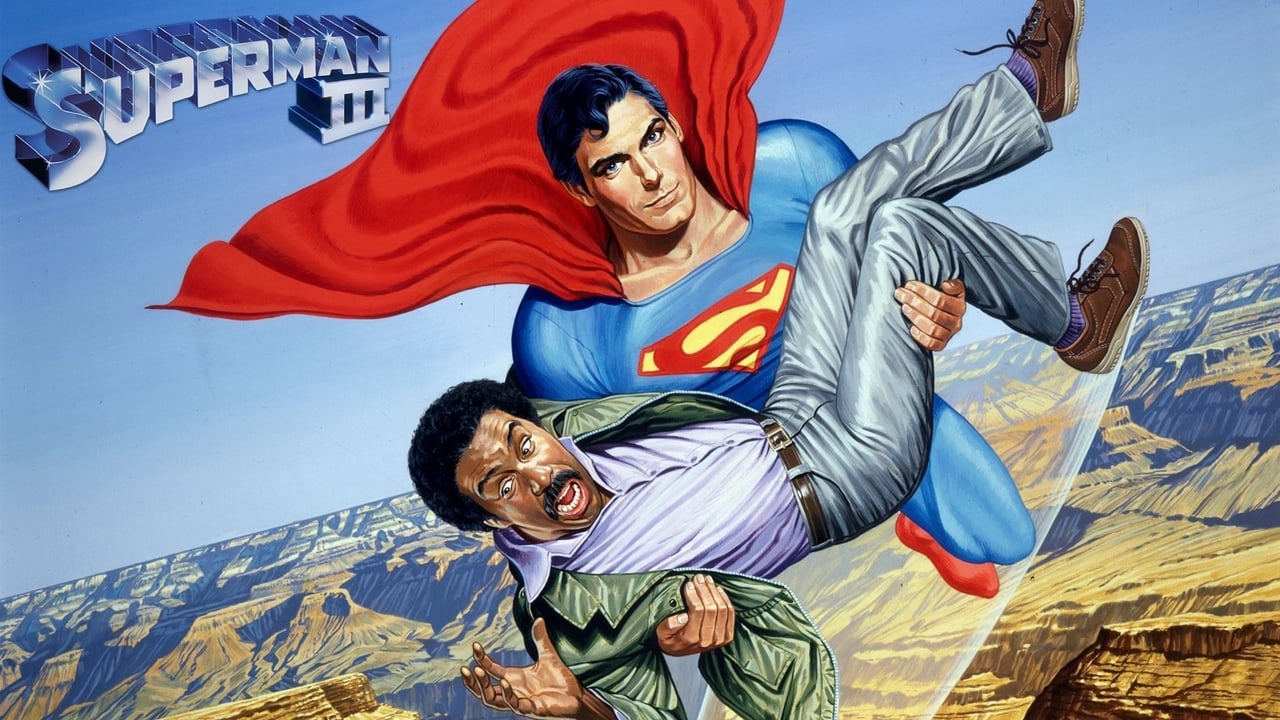
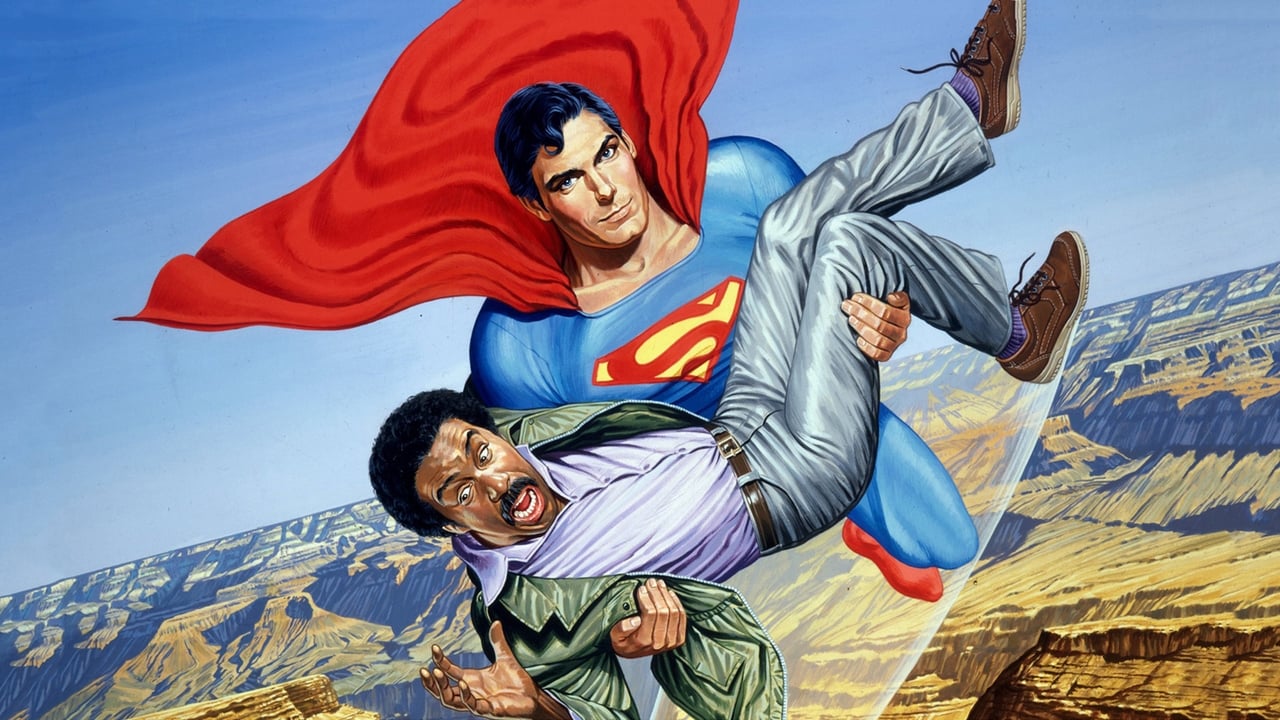
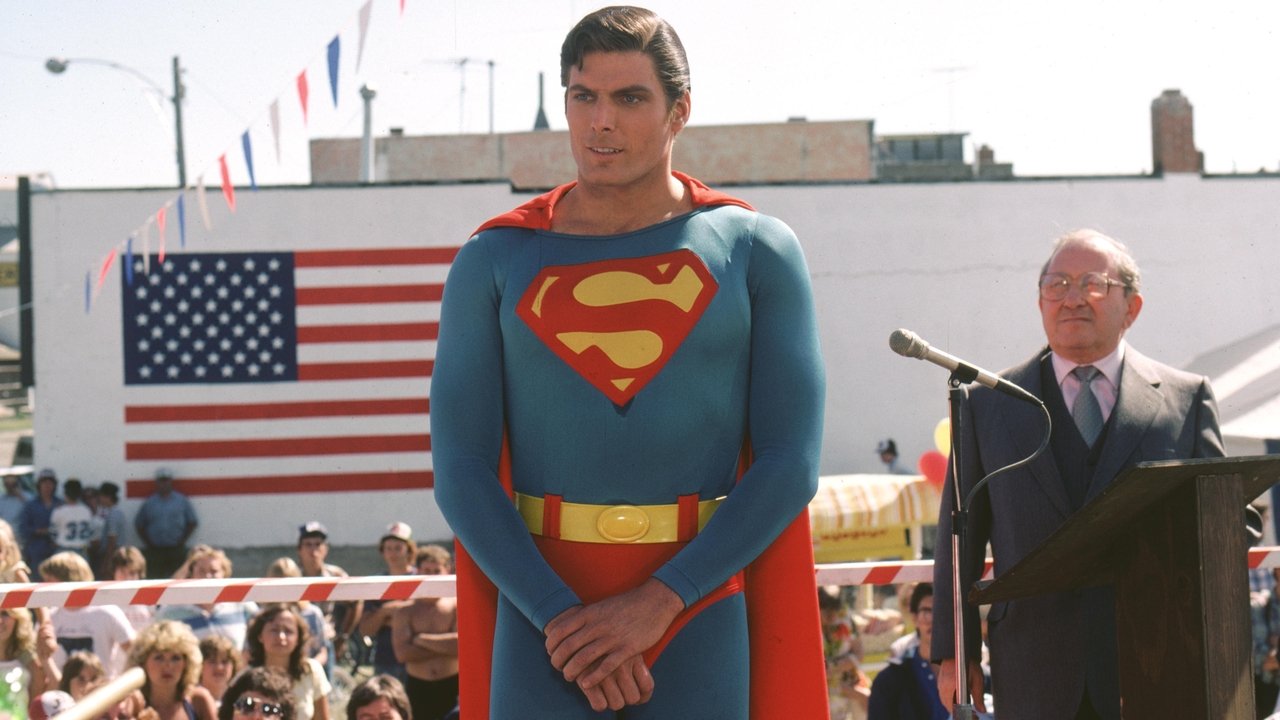
Superman III is a fascinator. It sits right at the intersection of the 1970s' earnest blockbuster ambition and the 1980s' obsession with high-concept kitsch and "star power" casting. Following the behind-the-scenes drama of Superman II—where director Richard Donner was ousted for Richard Lester—this third installment feels like the Salkind family finally got the "fun" movie they wanted. Unfortunately, "fun" in 1983 meant cramming a Richard Pryor comedy into a superhero epic, resulting in a film that feels like two different scripts fighting for air in the same 125-minute runtime.
A Tonally Confused Identity Crisis
The movie opens with a slapstick sequence that feels more like a Pink Panther outtake than a Superman film. There are blind men walking into phone booths and people getting hit with pies. It’s a bold choice, but it signals exactly where Richard Lester wanted to take the franchise: away from the mythic and toward the cartoonish.
Enter Richard Pryor as Gus Gorman. At the time, Pryor was the biggest comedian on the planet, and his inclusion was clearly a bid to capture a broader audience. While I usually adore Pryor’s frantic energy, here he’s essentially playing a live-action Wile E. Coyote who accidentally understands BASIC programming. His Gus Gorman is a bumbling genius who gets recruited by a corporate villain, Ross Webster (played with a "I’m not Gene Hackman" shrug by Robert Vaughn), to build a supercomputer.
The plot is a mess of early-80s tech-anxiety. Gus uses a computer to manipulate weather satellites and embezzle fractions of cents—a trope Office Space would later perfect. But let’s be honest: nobody is here for the accounting. During the scene where Superman straightens the Leaning Tower of Pisa to spite the locals, I actually dropped a piece of buttered popcorn into my shirt, and it stayed there until the credits rolled. That’s the kind of movie this is; it’s distracting, messy, and occasionally grease-stained.
The Junkyard Rumble
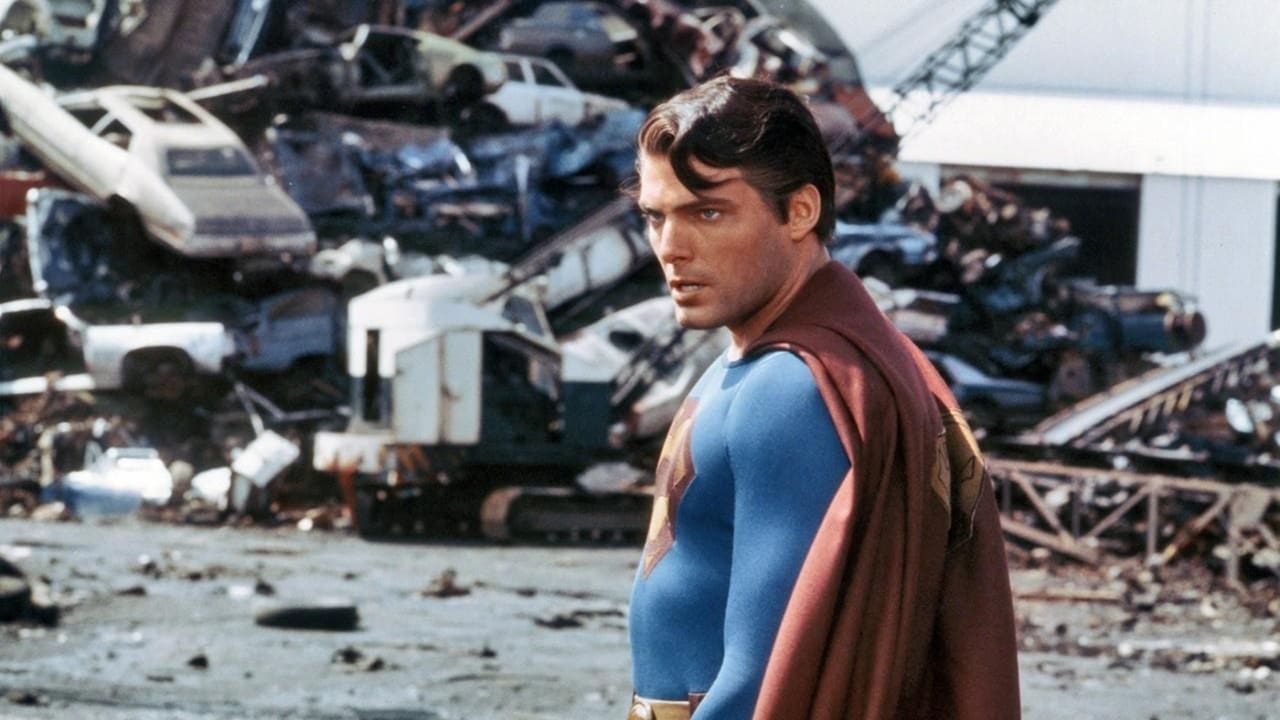
Despite the slapstick, Superman III contains what I believe is the single best sequence in the entire four-film Reeve saga: the junkyard fight. Because the synthetic kryptonite Gus creates is laced with cigarette tar (don't ask), it doesn't kill Superman; it turns him into a cynical, selfish jerk.
The moment where Superman splits into two entities—the dirty, unshaven "Evil" Superman and the mild-mannered, bespectacled Clark Kent—is a triumph of practical effects and performance. Christopher Reeve is magnificent here. He manages to make "Bad Superman" look physically heavier, his movements more sluggish and predatory. When they square off in that junkyard, it isn't just a stunt-show; it’s a physical manifestation of a man's internal struggle with his own morality.
The action choreography in this scene is heavy and impactful. Unlike the floaty, digital fights of modern cinema, you feel the weight of the car crusher and the impact of the scrap metal. It’s the one moment where the film stops trying to be a comedy and remembers it’s about a man who can fly. The junkyard fight is a lonely island of brilliance in a sea of unnecessary pratfalls.
Nightmares in the Machine
If the first half is a comedy, the final act is a proto-body-horror nightmare. The climactic battle against the supercomputer is a wild display of early-80s production design. We’re talking about a massive, glowing set filled with "high-tech" blinking lights that looks like it was borrowed from a Kraftwerk concert.
The most infamous moment—and the one that probably kept a generation of kids from ever wanting to learn how to code—is the transformation of Vera (Annie Ross). When the computer drags her in and encases her in circuit-board armor, turning her into a robotic zombie, the film pivots into pure horror. It’s a jarring, terrifying sequence that feels completely disconnected from the scenes of Richard Pryor wearing a pink cape and giant skis.
Looking back on this through the lens of the VHS era, Superman III was always the tape that sat on the shelf at the video store with the most sun-faded spine. It didn't have the prestige of the 1978 original or the "Zod" factor of the sequel. Yet, it has a strange, magnetic pull. It’s a relic of a time when studios weren't afraid to let a franchise get weird, even if that meant sacrificing the dignity of its lead character for a few gags.
Ultimately, the film is a casualty of its own ambitions. It wants to be a Pryor vehicle, a tech-thriller, and a superhero redemption story all at once. While it fails as a cohesive narrative, the flashes of Reeve’s darker performance and the sheer audacity of the robot-transformation scene make it a curiosity worth visiting. It’s a lopsided, occasionally frustrating experience, but it’s never boring—and in the world of 1980s sequels, that’s almost a superpower of its own.
Keep Exploring...
-

Superman II
1980
-

Superman
1978
-
The Jewel of the Nile
1985
-

The Golden Child
1986
-

Masters of the Universe
1987
-

Star Trek V: The Final Frontier
1989
-
Flash Gordon
1980
-
Dune
1984
-
Teenage Mutant Ninja Turtles II: The Secret of the Ooze
1991
-
Star Trek III: The Search for Spock
1984
-
Moonraker
1979
-

Mad Max Beyond Thunderdome
1985
-

Mystery Men
1999
-
Osmosis Jones
2001
-
Rim of the World
2019
-
Conan the Destroyer
1984
-
National Lampoon's European Vacation
1985
-

Cocoon: The Return
1988
-
Spy Kids 2: The Island of Lost Dreams
2002
-

Journey to the Center of the Earth
2008