The Dead Zone
"A touch of destiny, a lifetime of regret."
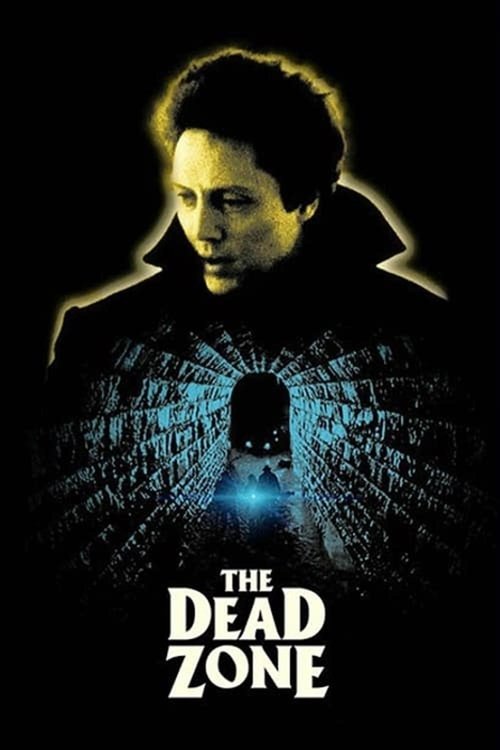
There is a specific kind of "movie cold" that only existed in the early 80s—a damp, New England chill that seems to seep through the screen and settle directly in your marrow. The Dead Zone is the cinematic equivalent of a wet wool coat. I watched my most recent viewing while nursing a lukewarm cup of instant coffee that had developed a weird, oily film on top, and honestly, that dismal beverage paired perfectly with the film’s pervasive sense of tragedy. This isn't the flashy, neon-soaked 1983 of Scarface; it’s a grey, hushed world where the supernatural feels less like a wonder and more like a terminal illness.
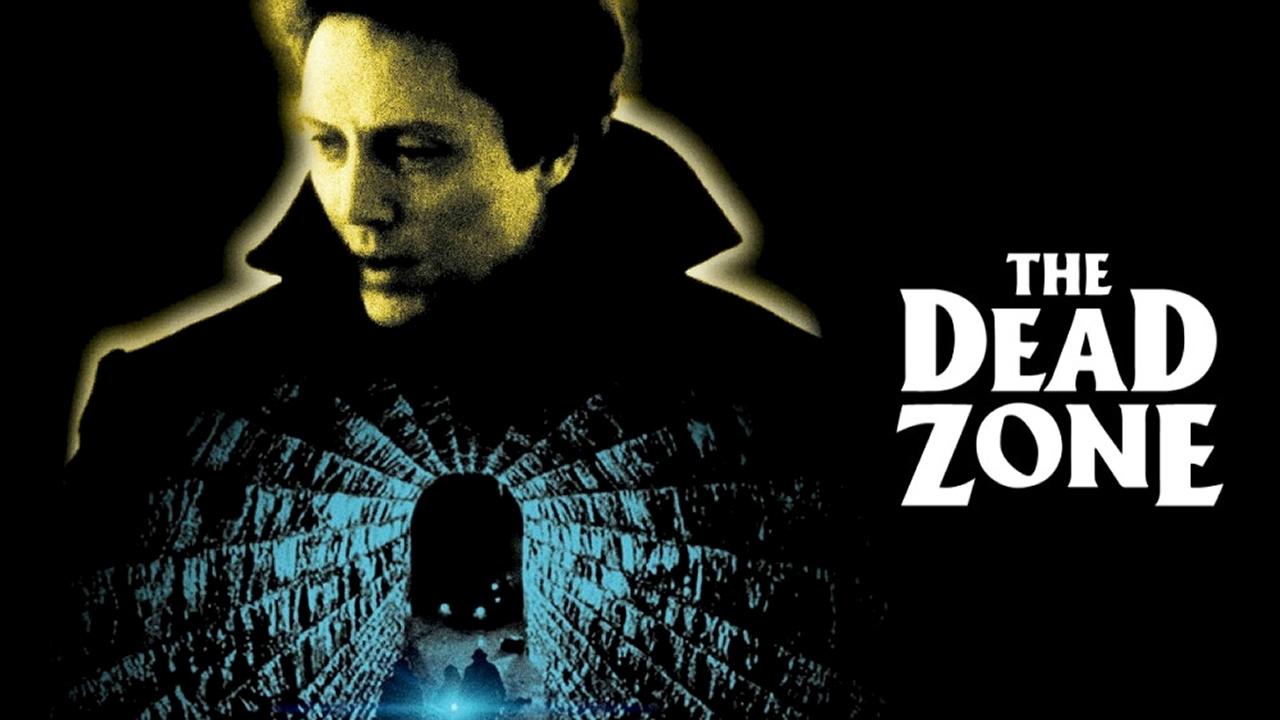
Directed by David Cronenberg, this was the moment the master of "body horror" proved he could break your heart just as easily as he could turn your stomach. While his previous work like Videodrome (1983) or The Brood (1979) focused on the physical mutation of the flesh, The Dead Zone focuses on the mutation of a life. It is, quite arguably, the most soulful Stephen King adaptation ever put to celluloid.
The Tragedy of the Touch
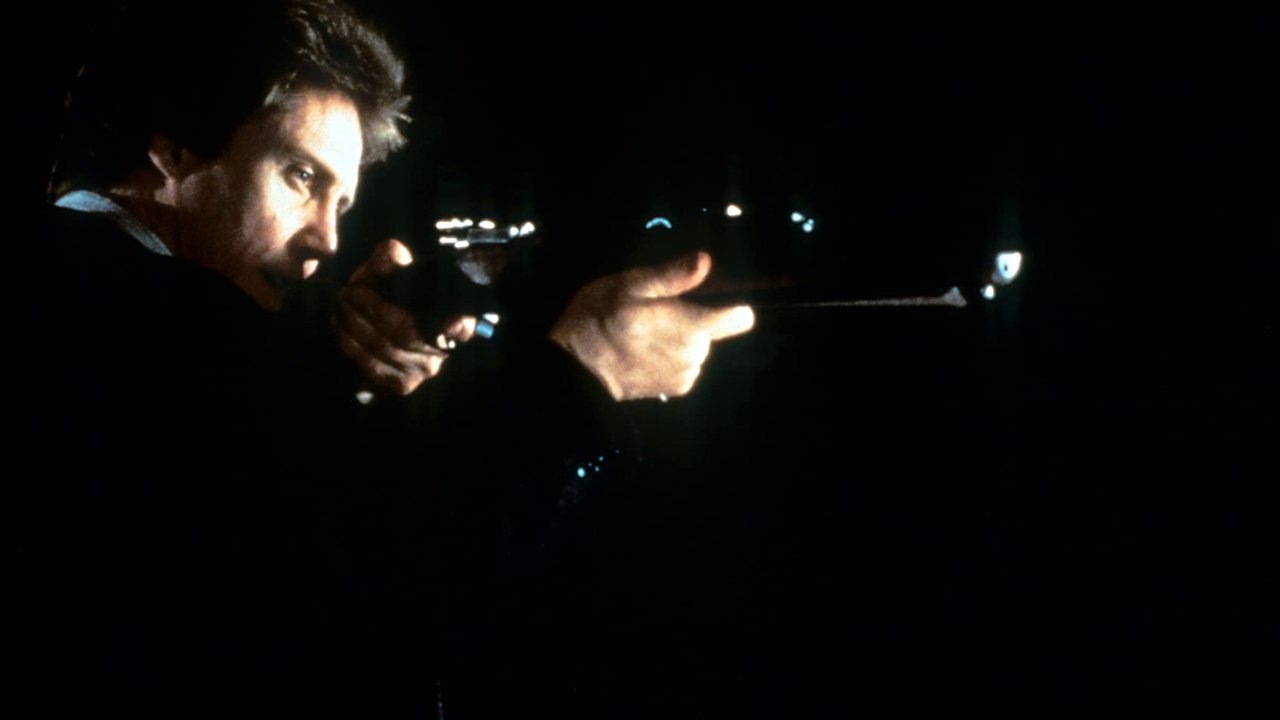
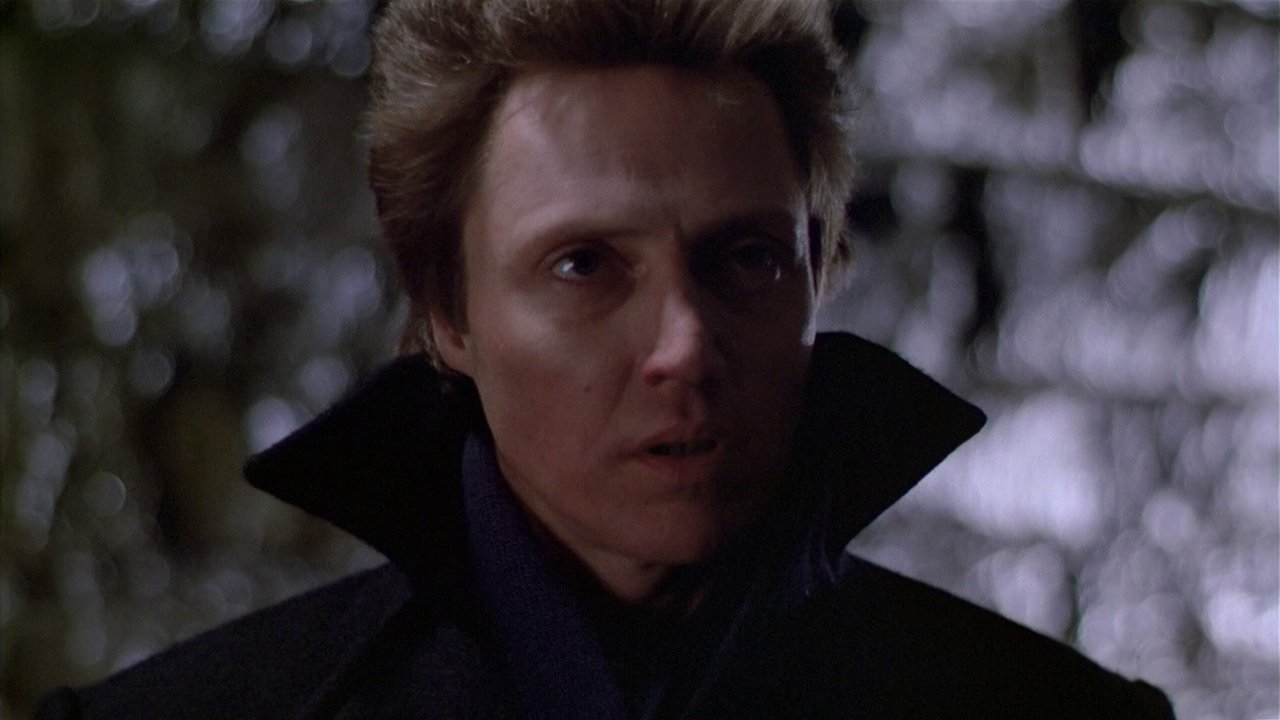
At the center of it all is Christopher Walken as Johnny Smith. If you only know Walken from his later years as a quirky, dancing caricature of himself, you owe it to your cinematic education to see him here. He is gaunt, haunted, and profoundly vulnerable. Johnny isn't a superhero; he’s a guy who lost five years of his life to a coma and woke up to find his fiancée, Sarah (Brooke Adams), married to another man and raising a child that isn't his.
The "gift" he receives—the ability to see a person’s future or past through physical contact—is played entirely as a curse. Walken’s eyes look like they’ve seen the heat death of the universe every time he grabs someone's hand. The chemistry between him and Brooke Adams is genuinely painful to watch because they are so clearly still in love, but the timing of the universe has played a cruel joke on them. Adams brings a grounded, aching warmth to Sarah that makes the supernatural elements feel heavy and real.
The film operates as a series of vignettes—Johnny helping a local sheriff (Tom Skerritt) catch a serial killer, Johnny trying to save a wealthy student—before coalescing into a political thriller. It shouldn't work as a cohesive narrative, but Cronenberg manages to thread the needle by keeping the focus entirely on Johnny’s deteriorating psyche.
Cronenberg Without the Slime
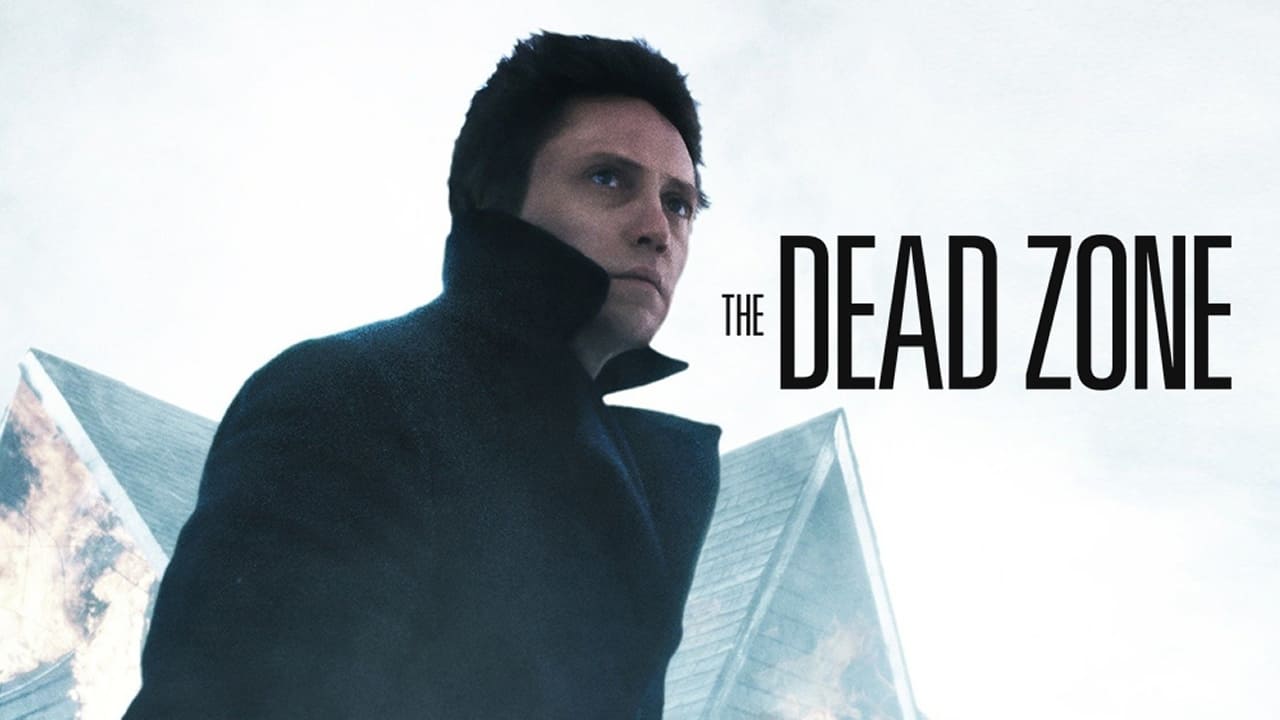
For a director known for exploding heads and telepathic battles, David Cronenberg shows remarkable restraint here. He trades the gore for atmosphere, utilizing Mark Irwin’s cinematography to turn the Ontario filming locations into a bleak, wintry purgatory. There are no jump scares here that feel cheap. Instead, the horror is situational.
Take the sequence involving the Dodd family. Colleen Dewhurst is chilling as the protective mother of a murderer, and the final confrontation in a bathroom is one of the most jarringly violent scenes in the film, not because of the blood, but because of the sheer desperation of it. The sight of a man using a pair of scissors to end his own life is handled with a clinical, cold detachment that is far more upsetting than any slasher movie.
The score by Michael Kamen (who would later go on to do Die Hard) is equally essential. It’s mournful and classical, eschewing the synth-heavy trends of the era for something that feels timeless. It sounds like a funeral march for a life that hasn't ended yet.
The Texture of the VHS Era
This was a massive title for the home video revolution. I recall the original VHS box art from the Lorimar release; it featured a close-up of Walken’s face, pale and wide-eyed, promising a horror movie. While it certainly has those elements, the film’s longevity comes from its humanity. In the video store days, this was often the "safe" Cronenberg movie you could recommend to your parents, only for them to be blindsided by how depressing it actually was.
Interestingly, the production had its share of "what ifs." Stephen King actually wrote a draft of the screenplay, but Cronenberg reportedly found it "unnecessarily clunky." Instead, Jeffrey Boam delivered a script that distilled a massive novel into a tight 103 minutes. Also, look for Herbert Lom (the legendary Chief Inspector Dreyfus from the Pink Panther films) as Dr. Sam Weizak. He provides the film’s moral compass, and his chemistry with Walken gives the movie its only real sense of paternal warmth.
The film's climax, involving a populist politician, has only become more prescient with age. It’s a chilling reminder that the greatest threats aren't always monsters in the woods, but men who crave power at any cost.
The Dead Zone is a rare bird: a high-concept sci-fi thriller that functions primarily as a character study. It’s a film about the burden of responsibility and the agony of knowing the price of the future before you pay it. Even with its wintry, bleak exterior, it remains a deeply moving experience. If you’re looking for a film that balances 80s atmosphere with genuine emotional weight, grab a blanket and turn the lights down. Just maybe skip the oily coffee.
Keep Exploring...
-
Dead Ringers
1988
-

The Fly
1986
-
Videodrome
1983
-
Manhunter
1986
-

Scanners
1981
-

Invasion of the Body Snatchers
1978
-
Blade Runner
1982
-

Star Trek II: The Wrath of Khan
1982
-
WarGames
1983
-
The Terminator
1984
-
Aliens
1986
-

Predator
1987
-
RoboCop
1987
-
Dressed to Kill
1980
-

Cujo
1983
-
2010
1984
-
Star Trek III: The Search for Spock
1984
-
The Hitcher
1986
-
The Lost Boys
1987
-
The Blob
1988