The Outsiders
"The world is cruel, but brotherhood is gold."
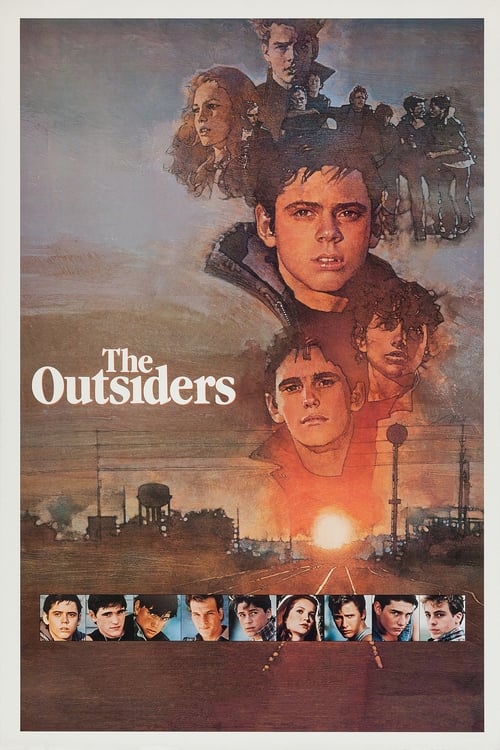
Most directors coming off a career-shattering financial disaster like One from the Heart (1982) would have played it safe, but Francis Ford Coppola decided to listen to a group of junior high students from Fresno instead. They sent him a petition, signed by an entire class, pleading with him to adapt S.E. Hinton’s novel. What resulted wasn't just a "teen movie" in the sense we’d eventually come to know from the John Hughes era. It was a grand, operatic tragedy that treated the dirt-smudged faces of Oklahoma street kids with the same Shakespearean weight Coppola gave to the Corleones in The Godfather.
I watched this most recently while trying to assemble a flat-pack bookshelf, which felt appropriately blue-collar for the Greaser lifestyle, though my struggle with an Allen wrench lacked the high-stakes drama of a Tulsa rumble. The film hits differently when you’re an adult. You stop seeing the cool leather jackets and start seeing the bruised ribs and the terrifying absence of parents. It’s a heavy, gorgeous piece of cinema that captures that specific moment when the sun goes down on childhood and the night feels permanent.
A Masterpiece in Golden Hour
Visually, the film is a fever dream of 1950s iconography filtered through a 1980s lens. Cinematographer Stephen H. Burum (who later shot The Untouchables) denches the screen in "Golden Hour" light—deep oranges, bruising purples, and silhouettes that make the Tulsa skyline look like a battlefield in a classic Western. Coppola intentionally leaned into a "Gone with the Wind" aesthetic, which sounds pretentious on paper but works perfectly on screen. It elevates the petty squabbles between the Greasers and the Socs (the "Socials") into something mythic.
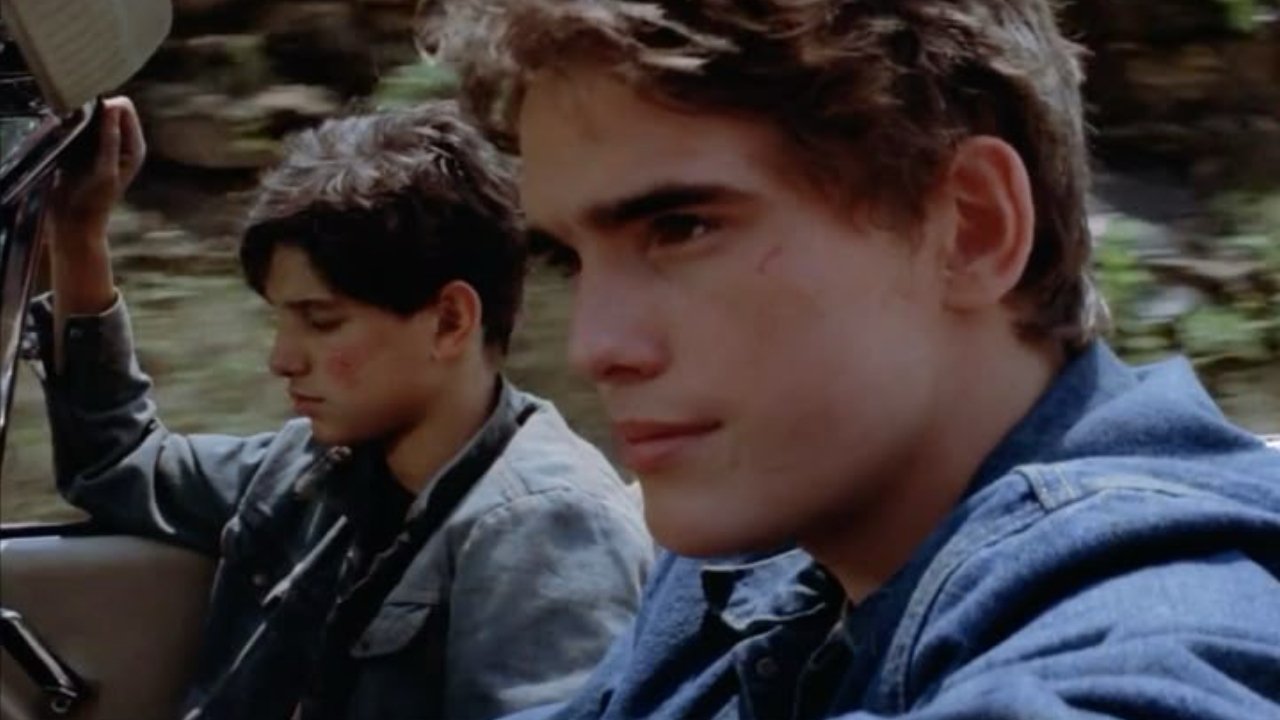
When C. Thomas Howell, as the sensitive, bookish Ponyboy Curtis, watches the sunrise with Ralph Macchio’s Johnny Cade, the film breathes. It’s a rare drama that isn't afraid of silence or poetry. Macchio, long before he was the Karate Kid, delivers a performance here that is genuinely haunting. He’s the sacrificial lamb of the story, carrying a look of perpetual terror that feels grounded in real-world trauma rather than movie-of-the-week melodrama.
The Brutality of the Outside
While the film is famous for its "Brat Pack" starter-kit cast, the tone is surprisingly grim. This is an intense exploration of class-based rage. The "fountain scene," where the Socs attempt to drown Ponyboy in a public park, is staged with a frantic, suffocating energy that still makes me hold my breath. I’d argue the fountain scene is more terrifying than most 80s slasher kills because there’s no masked monster—just a group of rich kids in Madras shirts acting out of pure, unchecked entitlement.
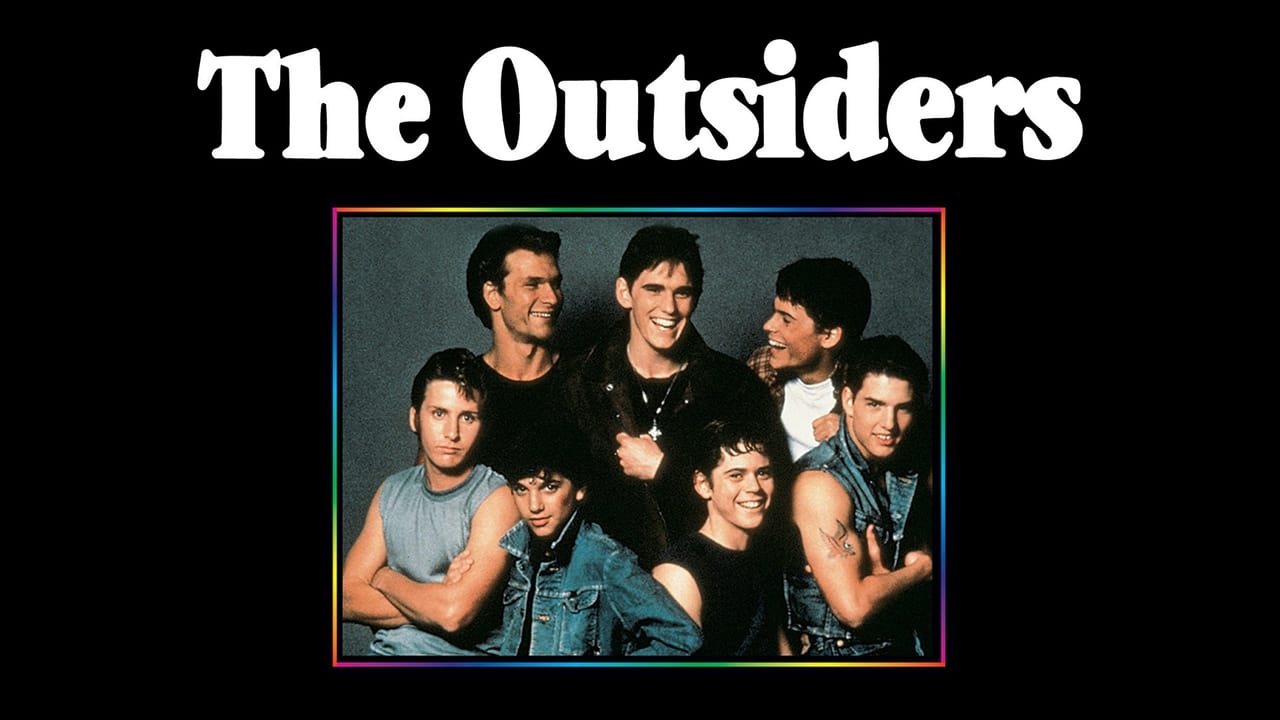
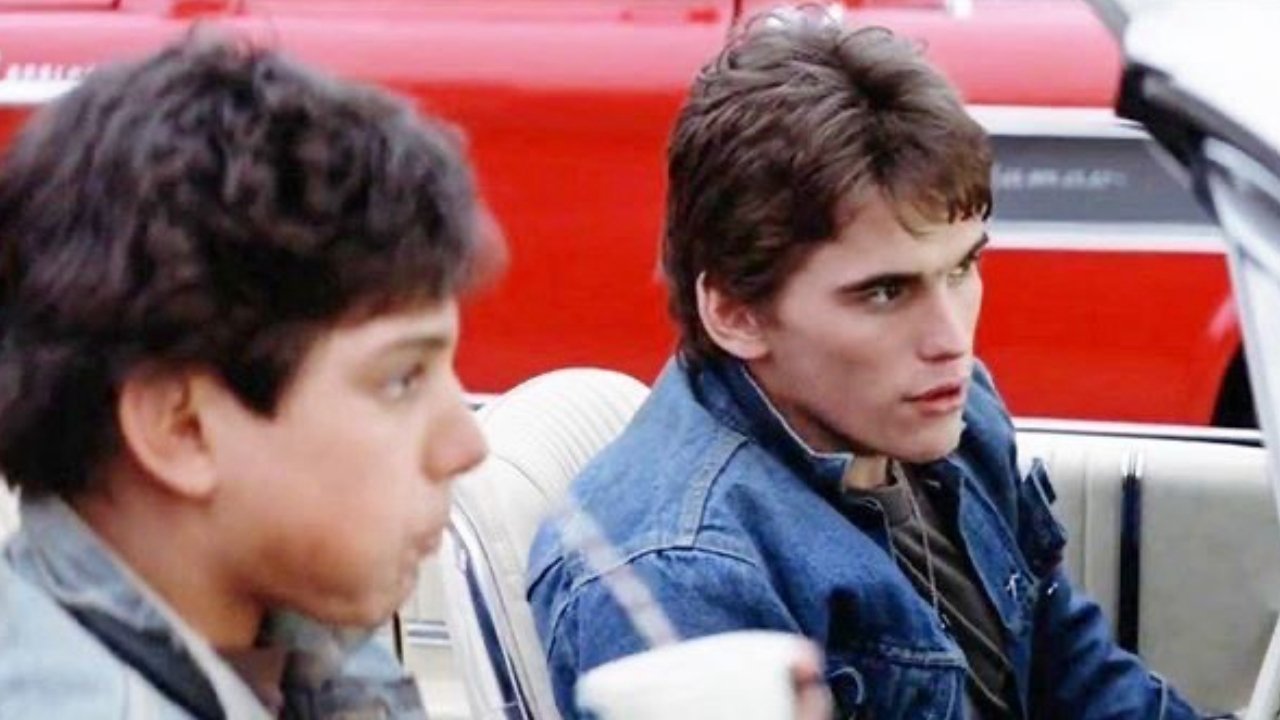
The ensemble is a miracle of casting. You have a young Patrick Swayze as Darrel, the eldest brother who traded his own future to keep his family together, and Matt Dillon as Dallas Winston, the quintessential "hood" who is already too far gone. Dillon is the standout for me; he brings a volatile, dangerous energy to every frame. He doesn't just play a rebel; he plays a boy who has realized the world has no place for him and has decided to burn it down in retaliation.
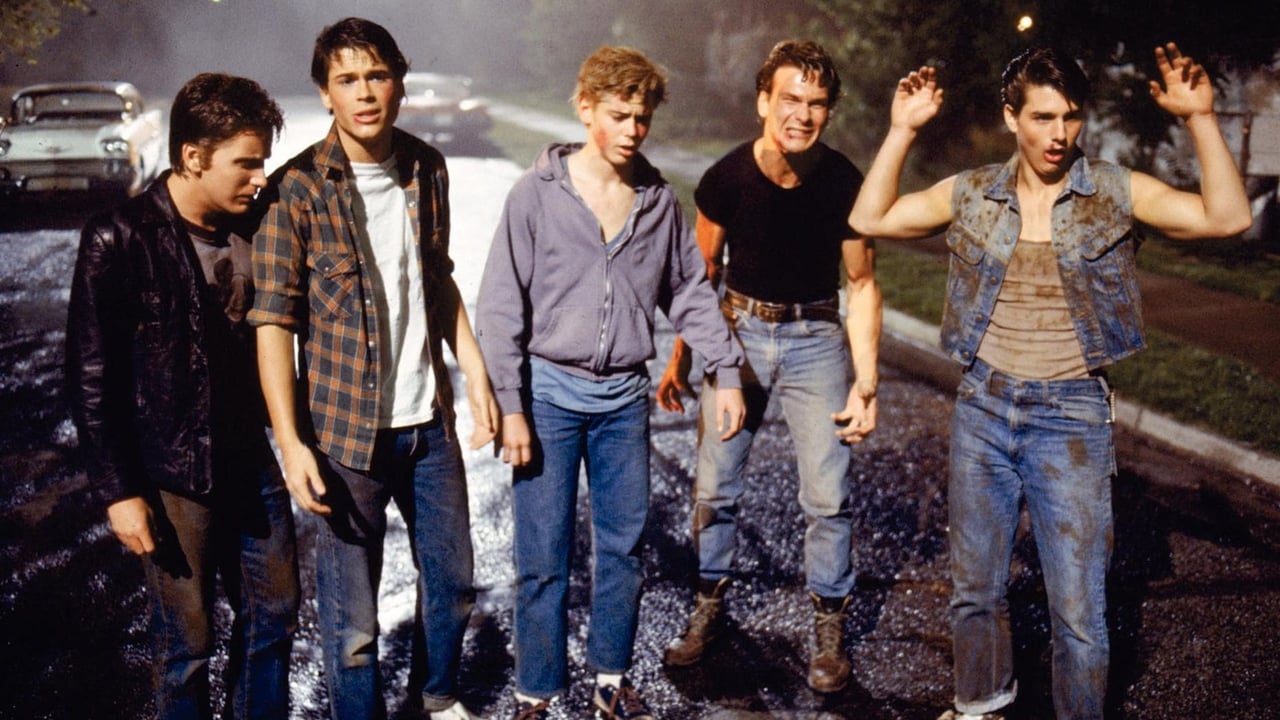
The violence isn't stylized or "cool." When the big rumble finally happens in the pouring rain, it’s a sloppy, desperate mess of mud and teeth. It’s an unglamorous depiction of how poverty and privilege collide, leaving everyone bloodied and no one truly victorious. The true tragedy of this film isn't the death; it's that these kids already felt dead at sixteen.
The VHS Shelf and the "Complete" Legacy
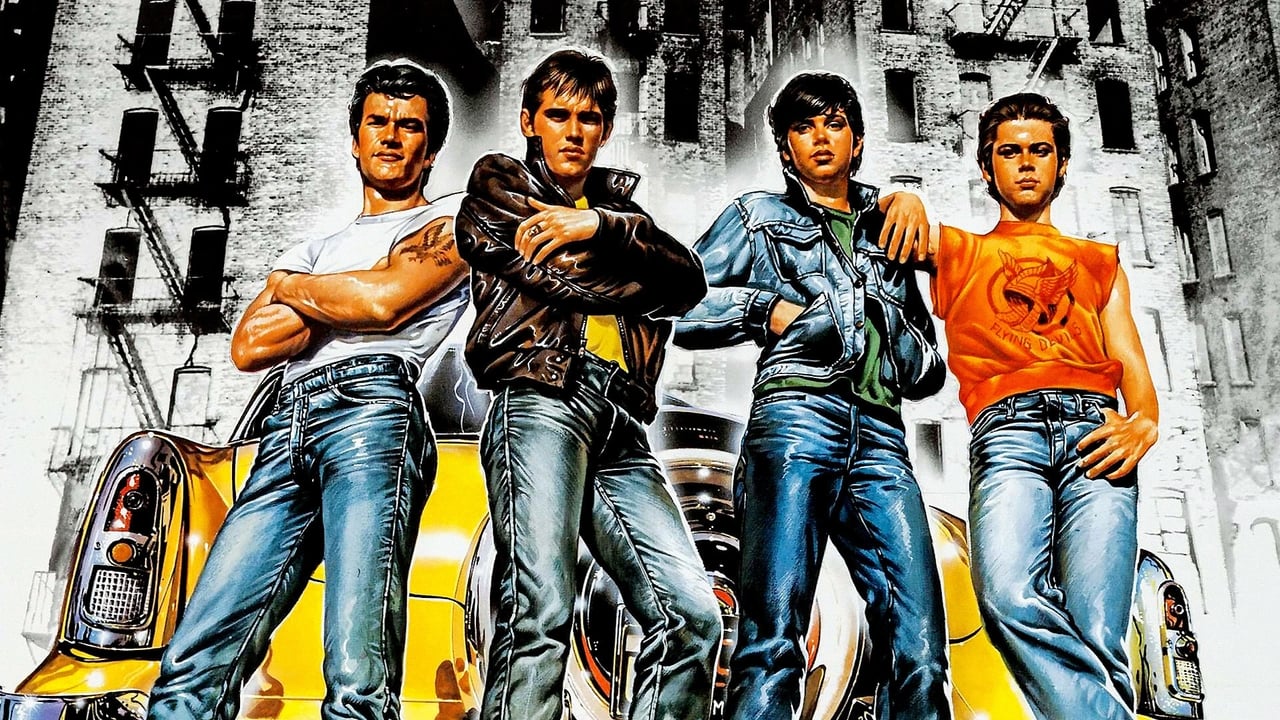
For those who grew up in the peak rental era, The Outsiders was a staple. I remember the specific weight of that clamshell case and the way the gold-hued cover art promised a rumble that the film delivered, but with a side of emotional devastation we weren't always prepared for. Interestingly, the theatrical version most of us saw on tape was a lean 91 minutes, stripped of many of the book’s quieter moments to focus on the grit.
Years later, Coppola released "The Complete Novel" edition, which restored about 20 minutes of footage and swapped out much of his father Carmine Coppola’s sweeping orchestral score for 1960s rock-and-roll. While the rock tracks feel more era-appropriate, there’s something about the original, mournful score that matches the film’s "Sunset" aesthetic better. It’s one of those rare cases where the "short" version feels like a punch to the gut, while the "long" version feels like a warm embrace of the source material.
Behind the scenes, the production was just as tribal as the film. Coppola famously kept the Greasers and the Socs in different hotels and gave the Socs leather-bound scripts and fancy perks while the Greasers got the "working class" treatment to build real-life resentment. You can see it in the eyes of Emilio Estevez and Rob Lowe—there’s a genuine, frayed bond between them that feels earned through long nights and low budgets. Even a young Tom Cruise, sporting a chipped tooth and a manic grin, feels like he’s part of a brotherhood rather than a call sheet.
The Outsiders remains a cornerstone of 80s drama because it refuses to talk down to its audience. It understands that when you’re sixteen and poor, the world isn't a playground—it’s a cage. Coppola captured a lightning-in-a-bottle moment with this cast, but more importantly, he captured the fleeting, fragile beauty of youth before the world hardens it. It’s a film that asks you to "stay gold," even when everything around you is turning to gray. It’s beautiful, it’s brutal, and it’s essential cinema.
Keep Exploring...
-

The Conversation
1974
-
Mississippi Burning
1988
-
The Rainmaker
1997
-
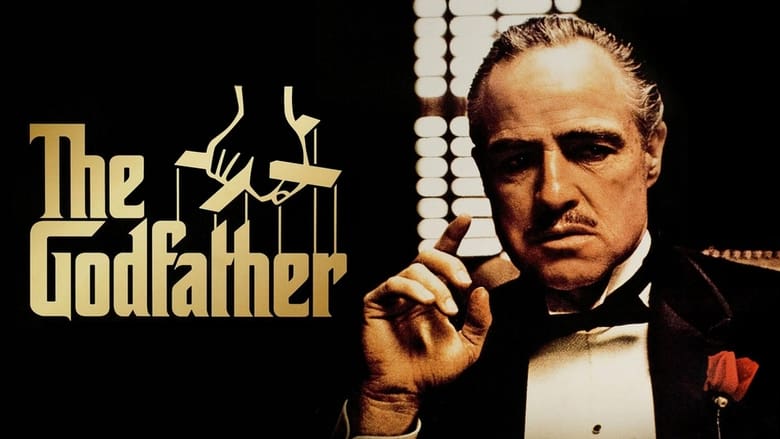
The Godfather
1972
-
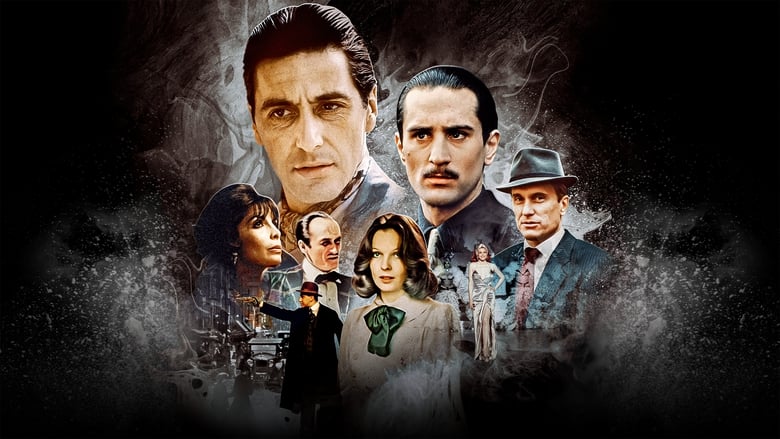
The Godfather Part II
1974
-
Blood Simple
1985
-
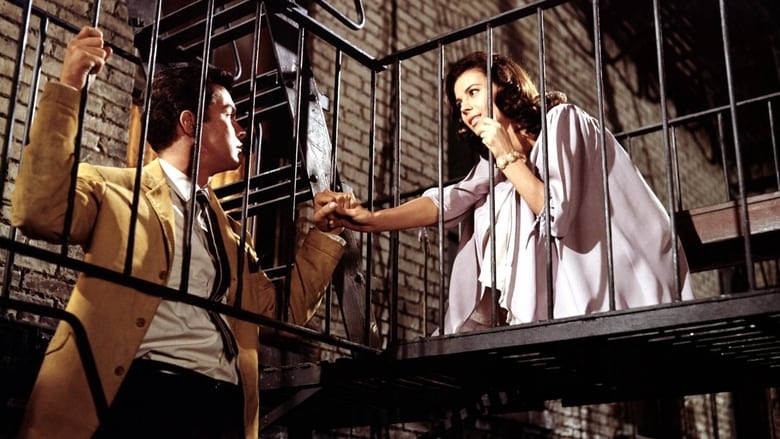
West Side Story
1961
-
Marathon Man
1976
-
Crimes and Misdemeanors
1989
-
Bonnie and Clyde
1967
-
Cool Hand Luke
1967
-

Magnum Force
1973
-
Witness
1985
-
Stand by Me
1986
-

Wall Street
1987
-

Apocalypse Now
1979
-
Le Samouraï
1967
-
The Killer
1989
-
The Godfather Part III
1990
-
Blow Out
1981