The Right Stuff
"Breaking the sound barrier was just the beginning."
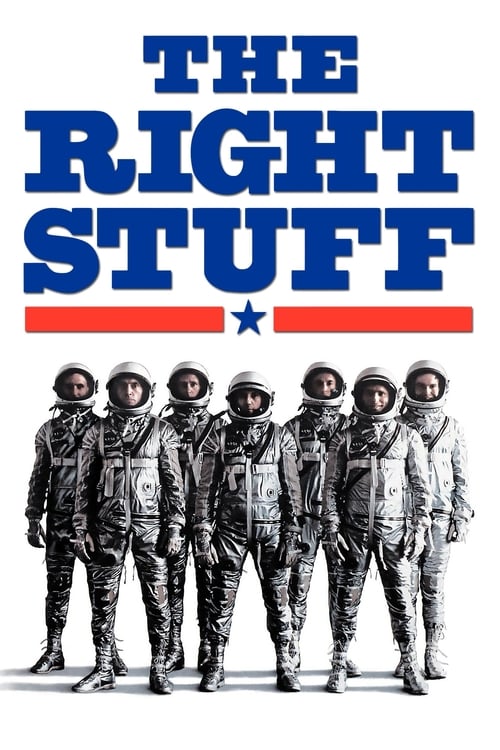
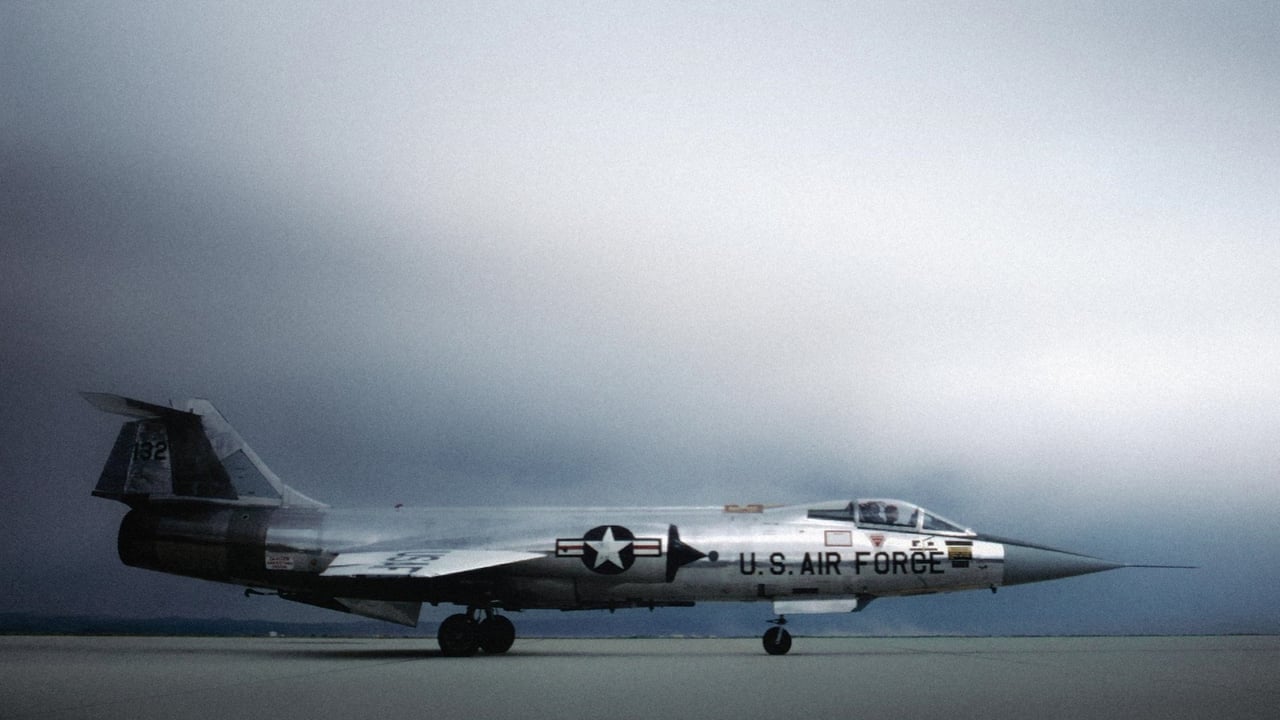
The Mojave Desert in 1947 looks like the surface of another planet, all heat haze and jagged shadows, where men in leather jackets trade their lives for a few extra miles per hour. This is where The Right Stuff begins, not with a countdown or a polished press conference, but with the lonely, violent roar of Chuck Yeager’s X-1 piercing the sky. It’s a film that manages to be a sprawling history lesson, a hilarious satire of American bureaucracy, and a deeply moving character study all at once. I watched this on a rainy Sunday while eating a slightly stale sleeve of Saltines, and for some reason, the dry crunch of the crackers made the parched Mojave scenes feel three-dimensional.
The Two-Tape Titan
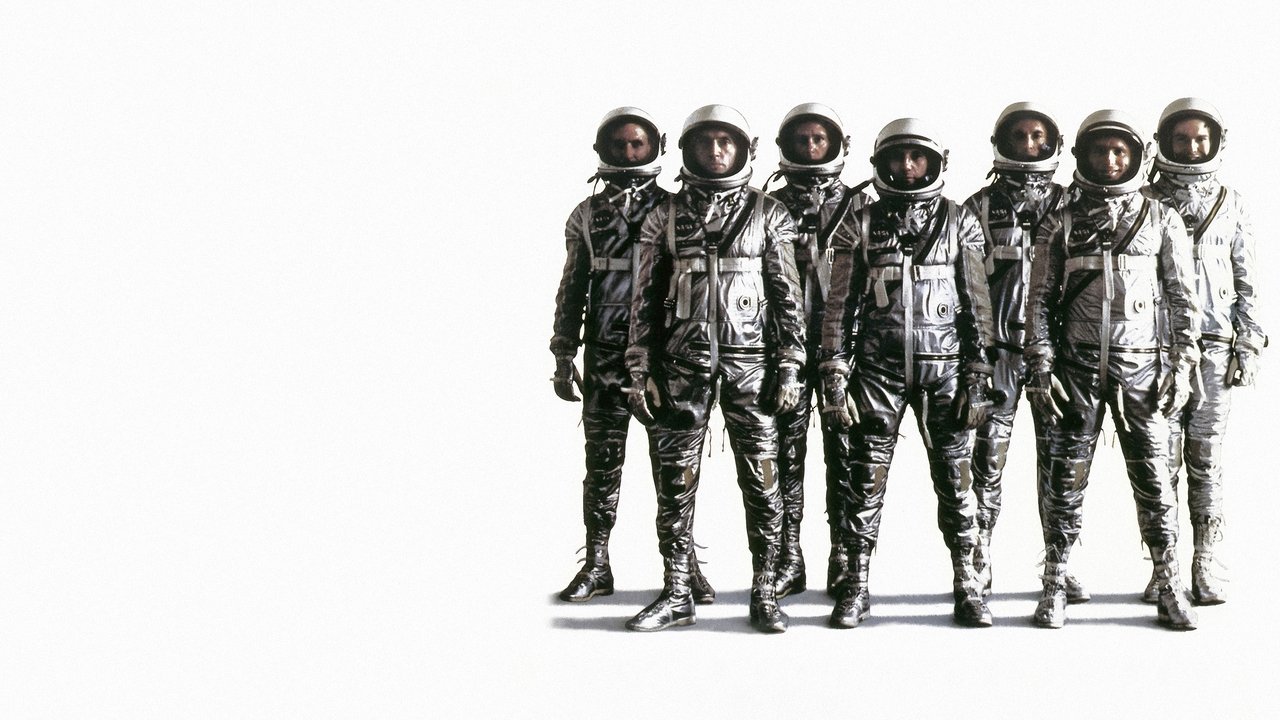
In the mid-80s, if you wanted to experience the "Space Race" from your living room, you didn't just rent a movie; you committed to a marathon. Because of its massive 193-minute runtime, the VHS release was a chunky, double-tape set. There was a specific ritual to it—reaching the midway point where the screen went black, popping the first tape out of the VCR, and sliding the second one in. That physical intermission gave you just enough time to grab a soda and wonder how Philip Kaufman (who also gave us the gritty Invasion of the Body Snatchers remake) managed to make a movie this long feel so brisk.
Despite the critical acclaim, the film was a notorious box office dud. It cost $27 million and couldn't even claw back its budget during its theatrical run. Part of the problem was the marketing; audiences in 1983 weren't sure if they were getting a dry documentary or a political advertisement for the real-life John Glenn’s presidential run. It wasn't until those two-tape sets started circulating in suburban video stores that people realized this wasn't a boring history book—it was an adventure.
The Grin and the Grit
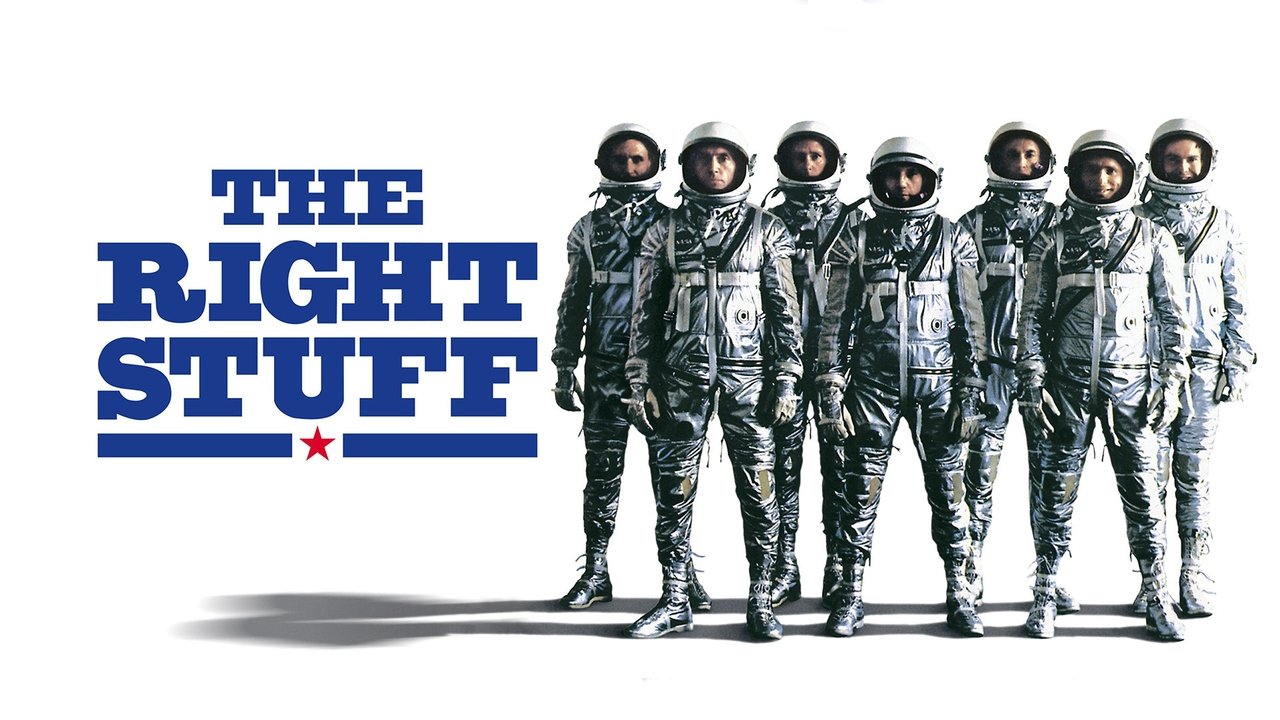
The ensemble cast is a "Who’s Who" of guys who would go on to define 80s and 90s cinema. Sam Shepard plays Chuck Yeager with a laconic, toothpick-chewing coolness that makes you realize Yeager is the only person in the movie who doesn't need a PR team to be a hero. On the flip side, you have the Mercury 7 astronauts, led by Ed Harris as the squeaky-clean, fiercely determined John Glenn. Harris captures that specific brand of mid-century American idealism without making it feel like a caricature.
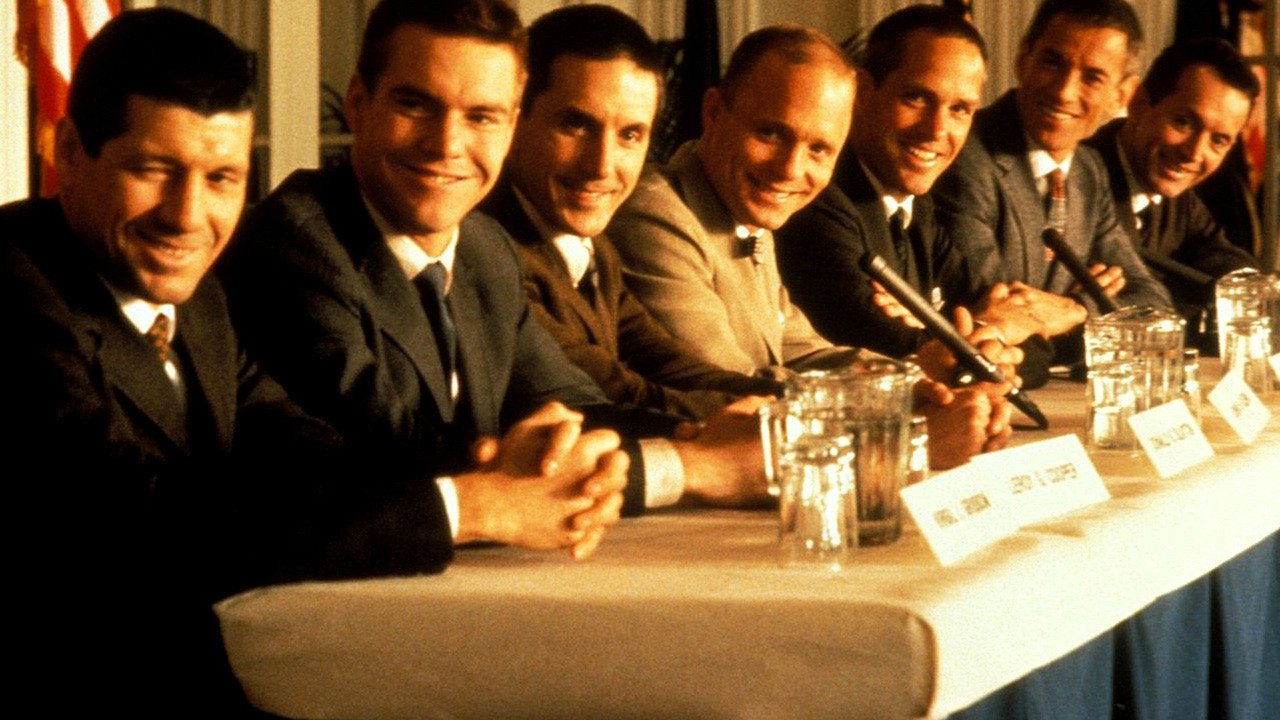
Then there’s Dennis Quaid as Gordon Cooper, sporting a grin that says he knows exactly how fast he’s going and he’d like to go faster. Quaid’s performance is a masterclass in cocky charisma, while Fred Ward as Gus Grissom provides the film’s most tragic notes, reminding us that in the world of flight testing, "screwing the pooch" is the ultimate sin. The chemistry between these men is electric; they are rivals, teammates, and glorified lab rats all at once. They’re constantly balancing the awe of their mission against the absurdity of being poked and prodded by government scientists who treat them like biological cargo.
Practical Magic and Sparkly Skies
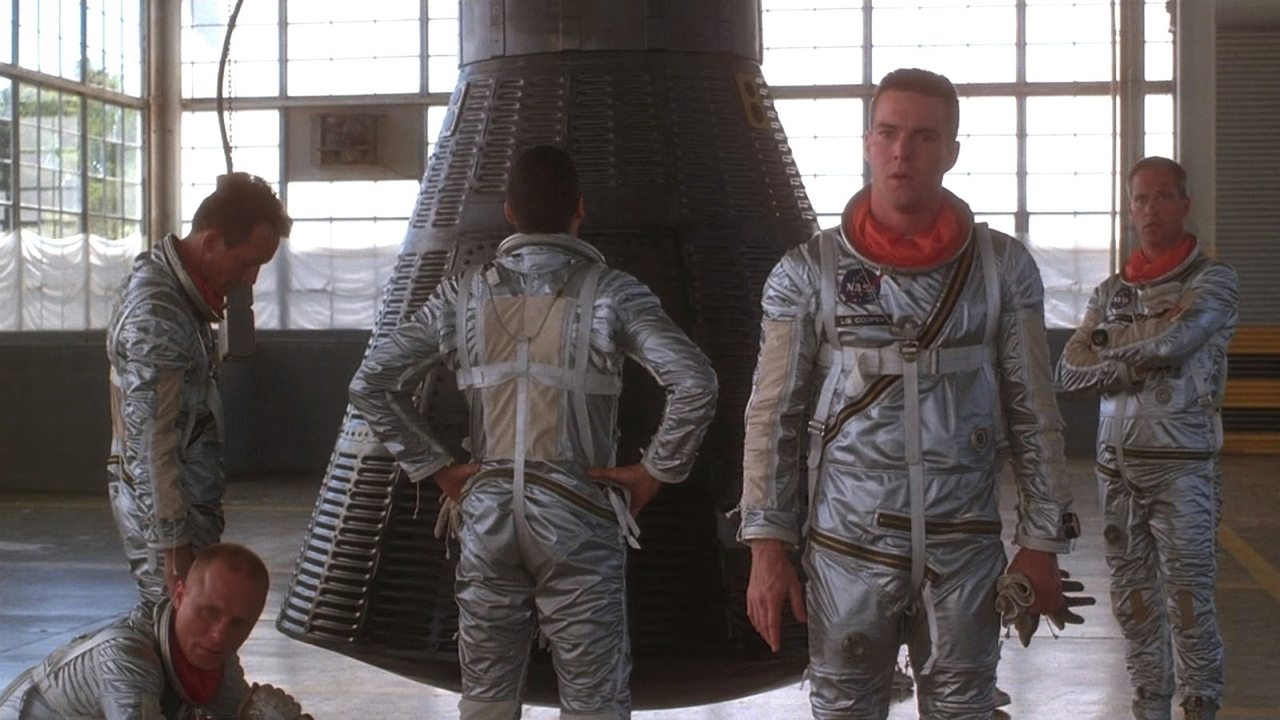
Long before CGI made everything look like a polished video game, Philip Kaufman and cinematographer Caleb Deschanel (The Natural) had to figure out how to film the heavens. The flight sequences are a triumph of practical effects. They used everything from model planes dropped from high-altitude balloons to literally throwing glitter and debris in front of the lens to simulate the "fireflies" John Glenn saw in orbit.
There’s a weight to the machines in this movie. When you see Scott Glenn as Alan Shepard vibrating inside a capsule that looks like it was built by a radiator company, you feel the danger. The sound design is equally impressive—the way the roar of the engines transitions into the eerie, whistling silence of the upper atmosphere is haunting. Bill Conti, the man behind the Rocky theme, provides a score that manages to be heroic without being overly jingoistic, capturing the soaring spirit of discovery.
A Forgotten Masterpiece of the New Hollywood Transition
The Right Stuff sits at a fascinating crossroads in film history. It has the cynical, questioning eye of the 1970s "Auteur" era—poking fun at the politicians and the media circus—but it also possesses the grand, spectacular scale that the 1980s blockbuster demanded. It’s a movie that acknowledges that the press corps behaves like a pack of hungry hyenas, yet it still allows itself to be moved by the sheer bravery of a man sitting on top of a controlled explosion.
The film eventually found its cult status through those repeated home viewings. It became the ultimate "Dad Movie," the kind of film you’d find your father watching at 1:00 AM on a Tuesday, mesmerized by the sight of Chuck Yeager riding a horse through the desert toward a supersonic jet. It’s a testament to the fact that sometimes the best films need a little time—and a couple of VHS tapes—to finally find their orbit.
Ultimately, this is a film about the transition from the rugged individualism of the old frontier to the corporate, televised heroism of the new one. It’s funny, thrilling, and surprisingly poetic. If you’ve never sat through all three hours, clear your schedule, find the biggest screen possible, and prepare to feel like you’ve actually touched the edge of space. Just make sure you have enough Saltines.
Keep Exploring...
-

The Mission
1986
-

An American Tail
1986
-
Spartacus
1960
-
Butch Cassidy and the Sundance Kid
1969
-

Chariots of Fire
1981
-
Ran
1985
-
The Last Emperor
1987
-

The Big Blue
1988
-
Patton
1970
-
The Poseidon Adventure
1972
-
A Bridge Too Far
1977
-
Casualties of War
1989
-
Glory
1989
-
Aguirre, the Wrath of God
1972
-
Deliverance
1972
-
The Elephant Man
1980
-
The Fox and the Hound
1981
-
Gandhi
1982
-
Amadeus
1984
-
The Karate Kid
1984