WarGames
"Winning is secondary. Survival is the only play."
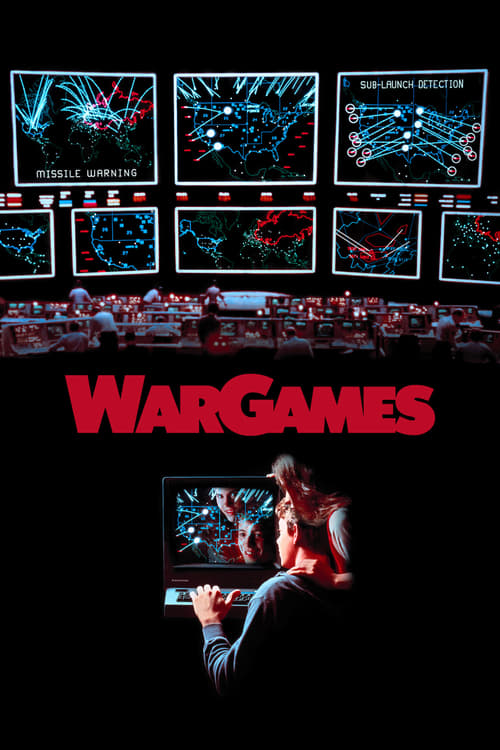
Long before the internet was a glowing rectangle in every pocket, it was a terrifying, screeching mystery hidden behind a phone receiver. To most people in 1983, a computer was a sterile, looming presence found only in bank vaults or government basements. Then came WarGames, a film that took the existential dread of the Cold War and plugged it directly into a high schooler’s bedroom. It’s a thriller that functions as a time capsule, capturing that precise moment when the American psyche shifted from fearing the "Red Menace" to fearing the "Silicon Menace."
I watched this most recently on a laptop while my cat kept trying to "hack" the keyboard with her paws, which felt appropriately meta until she accidentally muted the climax during the most intense moment of the countdown.
The Horror of the Automated Soul
While often categorized as a "hacker flick," WarGames is, at its core, a somber drama about the abdication of human responsibility. Director John Badham sets the tone immediately with a chilling prologue in a nuclear missile silo. We see two officers—one played by a young John Spencer—faced with the order to turn their keys and launch. When one man buckles under the weight of murdering millions, the "experts" in Washington decide that humans are the "weak link" in the chain of command.
This is where the film finds its darkness. It isn't just about a kid playing a game; it’s about a world so terrified of its own shadow that it hands the keys to the kingdom to a machine that doesn't understand the difference between a checkmate and a firestorm. Dabney Coleman, playing the bureaucratic antagonist McKittrick, embodies this arrogance perfectly. He’s the face of every mid-level manager who ever believed efficiency was more important than empathy. Honestly, Dabney Coleman’s mustache is the only thing standing between us and total annihilation, acting as a fuzzy barrier of 1980s authority while everything else falls apart.
High Stakes and Low Tech
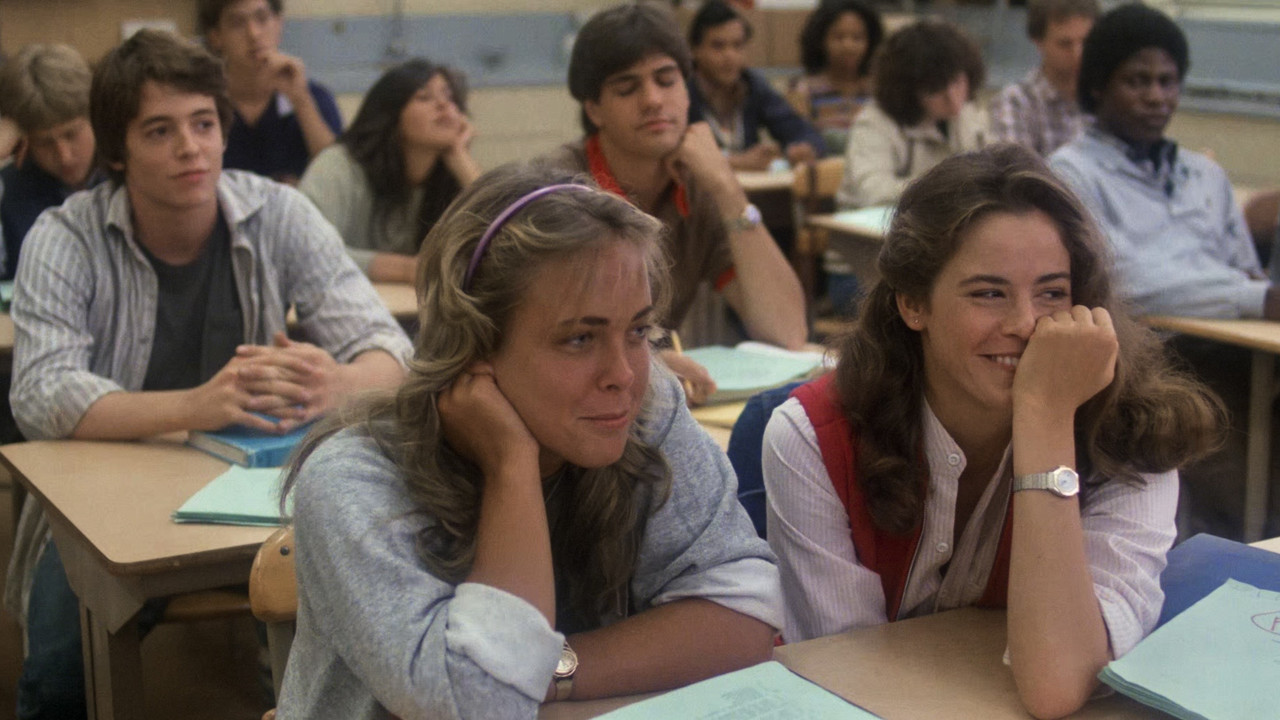
Enter David Lightman, played by Matthew Broderick in the role that effectively launched his career as the patron saint of the "charming slacker." David isn’t a revolutionary; he’s just a kid who wants to play unreleased video games and change his biology grades to impress his friend Jennifer (Ally Sheedy). Matthew Broderick manages to balance the arrogance of a smart-aleck teen with the bone-deep terror of someone who realizes, far too late, that he has accidentally summoned the four horsemen of the apocalypse.
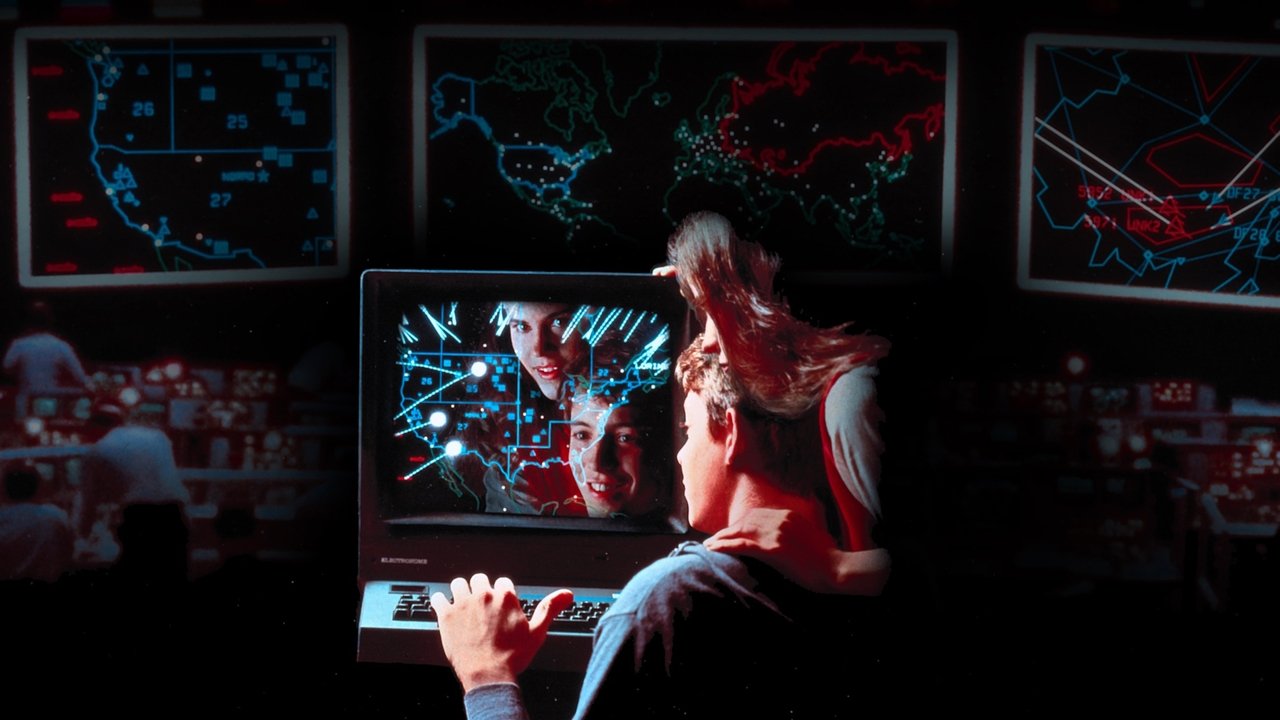
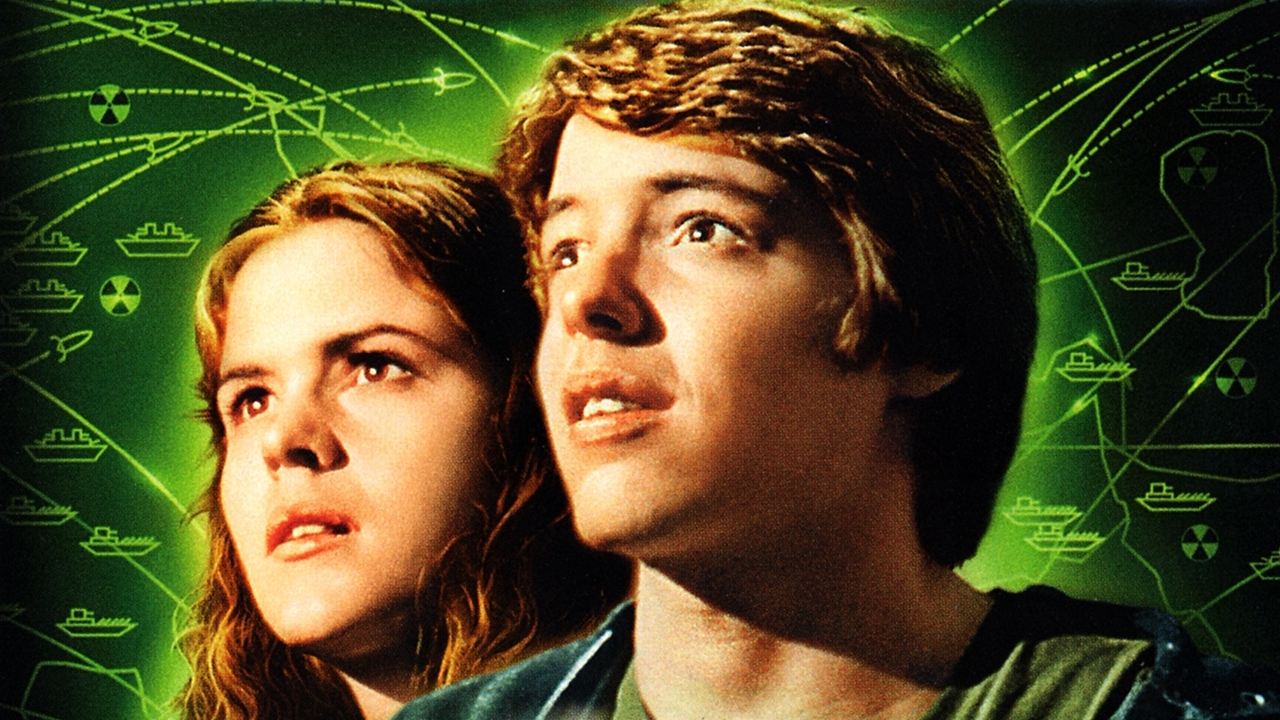
The chemistry between Matthew Broderick and Ally Sheedy provides the film's necessary pulse. Without their frantic race across the Pacific Northwest, the movie would just be a series of shots of middle-aged men in bad suits yelling at monitors. Instead, we get a grounded, human perspective on global stakes. When they eventually track down the reclusive Dr. Stephen Falken (John Wood), the film shifts into a different kind of intensity. Wood plays Falken not as a "wizard," but as a grieving, nihilistic father who has given up on the human race. His resignation to the "end of the world" is more frightening than any blinking red light on a map.
A Blockbuster with a Brain
WarGames was a massive commercial success, raking in over $124 million on a modest $12 million budget, but its cultural footprint went far deeper than the box office. This wasn't just a movie people watched; it was a movie that changed federal policy.
1. The NORAD command center set was so realistic and massive that it cost $1 million to build—the most expensive set of its time. The real NORAD center reportedly looked like a "shabby basement" compared to the film's sleek, neon-lit version. 2. President Ronald Reagan was so rattled after a private screening at Camp David that he asked his national security advisors if the scenario was possible. This direct inquiry led to the creation of the first National Security Decision Directive on computer security (NSDD-145). 3. The "WOPR" computer (War Operation Plan Response) wasn't a functional machine, obviously. It was a giant plywood box with a crew member hiding inside, manually triggering the lights with a remote control to match the actors' dialogue. 4. The screeching sound of the modem that David uses became a definitive sound of the decade, though the "acoustic coupler" he uses—the device where you physically place the phone receiver on the machine—is a relic that today's viewers find as alien as a stone tool. 5. Screenwriter Walter F. Parkes spent time with real hackers to get the "wardialing" sequence right, which helped the film gain a "street cred" that most Hollywood tech-thrillers lacked.
The Legacy of the Rental Store
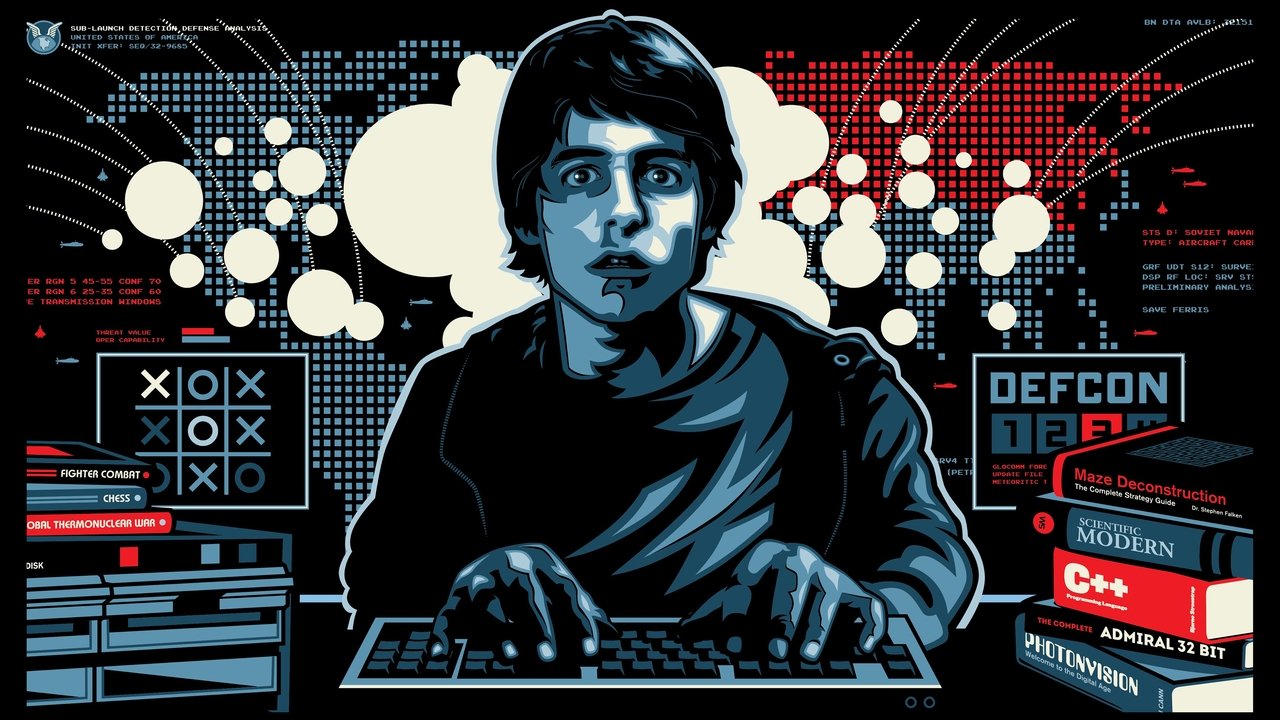
If you grew up in the VHS era, you likely remember the iconic cover art: Matthew Broderick looking over his shoulder, bathed in the blue glow of a CRT monitor, while a grid map of the world loomed behind him. It was a staple of video stores, often found right next to Tron or The Last Starfighter. But while those films leaned into fantasy, WarGames felt uncomfortably plausible. Watching the United Artists logo fade in on a slightly warbly tape, accompanied by that specific 80s synth chime, always felt like the start of something serious.
The film's ultimate message—that "the only winning move is not to play"—is often cited as a clever punchline, but in the context of the drama, it’s a profound realization of the absurdity of mutually assured destruction. It demands that we look at our machines and our math and ask if we’ve forgotten how to be people. The adults in this movie are so dangerously incompetent that David probably should have just let the computer win, but the fact that he fights to save them anyway is where the film finds its hope.
WarGames remains one of the few thrillers from the early 80s that hasn't been rendered obsolete by its technology. While the 5.25-inch floppies and low-res graphics are charmingly dated, the tension is timeless. It’s a rare blockbuster that treats its audience with intellectual respect, trading cheap jump-scares for a slow-burn sense of dread that culminates in one of the most satisfying "ticking clock" finales in cinema history. It’s smart, it’s intense, and it’s a haunting reminder that even in a world of automated logic, we are the ones who have to live with the results.

Keep Exploring...
-

Blade Runner
1982
-
Witness
1985
-
Aliens
1986
-

The Towering Inferno
1974
-

Escape from Alcatraz
1979
-

Star Trek II: The Wrath of Khan
1982
-
The Dead Zone
1983
-
The Terminator
1984
-

Predator
1987
-
RoboCop
1987
-
Mississippi Burning
1988
-

Saturday Night Fever
1977
-

Short Circuit
1986
-

Fatal Attraction
1987
-

After Hours
1985
-

Blood Simple
1985
-

The Name of the Rose
1986
-

Bloodsport
1988
-

They Live
1988
-
I Am Legend
2007