Zelig
"The world's most famous man who isn't actually there."

In an era defined by the neon-soaked excess of Scarface and the high-flying spectacle of Return of the Jedi, Woody Allen decided to release a film that looked like it had been discovered in a damp cardboard box in the basement of a 1920s newsreel office. It was a bizarre, high-concept gamble that shouldn't have worked. To the casual viewer flipping through channels on a Saturday afternoon, Zelig doesn't look like a movie; it looks like history. It’s a deadpan masterpiece of technical deception that predates the digital wizardry of Forrest Gump by over a decade, proving that you don't need a supercomputer to rewrite the past—you just need some sandpaper and a lot of nerve.

The Man Who Wasn't There
The premise is pure comedic genius: Leonard Zelig (Woody Allen) is a "human chameleon," a man so desperately insecure and eager to please that he physically transforms to match whoever he’s standing next to. Put him in a room with Greek sailors, and he starts speaking Greek. Stand him next to a group of rabbis, and he grows a beard and side-curls. It’s a neurosis taken to its most literal, biological extreme. I once dropped a piece of cold pepperoni pizza on my lap during the scene where Zelig turns into a rabbi, and I spent the rest of the movie wondering if the stain would ever come out—it didn't, which feels like a very Zelig-esque tragedy of trying to blend in with your upholstery.
The film operates as a pitch-perfect parody of the "Changing Times" documentaries that were staples of public television in the early 80s. You have the somber, authoritative narration by Patrick Horgan, the "expert" talking heads (including real-life intellectuals like Susan Sontag), and the scratchy, flickering footage of 1920s high society. The humor is found in the gaps between the absurdity of Zelig’s condition and the utter seriousness with which the world treats him. Woody Allen is at his most understated here, playing Zelig with a quiet, hollowed-out desperation that makes the physical gags—like seeing him suddenly develop a prominent nose or dark skin—feel both hilarious and strangely pathetic.
Gordon Willis: The Wizard of Scratched Negatives
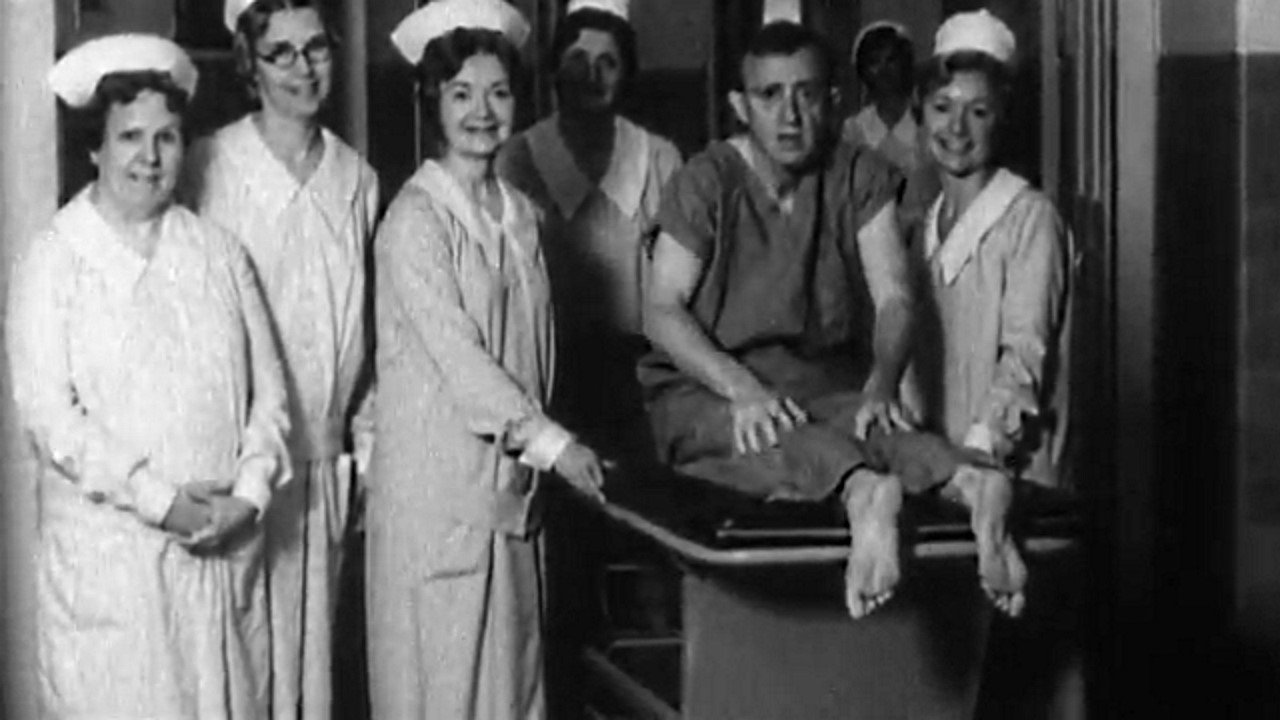
We have to talk about Gordon Willis. The man who shot The Godfather and Manhattan earned an Oscar nomination for Zelig, and frankly, he deserved a medal. To make this film work, Willis and the crew went to insane lengths to make new footage look ancient. They didn't just use filters; they used antique lenses and 1920s-era lighting equipment. They reportedly crinkled the film, stepped on it, and even ran it through a "shower" of chemicals to create authentic-looking scratches and dust.
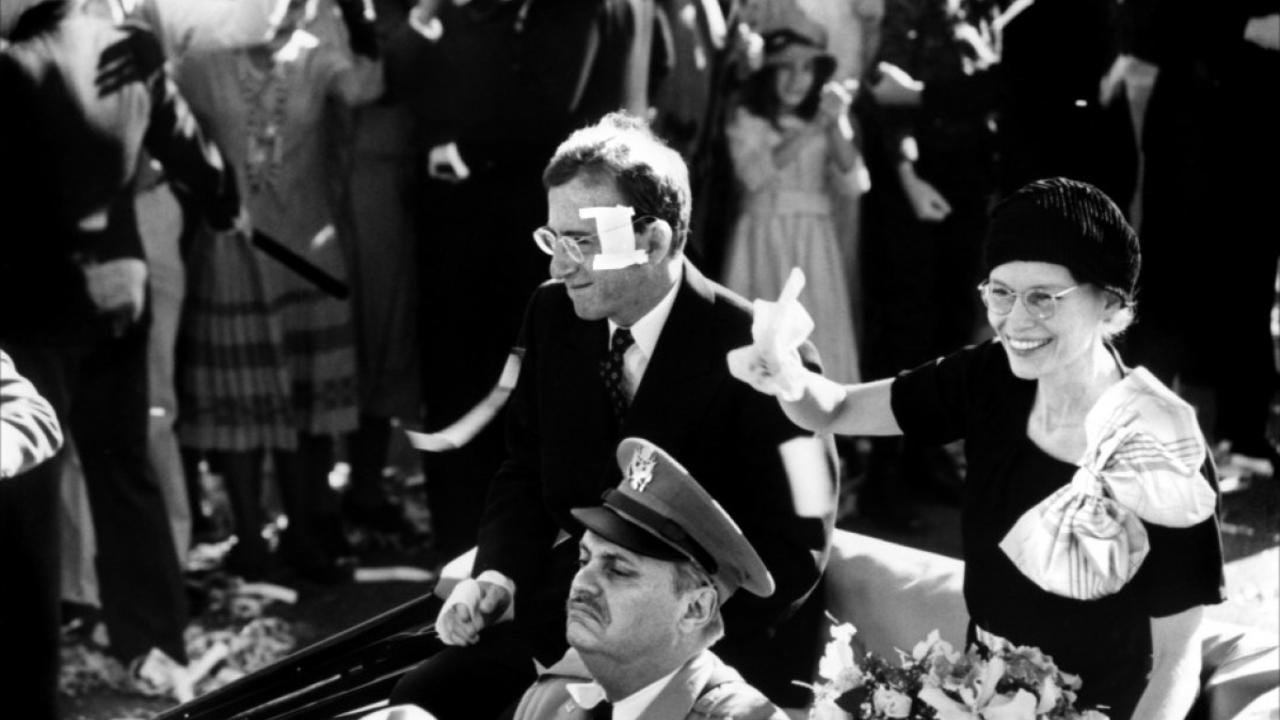
When you see Zelig standing on a podium with Adolf Hitler or chatting with Babe Ruth, the illusion is seamless. Zelig is essentially the patron saint of every person who has ever lied about liking a band just to end an awkward conversation, and seeing that social anxiety projected onto the biggest stage of the 20th century is a stroke of brilliance. The way the "new" footage matches the grain and frame-rate of the archival reels is a triumph of pre-CGI practical effects. They even used "intertitles" and synchronized the muffled, tinny audio to match the era's technology, creating a film that feels like a genuine artifact.
The VHS Era’s Most Convincing Lie
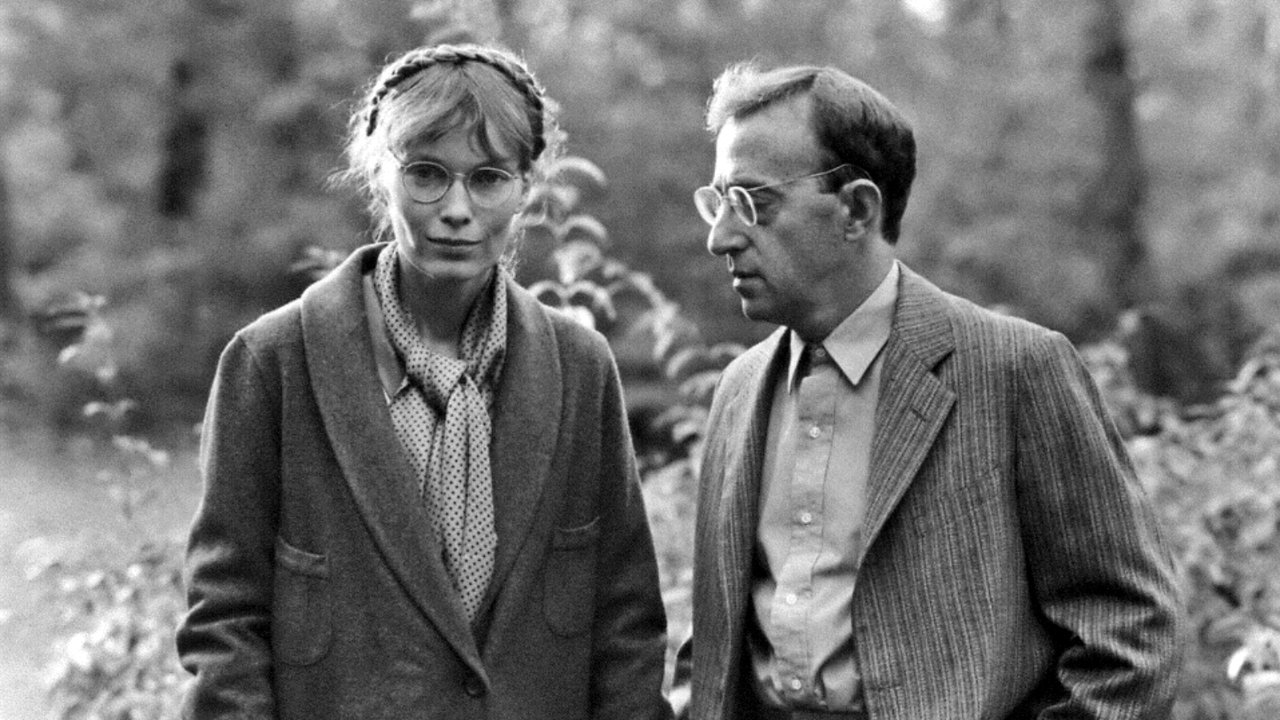
While it was a modest success at the box office, Zelig truly lived its best life in the rental stores of the mid-to-late 80s. On a grainy VHS tape, the illusion became even more convincing. The tracking errors and magnetic tape hiss of a well-worn rental copy only added to the "found footage" aesthetic. It was a staple for film nerds who wanted to show off something "clever" to their friends, though it’s fallen into a bit of obscurity lately. Perhaps that’s because the film is a brisk 79 minutes—it refuses to overstay its welcome, which is a rarity for a director known for being... well, talky.
The movie isn't just a gimmick, though. Beneath the "Mexican Food Doctor" jokes and the sight gags, there’s a biting satire of celebrity culture. Zelig becomes a brand; there are Zelig toys, Zelig songs, and Zelig-themed dances. The world doesn't care about his mental health (handled with professional frustration by Mia Farrow as Dr. Eudora Fletcher); they only care about the spectacle. It’s a cynical look at how the public consumes "oddities" and then discards them once the next trend arrives—a theme that has aged remarkably well, even if the jazz-age references feel distant.
If you’ve never seen Zelig, you’re missing out on one of the most unique comedies of the 1980s. It’s a film that demands your attention because of its craftsmanship but keeps it because of its heart. It’s a short, sharp shock of creative energy that reminds me why I fell in love with movies in the first place—the ability to be fooled by a beautiful lie. Seek out a copy, even if it’s just to see how much work went into a movie that tries its hardest to look like a mistake.

Keep Exploring...
-
Crimes and Misdemeanors
1989
-
Manhattan
1979
-
The Purple Rose of Cairo
1985
-
Hannah and Her Sisters
1986
-
Everything You Always Wanted to Know About Sex *But Were Afraid to Ask
1972
-
Love and Death
1975
-
Annie Hall
1977
-
Manhattan Murder Mystery
1993
-
Deconstructing Harry
1997
-
Whatever Works
2009
-
Caddyshack
1980
-

History of the World: Part I
1981
-
Stripes
1981
-
48 Hrs.
1982
-
Creepshow
1982
-
National Lampoon's Vacation
1983
-

Risky Business
1983
-
Romancing the Stone
1984
-
Clue
1985
-
Cocoon
1985