2010
"The silence is broken, and the answers have arrived."
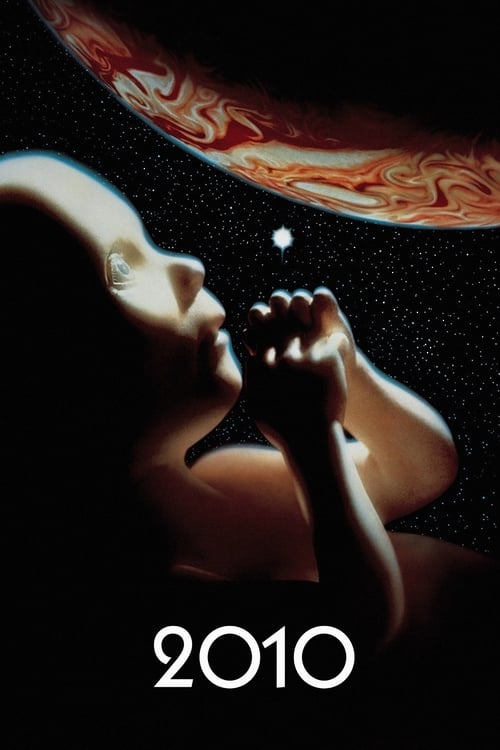
Making a sequel to Stanley Kubrick’s 2001: A Space Odyssey is the cinematic equivalent of trying to write a "Part Two" for the New Testament. It’s an act of pure narrative bravado that arguably shouldn't exist. Kubrick’s 1968 masterpiece was a cold, non-linear, avant-garde experience that left audiences floating in a vacuum of "What does it all mean?" Then along comes 1984, the year of the blockbuster and the Cold War thriller, and director Peter Hyams decides to actually give us some answers. I’ll be honest: I usually find sequels to "untouchable" classics offensive, but 2010 manages to be a fantastic movie by doing the one thing it had to do—it stopped trying to be Kubrick.
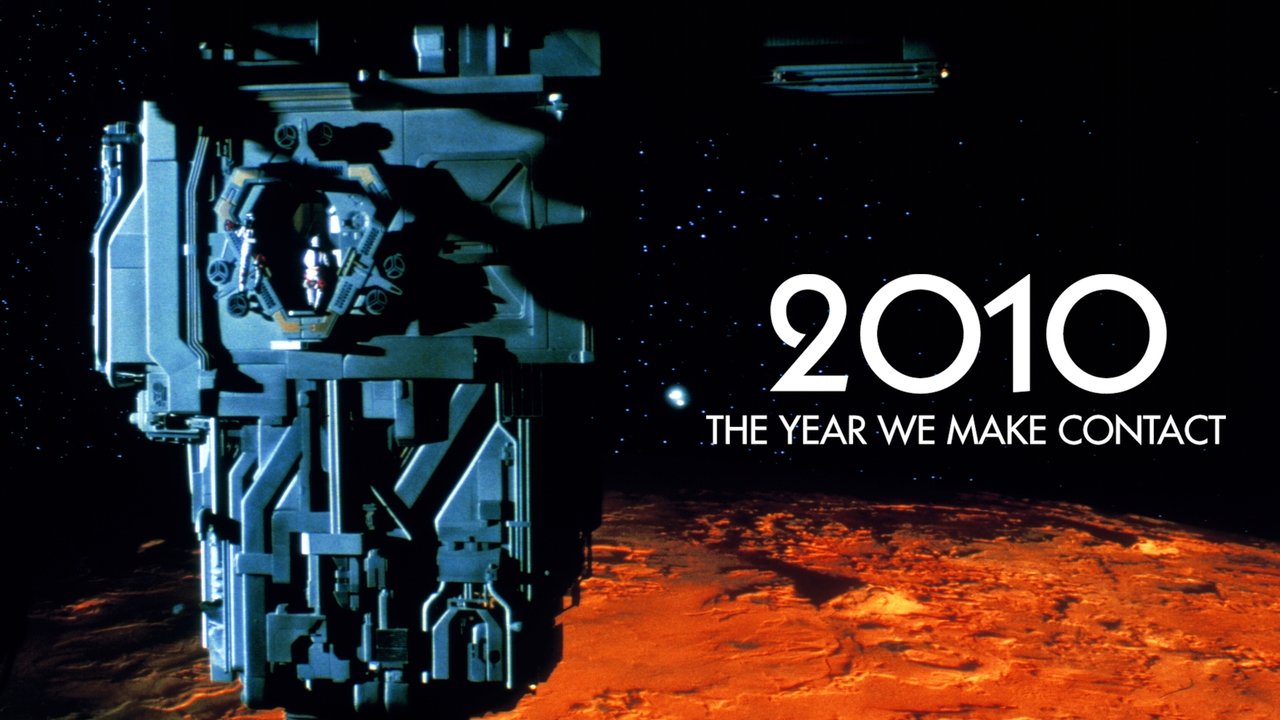
I remember finding this tape at a roadside rental shop during a summer heatwave, the kind where the air feels like it’s made of soup. I watched it in a wood-paneled basement while eating a bowl of lukewarm SpaghettiOs, and even with the hum of a window AC unit trying to drown out the score, the tension of the "airbraking" sequence nearly made me drop my spoon.
The Human Element in a Cold Vacuum
While 2001 was about the evolution of the species, 2010 is about the survival of the species. We follow Dr. Heywood Floyd—played here by Roy Scheider (recasting William Sylvester)—who is haunted by the failure of the original Discovery mission. Because the Americans don't have a ship ready, they have to hitch a ride with the Soviets. In 1984, this was high-stakes political drama.
Roy Scheider brings a grounded, blue-collar weariness to Floyd that fits the 80s perfectly. He’s not a sterile scientist; he’s a guy who misses his wife and hates that his government is posturing for nuclear war while he’s trying to solve a cosmic mystery. Helen Mirren is sharp and commanding as the Soviet Captain Tanya Kirbuk, and John Lithgow—fresh off his success in Terms of Endearment and Footloose—is the perfect "audience surrogate" as the terrified engineer Dr. Walter Curnow. Watching Lithgow hyperventilate during a space walk is a reminder that space is a terrifying, lonely place where your gear is the only thing keeping your blood from boiling.
A Masterclass in Practical Grit

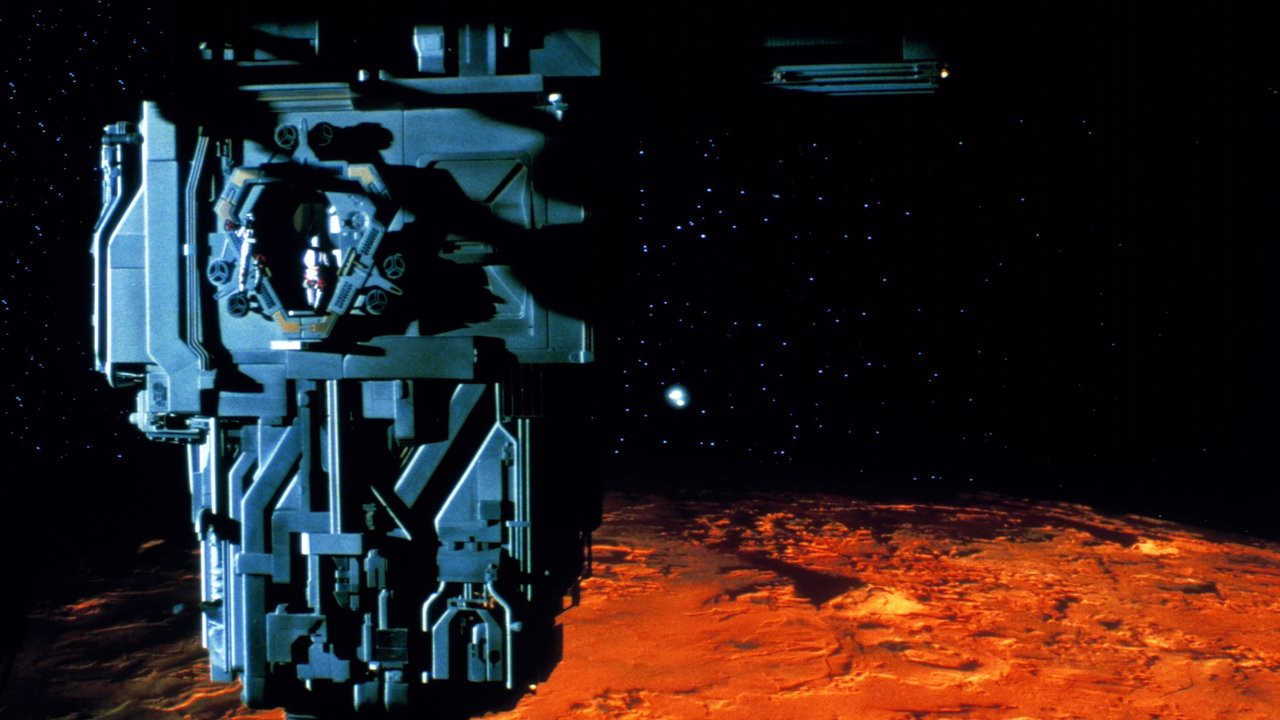
What strikes me most about 2010 is how tactile it feels. In the mid-80s, we were at the zenith of practical effects. Peter Hyams, who handled his own cinematography (a rare feat for a director of this scale), opted for a "used future" aesthetic. The Soviet ship, the Leonov, is cramped, noisy, and filled with flickering CRT monitors and clunky buttons. It feels like a submarine in space.
The visual effects, overseen by Richard Edlund (who had just finished Return of the Jedi), are a triumph of miniatures and matte paintings. There’s a specific sequence where the Leonov uses Jupiter’s atmosphere to slow down—the "airbraking" maneuver. The orange glow of the gas giant reflecting off the ship's heat shield is gorgeous in a way that modern CGI rarely captures. It has weight. It has texture. The sheer scale of the Discovery rotating silently in the shadow of the monolith still gives me goosebumps. It’s a bridge between the sterile beauty of the 60s and the grimy, industrial sci-fi of the 80s seen in films like Alien.
Restoring the Voice of the Machine
The film’s biggest gamble was bringing back HAL 9000. Douglas Rain returns to provide that iconic, soothingly murderous voice, and Bob Balaban (who you’ll recognize from Close Encounters of the Third Kind) plays Dr. Chandra, the man who programmed him. The "reprogramming" of HAL is surprisingly moving. We finally get an explanation for why HAL went crazy in the first film—a conflict in his core programming between being truthful and withholding information—and it turns the villain into a tragic figure.
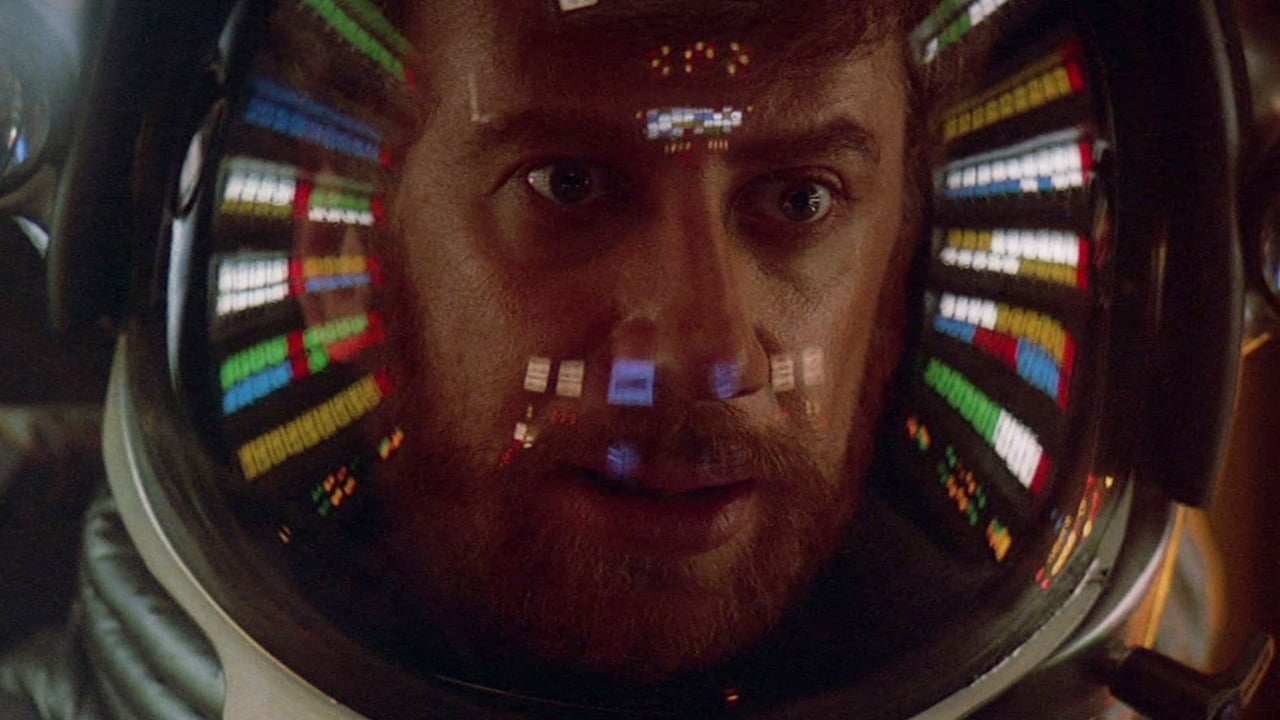
Turns out, the movie almost didn't look this way. Peter Hyams actually sought Kubrick’s blessing before starting, and Kubrick told him to "be his own man." Hyams took that to heart. While the score by David Shire replaces the classical waltzes of the original with a pulsing, electronic synth-heavy beat, it works for the thriller pace Hyams is aiming for. Interestingly, the production used early "electronic mail" to communicate with Arthur C. Clarke (the author of the source novels) while he was in Sri Lanka—a bit of real-life sci-fi happening behind the scenes.
Ultimately, 2010 succeeds because it accepts that it can’t be a religious experience like its predecessor. Instead, it settles for being a whip-smart, beautifully shot, and emotionally resonant space procedural. It takes the cosmic dread of the Monolith and wraps it in a human story about cooperation during a time when the world felt like it was ending. If you’ve only ever seen the first film, do yourself a favor: grab some snacks, dim the lights, and let the 80s version of the future tell you what happened next. It’s a journey that actually earns its destination.
Keep Exploring...
-
2001: A Space Odyssey
1968
-
The Dead Zone
1983
-
Star Trek III: The Search for Spock
1984
-

Masters of the Universe
1987
-
Soylent Green
1973
-
Blow Out
1981
-

Star Trek II: The Wrath of Khan
1982
-
WarGames
1983
-

Predator
1987
-
RoboCop
1987
-
The Running Man
1987
-
Star Trek V: The Final Frontier
1989
-
The Abyss
1989
-
Timecop
1994
-
Moonraker
1979
-
They Live
1988
-
Dressed to Kill
1980
-
Flash Gordon
1980
-

Cujo
1983
-
Body Double
1984