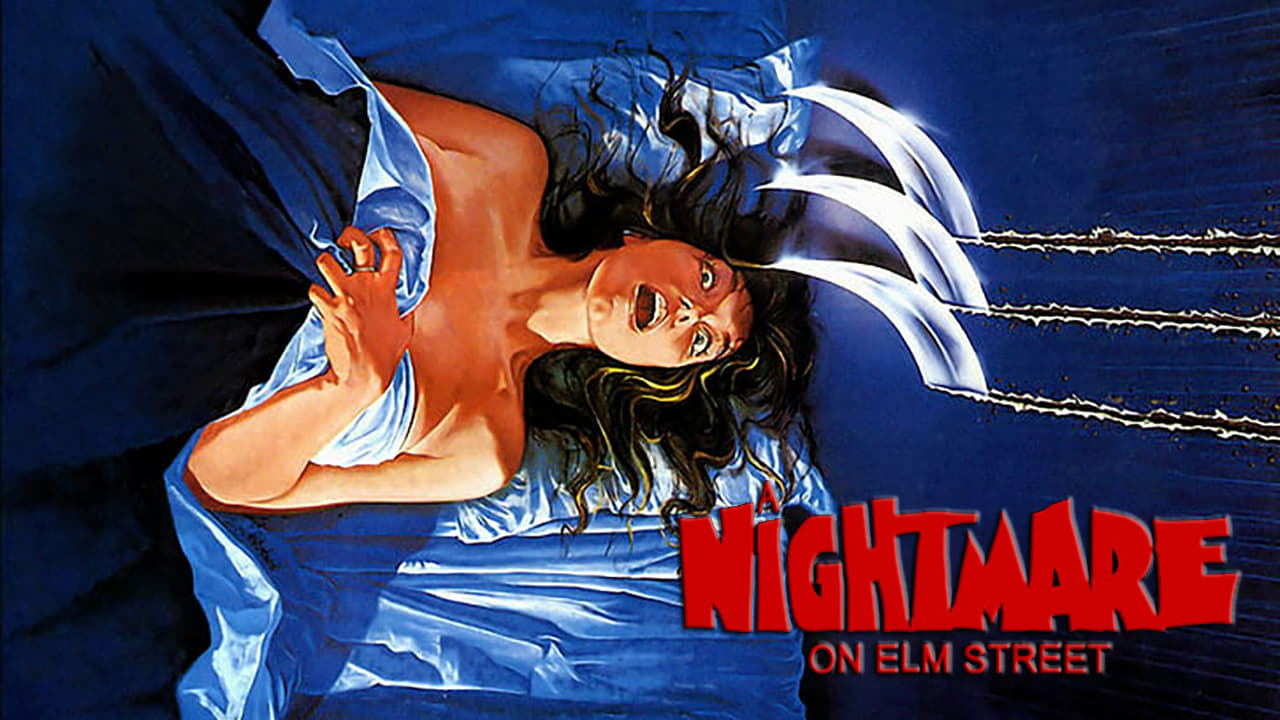
A Nightmare on Elm Street
"Sleep is the new slaughterhouse."

The most terrifying thing about being a human being isn't the threat of a masked lunatic in the bushes; it’s the biological betrayal of our own eyelids. Eventually, no matter how much caffeine you ingest or how hard you pinch your arm, you have to succumb. You have to go to that place where your brain takes the wheel and drives you into the dark. In 1984, Wes Craven didn't just make a slasher movie; he weaponized the one thing none of us can escape: the need for REM sleep.
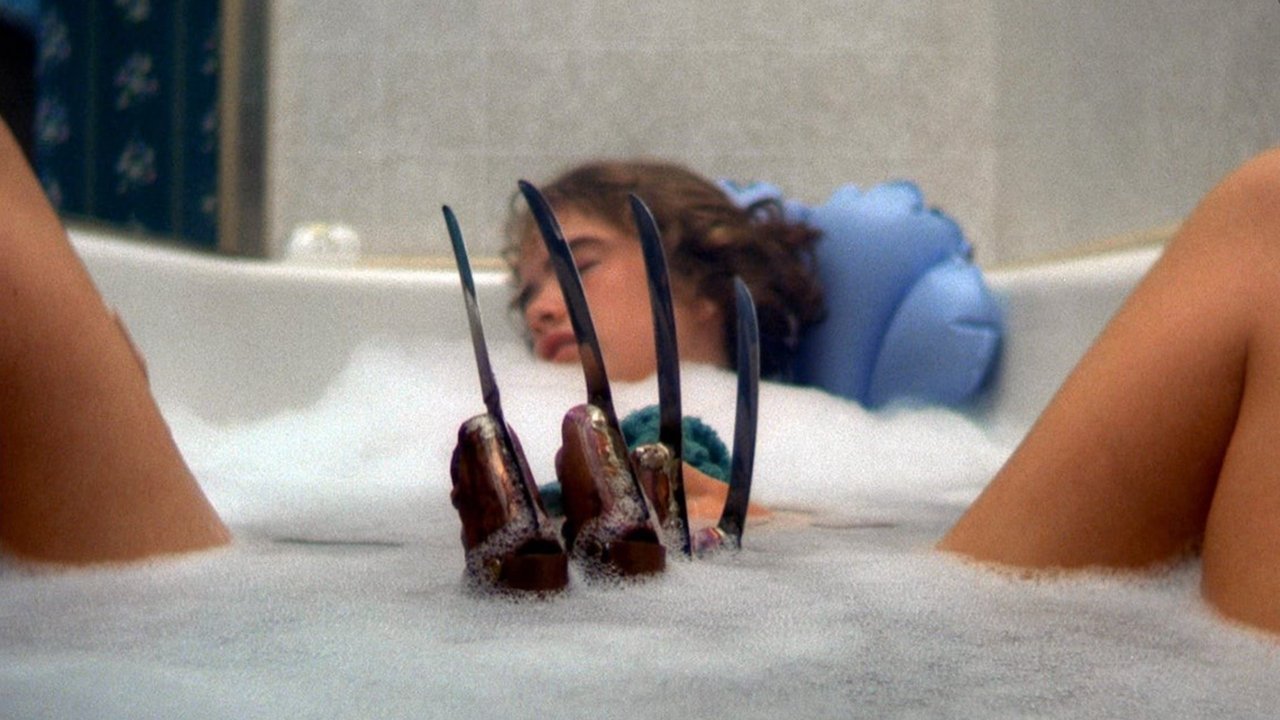
I recently rewatched this on a humid Tuesday night while struggling with a flickering overhead light that buzzed like a dying hornet, and it struck me how much the film relies on that specific, grimy atmosphere of exhaustion. It’s not just about the kills; it’s about the heavy-lidded dread of knowing that your bed—the ultimate sanctuary—is actually an altar for your execution.
The House That Freddy Built
Before it was a multi-million dollar franchise with lunchboxes and 1-900 numbers, A Nightmare on Elm Street was a desperate, scrappy independent gamble. New Line Cinema was essentially a distribution outfit teetering on the edge of bankruptcy when Wes Craven walked in with a script inspired by a series of Los Angeles Times articles about refugees dying in their sleep.
The film feels like an indie gem because it has that "all hands on deck" urgency. You can sense the crew pushing the $1.8 million budget to its absolute breaking point. There’s a texture to the 35mm grain and the harsh, high-contrast lighting by cinematographer Jacques Haitkin that feels more "street" than the polished studio horror of the era. This wasn't a corporate product; it was a nightmare captured on a shoestring. I’ve always felt that Freddy Krueger was actually scarier when he was a shadowy, silent pervert in a dirty sweater rather than the pun-spewing pop culture mascot he became in the sequels. Here, Robert Englund plays him with a predatory, stiff-legged gait that suggests something not quite human trying to remember how to walk.
Engineering the Impossible
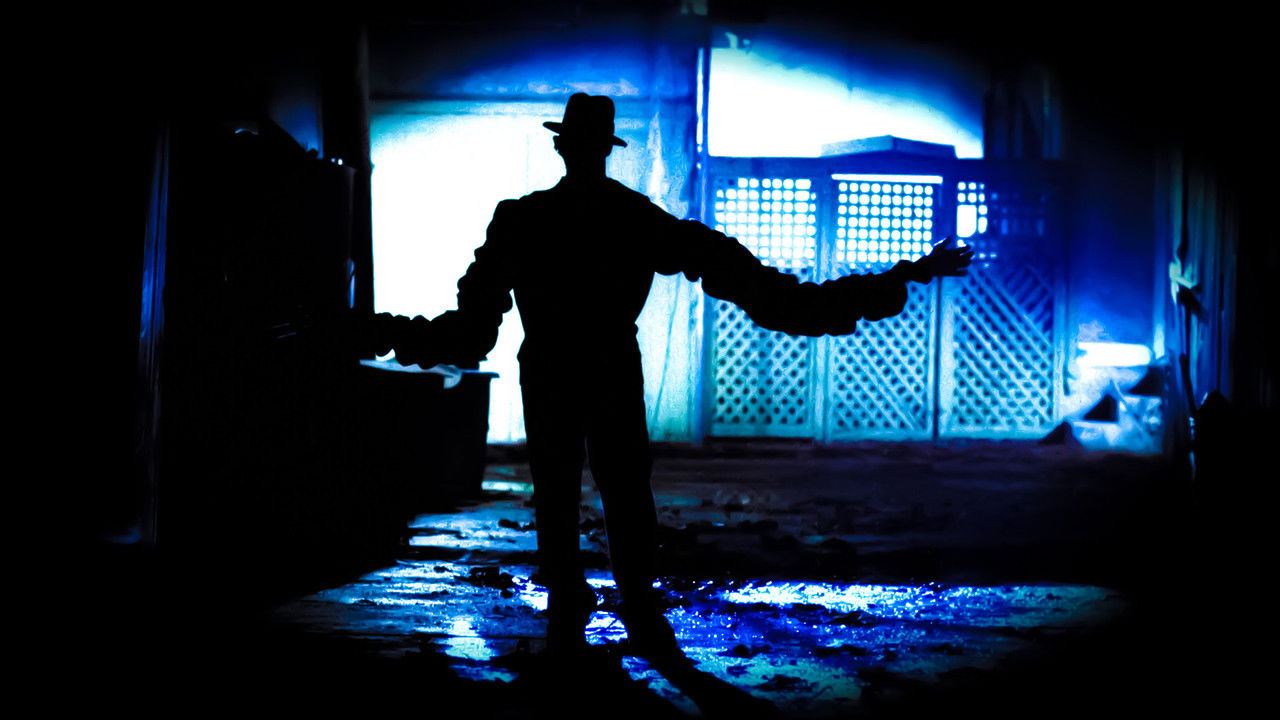
The 1980s were the undisputed Golden Age of practical effects, and Nightmare is a holy text for fans of "how did they do that?" filmmaking. Without a pixel of CGI in sight, Wes Craven and his mechanical effects team, led by Jim Doyle, created imagery that still feels impossible.
Take the iconic "rotating room" sequence where Jsu Garcia (then credited as Nick Corri) is dragged across the ceiling. They built a massive gimbal that could spin an entire bedroom set 360 degrees, with the camera bolted to the floor. When the room turned, the actor fell toward the "ceiling," creating a dizzying, gravity-defying murder that still makes my stomach flip. Then there’s the debut of a young Johnny Depp. His exit—being swallowed by a bed and then vomited back out as a geyser of blood—is a masterwork of low-budget ingenuity. They used a massive tank of red water and literal gallons of stage blood, dumping it through the "ceiling" of the upside-down set. I remember eating a bowl of lukewarm SpaghettiOs while watching that geyser scene for the first time, and I haven't been able to look at canned pasta the same way since.
The Proactive Final Girl
One thing that separates this from the Friday the 13th clones of the time is Heather Langenkamp as Nancy Thompson. In an era where many horror heroines were relegated to tripping over invisible branches, Nancy is a tactician. She studies booby traps, sets her alarm clock, and refuses to let the adults—who are uselessly drunk or dismissive—dictate her survival. John Saxon and Ronee Blakley represent the crumbling facade of suburban safety, but Nancy is the one who realizes that the only way to beat a dream is to bring it into the light of day.
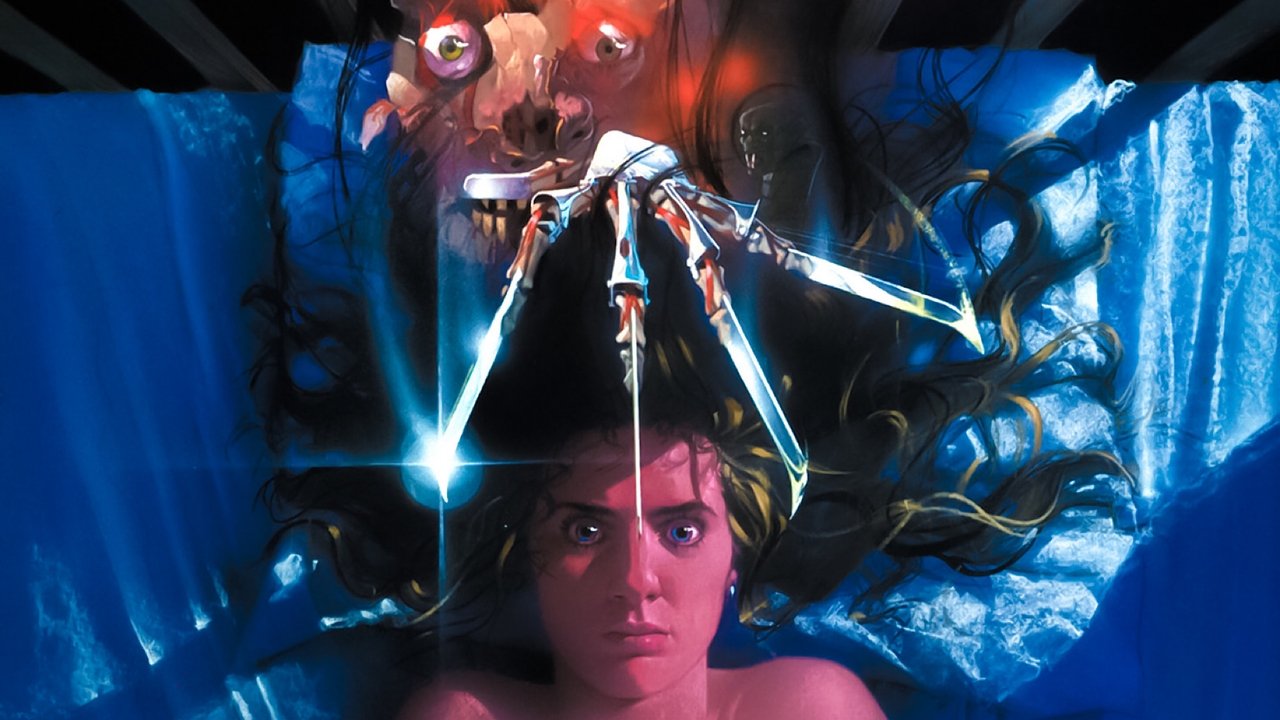
The score by Charles Bernstein deserves its own shrine. That eerie, synthesized chime isn't just a theme; it sounds like the internal ticking of a biological clock. It’s the sound of someone trying desperately to stay awake. When you combine that audio with the visual of the latex wall stretching over Nancy's bed, you get a type of psychological horror that bypasses the "slasher" label entirely. It’s a film about the sins of the parents being visited upon the children, wrapped in a layer of 80s neon and grit.
The legacy of A Nightmare on Elm Street is often diluted by its own success, but if you strip away the sequels and the parodies, the original 1984 film remains a jagged, intense piece of cinema. It’s a reminder that the best horror doesn't come from the woods or the basement, but from the one place we can never truly hide: our own minds. Even if the final "twist" ending feels a bit like a studio-mandated jump scare, the journey there is a relentless, imaginative ride. Put it on, turn out the lights, and try—just try—to keep your eyes open.
Trivia You Can Use
- Wes Craven’s daughter actually helped cast Johnny Depp; she reportedly thought he was "beautiful," which was enough to beat out the other actors for the role of Glen. - The "blood" used in the geyser scene was actually a mix of water and red dye; it was so voluminous that it actually leaked through the set and shorted out the studio's electrical system. - The iconic sweater was chosen because Wes Craven read that the human eye has the most difficulty processing the specific shades of red and green together, making it a naturally "disturbing" visual.
Keep Exploring...
-
A Nightmare on Elm Street 3: Dream Warriors
1987
-
New Nightmare
1994
-

A Nightmare on Elm Street Part 2: Freddy's Revenge
1985
-
A Nightmare on Elm Street 4: The Dream Master
1988
-

The Hills Have Eyes
1977
-

The Evil Dead
1981
-

Day of the Dead
1985
-
Nosferatu the Vampyre
1979
-

Possession
1981
-
What Ever Happened to Baby Jane?
1962
-
The Birds
1963
-
Night of the Living Dead
1968
-
The Texas Chain Saw Massacre
1974
-
Carrie
1976
-
Eraserhead
1977
-

Halloween
1978
-

Invasion of the Body Snatchers
1978
-
Scream
1996
-
Peeping Tom
1960
-

Repulsion
1965