Amadeus
"Genius is a gift from God. Envy is human."
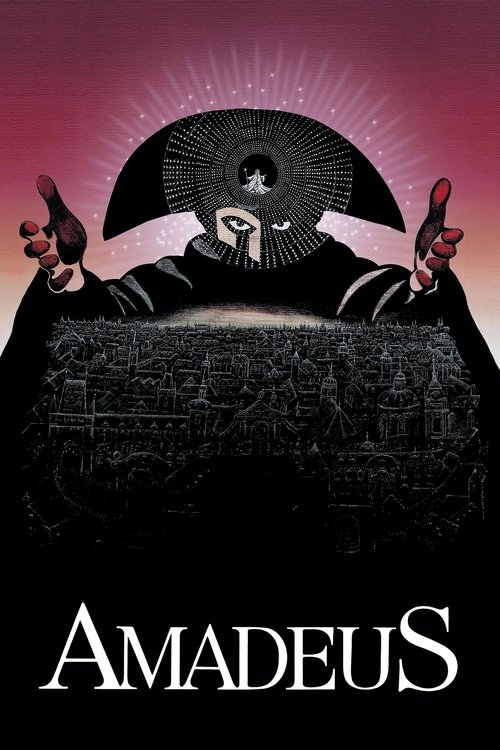
I once spent an entire afternoon in 1996 trying to teach my parakeet the opening notes of Symphony No. 40 because of this movie; the bird just looked at me with profound disappointment, probably realizing I lacked the divine spark. It’s a feeling Antonio Salieri knows all too well.

When most people think of a "period piece," they imagine stiff collars, polite tea-drinking, and actors speaking as if they have a mouthful of marbles. Amadeus is the antidote to that boredom. Directed by Miloš Forman, this film is a loud, vulgar, candy-colored explosion of jealousy and genius that feels more like a backstage rock documentary than a history lesson. It’s easily one of the most intellectually provocative films of the 1980s, asking a terrifying question: What do you do when you realize you are merely "average" in the presence of a god?
The Patron Saint of Mediocrity
The film is framed through the confession of an elderly, suicidal Salieri, played by F. Murray Abraham in a performance so hauntingly bitter you can almost taste the bile. Salieri has spent his life being "virtuous"—he’s chaste, hard-working, and deeply religious—all in exchange for the hope that God will make him a great composer. Then comes Wolfgang Amadeus Mozart.
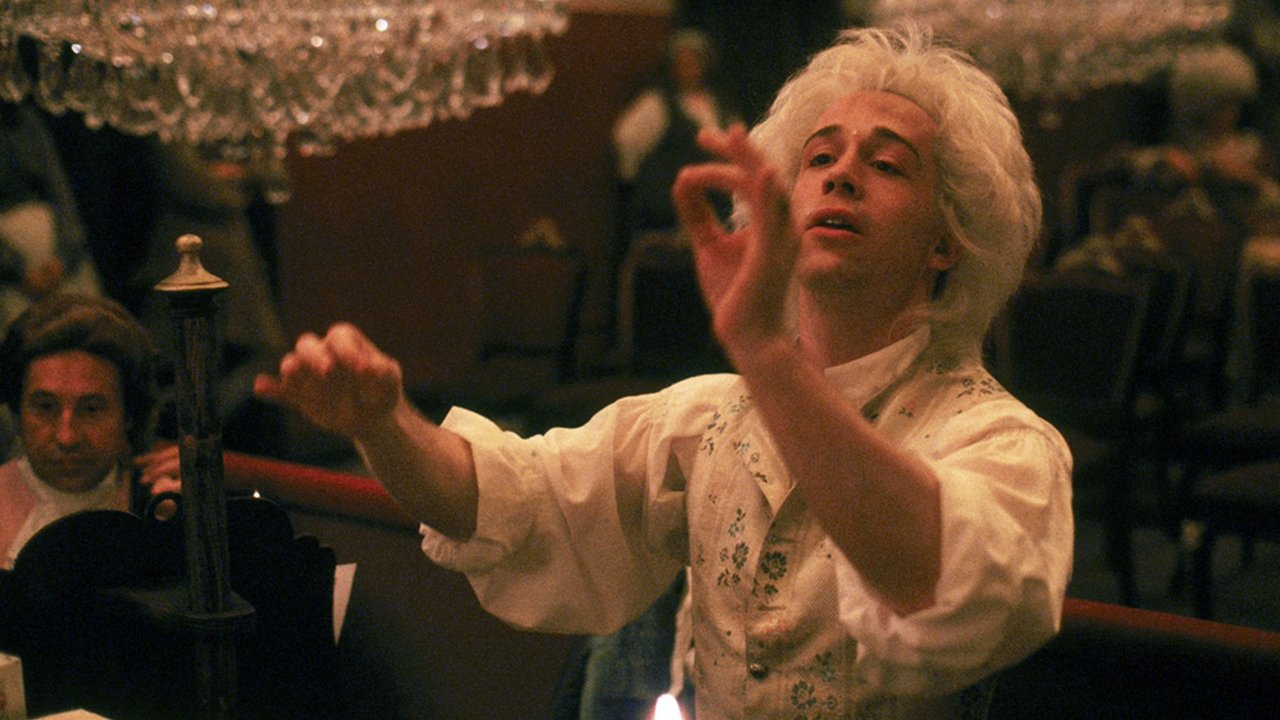
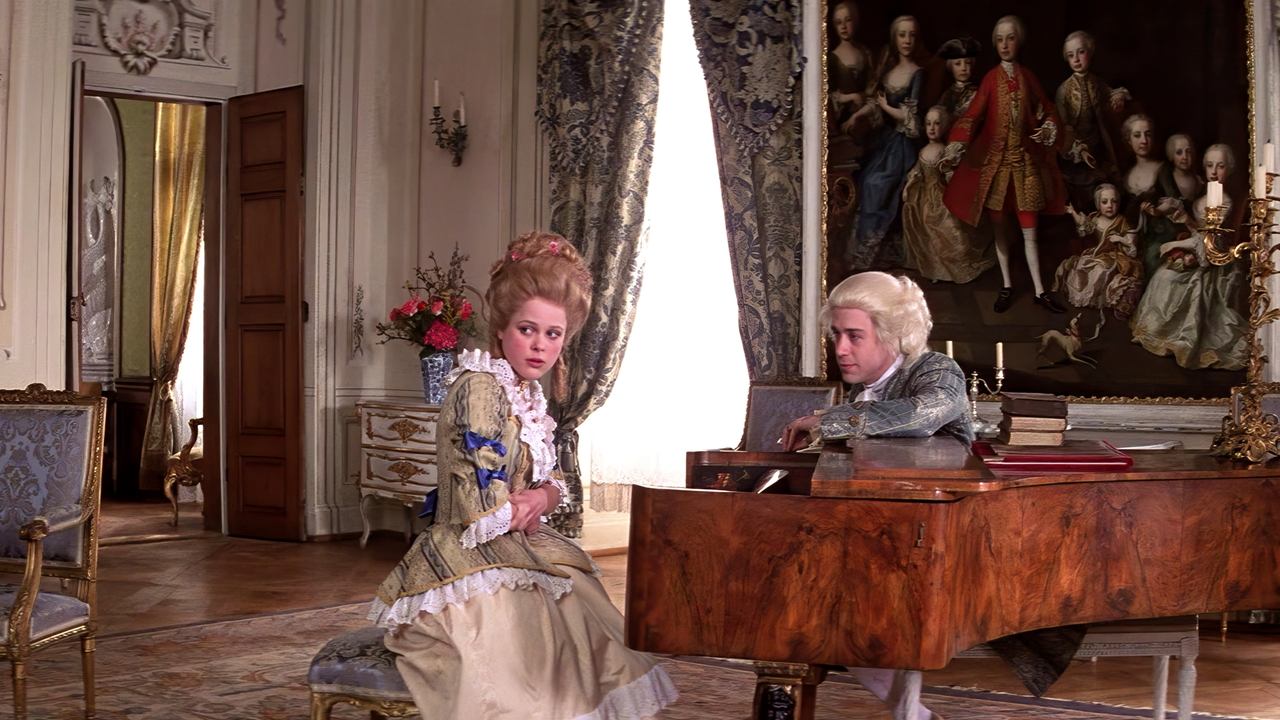
As played by Tom Hulce, Mozart isn't a dignified statue in a museum. He’s a giggling, potty-mouthed, socially inept punk rocker in a powdered wig. He’s the guy who arrives late to the party, insults the host, and then writes a masterpiece on a napkin. Salieri is the most relatable villain in cinema because he’s just a guy who’s really good at being "pretty good" while watching a brat transcend time without even trying.
The cerebral core of the movie isn't the rivalry itself, but Salieri’s war with God. He views Mozart’s talent as a personal insult from the Creator. Why would God choose such a "vulgar creature" to be his instrument while leaving the faithful, hardworking Salieri in the dust? It’s a brilliant, agonizing exploration of the unfairness of the universe. Watching Salieri realize he is the only person in Vienna talented enough to realize how much better Mozart is than him is a special kind of psychological horror.
Punk Rock in the 18th Century
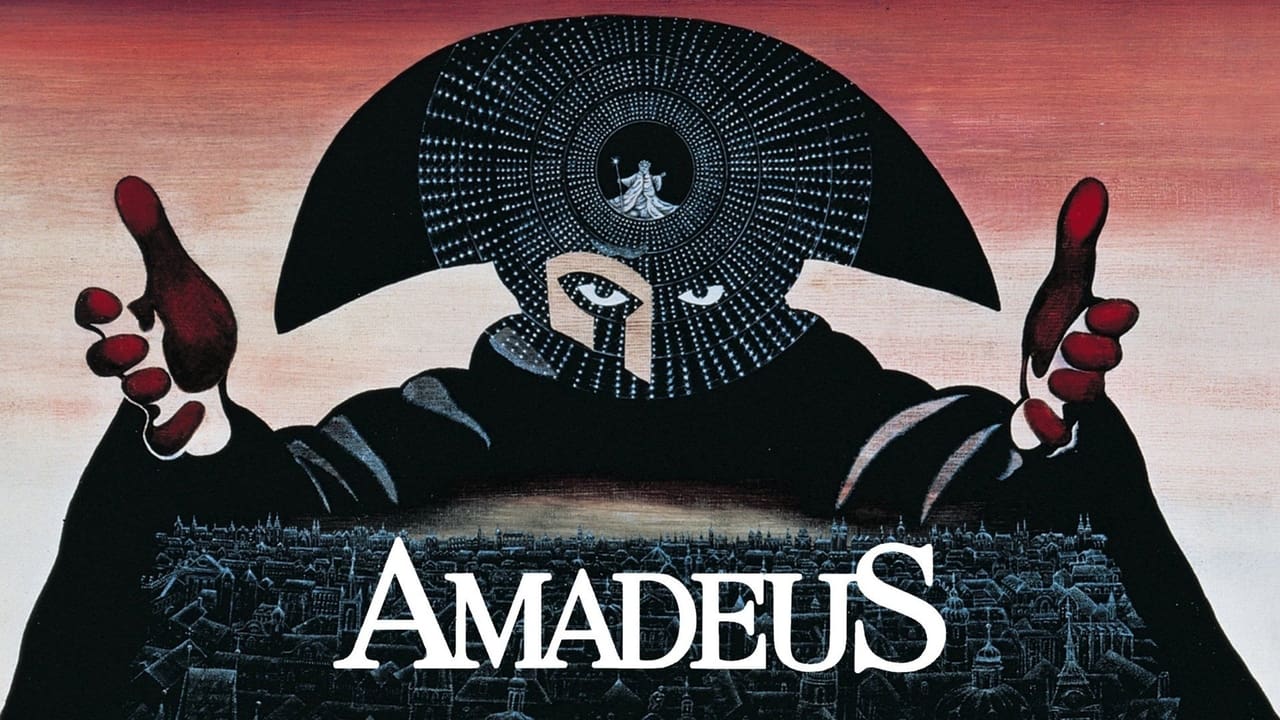
Visually, Amadeus is a triumph of the practical effects era, though not in the way a Star Wars fan might expect. Because Miloš Forman was a Czech immigrant, he was able to secure permission to film in Prague, which at the time was still behind the Iron Curtain and largely untouched by modern architecture. There are no CGI cityscapes here; those are real cobblestones and real 18th-century theaters.
The lighting, captured by cinematographer Miroslav Ondříček, is legendary. They used natural light and thousands of real candles to create a warm, claustrophobic glow that makes the opera houses look like velvet-lined jewelry boxes. It gives the film a tactile, lived-in quality that modern digital biopics can’t touch. Interestingly, Tom Hulce actually learned to play the piano for his scenes, practicing four hours a day so his finger movements would match the music perfectly. When you see his hands flying across the keys, he isn't faking it—he’s actually shredding.
The film’s "prestige" status was cemented at the 57th Academy Awards, where it turned into an absolute juggernaut. It scooped up eight Oscars, including Best Picture and Best Director. The Best Actor race was a rare "head-to-head" between the two leads; F. Murray Abraham eventually took the statue home, famously acknowledging Tom Hulce in his speech by saying, "The only thing missing for me tonight is to have Mr. Hulce standing at my side."
The Gold-Box Legacy
For many of us, our first encounter with Amadeus wasn't in a theater but via the double-VHS box set. In the late 80s and early 90s, owning the gold-bordered Amadeus tapes was a sign that you were a "Serious Film Person." Because the movie is nearly three hours long, you had to physically get up and swap the tapes right around the time Mozart’s health begins to fail, which added a weird, ritualistic gravity to the viewing experience.
It’s a film that demands multiple viewings because the script by Peter Shaffer (adapting his own play) is so densely layered. On the first watch, you’re swept up in the music and the costumes. On the second, you start to notice the tragedy of Elizabeth Berridge as Constanze, Mozart's wife, who is just trying to keep their lives from falling apart while two men play a cosmic game of chess. By the third watch, you realize it’s basically a high-budget episode of Behind the Music scripted by a vengeful monk.
Ultimately, Amadeus succeeds because it refuses to be polite. It treats classical music as something dangerous, sexy, and exhausting. It reminds us that art isn't about being "nice"—it's about the terrifying, divine spark that chooses some of us and ignores the rest.
Forman’s masterpiece remains one of the few "important" films that is also immensely fun to watch. It’s a grand, operatic tragedy that manages to be both a celebration of music and a profound meditation on human inadequacy. Whether you’re a fan of the Requiem or you can’t tell a concerto from a cantata, this movie will leave you hummable and haunted. Don't be surprised if you find yourself forgiving your own mediocrity by the time the credits roll.
Keep Exploring...
-
The Elephant Man
1980
-
Gandhi
1982
-
The Color Purple
1985
-

Straight Outta Compton
2015
-
One Flew Over the Cuckoo's Nest
1975
-
Pink Floyd: The Wall
1982
-
Ran
1985
-
The Last Emperor
1987
-
Raging Bull
1980
-

The Sound of Music
1965
-
Barry Lyndon
1975
-
Cinema Paradiso
1988
-
Kiki's Delivery Service
1989
-
Judgment at Nuremberg
1961
-
Selena
1997
-

The Right Stuff
1983
-
Out of Africa
1985
-
Dirty Dancing
1987
-
Empire of the Sun
1987
-
Casualties of War
1989