Beverly Hills Cop
"The heat is on, and the laughs are lethal."
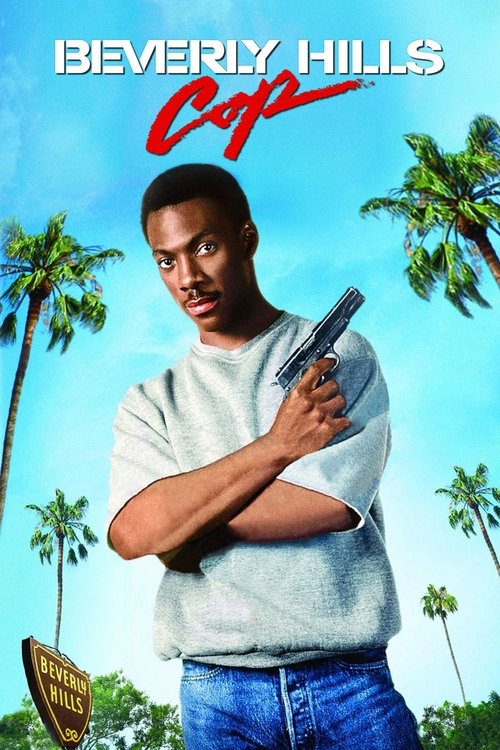
The smell of burnt rubber and cheap cigarettes is the true scent of 1984 Detroit, and it’s a far cry from the manicured lawns of the 90210. Before it became a blueprint for a thousand lesser imitators, Beverly Hills Cop was a gritty, high-stakes collision between blue-collar desperation and white-collar corruption. We often remember the laugh, but we forget the opening: a brutal, cold-blooded execution of a man in a dingy apartment hallway. That’s the engine that drives this machine. It’s not just a fish-out-of-water story; it’s a revenge tale fueled by the grief of a man who has nothing to lose but his badge.
The Gritty Engine Under the Gloss
Director Martin Brest—who later gave us the equally sharp Midnight Run—doesn’t shy away from the ugliness of the crime world. While the film is celebrated for its humor, the stakes are remarkably grim. Victor Maitland, played with a terrifying, reptilian stillness by Steven Berkoff, isn’t a "movie villain" who monologues; he’s a smuggler who treats human life like a line item on a ledger. I watched this last night while trying to peel a stubborn price sticker off a new lamp, and I eventually just gave up and left the sticky residue there, much like the grease Axel Foley leaves on the pristine upholstery of the Beverly Hills elite.
The action choreography here is a testament to the practical era. When that cigarette truck barrels through the streets of Detroit in the opening sequence, you feel the weight of the steel. There are no digital shortcuts. You’re seeing real cars crumpling, real glass shattering, and stunt drivers earning every penny of their hazard pay. The sequence took weeks to coordinate and cost a significant chunk of the $14 million budget, but it establishes Axel Foley’s world as one of chaotic, physical consequences. It’s the most charismatic middle finger ever aimed at the American upper class, wrapped in a Detroit Lions jacket.
The Murphy Gravity Well
Everything in this film orbits the supernova that was Eddie Murphy in 1984. Originally, this was a project for Mickey Rourke, and then Sylvester Stallone (who famously wanted to turn it into a relentless, humorless bloodbath that eventually became Cobra). When Murphy stepped in, the screenplay by Daniel Petrie Jr. had to be overhauled to accommodate a performer who could weaponize charisma.

The brilliance of the performance isn't just in the fast-talking "super-cop" rants—which were largely improvised on set—but in the way Murphy portrays Foley’s isolation. He is a man operating entirely without a safety net. His chemistry with the "local" cops, played by Judge Reinhold and John Ashton, provides the film’s emotional spine. Reinhold's Billy Rosewood and Ashton's Taggart start as obstacles and evolve into reluctant brothers-in-arms, but they never lose the sense that they are professionals navigating a very dangerous, very real conspiracy. Ronny Cox brings a necessary weight as Lt. Bogomil, a man caught between the bureaucratic rot of his department and his own moral compass.
A Legacy in Plastic and Magnetic Tape
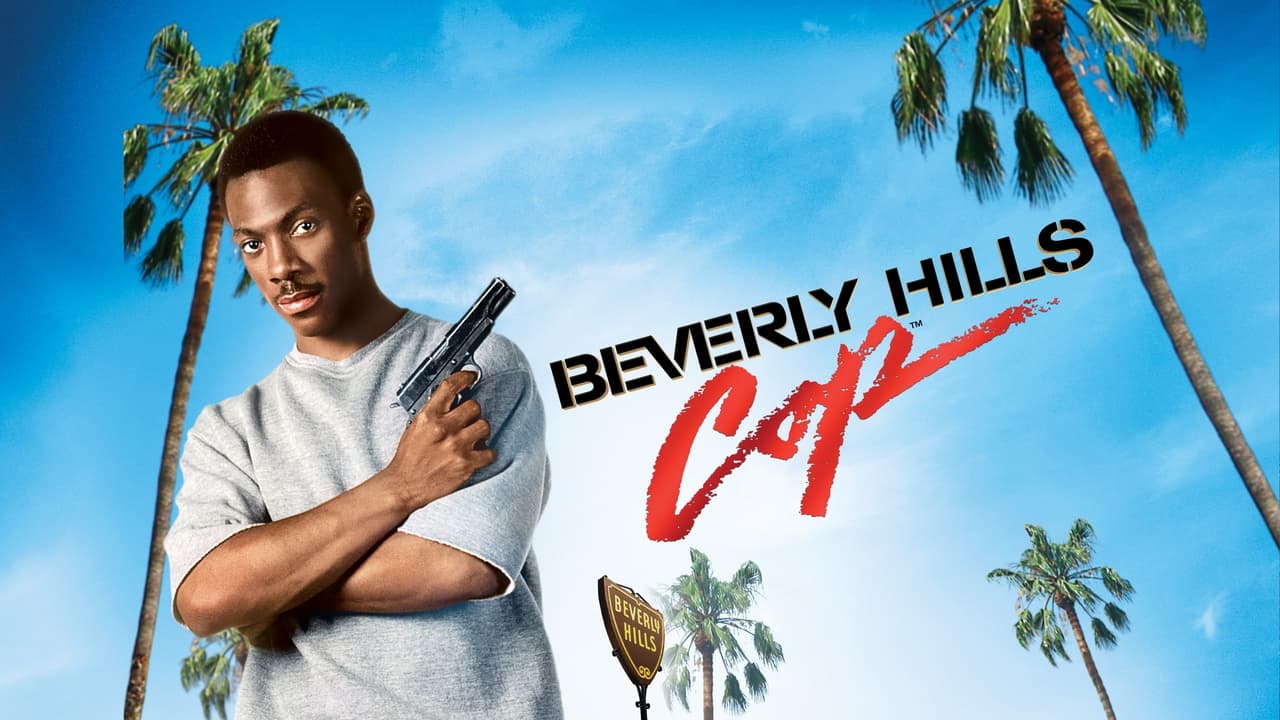
In the mid-80s, you couldn't enter a video store without seeing that iconic blue Paramount box. The cover art—Murphy leaning against his beat-up Chevy Nova with a smirk that promised he knew something you didn't—was a permanent fixture of the VHS revolution. This film was a cultural juggernaut, grossing over $316 million worldwide (nearly $900 million in today’s money) and staying in the top ten at the box office for almost half a year. It wasn't just a movie; it was a lifestyle.
The soundtrack, anchored by Harold Faltermeyer’s "Axel F," changed the way movies were marketed. That synth-pop hook was inescapable, becoming a global #1 hit and proving that a score could be as much of a star as the lead actor. On home video, the film became a ritual. Fans would rewind the "banana in the tailpipe" scene or the strip club heist until the magnetic tape literally began to flake off. It’s a film that thrives on the repeat view, not just for the jokes, but for the incredible pacing. There isn't a wasted frame in its 105-minute runtime.
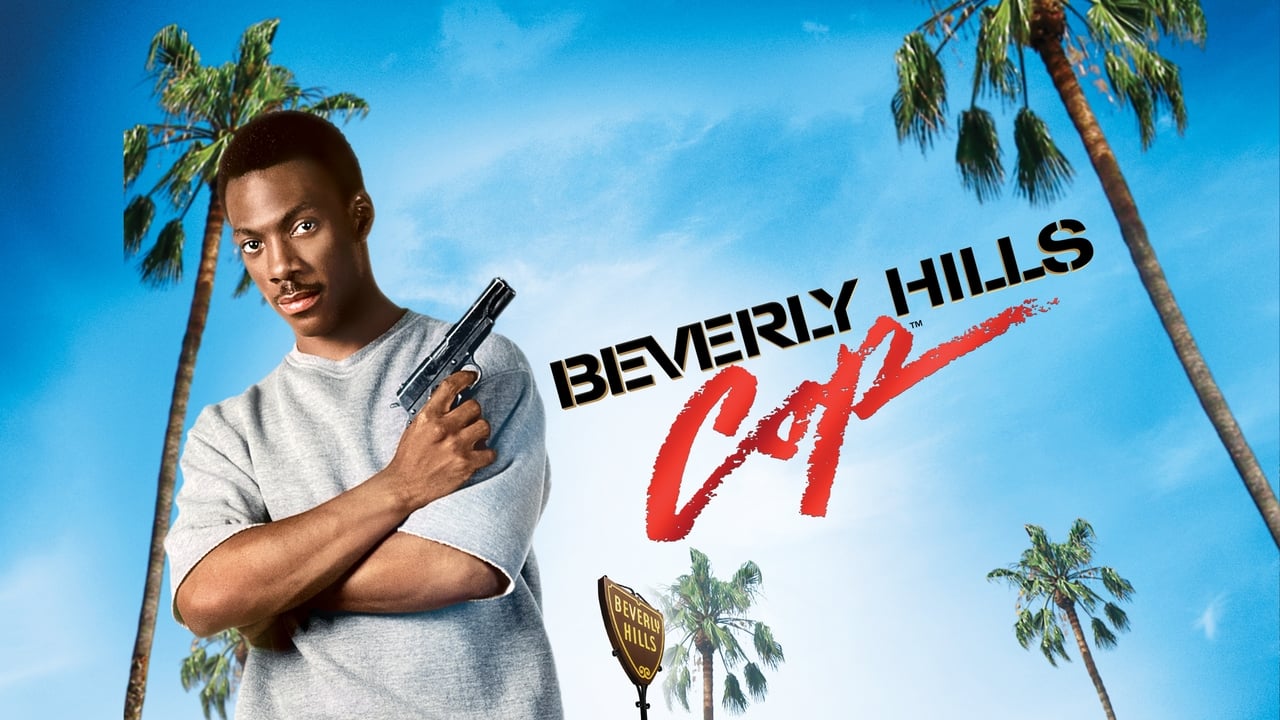
Beverly Hills Cop remains the gold standard for the action-comedy genre because it never forgets to be a detective movie first. The laughs are earned through character, not at the expense of the plot's tension. It captures a specific moment in American cinema where the grit of the 70s met the neon-soaked excess of the 80s, resulting in a film that feels both dangerous and incredibly fun. If you haven't revisited Axel Foley lately, it’s time to head back to the precinct.
This is the peak of Eddie Murphy’s powers, a moment where a single actor's energy could tilt the axis of Hollywood. It’s a reminder that before franchises were built by committees, they were built by a guy with a loud laugh and a very fast car. Turn up the Faltermeyer, ignore the sequels for a moment, and just enjoy the ride.

Keep Exploring...
-
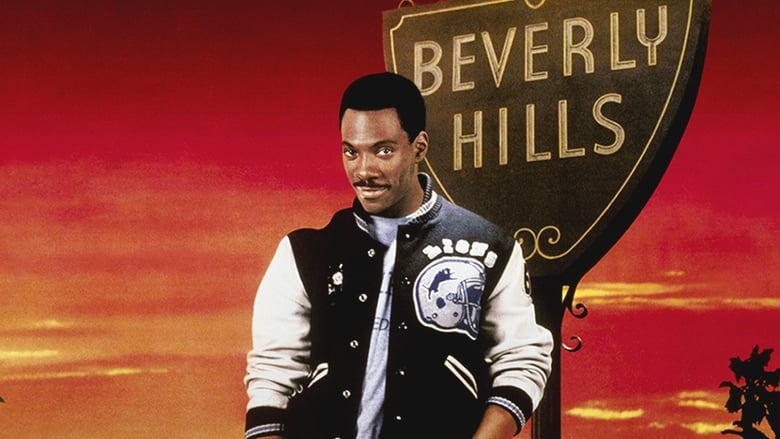
Beverly Hills Cop II
1987
-

Beverly Hills Cop: Axel F
2024
-

Midnight Run
1988
-
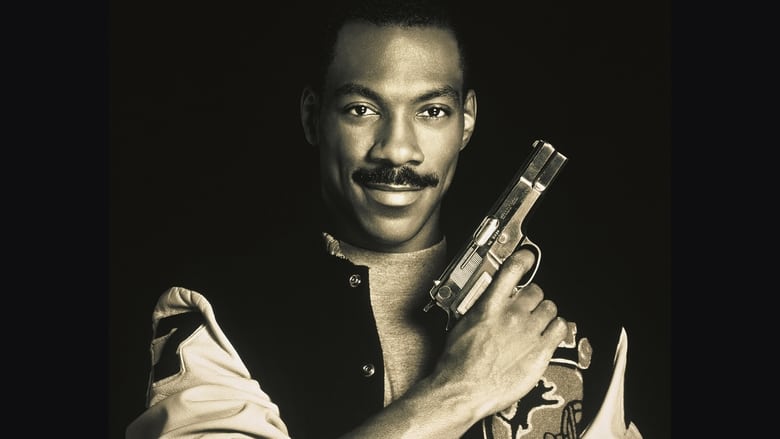
Beverly Hills Cop III
1994
-
The Blues Brothers
1980
-
Lethal Weapon 2
1989
-
Turner & Hooch
1989
-
The Naked Gun: From the Files of Police Squad!
1988
-
Batman
1989
-
48 Hrs.
1982
-
A Fish Called Wanda
1988
-
The Sting
1973
-
Scarface
1983
-
Clue
1985
-

Raising Arizona
1987
-
Dirty Rotten Scoundrels
1988
-
Crimes and Misdemeanors
1989
-
Tango & Cash
1989
-
Sudden Impact
1983
-
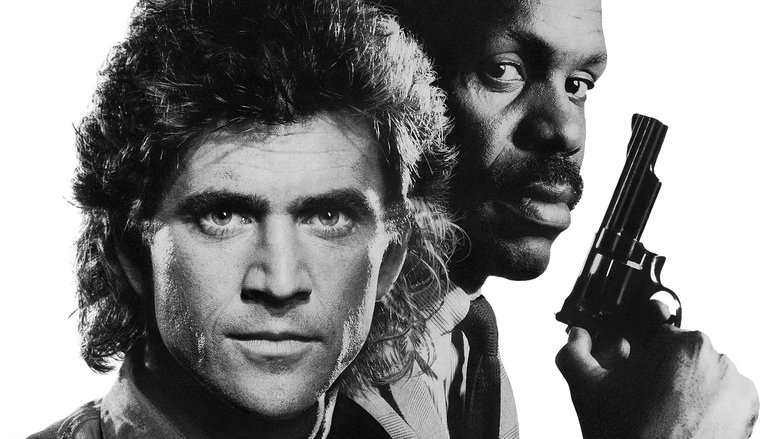
Lethal Weapon
1987