Body Double
"The camera sees everything. Especially the things it shouldn't."
The Art of the Peeping Tom
I watched Body Double on a humid Tuesday evening while my air conditioner was making a rhythmic rattling sound like a diesel engine. Somehow, that mechanical clatter felt like the perfect accompaniment to Brian De Palma’s 1984 neon-drenched fever dream. This isn’t a movie you watch with the lights on; it’s a movie that makes you want to close your blinds, then immediately regret doing so because you might miss something.
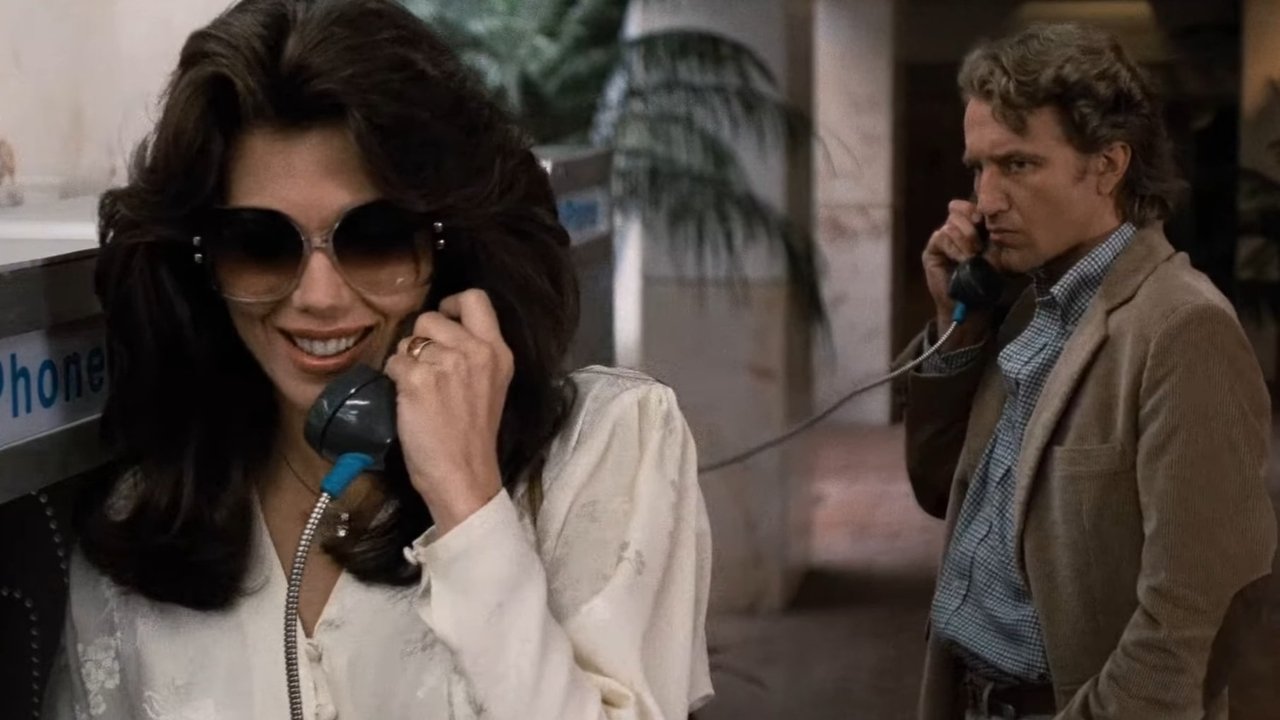
Upon its release, critics mostly treated Brian De Palma like a kid who had been caught drawing something inappropriate in the back of a math textbook. The film flopped, earning less than its $10 million budget, and was largely dismissed as a derivative, sleazy riff on Hitchcock’s Rear Window and Vertigo. But watching it now, away from the immediate outrage of the mid-80s, Body Double reveals itself as something much more fascinating: it’s a drama about the act of looking, the vulnerability of performance, and the crushing weight of Hollywood artifice.
At the center of the storm is Craig Wasson as Jake Scully, an actor who is having a truly terrible week. He’s fired from a low-budget vampire flick because his claustrophobia prevents him from staying in a coffin, and he returns home to find his girlfriend in bed with another man. Wasson plays Jake with a specific kind of "Average Joe" desperation that makes him deeply relatable. He isn’t a suave hero; he’s a guy who is easily manipulated because he’s lonely and looking for a role to play. He is essentially a golden retriever who has accidentally wandered into a snuff film.
Griffith, Frankie, and the Neon Void
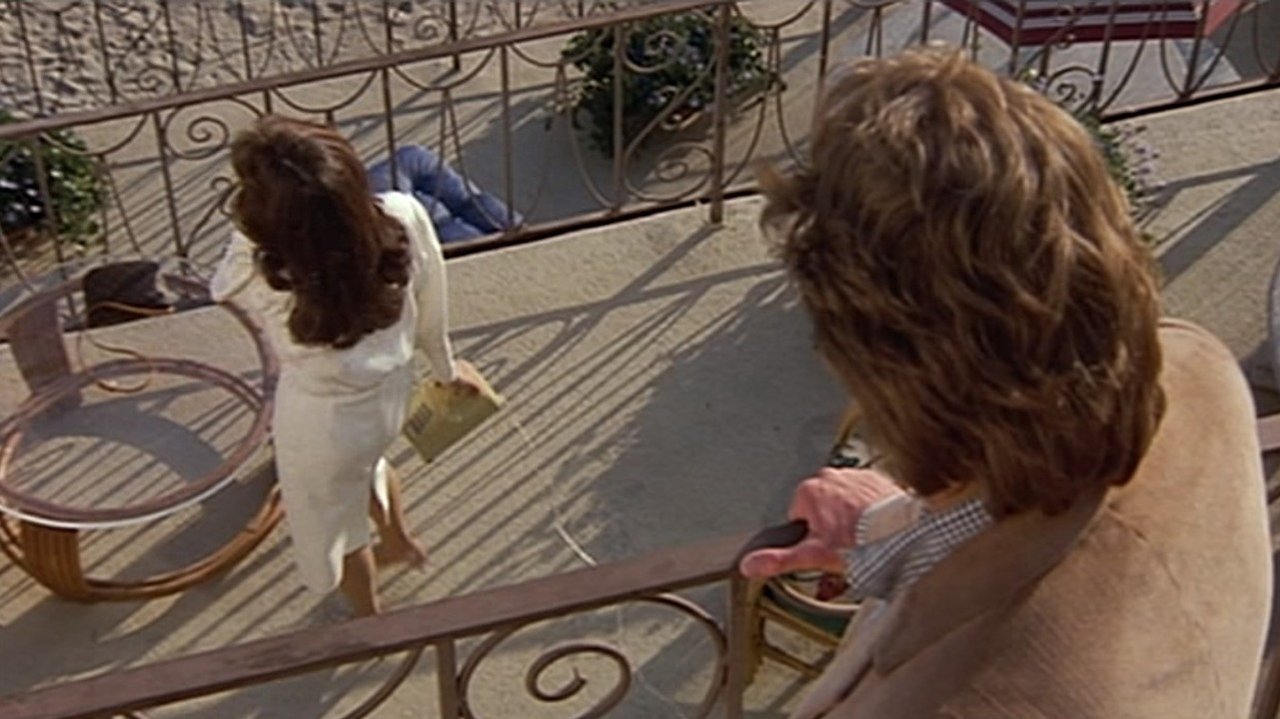
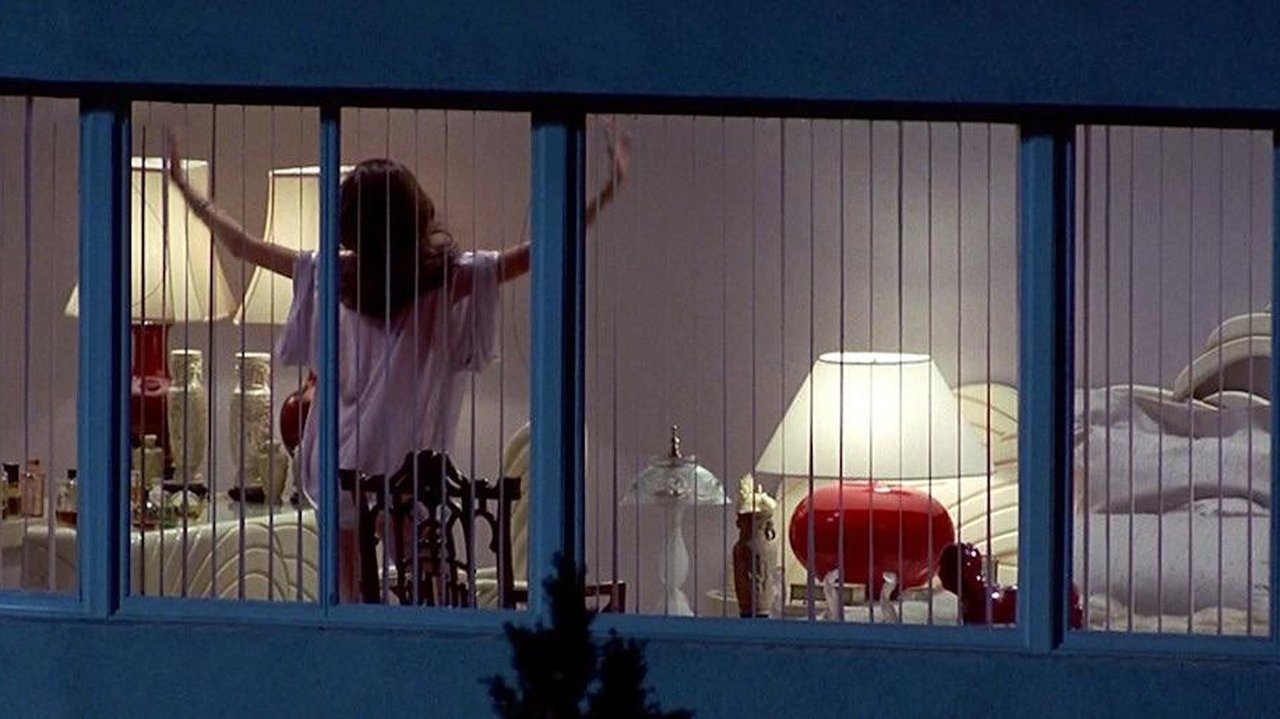
The film shifts gears when Jake takes a house-sitting gig in a luxurious, saucer-shaped home in the Hollywood Hills. Through a telescope, he discovers his neighbor, Gloria Revelle (Deborah Shelton), who performs an erotic dance every night at the same time. This is where De Palma’s mastery of the "subjective camera" takes over. We aren't just watching Jake; we are looking through his eyes, feeling the uncomfortable thrill of the voyeur.
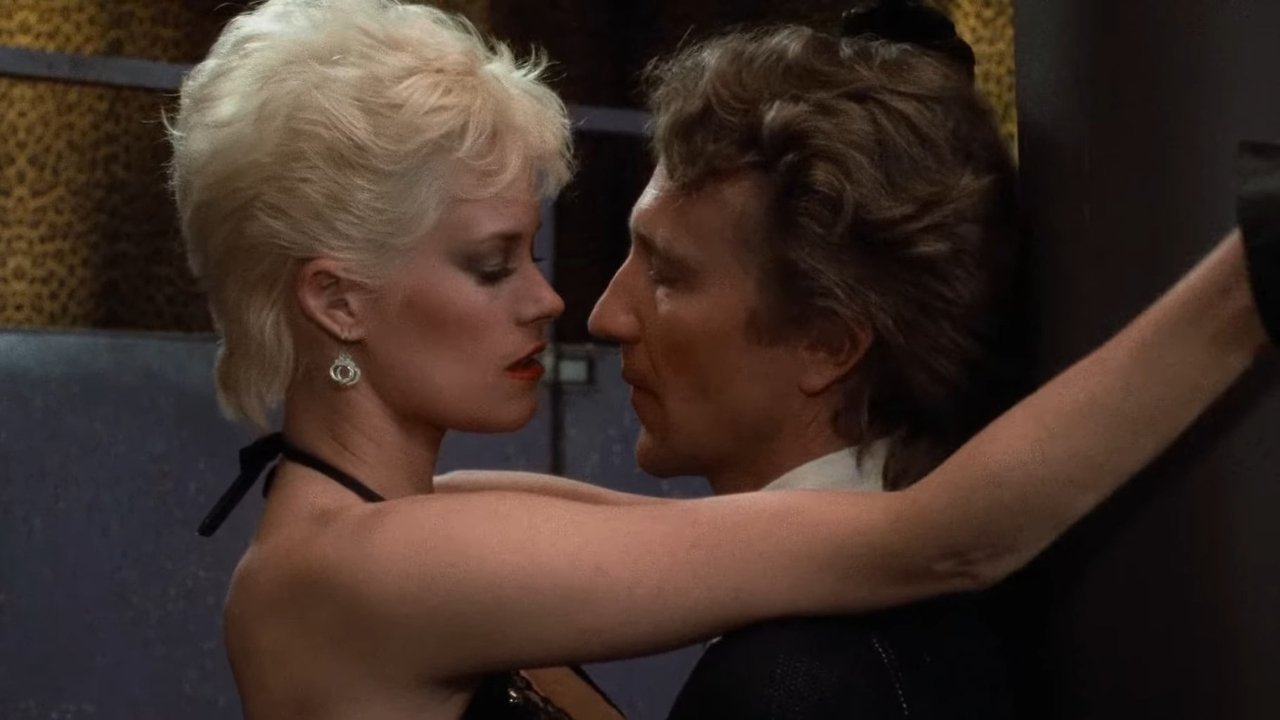
But the real heart of the film doesn't beat until Melanie Griffith appears as Holly Body, a porn actress whom Jake tracks down after witnessing a brutal murder involving a power drill. Griffith is a revelation here. She brings a grounded, weary, yet playful intelligence to a role that could have been a one-dimensional caricature. Her chemistry with Wasson provides the film’s only genuine emotional anchor. In a movie filled with fake sets, fake identities, and literal body doubles, Melanie Griffith feels like the only real person in the room.
The centerpiece of the film—a music video sequence featuring "Frankie Goes to Hollywood" performing "Relax"—is peak 1984 excess. It’s loud, it’s garish, and it completely halts the plot to indulge in a moment of pure MTV-era stylization. To some, it’s a dated distraction; to me, it’s the movie’s mission statement. De Palma is basically a high-budget pervert with a master’s degree in cinematography, and he wants you to know that in Hollywood, everything—even a murder investigation—is just another piece of choreographed entertainment.
The Tape That Earned Its "R" Rating
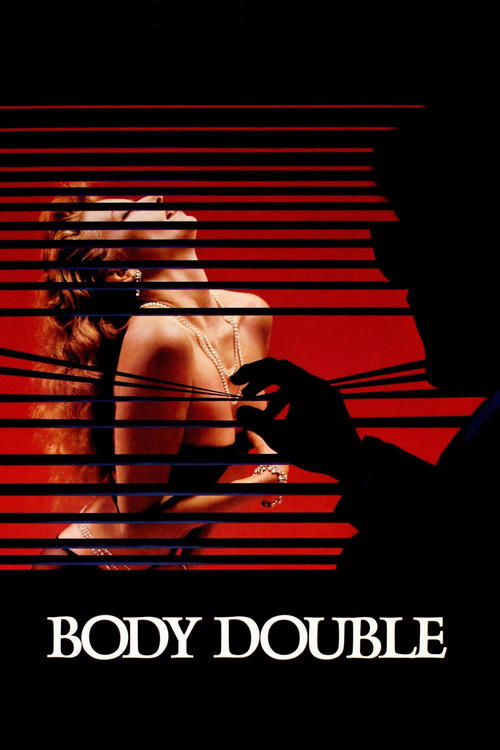
While Body Double struggled in theaters, it became a legend in the local video rental shop. This was a "forbidden fruit" tape. The box art, usually featuring the iconic image of a woman’s silhouette through a window or a telescope lens, promised a level of adult intrigue that the suburban theaters of the era were often hesitant to promote.
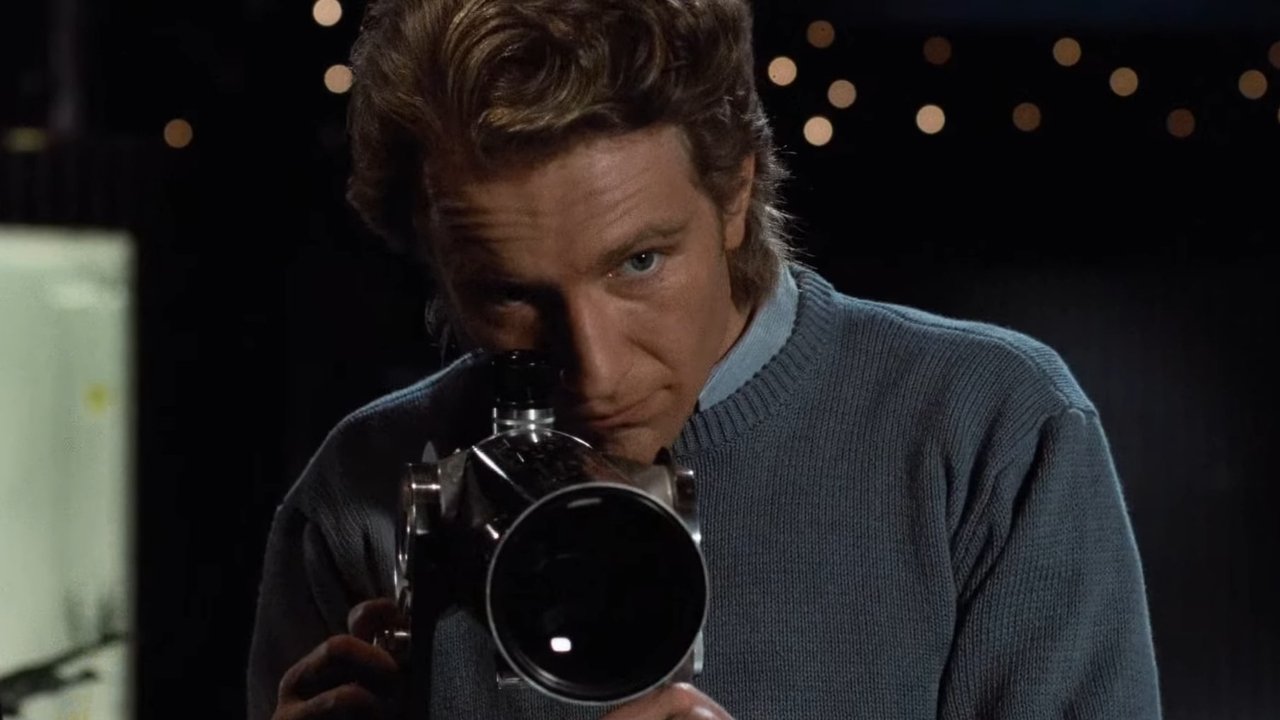
On VHS, the film’s saturated primary colors—the deep blues of the Hollywood night and the stabbing reds of the murder scenes—took on a grainy, tactile quality that suited the grimy subject matter. The practical effects, particularly the infamous drill sequence, remain deeply unsettling. There is a weight to the makeup and the mechanical stunts of this era that CGI simply cannot replicate. When you see that drill bit slowly descending through a ceiling, you feel the tension because you know a physical object was actually being lowered by a crew member just off-camera. It’s tactile, mean-spirited filmmaking that earned every bit of its "R" rating.
The film eventually faded from the mainstream conversation, partly because De Palma’s "homage" style was seen as repetitive, and partly because the industry moved toward the sanitized action of the late 80s. However, for those of us who grew up scanning the "Thriller" section of the video store, Body Double remains a high-water mark of auteurist sleaze. It’s a movie that understands that we all like to watch, and it punishes us—and its characters—for that curiosity in the most stylish way possible.
Body Double is a polarizing, messy, and technically brilliant exploration of obsession that works best when you stop comparing it to Hitchcock and start enjoying it as a De Palma original. Craig Wasson delivers a performance of quiet, claustrophobic anxiety that anchors the wilder impulses of the plot, while Melanie Griffith steals every scene she inhabits. It’s a film about the lies we tell ourselves and the screens we hide behind, making it surprisingly relevant in our current era of digital voyeurism. If you can stomach the 80s excess and the occasional dip into genuine nastiness, it’s a trip to Hollywood you won't soon forget.
Keep Exploring...
-
Blow Out
1981
-
Dressed to Kill
1980
-
Clue
1985
-
The Untouchables
1987
-
Mississippi Burning
1988
-
Snake Eyes
1998
-
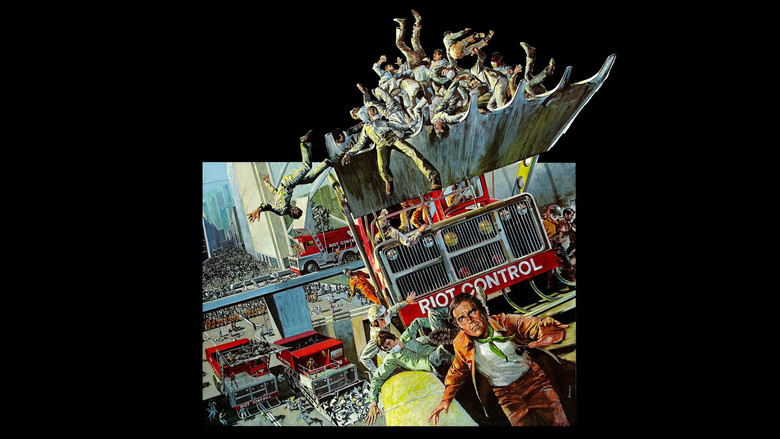
Soylent Green
1973
-

Murder by Death
1976
-
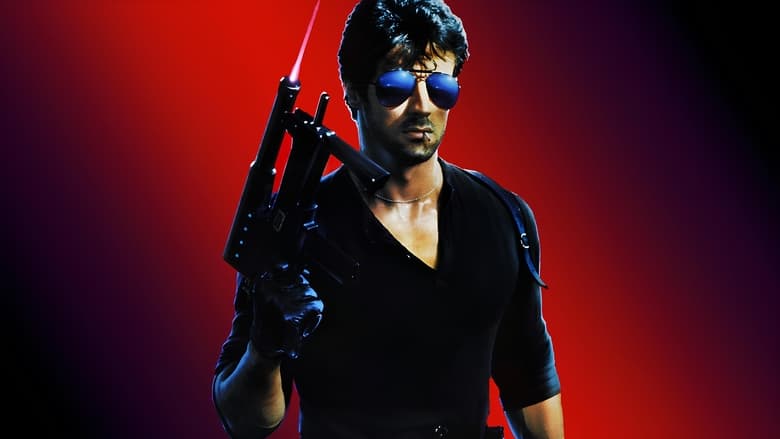
Cobra
1986
-
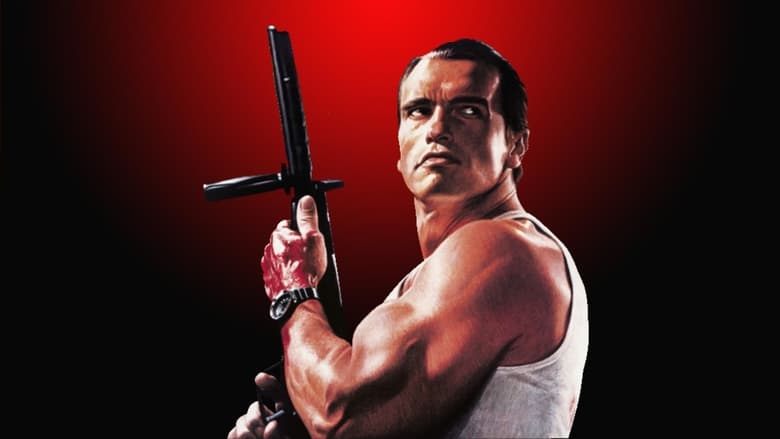
Raw Deal
1986
-

Midnight Run
1988
-
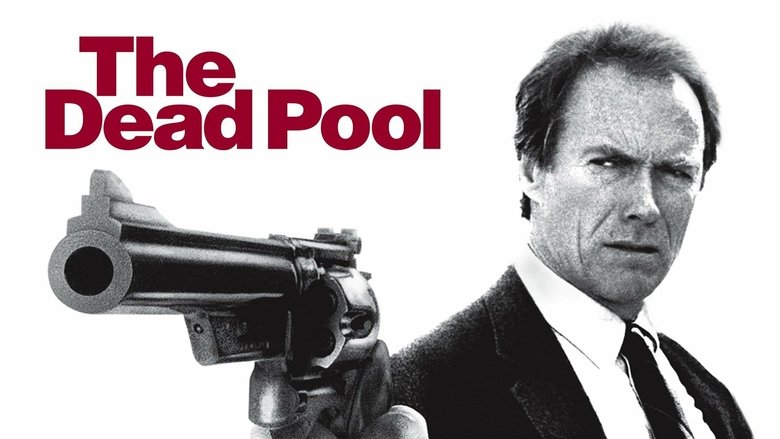
The Dead Pool
1988
-
Lock Up
1989
-
Turner & Hooch
1989
-
Blood Simple
1985
-
Manhunter
1986
-
Frantic
1988
-
In the Heat of the Night
1967
-
Blue Velvet
1986
-
Casualties of War
1989