Dune
"A nightmare of spice, steam, and space pugs."
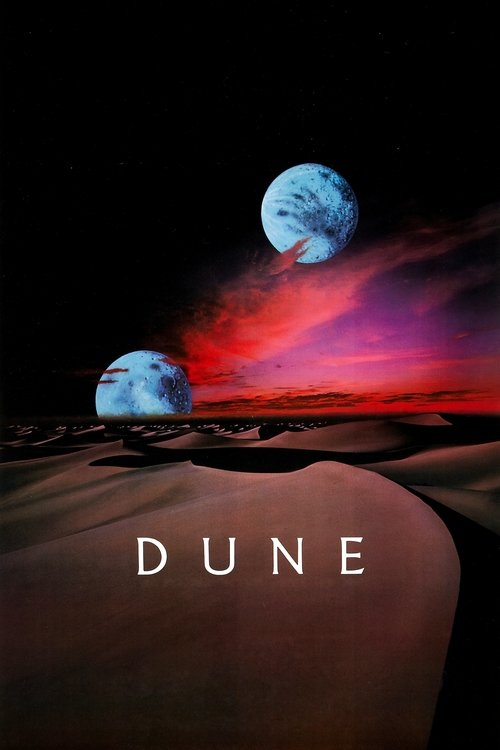
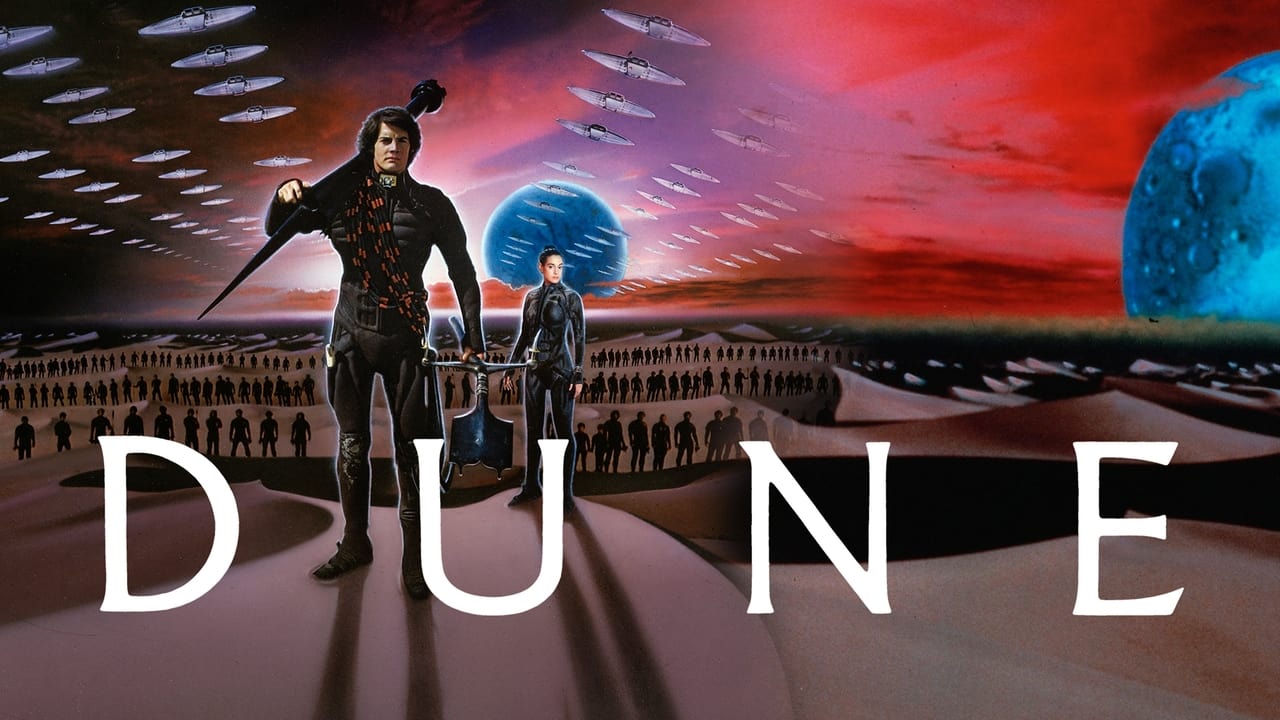
The first time I tried to watch David Lynch’s Dune, I was wearing a wool sweater that was about three sizes too small and incredibly itchy. Strangely, that physical discomfort felt like the perfect way to experience the movie. This isn't a film that wants you to be comfortable; it wants to whisper secrets into your ear while showing you a giant, sentient booger in a tank of orange gas.
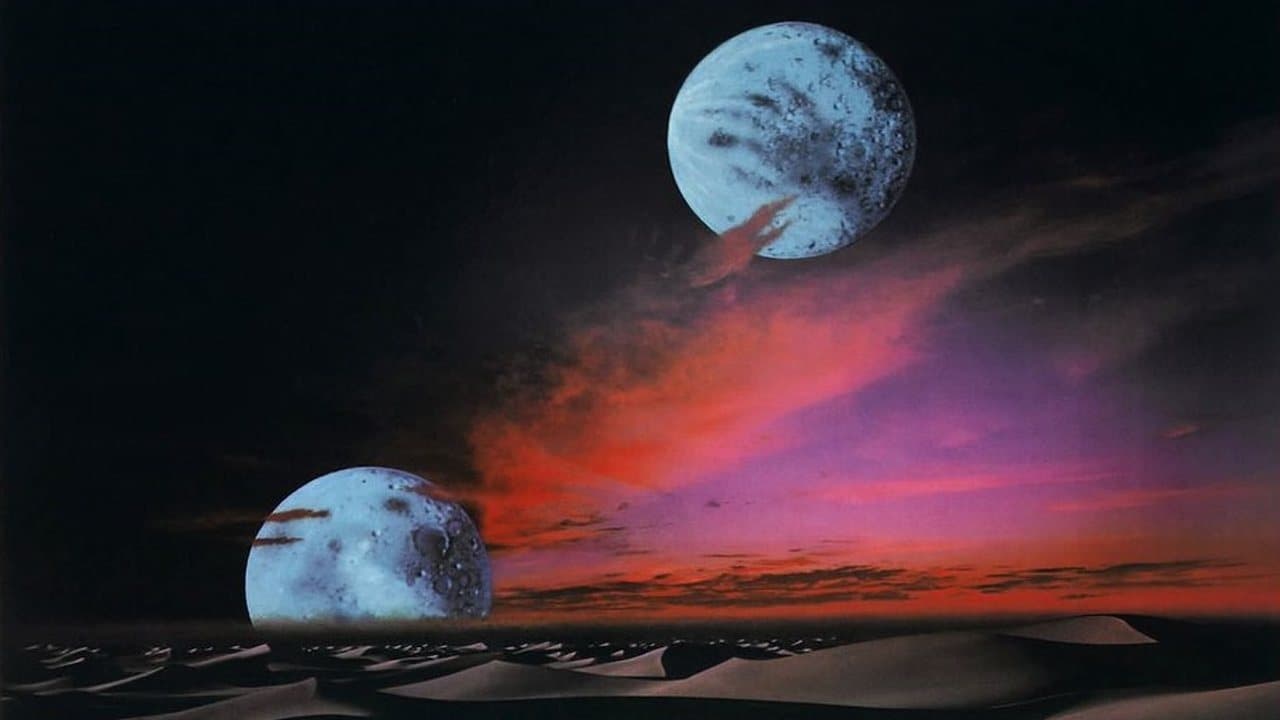
Long before Denis Villeneuve turned Frank Herbert’s "unfilmable" novel into a sleek, brutalist desert opera, David Lynch gave us something much weirder. Released in 1984, this Dune is a messy, sprawling, frequently gross, and utterly hypnotic relic of an era when studios were desperate to find "the next Star Wars" and accidentally handed the keys to the kingdom to a guy who usually made movies about severed ears in backyard grass. It’s a space-opera fever dream written on a napkin during a mid-summer heatstroke, and frankly, I kind of love it for that.
Steam, Slime, and the Slow Blade
The action in Lynch’s Dune is... specific. If you’re coming from the modern era of hyper-choreographed stunt work, the 1984 fight scenes might look like two guys trying to solve a Rubik’s Cube while underwater. But look at the "shield" technology. In the mid-80s, the practical effects team had to create these blocky, translucent rectangles that moved with the actors. It looks dated now, sure, but there’s a tactile weight to it. When Kyle MacLachlan (in his film debut as Paul Atreides) squares off against Patrick Stewart (playing a very gruff Gurney Halleck), the rhythm of the "slow blade" is actually quite tense.
Then there are the "Weirding Modules." In the book, the Fremen are masters of a martial art. Lynch, however, decided that kung-fu looked silly in space, so he gave them sonic boxes that turn screams into literal explosions. Seeing a Fremen warrior shout a hole through a Sardaukar soldier is the kind of 80s cheese that actually tastes like aged cheddar. It’s loud, it’s chaotic, and the sound design—those thudding, mechanical crunches—makes every hit feel like it's happening inside your own skull.
The VHS Rental Store Odyssey

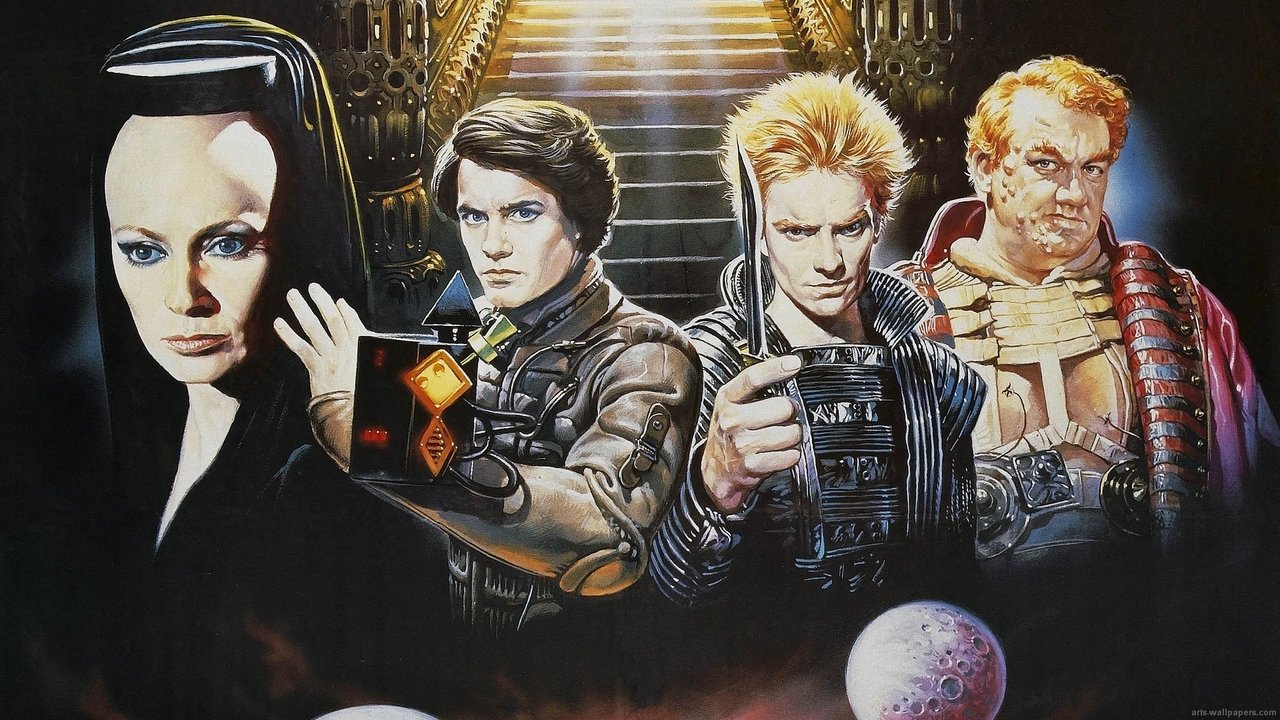
If you grew up in the late 80s or early 90s, your relationship with Dune likely started at a Mom-and-Pop video rental shop. You probably saw that iconic cover art—the glowing eyes of the Fremen and the promise of a "world beyond your imagination"—and felt a mix of awe and dread. Because it was so long (and so confusing), Dune was a staple of the "Double VHS" set. There was something ceremonial about having to get up halfway through the movie to pop the second tape in.
That home video life is where Dune truly became a cult object. In the theater, audiences were famously handed "cheat sheets" to understand the glossary of terms like Kwisatz Haderach or Gom Jabbar. On VHS, you didn't need a pamphlet; you just rewound the tape and squinted at your CRT television, trying to figure out if Sting—playing the villainous Feyd-Rautha—was actually wearing a metal codpiece (spoiler: he absolutely was). The low-resolution fuzz of a worn-out rental tape actually helped the movie; it smoothed over some of the rougher blue-screen effects and made the oily, dark interiors of the Harkonnen palace look even more oppressive.
A Masterpiece of Practical Gross-Outs
The real stars here aren't the actors, but the practical effects crew. This was the Golden Age of "if you can’t build it, it doesn’t exist." The Spacing Guild Navigator, a massive, mutated creature living in a tank of spice gas, is a triumph of animatronics and puppetry. It looks wet, it looks ancient, and it looks real. Compare that to the CGI of the early 2000s, and Lynch’s practical approach wins every time.
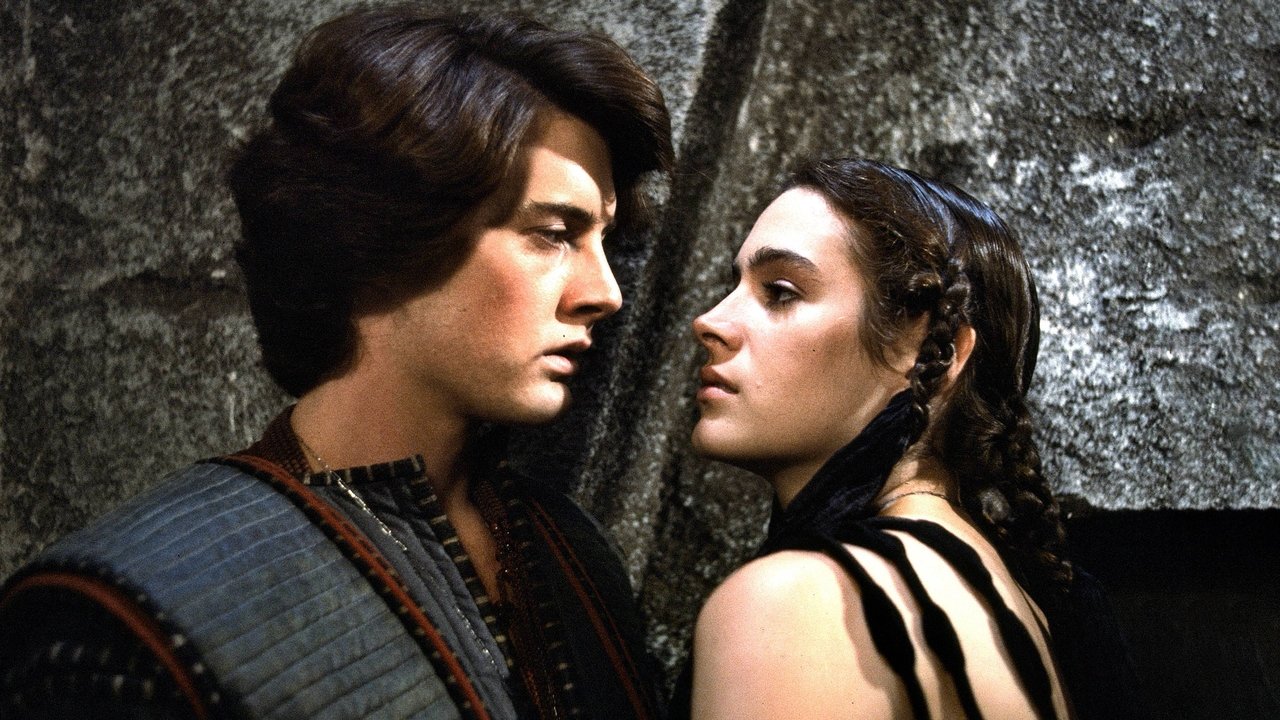
Of course, we have to talk about the Baron Harkonnen, played with terrifying, scenery-chewing glee by Kenneth McMillan. The production design for the Harkonnens is basically "Industrial Goth Slime." The Baron is covered in weeping sores and spends his time floating through the air via "suspensor belts." It’s genuinely repulsive. There’s a scene where he pulls a "heart plug" out of a servant that is so bizarrely cruel it feels like it belongs in a different genre entirely.
Apparently, the production was a nightmare. They filmed in Mexico, and the heat was so intense that the mechanical worms kept breaking down. Linda Hunt, who plays the Shadout Mapes, once mentioned in an interview that the set was so massive it felt like they were building a real city. You can see every cent of that $40 million budget on the screen—even if a lot of it was spent on Freddie Jones' incredible eyebrows or the fact that they brought an actual pug into a battle scene. (Yes, look closely at the Arrakeen invasion; Patrick Stewart charges into a laser fight holding a pug. Cinema peak attained.)
David Lynch’s Dune is a failure, but it’s a magnificent, towering, weirdly beautiful failure. It tries to cram three books’ worth of internal monologues—literally whispered over the soundtrack—into two hours, and it fails at being a coherent narrative. But as a piece of "New Hollywood" ambition meeting 80s excess, it is essential viewing. It’s a movie that smells like copper and spice, and even if it doesn't always make sense, you'll never forget the image of a giant worm rising from the sand to the tune of a synth-heavy score by Toto.
If you've only seen the new versions, do yourself a favor: turn off the lights, find the grainiest version you can, and embrace the weirdness. Just maybe wear a shirt that isn't made of itchy wool. It helps with the immersion, but your skin will thank you.
Keep Exploring...
-
Tron
1982
-

Mad Max Beyond Thunderdome
1985
-
Flash Gordon
1980
-
Superman III
1983
-

Star Trek III: The Search for Spock
1984
-

Masters of the Universe
1987
-

Star Trek V: The Final Frontier
1989
-
Moonraker
1979
-

Superman II
1980
-

Highlander
1986
-
The Running Man
1987
-

Willow
1988
-

Bill & Ted's Excellent Adventure
1989
-

Mad Max
1979
-
The Man with the Golden Gun
1974
-

Star Trek II: The Wrath of Khan
1982
-
Return of the Jedi
1983
-

Predator
1987
-

X-Men: The Last Stand
2006
-
Star Trek: The Motion Picture
1979