Footloose
"Dancing is a crime. Ren is a career criminal."
There is a specific kind of 1980s alchemy that happens in the opening credits of Footloose. It’s just a series of feet—shod in sneakers, boots, and heels—pumping away to a Kenny Loggins beat against a black background. It shouldn't be cinematic, and yet, it’s one of the most infectious four minutes in film history. I watched this most recently while my dog was barking incessantly at a stray leaf on the patio, and I realized he was actually yapping perfectly in sync with the backbeat of "Holding Out for a Hero." Even the local wildlife can’t resist this soundtrack.

The Western in Neon Leg Warmers
On paper, the plot of Footloose is absolutely ridiculous. A big-city kid moves to a small town where a local preacher has successfully lobbied to ban music and dancing. It sounds like a lost episode of The Twilight Zone directed by someone with a severe grudge against disco. But screenwriter Dean Pitchford—who based the script on the real-life town of Elmore City, Oklahoma—and director Herbert Ross treat the premise with a startling amount of sincerity.
Kevin Bacon plays Ren McCormack, and he radiates a "too-cool-for-this-zip-code" energy that feels earned rather than arrogant. He’s the classic outsider, a trope that was the bread and butter of the 80s, but Bacon brings a physical twitchiness to the role that makes you believe he actually needs to move. If he doesn't dance, he might actually explode. His chemistry with Lori Singer, playing the rebellious Ariel, is fine, but the real sparks fly between Ren and the town’s rigid morality, personified by John Lithgow.
Complexity Under the Collar
The secret weapon of this movie isn't the dancing; it’s John Lithgow as Rev. Shaw Moore. In any lesser movie, the preacher would be a mustache-twirling villain who hates fun. Instead, Lithgow gives us a grieving father who has weaponized his trauma into a protective, suffocating blanket for the entire town. When he and Dianne Wiest (playing his wife, Vi) share the screen, the movie briefly stops being a "teen flick" and becomes a heavy-hitting domestic drama about the limits of faith and the pain of loss. Dianne Wiest says more with a weary sigh than most actors do with a three-page monologue.
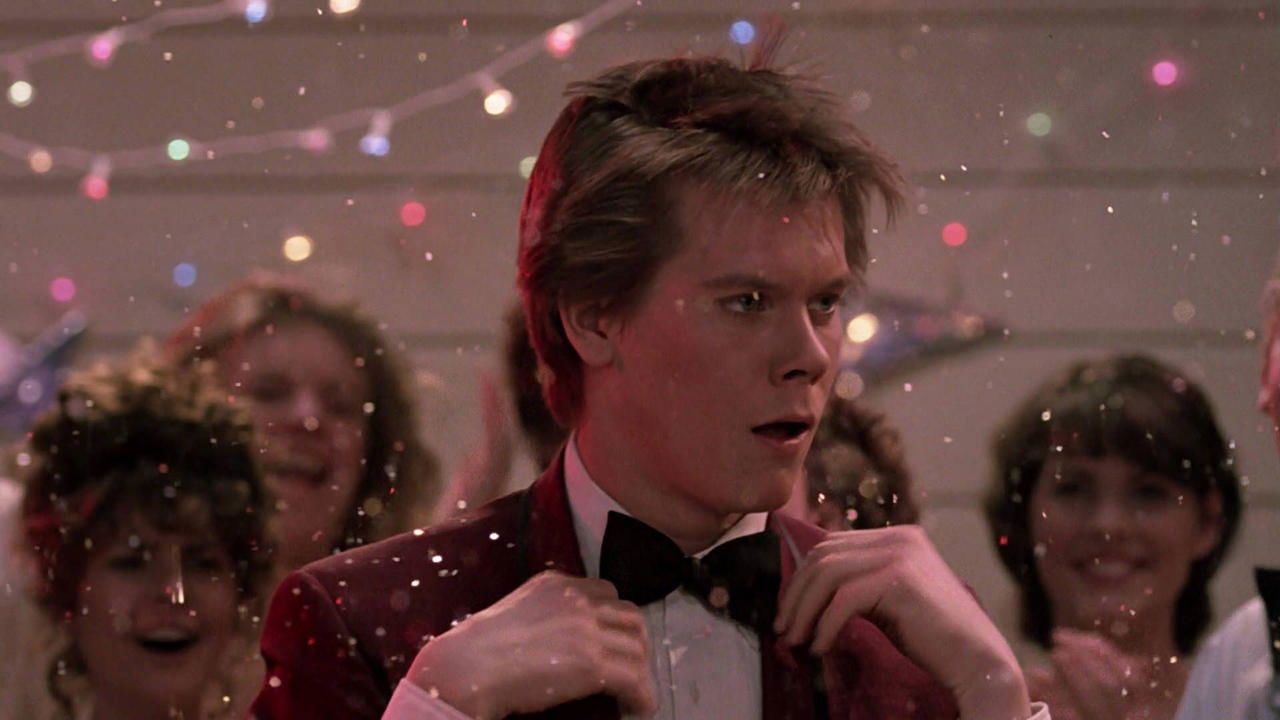
Of course, then we get the "Angry Dance." You know the one—Ren goes to a warehouse, smokes a cigarette, and performs a gymnastics-heavy solo that defies several laws of physics. It’s glorious. It’s the ultimate 80s expression of "teen angst," and while it’s boldly over-the-top for a movie that pretends to be a gritty drama, I challenge anyone not to feel a surge of dopamine when he sticks that final landing.
The VHS Effect and Gym-Class Trauma
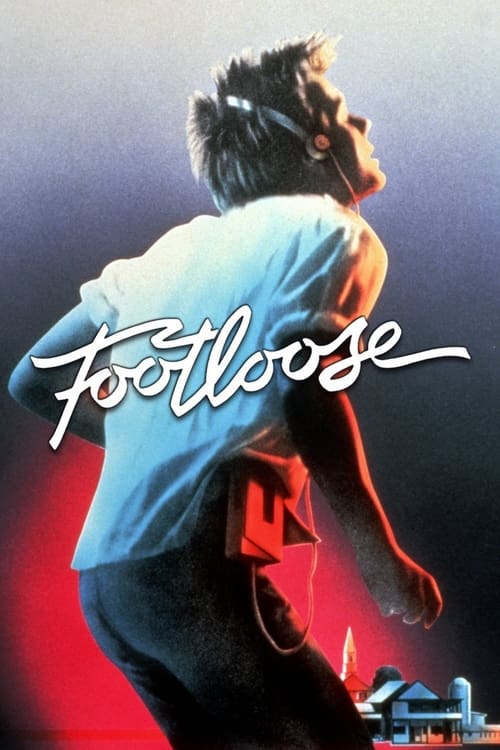
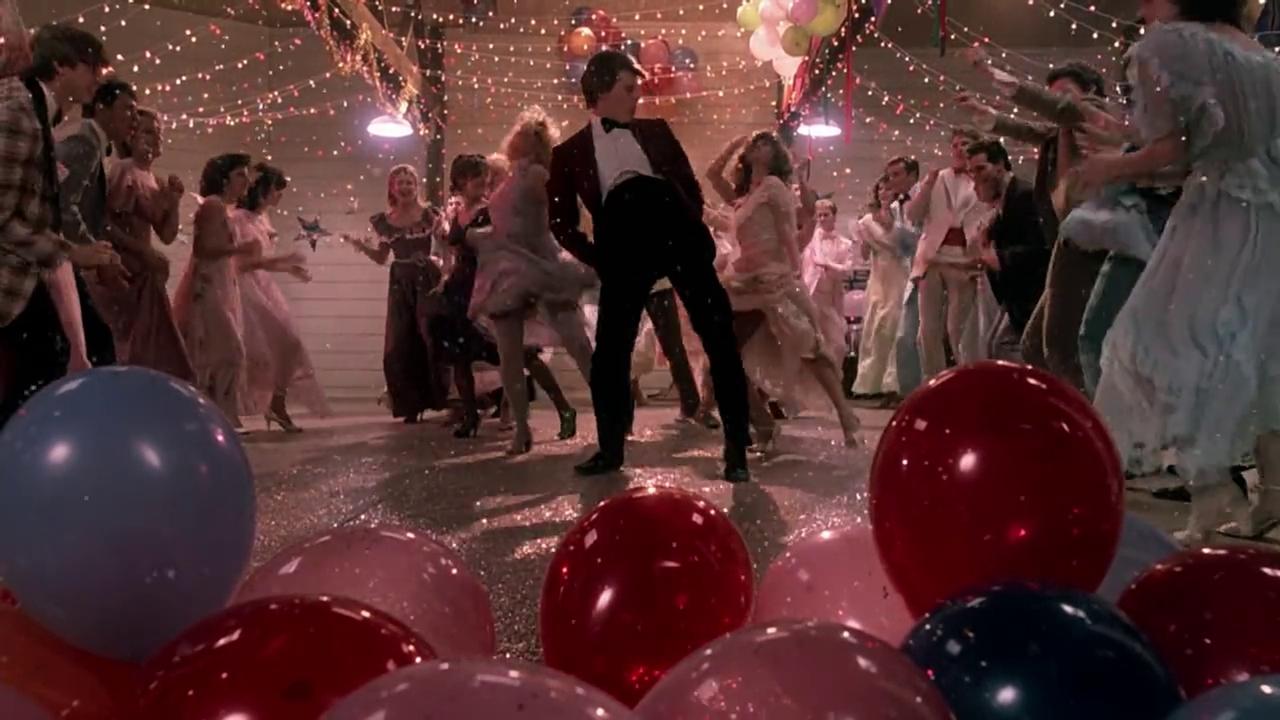
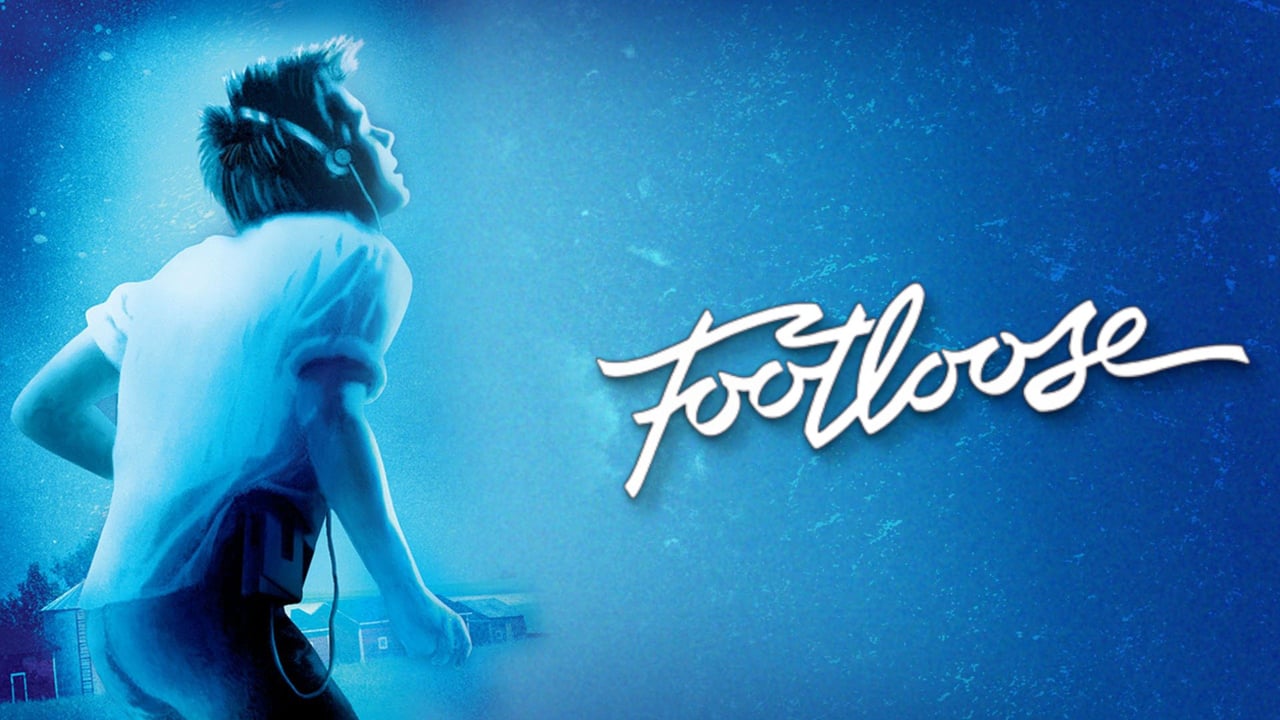
If you grew up with a VCR, the Footloose tape was likely a permanent fixture in your living room. It was the ultimate "rewind movie." I knew kids who practically wore out the ribbon on their Paramount Home Video tapes just trying to learn the steps to the final prom sequence. The box art, with Kevin Bacon leaning against his yellow Beetle, promised a level of cool that most of us suburban kids could only dream of achieving.
The film also serves as a delightful time capsule for 1984’s specific aesthetic. We get a young Chris Penn as Willard, the lovable oaf who can’t dance, and a tiny Sarah Jessica Parker as the fast-talking Rusty. The sequence where Ren teaches Willard how to find the beat is genuinely charming, mostly because Chris Penn plays the physical comedy with such earnestness. Watching him struggle with a cassette player is a reminder of a time when "portable music" required six D-batteries and a prayer.
Stuff You Didn't Notice
The production was famously more taxing than the bright colors suggest. Kevin Bacon actually went undercover as a student at a high school in Pennsylvania to "research" the role, only to find that he was mostly just terrified of the teenagers. While he did a fair amount of his own movement, the "Angry Dance" used a total of four performers: Bacon, a gymnastics double, a dance double, and a specialized "stunt" double for the wire work.
The soundtrack was a monster, too. It knocked Thriller off the top of the charts, which is the 1984 equivalent of beating a god in a wrestling match. It’s a "soundtrack movie" in the truest sense—the music doesn't just support the scenes; it dictates them. Without the songs, the movie is a somber look at rural censorship; with the songs, it’s an anthem of Reagan-era youth rebellion that managed to feel safe enough for parents but cool enough for the kids.
Footloose is a strange, wonderful hybrid of a "New Hollywood" character study and a high-concept MTV blockbuster. It’s got more heart than it needs and more denim than should be legally allowed in a single frame. Even when the logic fails—like how a town could actually enforce a "no-rhythm" policy—the sheer charisma of the cast carries it across the finish line. It’s a movie that understands that sometimes, the only way to deal with a world that wants you to sit down is to stand up and kick off your Sunday shoes. It remains the gold standard for films that prove you can't stop the beat, no matter how many town hall meetings you hold.
Keep Exploring...
-
The Lost Boys
1987
-
When Harry Met Sally...
1989
-
Breakfast at Tiffany's
1961
-
An Officer and a Gentleman
1982
-
Sophie's Choice
1982
-

Flashdance
1983
-

Risky Business
1983
-
Starman
1984
-
Out of Africa
1985
-
Witness
1985
-
Nine 1/2 Weeks
1986
-
Pretty in Pink
1986
-
The Karate Kid Part II
1986
-
Dirty Dancing
1987
-

Fatal Attraction
1987
-
Moonstruck
1987
-
Cocktail
1988
-
Dangerous Liaisons
1988
-
Working Girl
1988
-
Say Anything...
1989