Friday the 13th: The Final Chapter
"The lie that defined a decade of dread."
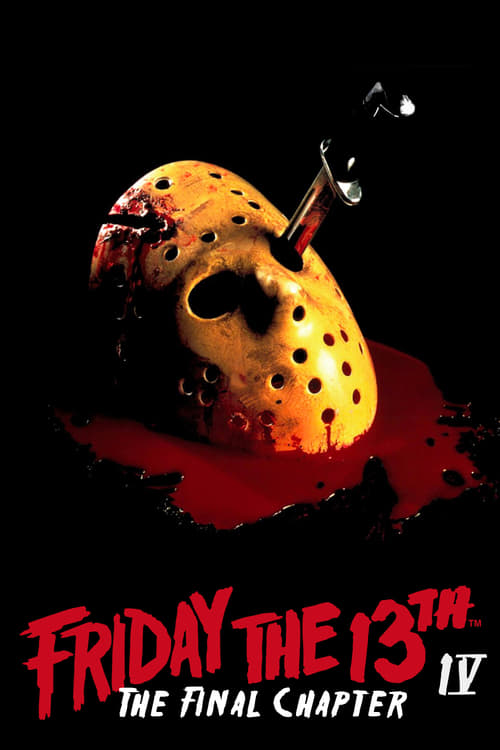
By 1984, Jason Voorhees wasn't just a killer; he was a blue-chip franchise asset, which makes the sheer, mean-spirited nastiness of Friday the 13th: The Final Chapter feel like a genuine middle finger to the burgeoning "slasher-lite" movement. While other franchises were starting to wink at the camera or lean into the camp, director Joseph Zito—fresh off the ultra-gritty The Prowler—decided to treat the fourth installment of a "dead" series as an opportunity to perfect the form. It’s the peak of the slasher mountain, even if the "Final" in the title was the most profitable lie Paramount ever told.
The Savini Homecoming
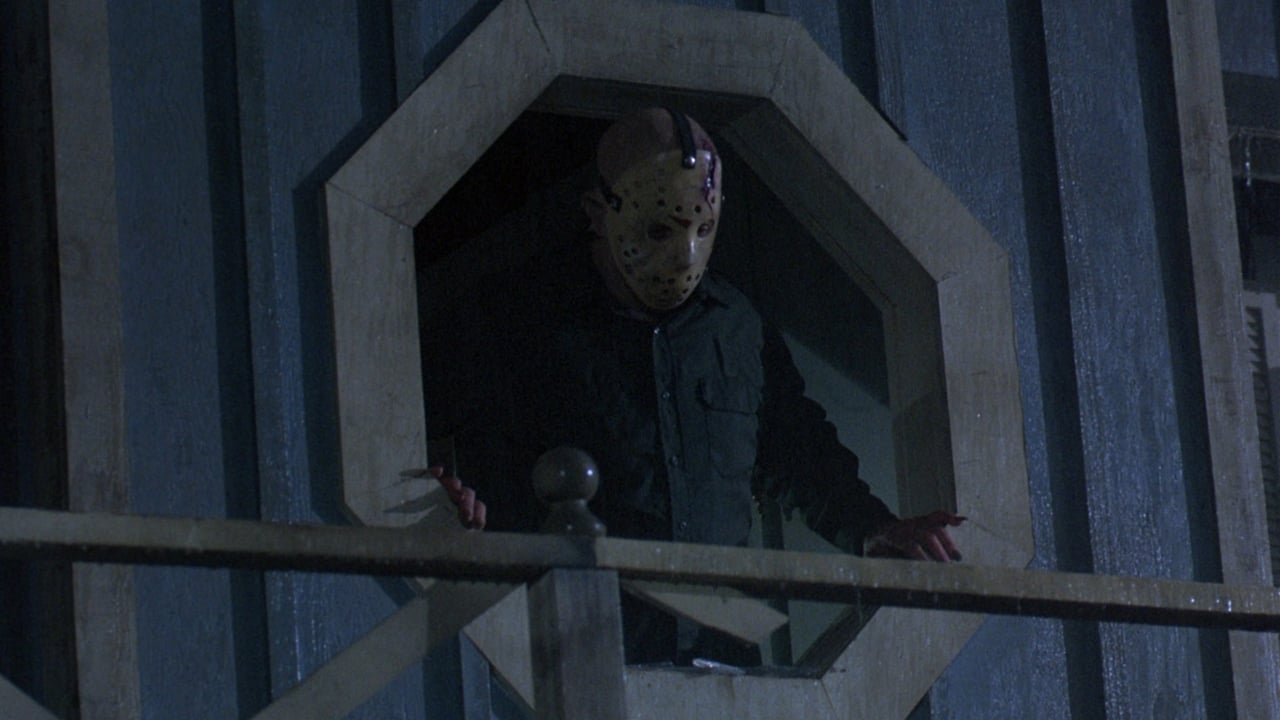
The secret sauce of The Final Chapter is the return of Tom Savini. After sitting out the middle two entries, the godfather of gore returned to the series he helped birth for one specific reason: he wanted to kill Jason. This was the era of the practical effects arms race, where every frame was a battle against the censors. Unlike the 3D-gimmicky kills of Part 3, the effects here feel heavy, wet, and deeply uncomfortable.
The morgue scene early in the film sets the tone. When Jason "wakes up" and dispatches the coroner with a hacksaw, there is a tactile, mechanical weight to the makeup work that CGI simply cannot replicate. You can practically smell the latex and the Karo-syrup blood. I watched this on a Tuesday night while wearing mismatched socks and eating a bowl of lukewarm SpaghettiOs, and I’m convinced the acidity of the tomato sauce heightened the tension of those opening kills. Savini’s work here is essentially a thesis paper on how to make a rubber mask look like a dying human being, and the final sequence—involving a machete and a very slow slide down a blade—is the kind of practical ingenuity that made kids in the 80s worship the names of makeup artists as much as the actors.
The Jarvis Factor and the Dead-ites

Most slashers fail because you’re actively rooting for the teenagers to die so you can get to the next set-piece. The Final Chapter avoids this by casting actual actors instead of just walking mannequins. Kimberly Beck brings a grounded, weary energy to Trish Jarvis, making her feel like a person with a life outside of being a victim. But the real shift in the franchise DNA comes from a very young Corey Feldman as Tommy Jarvis.
Tommy isn’t a typical horror kid; he’s a mask-making, monster-obsessed weirdo who represents the very audience watching the film. The chemistry between Kimberly Beck and Corey Feldman gives the movie an emotional core that the previous three films lacked. When the terror finally reaches their doorstep, it doesn't feel like a game; it feels like a home invasion. Then there’s Crispin Glover as Jimmy. Before he was George McFly in Back to the Future, he gave us the most awkward, flailing, and mesmerizing dance sequence in cinema history. Honestly, Crispin Glover’s dance moves are more disturbing than any of the actual murders, and his desperate "Where's the corkscrew?" breakdown is the kind of erratic character work that usually gets sanded off in big-budget horror.
The Video Store Holy Grail
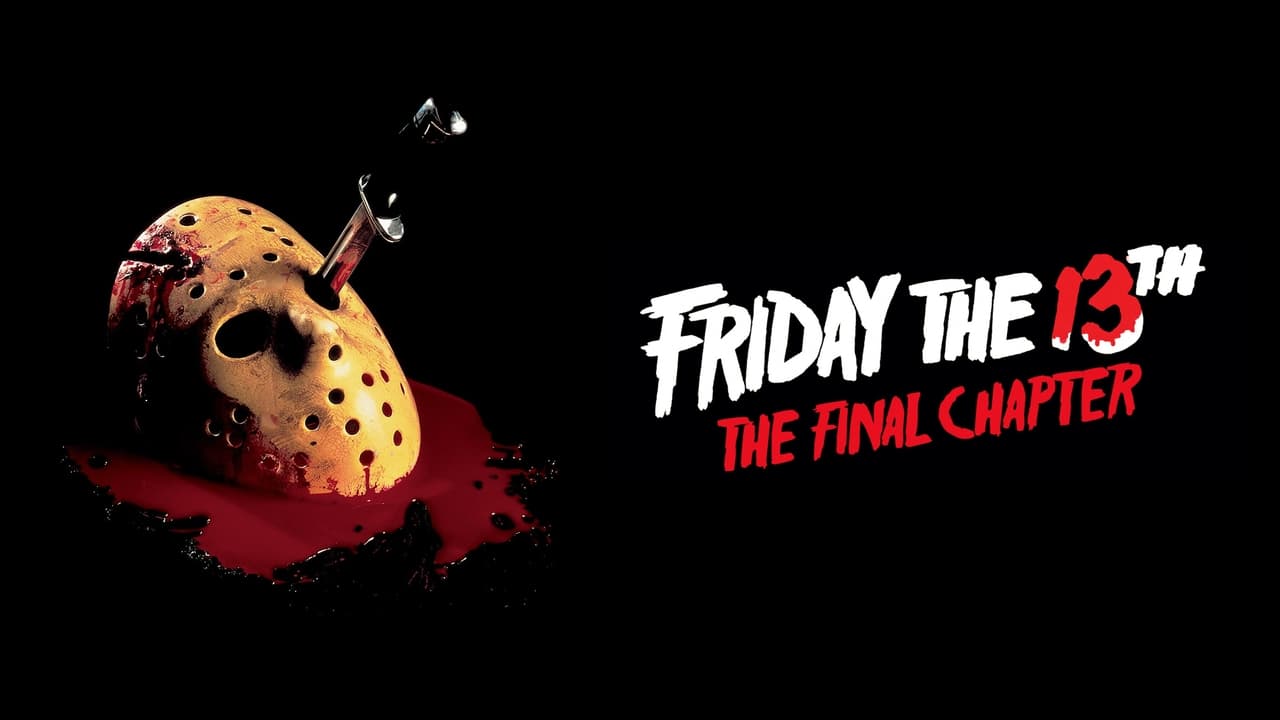
This was the film that dominated the "Horror" section of every Mom-and-Pop video rental store for a decade. The cover art—that iconic cracked hockey mask with a knife through the eye—promised a definitive conclusion that we all knew was a feint, yet we rented it anyway. Joseph Zito treats the camera like a predator, using long takes and a score by Harry Manfredini that swaps the usual "ki-ki-ki-ma-ma-ma" for more orchestral, frantic stings.
The cinematography by João Fernandes (who shot The Devil in Miss Jones under a pseudonym) gives Crystal Lake a blue-hued, claustrophobic atmosphere. It looks like a real place where people get lost, not just a backlot set. Even the "hitchhiker" tropes and the group of teens—including Judie Aronson and Erich Anderson—feel less like archetypes and more like the kids you actually went to high school with. The film manages to be both a celebration of the genre’s tropes and the most polished execution of them. It’s the point where the series had the most to lose and somehow swung the hardest.
Friday the 13th: The Final Chapter is the definitive slasher of the 1980s. It captures that specific moment when practical effects had reached their zenith and the "Final Girl" trope was being refined into something more complex. It’s mean, it’s fast, and it features a legendary performance by stuntman Ted White, who played Jason with a terrifying, locomotive-like intensity. If you only ever watch one movie featuring a man in a hockey mask, make it this one—just for the dance moves and the sliding machete.

Keep Exploring...
-
Friday the 13th Part 2
1981
-
Friday the 13th Part III
1982
-
Friday the 13th Part VI: Jason Lives
1986
-
Friday the 13th
1980
-

The 'Burbs
1989
-
Dressed to Kill
1980
-

Cujo
1983
-
The Dead Zone
1983
-
Manhunter
1986
-
The Hitcher
1986
-
A Nightmare on Elm Street 4: The Dream Master
1988
-
Freddy vs. Jason
2003
-
Dead Ringers
1988
-
The Lost Boys
1987
-
Frenzy
1972
-
Halloween II
1981
-
Children of the Corn
1984
-
A Nightmare on Elm Street 3: Dream Warriors
1987
-
Hellbound: Hellraiser II
1988
-
Phenomena
1985