Nausicaä of the Valley of the Wind
"The wind carries the scent of a dying world."
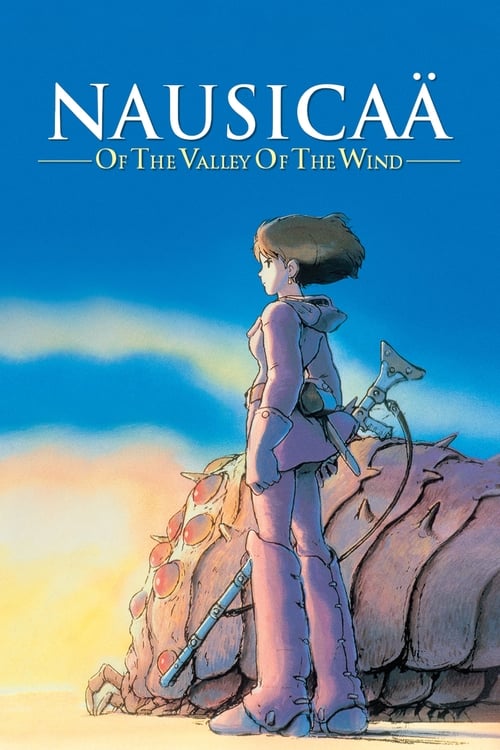
The first time I sat down to watch Nausicaä of the Valley of the Wind, I was distracted by a particularly stubborn piece of popcorn stuck in my back molar and a lukewarm soda that had lost its fizz twenty minutes prior. Within five minutes of the opening frames, I’d forgotten both. There is a specific, tactile weight to Hayao Miyazaki’s 1984 breakthrough—a sense that you aren't just watching a "cartoon," but witnessing a fully realized ecosystem breathing, rotting, and fighting to survive.
Long before Studio Ghibli became a global shorthand for prestige animation, there was this: a gritty, sweeping epic produced on a $1 million budget by a small team at Topcraft. It was a gamble. Miyazaki had been told by producers that a film not based on an existing property wouldn't sell, so he spent years crafting a dense, philosophical manga just to prove the story had legs. The result isn't just a foundation for an empire; it’s one of the most intellectually rigorous adventure films ever put to cel.
The Architect of the Skies
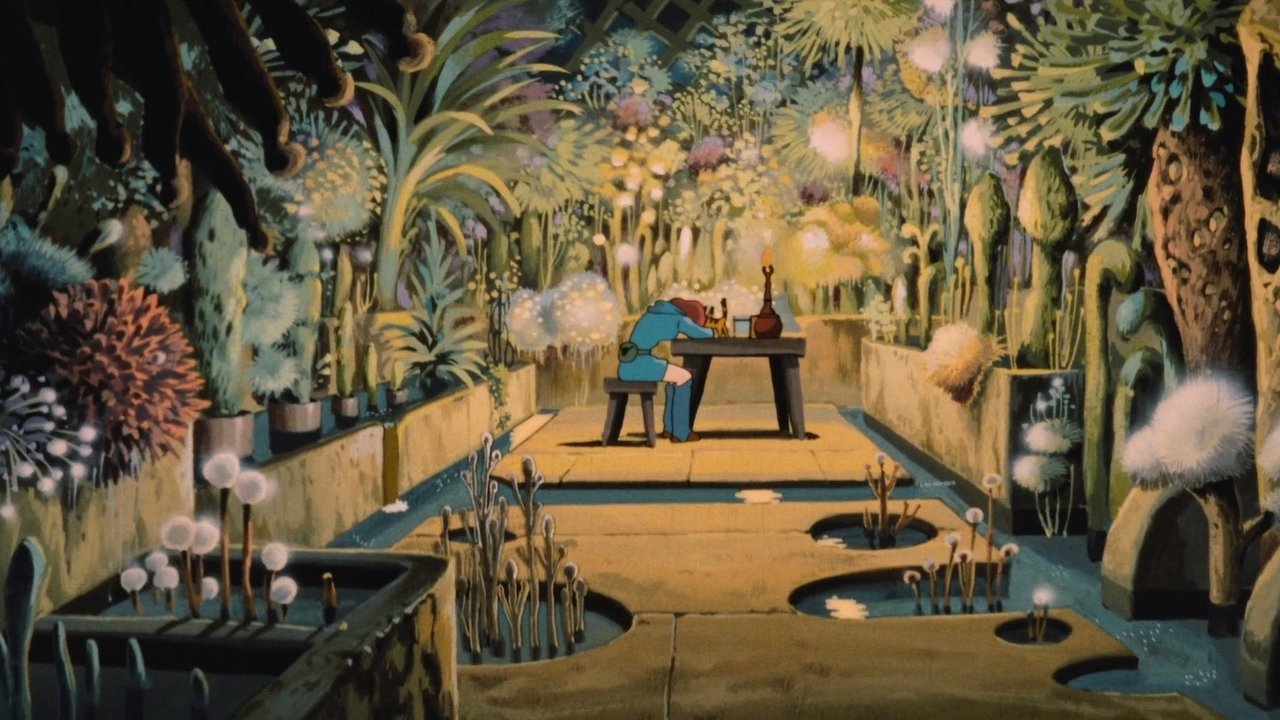
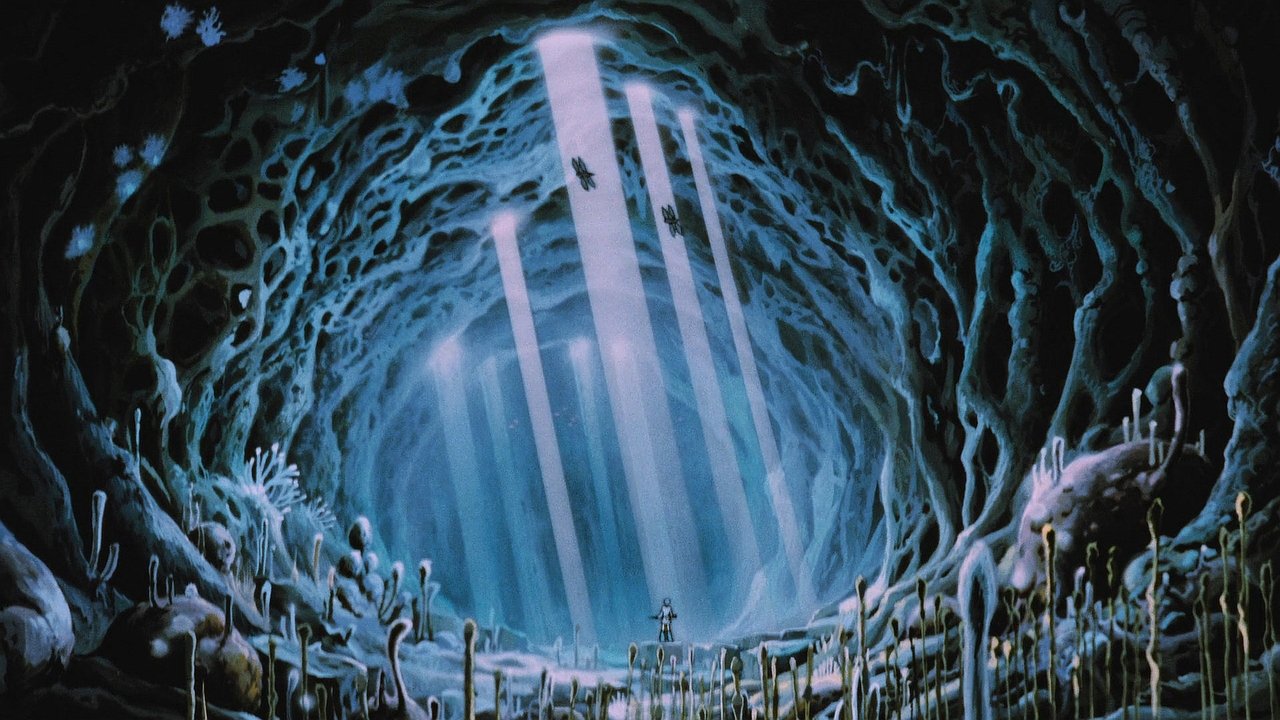
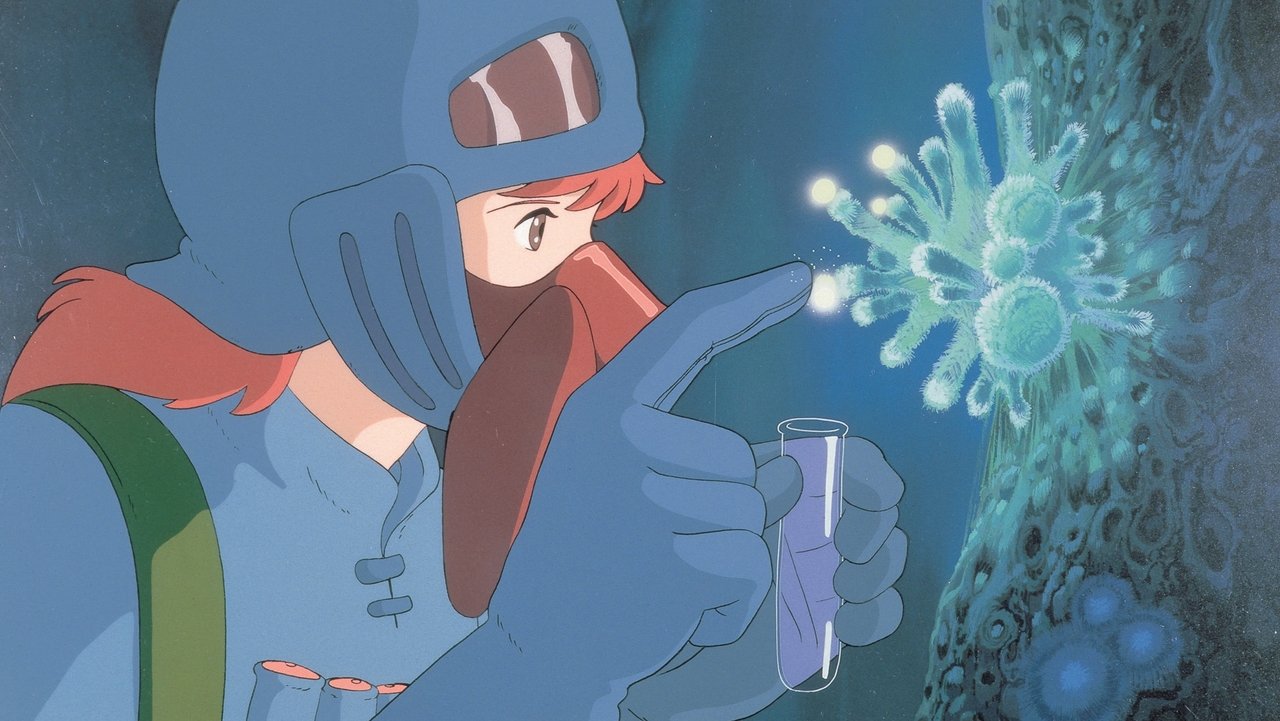
What strikes me most about Nausicaä is the geography. Most 1980s adventures are content with "The Jungle" or "The Desert," but Miyazaki gives us the Sea of Decay—a fungal wasteland of towering spores and toxic air. It’s hauntingly beautiful, rendered with a level of detail that makes you want to reach for a gas mask.
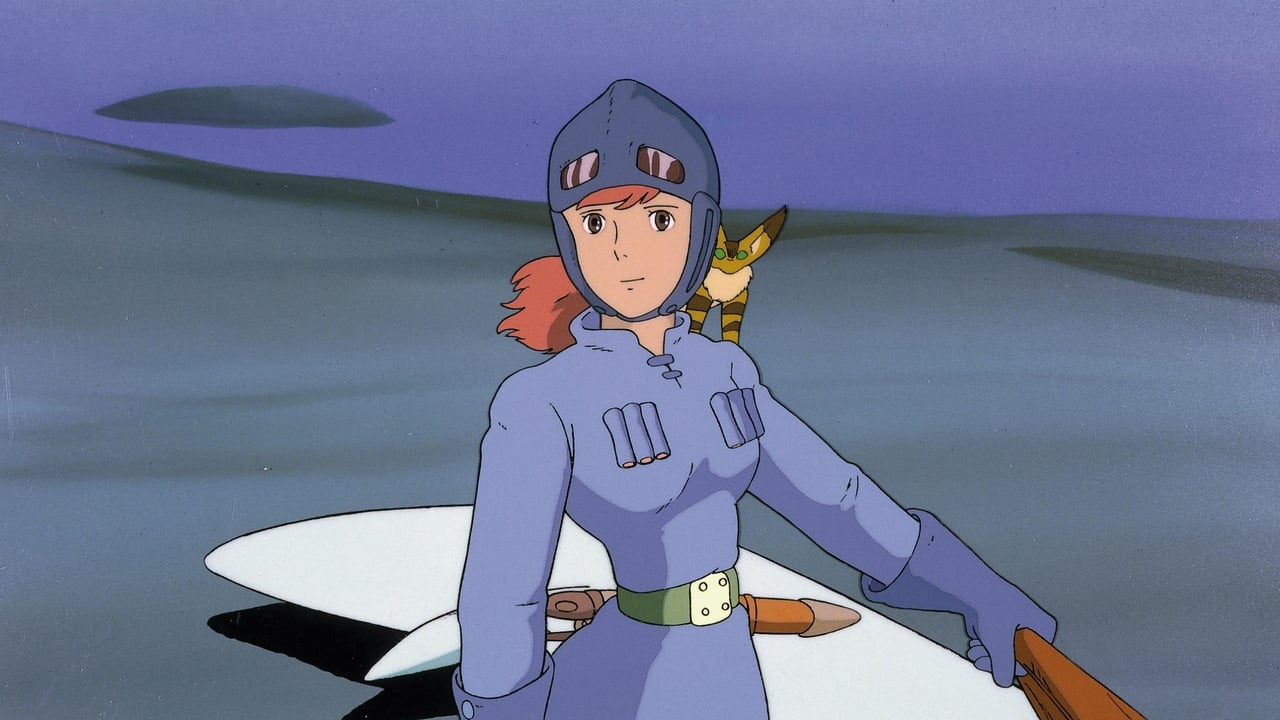
The adventure is anchored by Princess Nausicaä, voiced with a perfect blend of steel and empathy by Sumi Shimamoto. Unlike the hyper-masculine heroes of the New Hollywood era, Nausicaä doesn't want to conquer the wilderness; she wants to understand it. When she takes to the sky on her Mehve (a jet-assisted glider), the animation captures the sheer physics of flight—the way the wind catches the wings, the precariousness of the tilt, the rush of the air. It’s a masterclass in visual storytelling that makes most modern CGI dogfights look like static noise. She essentially treats the air as a playground while everyone else treats it as a battlefield.
A World Built on Scarcity

The "Indie Gem" status of this film is written into every frame. Because they didn't have the infinite resources of a Disney or a major Hollywood studio, every design choice feels intentional and lived-in. The Valley of the Wind looks like a place people actually inhabit; the ceramic armor of the Tolmekian soldiers has a clunky, medieval-industrial grime.
The creature design, particularly the Ohmu—those massive, multi-eyed, trilobite-like deities—is a triumph of practical-style thinking in a 2D space. Their movement is segmented and heavy, feeling less like "monsters" and more like tectonic plates with tempers. To get the sound of their skittering movement, Joe Hisaishi (in his first collaboration with Miyazaki) and the sound team used unconventional techniques that gave the insects a biological, unsettling resonance. Speaking of Hisaishi, his score is a bizarre, wonderful 1980s fever dream of synthesizers and orchestral swells that shouldn’t work together but somehow perfectly define the film's "post-apocalyptic-yet-hopeful" vibe.
The VHS Mutilation and the Sword
For many Western fans, the path to Nausicaä was a treacherous one. In the mid-80s, the film was hacked to pieces and released on home video as Warriors of the Wind. The distributors cut nearly 30 minutes of footage, stripping out the philosophical depth and the environmental nuances to turn it into a generic "good guys vs. bad bugs" action flick. The VHS box art was a legendary lie, featuring a male character who wasn't even in the movie wielding a lightsaber.
The story goes that when Miramax later suggested edits for Princess Mononoke, Miyazaki’s producer sent them an actual samurai sword with a simple note: "No cuts." That legendary protectiveness started here. This film is a dense, cerebral meditation on whether humanity is a part of nature or a parasite upon it. It asks uncomfortable questions: Is the "poison" actually the cure? Is peace worth more than survival? These aren't the questions you usually find in a "kids' movie," and they’re exactly why the film remains a towering achievement four decades later. The Tolmekian soldiers are basically 80s Reagan-era expansionism personified, and they are hopelessly outmatched by a girl who talks to bugs.
If you only know Miyazaki from the whimsical charms of My Neighbor Totoro, Nausicaä might come as a shock. It is a violent, beautiful, and deeply serious film that treats its audience with immense respect. It captures that specific 1980s feeling of "the world might end tomorrow," but counters it with a radical, compassionate optimism. It’s an adventure that starts with a girl on a glider and ends by redefining what it means to be a hero in a broken world. Don't settle for the edited versions; find the original vision, turn up the Hisaishi score, and let the wind take you.
Keep Exploring...
-
Castle in the Sky
1986
-
My Neighbor Totoro
1988
-
The Castle of Cagliostro
1979
-
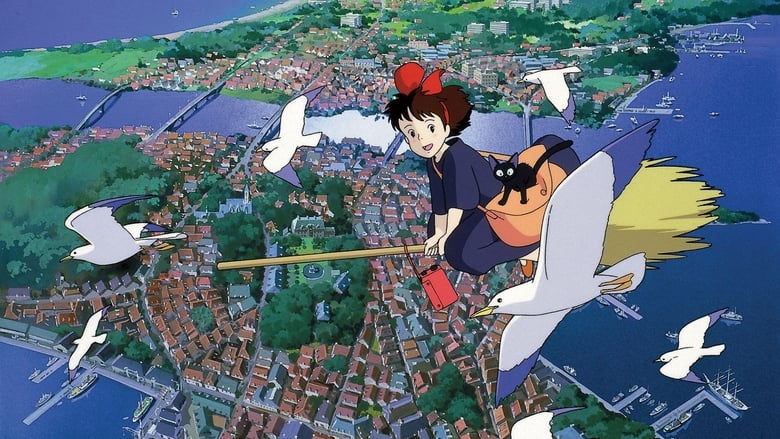
Kiki's Delivery Service
1989
-
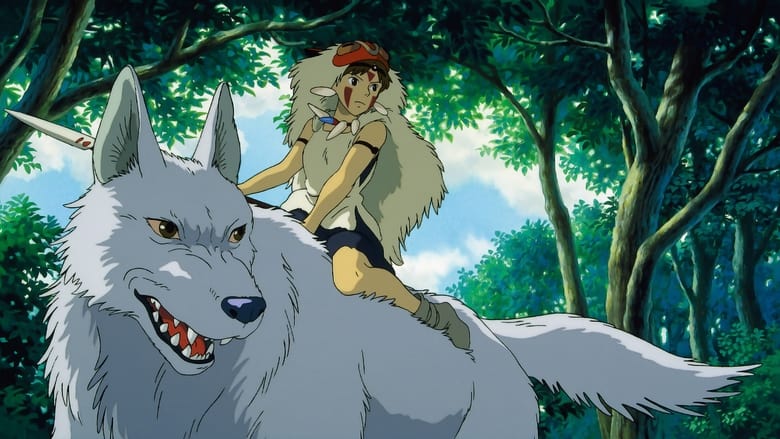
Princess Mononoke
1997
-
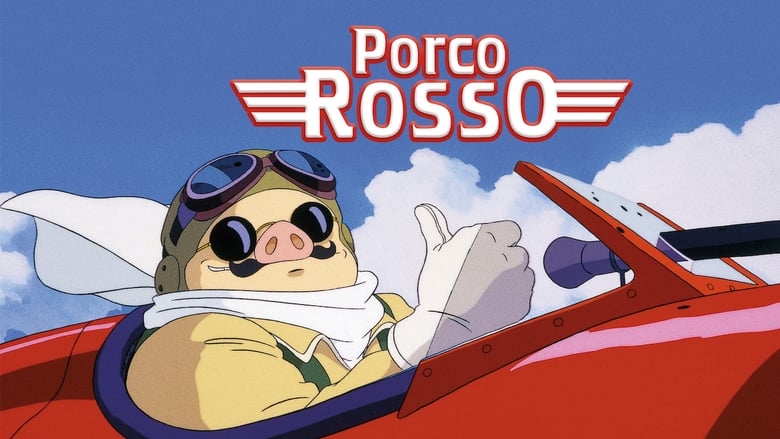
Porco Rosso
1992
-

Howl's Moving Castle
2004
-
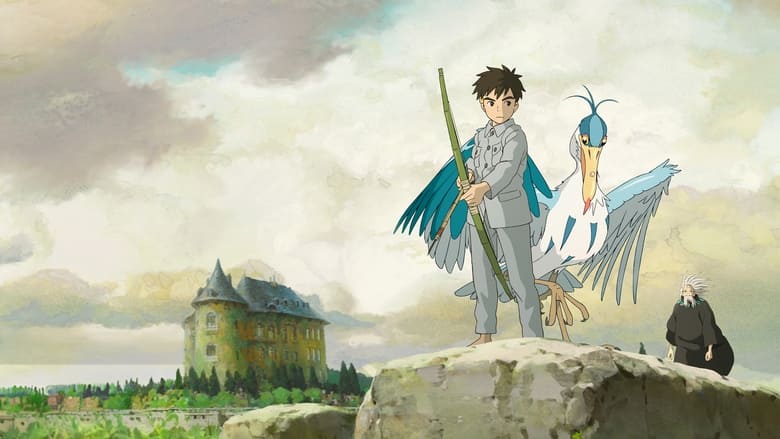
The Boy and the Heron
2023
-
Ponyo
2008
-
Vincent
1982
-

Flow
2024
-
The Secret of NIMH
1982
-

Spirited Away
2001
-
Wings of Desire
1987
-

Bedknobs and Broomsticks
1971
-
The Time Machine
1960
-
Monty Python and the Holy Grail
1975
-
Justice League: The Flashpoint Paradox
2013
-
The Boy and the Beast
2015
-
My Hero Academia: Two Heroes
2018