Nineteen Eighty-Four
"The clock is striking thirteen. Don't look away."
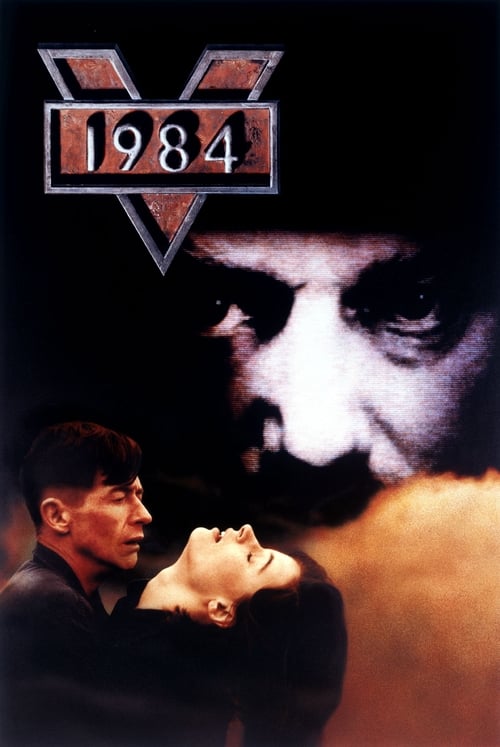
Making a movie called Nineteen Eighty-Four is a gutsy move. Making it in the actual year 1984, under the looming shadow of George Orwell’s prophecy, is practically a dare to the universe. While I was watching this on a slightly too-bright monitor while drinking a cup of lukewarm Earl Grey that tasted faintly of dish soap, I realized that director Michael Radford didn't just want to adapt a book; he wanted to document a nightmare that was currently happening in an alternate timeline.
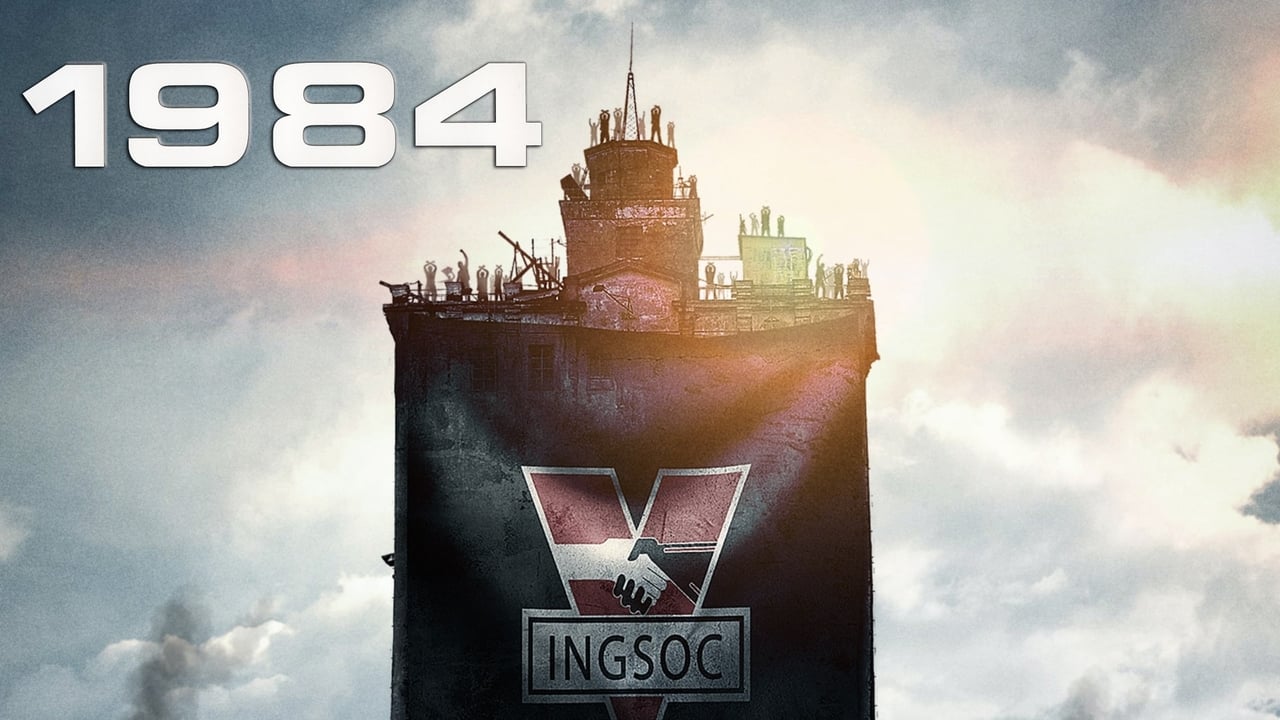
Most "future" movies from the eighties were obsessed with neon, chrome, and synthesizers. They looked forward with a mix of Reagan-era optimism or high-tech anxiety. But Michael Radford and legendary cinematographer Roger Deakins (in one of his earliest and most brilliant turns) went the opposite direction. They crafted a world that looks like a wet, soot-stained London that never stopped being bombed after 1945. It’s a masterpiece of "crap-future" aesthetic, where every surface is sticky and every lightbulb is flickering on its last filament.
The Face of Total Defeat
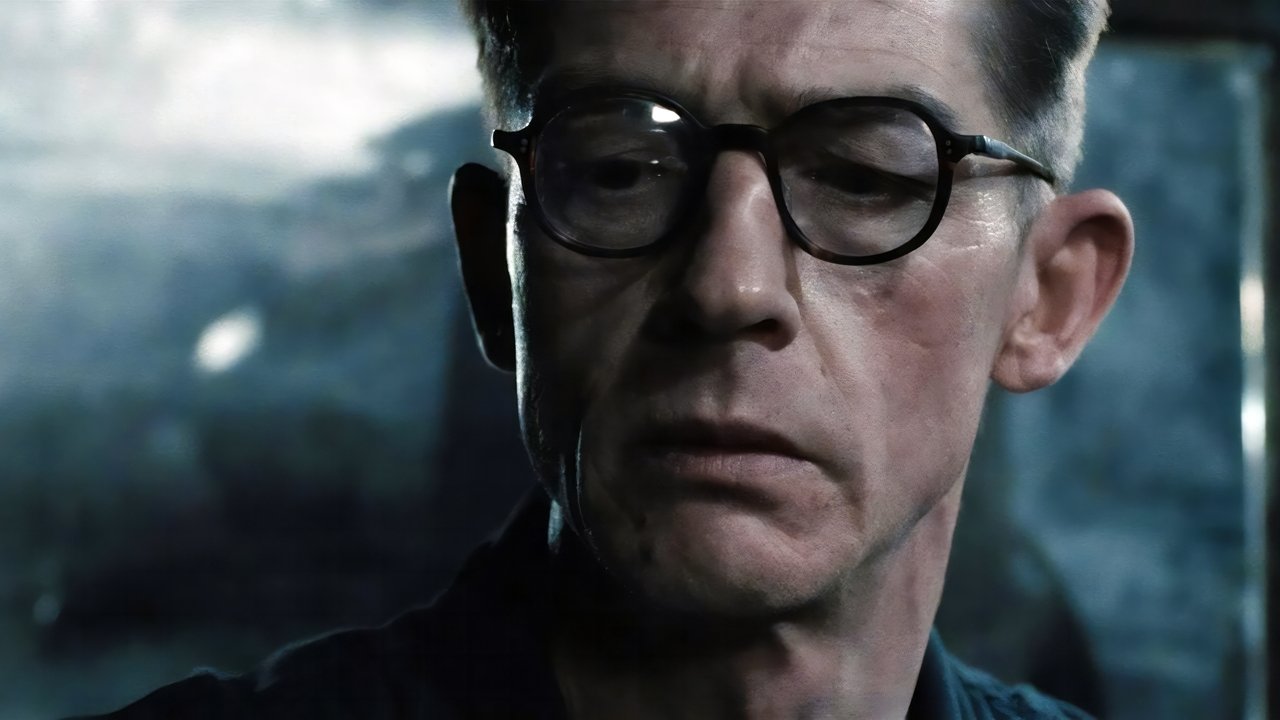
At the center of this gloom is John Hurt as Winston Smith. I’ve always felt that John Hurt had the most empathetic face in cinema history—he looks like he’s been apologizing for existing since the day he was born. In this film, he is skeletal. He looks like a man made of porcelain that’s already been shattered and poorly glued back together. When Winston begins his illicit affair with Julia, played with a fierce, grounded sensuality by Suzanna Hamilton, you don’t see a grand romantic hero. You see a man desperately trying to remember how to be human before the clock runs out.
Their chemistry is vital because it’s so messy and unpolished. There’s no Hollywood sheen here. When they meet in the "Golden Country"—actually a lush bit of greenery that feels alien compared to the grey city—it’s the only time the film breathes. But even then, Roger Deakins uses a special "bleach bypass" process on the film stock that desaturates the colors, making the grass look like it’s struggling to stay green. It’s a visual trick that makes the whole movie feel like a faded photograph found in a gutter. It’s a movie that smells like wet wool and cheap gin.
A Final Performance for the Ages

Then there is O’Brien. This was the final film for Richard Burton, and honestly, I can’t imagine a more haunting curtain call. Richard Burton doesn't play O’Brien as a mustache-twirling villain. He plays him with a terrifying, fatherly stillness. He is the personification of the State: weary, certain, and utterly devoid of pity. There’s a scene where he explains the nature of power to a broken Winston, and Burton’s voice—that famous, gravelly Shakespearean instrument—sounds like stones grinding together.
Behind the scenes, Burton was reportedly quite frail during the shoot, but that fragility actually aids the performance. He looks like a man who has traded his soul for a permanent seat at the table of power. The way he interacts with Cyril Cusack, who plays the shopkeeper Charrington, creates this web of domestic betrayal that feels more painful than any sci-fi laser blast. This is a drama of the psyche, and Radford lets the camera linger on faces until you feel like you’re being interrogated right along with the characters.
The Battle of the Bands
If you picked this up at a rental shop in the mid-80s, you might have been confused by the music. There was a legendary spat behind the scenes involving the soundtrack. Michael Radford wanted a traditional, orchestral score by Dominic Muldowney. However, Virgin Films—who funded the thing—wanted something they could sell on MTV. They brought in the Eurythmics to record a synth-heavy pop soundtrack.
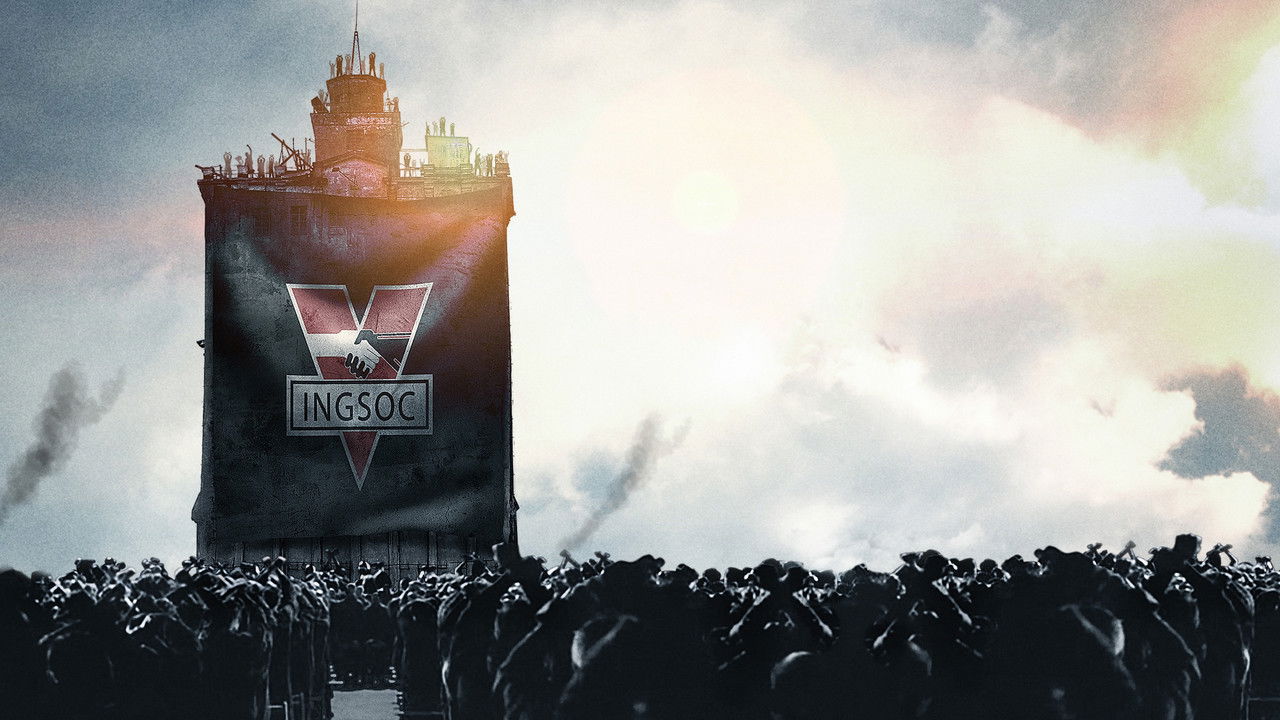
I’m a huge fan of Annie Lennox, but sticking "Sexcrime (Nineteen Eighty-Four)" over Orwell’s grim imagery is one of the most baffling executive decisions in the history of the decade. It’s like putting a disco beat over a funeral. Most modern versions let you choose the score, and while the Eurythmics tracks are great 80s pop, they completely shatter the period-accurate gloom Radford worked so hard to create. If you find an old VHS copy with the "pop" edit, it’s a fascinating relic of how the industry tried to "blockbuster-ize" even the most depressing stories ever told.
Nineteen Eighty-Four isn't a "fun" watch, but it is an essential one. It captures that specific 1980s anxiety where we weren't sure if we were heading toward a nuclear winter or a corporate takeover. By filming on the exact dates and in the exact locations mentioned in Orwell's diary entries within the book, the production achieved a level of eerie authenticity that most period pieces can only dream of. It’s a grueling, beautifully acted, and visually stunning reminder of what happens when we stop paying attention to the truth. Watch it for John Hurt’s trembling defiance and Richard Burton’s cold, final goodbye to the silver screen. Just maybe have something cheerful lined up for afterward.
Keep Exploring...
-
Starman
1984
-
Cocoon
1985
-

Enemy Mine
1985
-
THX 1138
1971
-

Solaris
1972
-
WarGames
1983
-

Fahrenheit 451
1966
-

Chariots of Fire
1981
-
Time Bandits
1981
-

The Mission
1986
-
Flash Gordon
1980
-
Escape to Victory
1981
-
Sophie's Choice
1982
-

Risky Business
1983
-
The Dead Zone
1983
-
The Outsiders
1983
-

The Right Stuff
1983
-
2010
1984
-
Red Dawn
1984
-
Star Trek III: The Search for Spock
1984