Once Upon a Time in America
"Memory is a ghost that never stops haunting."
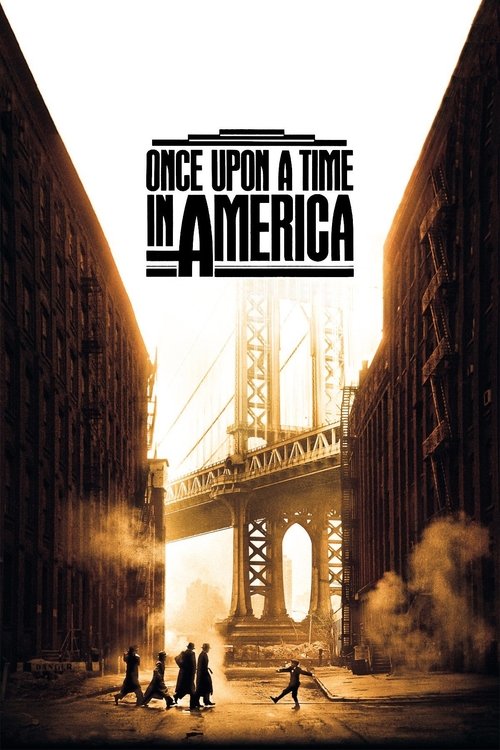
The phone rings. It rings twenty-four times. It’s an abrasive, rhythmic intrusion that bridges the gap between a drug-induced haze in a 1930s opium den and the sterile reality of a 1960s Greyhound station. Most directors would have cut after the third ring to spare the audience’s sanity, but Sergio Leone wasn't interested in your comfort. He wanted you to feel the weight of every passing second. By the time I finally finished this 229-minute behemoth—while sitting in a chair that desperately needed more lumbar support and nursing a cup of coffee that had turned into a caffeinated ice cube—I realized that time isn’t just a setting in this film; it’s the primary antagonist.
Once Upon a Time in America is the ultimate "final bow." It was Leone’s first film in thirteen years and, tragically, his last. After redefining the Western, he spent a decade obsessed with the Harry Grey novel The Hoods, crafting a Jewish gangster epic that feels less like a Scorsese romp and more like a funeral dirge played on a pan flute.
The Beauty of a Brutal Brotherhood
The film ignores the traditional "rise and fall" structure of the genre. Instead, it dances between three distinct eras of the Lower East Side, anchored by the complicated, often toxic bond between David 'Noodles' Aaronson (Robert De Niro) and Max Bercovicz (James Woods).
Robert De Niro delivers a performance of incredible internal stillness here. As the older Noodles, he moves through the world like a man who has already been dead for thirty years and is just waiting for his body to get the memo. Opposite him, James Woods is a live wire—ambitious, cruel, and desperately insecure. Their chemistry is the engine of the film, but it’s a fuel-injected nightmare. They aren't just partners in crime; they are reflections of what the other lacks.
The tragedy of the film is that these men are undeniably monsters. Leone doesn't ask you to like them. In fact, he makes it nearly impossible. The film contains scenes of sexual violence—particularly one involving Noodles and his lifelong obsession, Deborah (Elizabeth McGovern) —that are genuinely difficult to stomach. It’s a masterclass in making the audience hate the person they’ve spent three hours following, stripping away the "cool gangster" veneer until all that’s left is a pathetic, broken man who can’t handle losing his grip on a dream.
A Masterpiece Saved by the Video Store
If you saw this movie in an American theater in 1984, you likely hated it. The studio, terrified of the four-hour runtime, hacked the film down to a 139-minute "greatest hits" reel that played in chronological order. They turned a poetic puzzle into a generic B-movie. It was a legendary flop, grossing barely $5 million against a massive $30 million budget.
The film's reputation was only resurrected by the home video revolution. This was the era of the "Double VHS" set—those chunky, oversized plastic cases that took up twice the space on the rental shelf. Discovering Once Upon a Time in America on video in its full European cut became a rite of passage for cinephiles. It was the perfect "rental era" discovery: a film so long and dense that you could watch the first tape, go to sleep, and finish the second tape the next morning, letting the dreamlike atmosphere seep into your own life.
The score by Ennio Morricone played a huge role in that immortality. Legend has it that the music was actually composed and recorded before filming began. Leone would play the tracks on set to help the actors find the rhythm of a scene. When you hear the "Deborah’s Theme" or the haunting "Cockeye's Song," you aren't just hearing a soundtrack; you're hearing the heartbeat of the production.
The Craft of a Lost New York
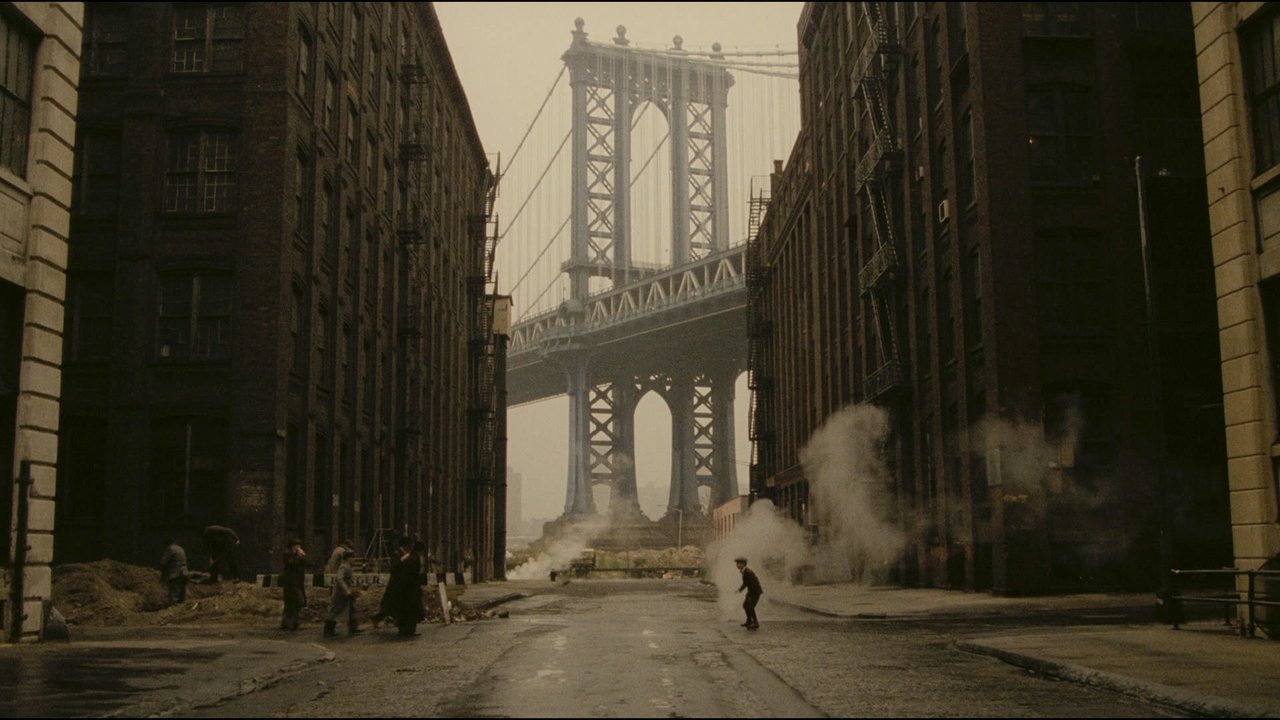
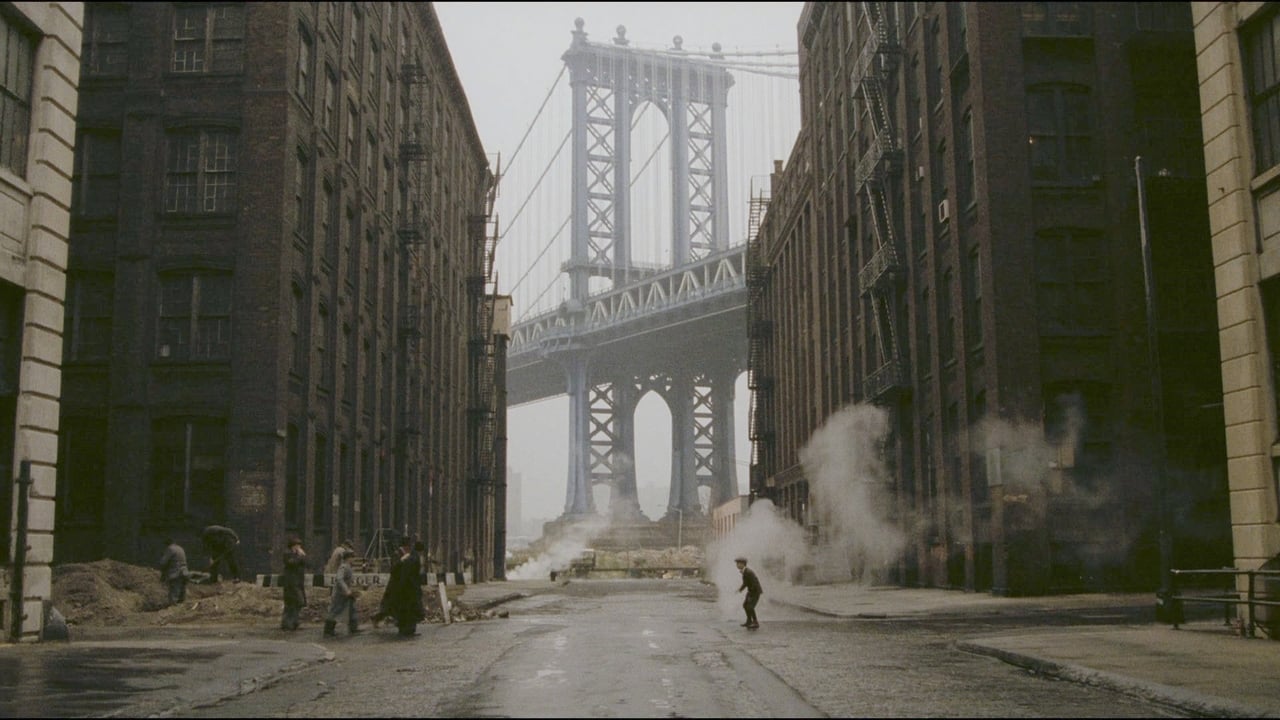
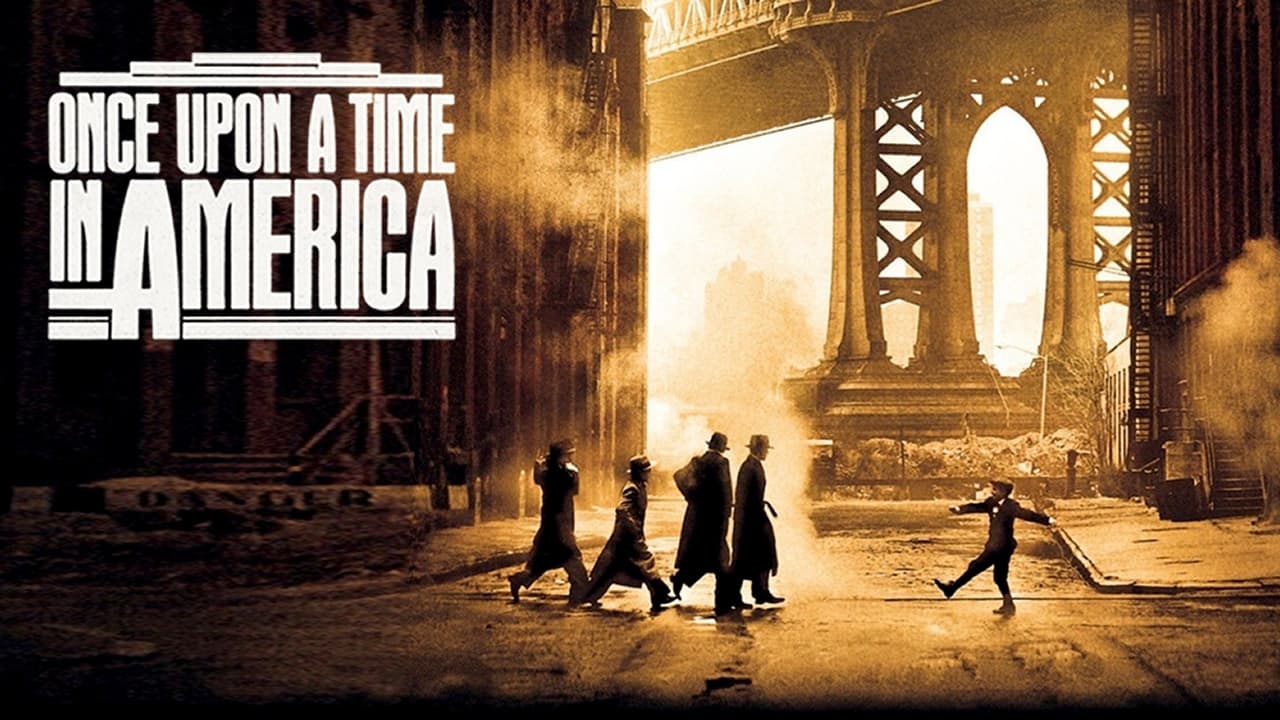
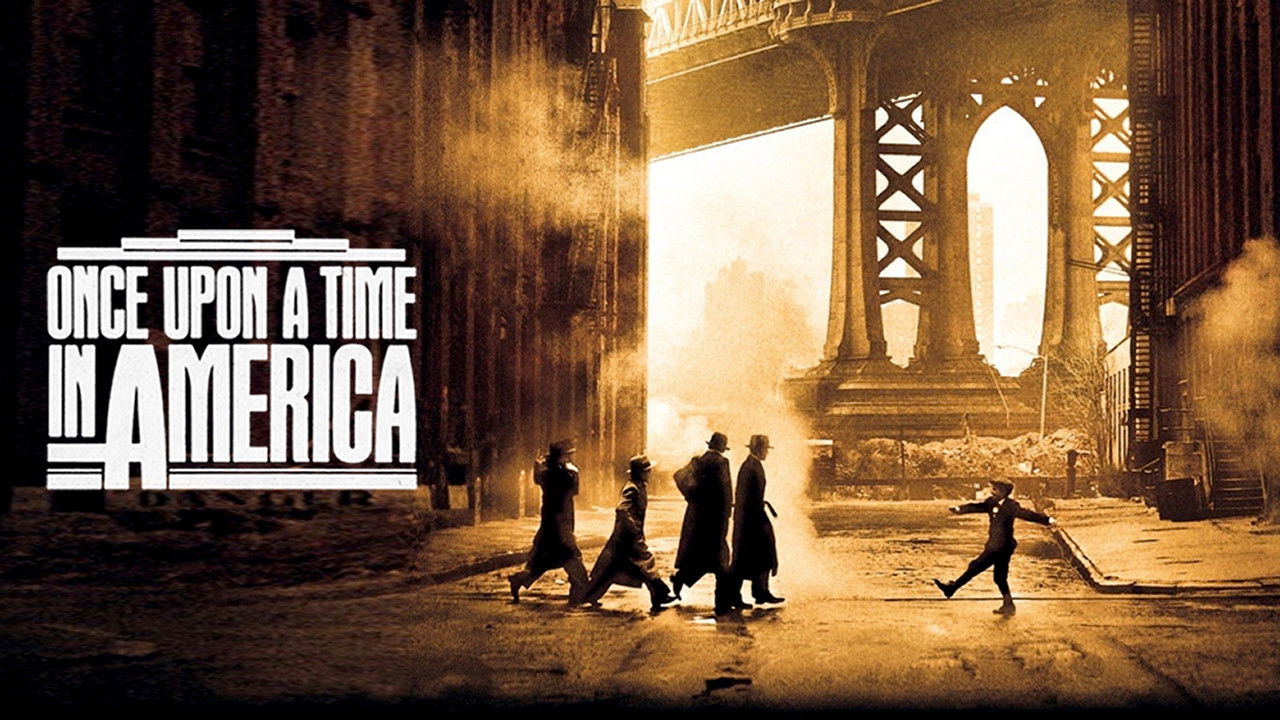
Visually, the film is a miracle of practical filmmaking. Cinematographer Tonino Delli Colli uses a sepia-toned palette for the 1920s that looks like a moving photograph, contrasting it with the cold, flat blues of 1968. The sets are gargantuan. They didn't just find a street; they rebuilt the Lower East Side with a level of detail that makes modern CGI look like a Saturday morning cartoon.
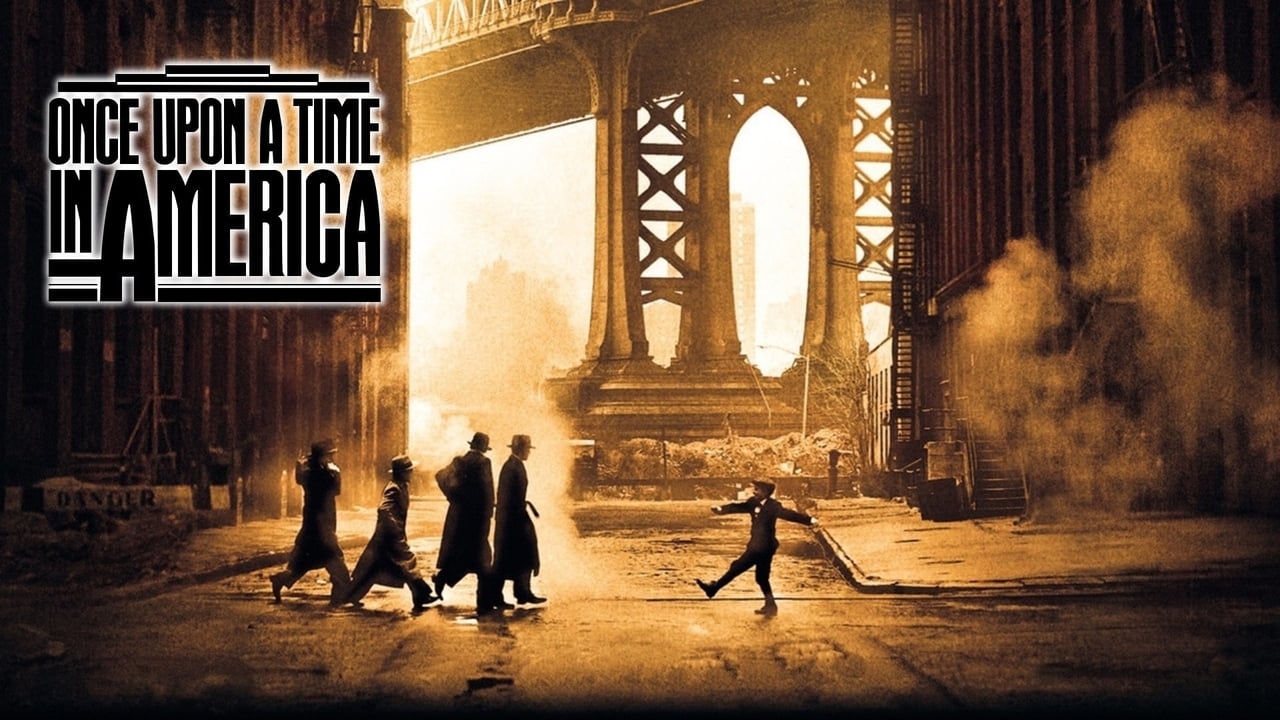
There’s a famous shot of the kids walking in front of the Manhattan Bridge that has become one of the most iconic images in cinema history. It captures the sheer scale of the world they’re trying to conquer—a massive, iron-wrought jungle that ultimately swallows them whole.
The trivia behind the production is as epic as the runtime. Leone supposedly turned down the chance to direct The Godfather to pursue this project. He spent years trying to cast the roles, at one point considering everyone from Paul Newman to Gerard Depardieu. The makeup effects used to age Robert De Niro and James Woods were also groundbreaking for the time; they didn't just slap on some latex. They used subtle prosthetics and dental plumpers to change the very shape of their faces, creating an eerie sense of authentic decay.
Once Upon a Time in America is a demanding, dark, and frequently uncomfortable experience. It’s a film about the "lust for power" mentioned in its tagline, but more than that, it’s about the crushing weight of regret. It asks if we can ever truly go home again, or if we’re all just ghosts wandering through the ruins of our own mistakes. If you have a rainy afternoon and a very comfortable couch, give yourself over to Leone’s final vision. Just be prepared for that phone to keep ringing in your head long after the credits roll.
Keep Exploring...
-

Taxi Driver
1976
-
Scarface
1983
-
Stand by Me
1986
-
Once Upon a Time in the West
1968
-
The Godfather
1972
-
Chinatown
1974
-
The Godfather Part II
1974
-
Casino
1995
-
GoodFellas
1990
-
The Deer Hunter
1978
-
Dog Day Afternoon
1975
-
Raging Bull
1980
-
Mississippi Burning
1988
-
Crimes and Misdemeanors
1989
-

Apocalypse Now
1979
-
Blade Runner
1982
-
Full Metal Jacket
1987
-
Butch Cassidy and the Sundance Kid
1969
-

Papillon
1973
-
The Sting
1973