Paris, Texas
"A man, a desert, and the ghost of a family."
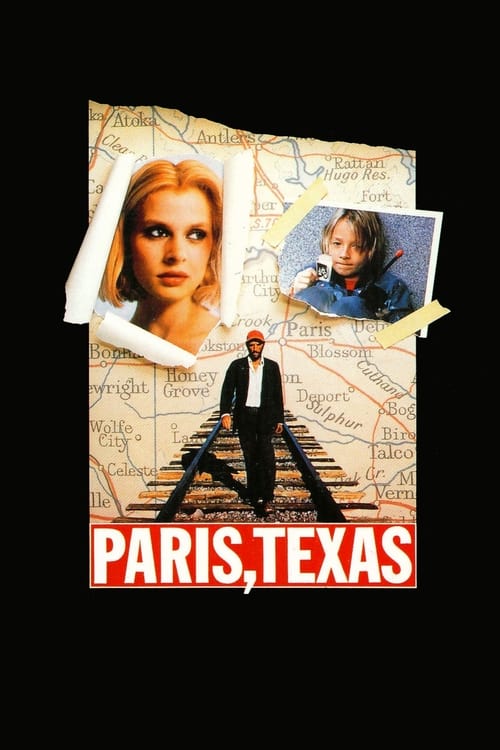
The first time I saw Harry Dean Stanton's face in Paris, Texas, I realized I had been looking at maps all wrong. His face is the American Southwest—creased with arroyos, weathered by a thousand suns, and hiding secrets in the shadows of its canyons. He starts the movie walking out of the Devil’s Graveyard in the Big Bend of Texas, wearing a suit that’s seen better decades and a red trucker cap that looks like a lighthouse for a ship that’s already sunk. He doesn't say a word for the first twenty-six minutes. Honestly, with a face like that, dialogue feels like a redundant luxury.
I watched this most recent screening on a Tuesday afternoon while my neighbor was power-washing his driveway. The rhythmic, distant hiss of the water actually blended perfectly with the ambient hum of the desert wind on the soundtrack. It reminded me that this isn't just a movie you watch; it's a movie you inhabit.
The Man Who Fell to Earth (in Texas)
Directed by Wim Wenders, who previously gave us the gritty The American Friend, this film is the ultimate European outsider’s look at the myth of the American West. It’s a road movie, sure, but it’s a road movie where the destination is a hole in the ground in a town the protagonist has never actually visited. Harry Dean Stanton plays Travis, a man who literally walked away from his life four years ago and has finally decided to walk back.
His brother, Walt (played by the always-reliable Dean Stockwell, who I’ll go on record saying gave the most patient performance in the history of supporting actors), comes to collect him. What follows isn't a high-speed chase or a typical drama; it’s a slow re-assembly of a broken human being. The way Travis eventually reconnects with his son, Hunter (Hunter Carson), is handled with such a delicate, unforced touch that it makes modern "family reconciliation" movies look like they were written by a sledgehammer.
Neon, Dust, and the Slide Guitar
You can't talk about Paris, Texas without talking about the look and the sound. This was the peak of the collaboration between Wenders and cinematographer Robby Müller. They used high-contrast stocks that make the reds and greens of the Texas landscape pop with an almost radioactive intensity. If you first saw this on a rental VHS from a mom-and-pop shop in the late 80s—the kind with the sun-faded box showing Travis in his red hat—the grain of the tape probably added a layer of grit that suited the film’s soul. On a modern screen, however, Müller’s work looks like Edward Hopper paintings brought to life.
Then there’s Ry Cooder. His score is just a lonely slide guitar, echoing through the empty space. It’s the sound of isolation. Interestingly, Cooder recorded the score while watching the film, improvising to the rhythm of the characters' movements. It’s one of those rare instances where the music isn't just background noise; it's the film’s heartbeat.
The production itself was a bit of a beautiful mess. Sam Shepard, the legendary playwright who co-wrote the script, actually left the production halfway through to act in the film Country. He ended up mailing his script revisions to the set from a completely different state. That kind of "seat-of-the-pants" indie filmmaking shouldn't work for a movie this profound, but the lack of a rigid, over-polished script allowed the actors to breathe. Harry Dean Stanton was 58 when he got this, his first lead role, and he treats every frame like it’s his last.
The Glass Partition
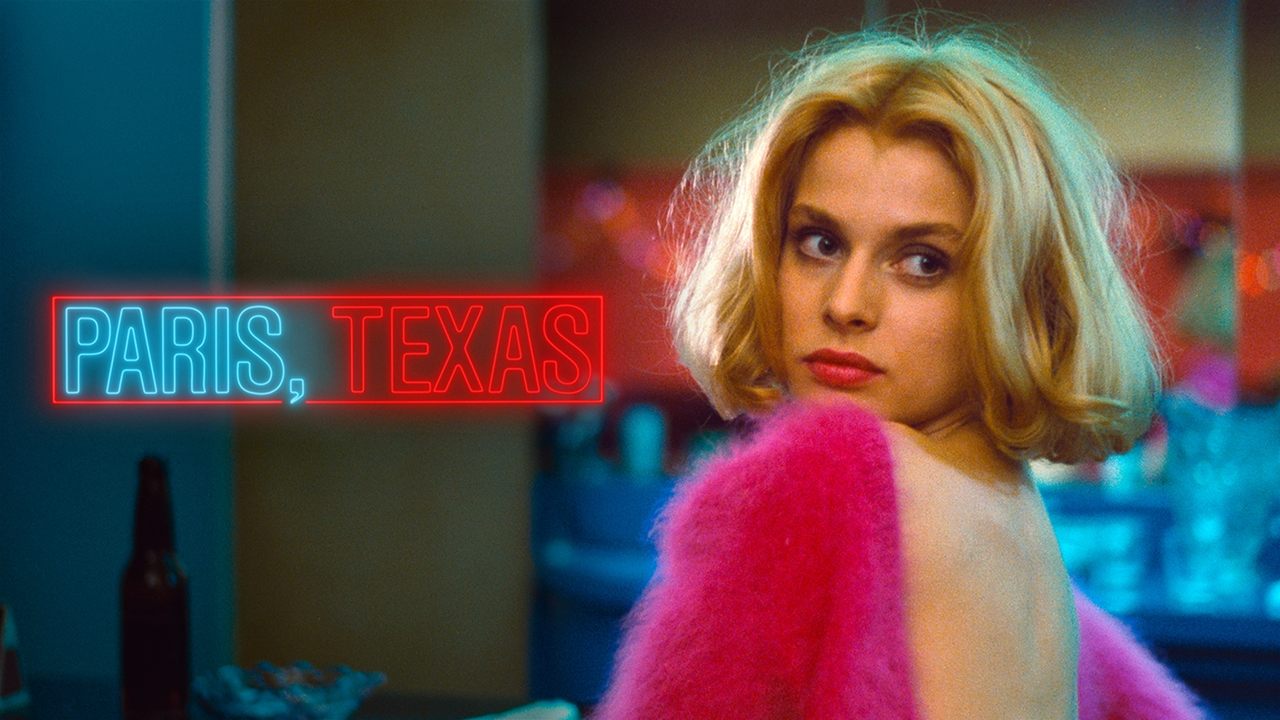
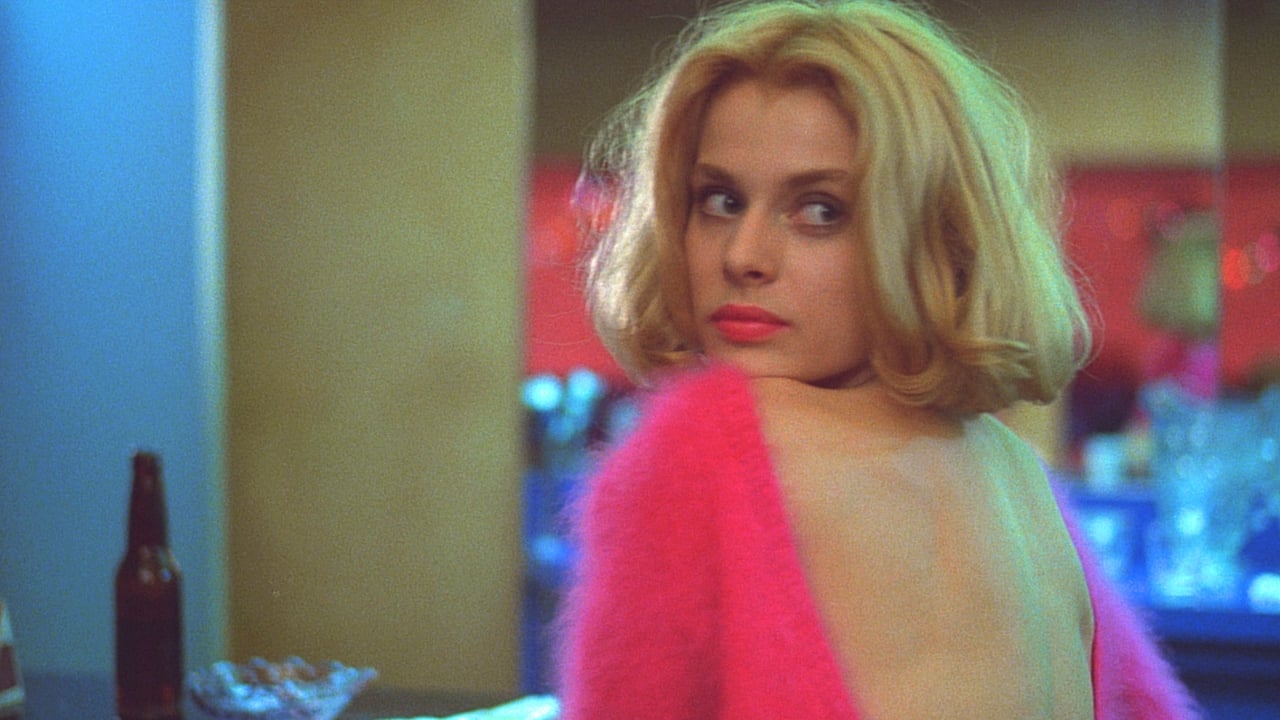
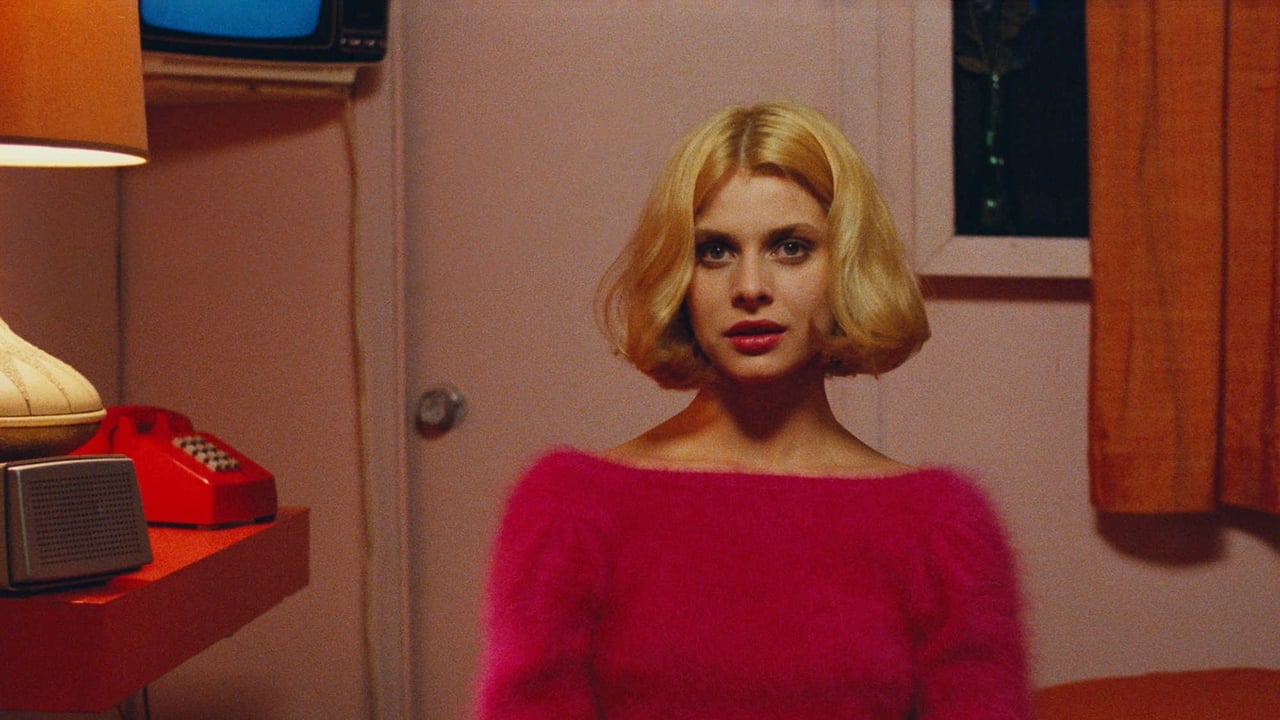
The film builds toward a confrontation in a Houston peep-show club that is, quite frankly, one of the most intellectually challenging and emotionally devastating scenes ever filmed. Travis finds his long-lost wife, Jane (Nastassja Kinski), working behind a one-way mirror. He can see her; she can only see her own reflection.
They talk through a telephone. There’s no touching, no sweeping cinematic reunion—just two voices trying to bridge a gap that might be too wide to cross. Nastassja Kinski is luminous here, her blonde bob and pink mohair sweater becoming iconic symbols of 80s cinema, but it’s her voice that carries the weight. She has to convey years of regret while staring at a piece of glass.
It’s a masterstroke of staging. The movie asks us: Can we ever truly know the person we love, or are we just staring at our own reflection in them? It’s the kind of philosophical question that lingers long after the credits roll. I honestly think if you don't tear up during the "I knew these people" monologue, you might actually be a sophisticated piece of AI hardware.
Paris, Texas is a film about the spaces between people—the literal miles of Texas highway and the figurative miles of unspoken trauma. It’s a slow burn, but it burns bright. If you’re tired of movies that feel like they were assembled by a marketing committee, spend some time with Travis and his red hat. It’s a reminder that cinema can be quiet, patient, and still completely blow your hair back. You’ll never look at a green-tinted parking lot light the same way again.


Keep Exploring...
-
Wings of Desire
1987
-
Stalker
1979
-

My Left Foot: The Story of Christy Brown
1989
-
The Apartment
1960
-
Judgment at Nuremberg
1961
-
Guess Who's Coming to Dinner
1967
-

Midnight Cowboy
1969
-
The Holy Mountain
1973
-
Mirror
1975
-
Network
1976
-
Annie Hall
1977
-
Nosferatu the Vampyre
1979
-

Christiane F.
1981
-

The Breakfast Club
1985
-
After Hours
1985
-
Women on the Verge of a Nervous Breakdown
1988
-
Being There
1979
-
Kramer vs. Kramer
1979
-
Manhattan
1979
-
Raging Bull
1980