Police Academy
"Discipline is optional. Chaos is mandatory."
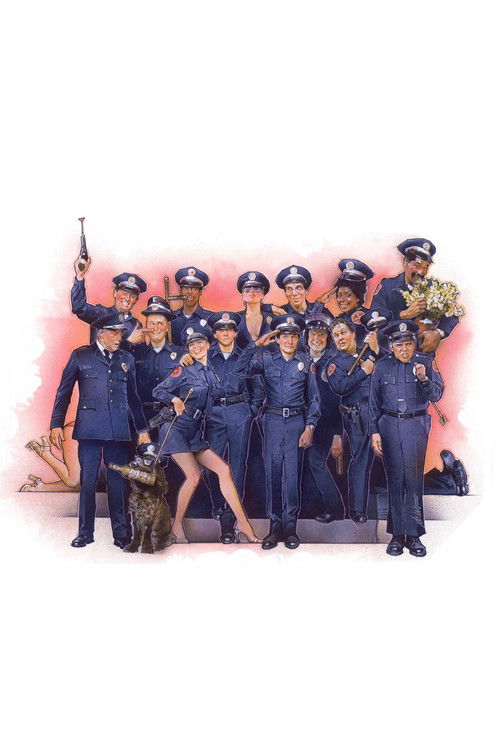
The 1980s was the decade of the "Lovable Loser." From Revenge of the Nerds to Ghostbusters, Hollywood realized there was a fortune to be made in watching social outcasts dismantle stuffy institutions. But nowhere was this more profitable, or more delightfully lowbrow, than in an abandoned psychiatric hospital in Toronto. That’s where Hugh Wilson and a cast of unknowns turned a $4.5 million shoestring budget into a $150 million franchise juggernaut.

Police Academy is a fascinating relic of the early VHS era. It shouldn’t work as well as it does. On paper, it’s a series of vignettes held together by the thinnest of plot threads: a new mayoral decree allows anyone—regardless of height, weight, or IQ—to join the force. What follows is a relentless assault of slapstick, sound effects, and the kind of anti-authoritarian streak that could only flourish in the Reagan era.
The Art of the Ensemble Misfit
The film’s secret weapon isn't the script; it’s the faces. Steve Guttenberg anchors the chaos as Carey Mahoney, a charismatic parking lot attendant forced into the academy to avoid jail. Guttenberg possessed a specific kind of 80s "smarm-light"—he was a prankster you actually wanted to grab a beer with. Watching him navigate the academy is like watching a professional surfer try to stay upright in a bathtub full of marbles.
But a comedy like this lives or dies by its supporting bench. Bubba Smith, a former NFL defensive end, brings a quiet, hulking dignity to Moses Hightower that makes his eventual outbursts genuinely satisfying. Then there’s Michael Winslow. Seeing him for the first time in 1984 must have felt like discovering a new species; his ability to mimic everything from a flatlining heart monitor to a public address system provides the film’s most inventive moments. I once tried to mimic his machine-gun sound while eating a snack and nearly choked on a grape—a testament to the fact that his "human beatbox" routine is best left to the professionals.
Even the "villains" are perfectly calibrated. G.W. Bailey as Lieutenant Harris is a masterclass in the "slow-burn" reaction shot. His permanent scowl and obsession with discipline make him the perfect foil for Mahoney’s anarchy. G.W. Bailey’s Lieutenant Harris is the spiritual godfather of every annoying middle manager you’ve ever had, and watching him repeatedly fall victim to the "shoe polish on the megaphone" prank never gets old.
Making a Million on a Budget

While Police Academy eventually became a brand synonymous with endless, diminishing-return sequels, the original has a gritty, independent texture that is often forgotten. This was produced by The Ladd Company, an outfit known for taking risks (they also gave us Blade Runner), and you can feel the "get it done" energy in every frame.
Because the budget was so tight, the production couldn't afford a studio lot. They filmed at the Lakeshore Psychiatric Hospital in Toronto, which had recently been decommissioned. This choice adds a strange, sterile, slightly eerie atmosphere to the training grounds that perfectly contrasts with the colorful lunacy of the characters. There’s a scene involving a podium and a hidden cadet that remains one of the most infamous "how did they get away with that in a PG film?" moments in history. It’s the kind of daring, raunchy humor that thrived before every joke had to be vetted by a dozen committees.
The cinematography by Michael D. Margulies doesn't try to be "cinematic" in the grand sense; it’s bright, functional, and prioritizes spatial clarity. This is essential for physical comedy. You need to see the whole body to appreciate Donovan Scott (as the accident-prone Leslie Barbara) or the deadpan absurdity of George Gaynes as Commandant Lassard. The film’s pacing is its true director, relentlessly moving from one gag to the next so quickly that you don’t have time to realize some of the jokes are thinner than the paper they were written on.
The Blue Oyster and the VHS Legacy
If you grew up with a VCR, the Police Academy tape was likely a permanent fixture on your shelf, or at least a frequent rental from the "Comedy" section where the box art promised more explosions than the movie actually delivered. It was a movie made for the home video revolution—short, punchy, and infinitely rewatchable in 15-minute chunks.
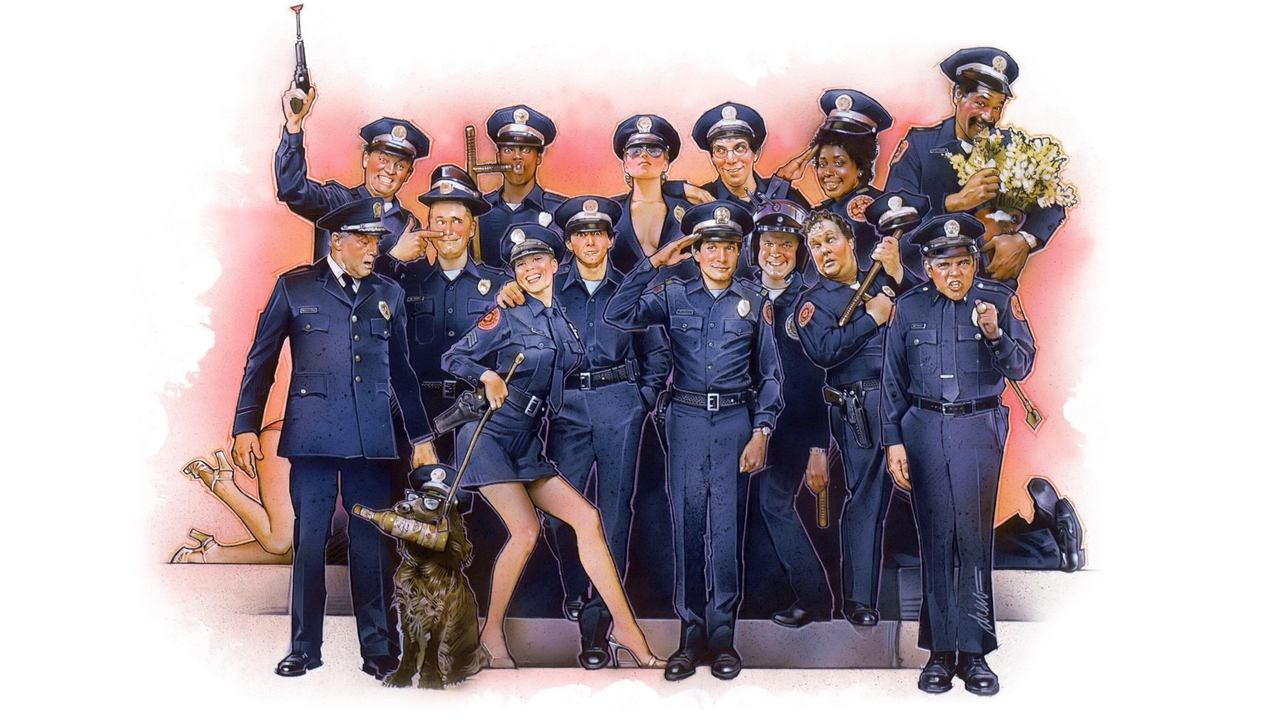
Of course, looking at it through a modern lens requires some context. The Blue Oyster Bar scenes are the comedic equivalent of a brick to the face. The recurring gag involving a leather bar and an unexpected tango is undeniably homophobic by today’s standards, yet in the context of 1984, it was the ultimate "fish out of water" punchline. It’s a moment where the film’s "us vs. them" mentality takes a weird detour, but it remains one of the most quoted bits of the franchise.
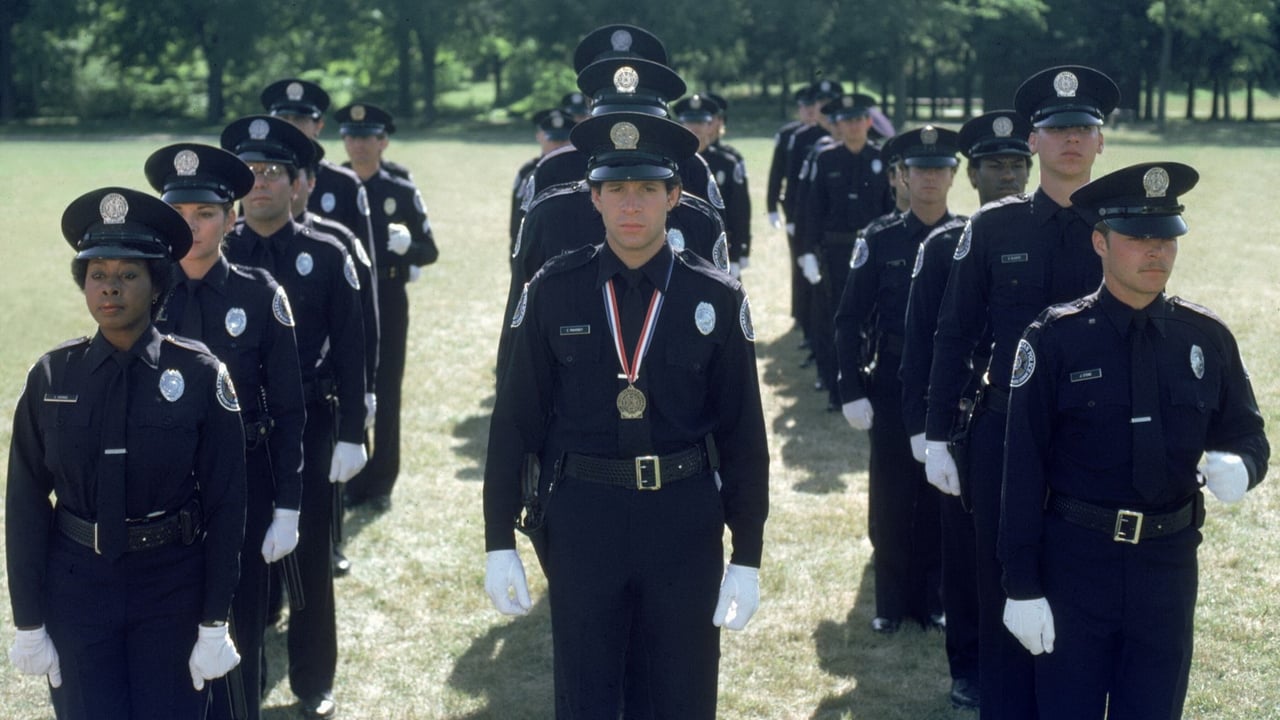
What truly holds up is the spirit of the thing. There is a genuine warmth in how these outcasts—the gun-obsessed Tackleberry (David Graf), the soft-spoken Hooks (Marion Ramsey), and the aristocratic Karen Thompson (Kim Cattrall, long before Sex and the City)—eventually come together. They aren't just a punchline; they become a team.
Police Academy is a reminder that you don't need a massive budget or a complex plot to create a cultural phenomenon; you just need a group of people who are willing to look ridiculous for a laugh. It’s a loud, messy, and occasionally brilliant ensemble piece that captured the "misfits-rule" zeitgeist of the 1980s perfectly. It may not be "high art," but it is high-energy entertainment that proves a well-placed sound effect is worth a thousand words of dialogue.
I watched this recently on a Tuesday evening while my radiator was clanking like a percussion section, and honestly, the ambient noise only added to the experience. If you’re looking for a film that prioritizes a high "joke-per-minute" ratio over logic, this is your squad. Grab some popcorn, ignore the sequels for a moment, and enjoy the original chaos.
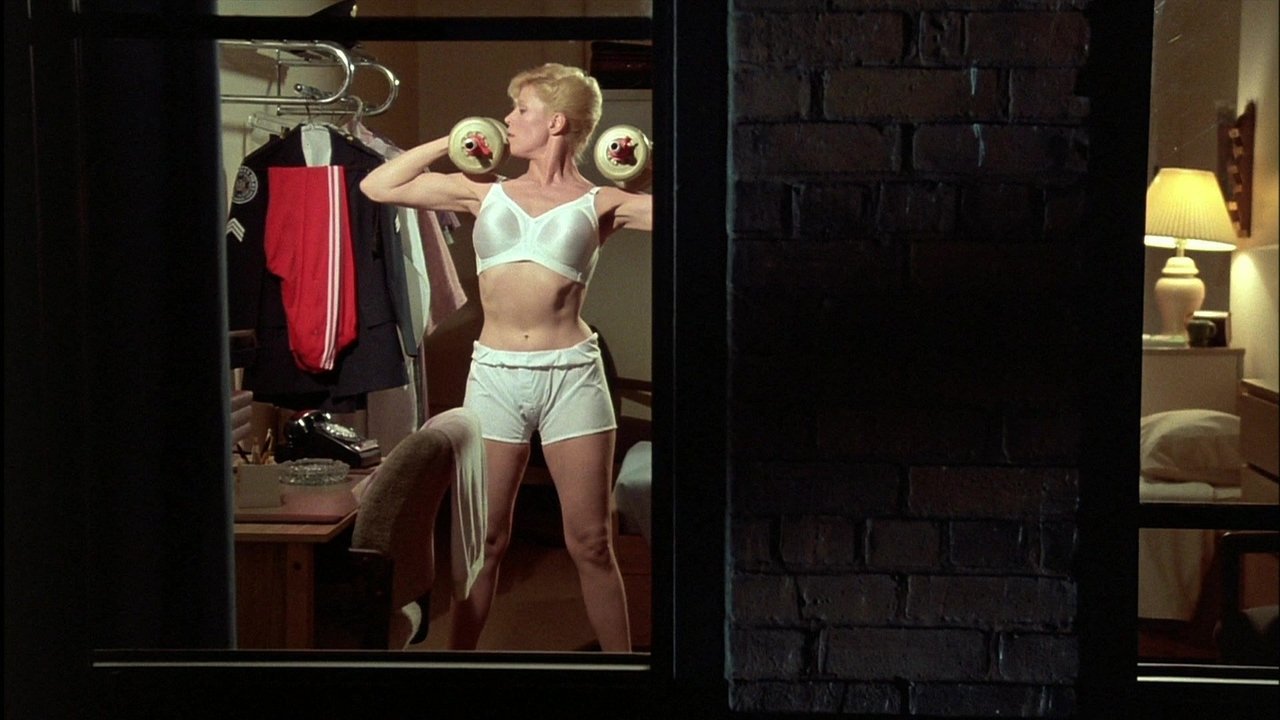
Keep Exploring...
-

Police Academy 3: Back in Training
1986
-
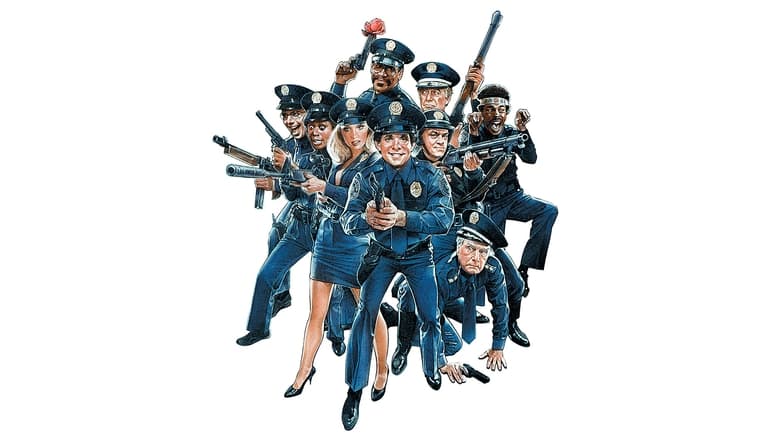
Police Academy 2: Their First Assignment
1985
-
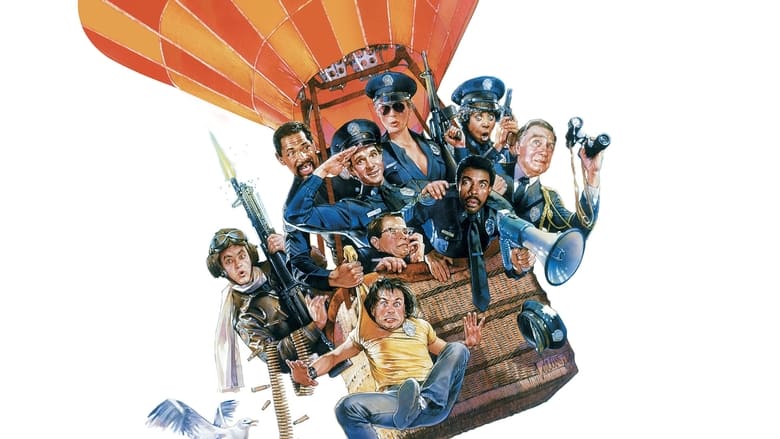
Police Academy 4: Citizens on Patrol
1987
-
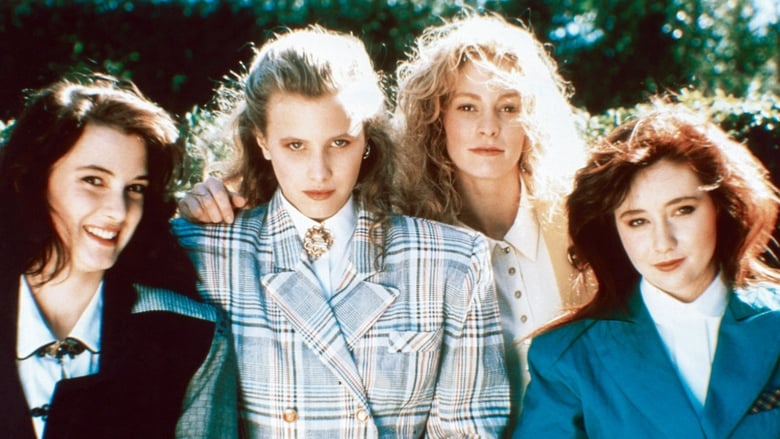
Heathers
1989
-
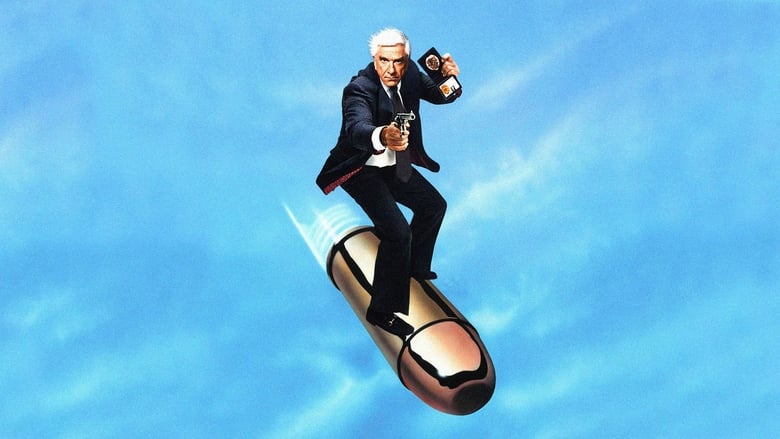
The Naked Gun: From the Files of Police Squad!
1988
-
48 Hrs.
1982
-
Beverly Hills Cop
1984
-
Clue
1985
-
Police Story
1985
-
Beverly Hills Cop II
1987
-
Raising Arizona
1987
-
Dirty Rotten Scoundrels
1988
-

Midnight Run
1988
-
Crimes and Misdemeanors
1989
-
K-9
1989
-
Lethal Weapon 2
1989
-
See No Evil, Hear No Evil
1989
-
Tango & Cash
1989
-
Turner & Hooch
1989
-
Weekend at Bernie's
1989