Red Dawn
"High school is hell, but the invasion is worse."
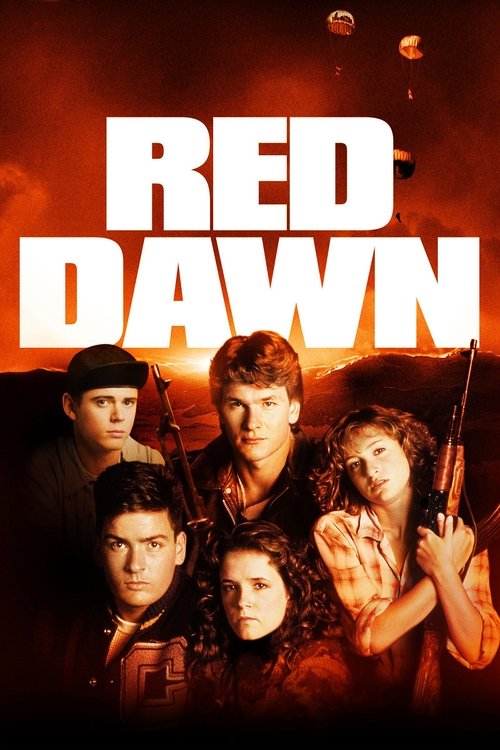
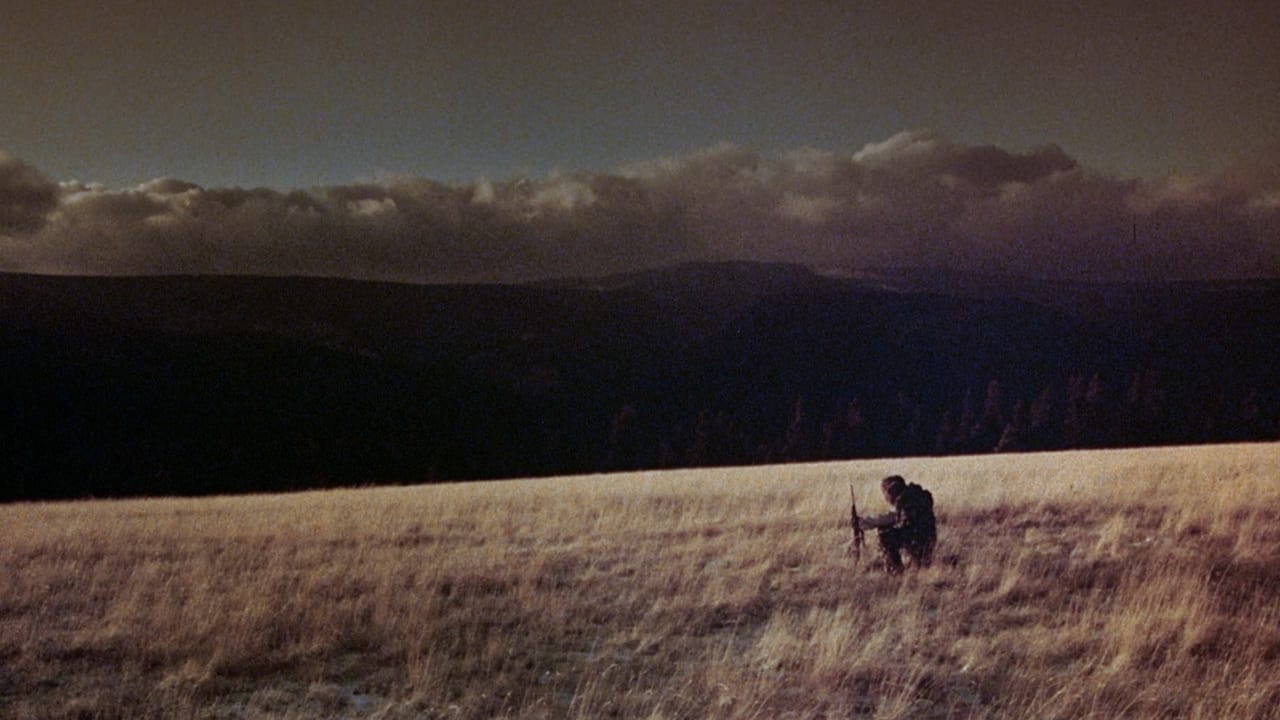
Imagine sitting in a high school history class, bored out of your mind, when you glance out the window and see hundreds of paratrooper chutes blossoming against a clear blue sky. It’s not a drill, and those aren't the 101st Airborne. They’re Soviets. Within ten minutes, your teacher is dead, the school bus is a smoking wreck, and you’re fleeing into the mountains with a pickup truck full of sporting goods and a few terrified friends.
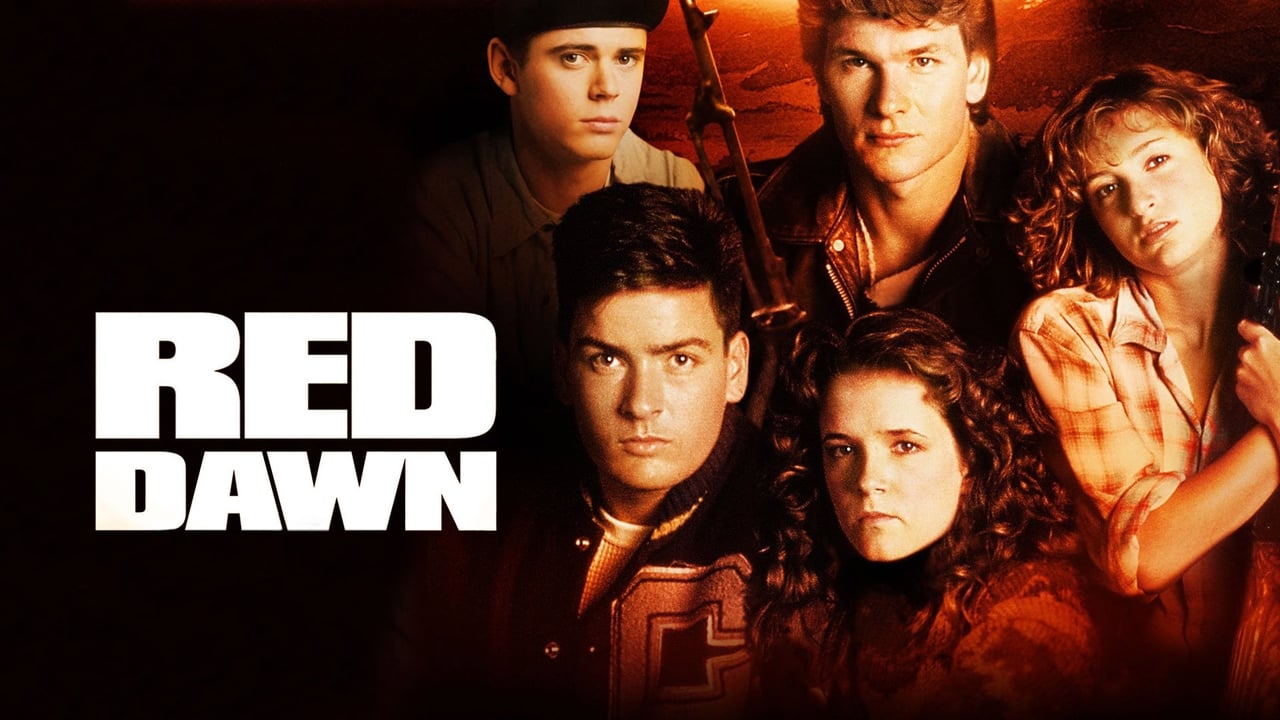
This is the nightmare fuel John Milius poured onto the screen in 1984. Watching it today, I’m struck by how much Red Dawn feels like a fever dream birthed from a specific moment of Cold War paranoia. I watched this most recent time while trying to fix a jammed stapler at my desk, and the rhythmic thwack-thwack of the metal against plastic felt oddly synchronized with the film’s relentless gunfire. It’s a movie that demands you pay attention to the grit under the fingernails rather than the geopolitical logic.
The Birth of the PG-13 Body Count
We have to talk about the rating. Red Dawn holds the dubious honor of being the very first film released with a PG-13 certificate. Following the parental outcry over kids' brains getting melted by Indiana Jones and the Temple of Doom and Gremlins, the MPAA needed a middle ground. Milius stepped into that gap with a film that was, at the time, cited by the Guinness Book of World Records as the most violent movie ever made.
It’s easy to see why. While it lacks the gore of an 80s slasher, the sheer volume of "acts of violence per hour" is staggering. But unlike the cartoonish mayhem of Commando, the violence here feels heavy. When Patrick Swayze (as Jed) and Charlie Sheen (as Matt) are forced to execute a traitor in their own ranks, it isn't a "cool" action moment. It’s a miserable, soul-crushing scene that reminds you these characters are just kids who should be worrying about prom, not firing squads. The film is basically 'The Breakfast Club' if John Hughes had an obsession with guerrilla warfare and tactical reloads.
Boot Camp and Blood Brothers
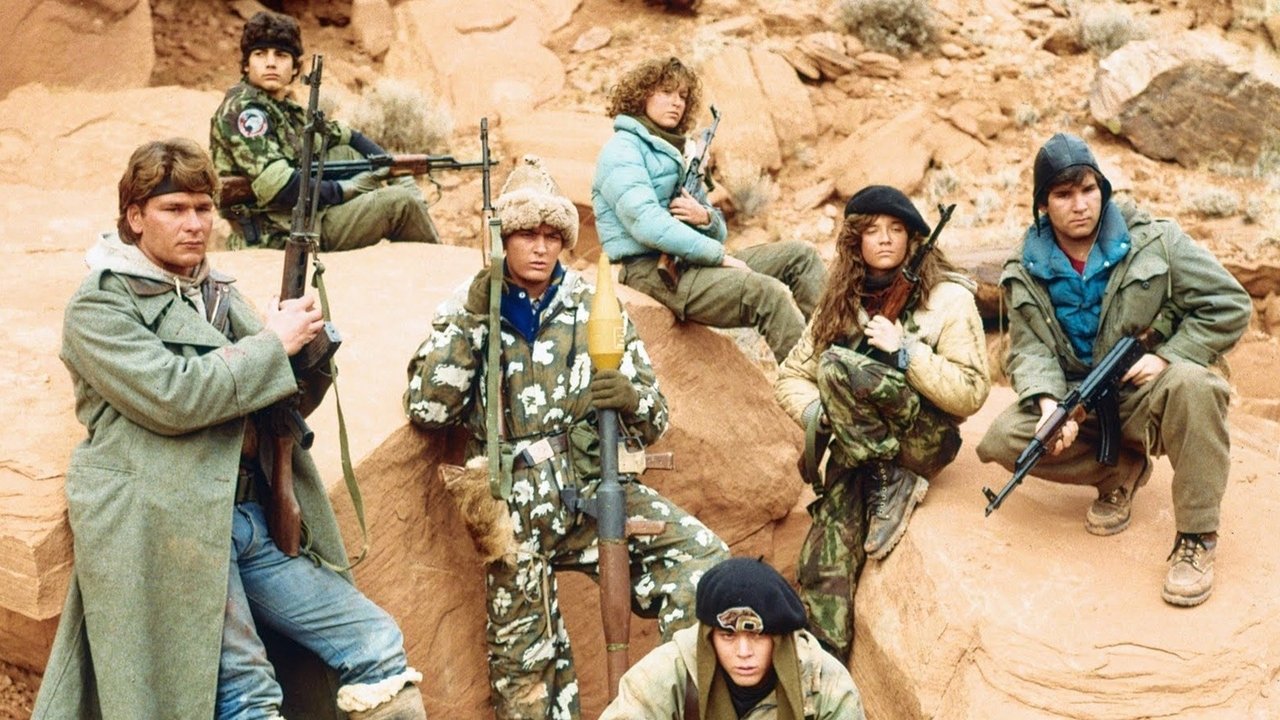
The chemistry of the "Wolverines" isn't an accident. Milius, a man who famously styled himself after a Viking warrior and served as the inspiration for John Goodman’s character in The Big Lebowski, insisted on authenticity. He sent the cast—including C. Thomas Howell, Lea Thompson, and Jennifer Grey—to an intensive eight-week military boot camp in the mountains of New Mexico.
They were trained by former Green Berets, slept in the dirt, and were forced to stay in character. Milius even fostered a rivalry between the "townie" actors and the "guerrilla" actors to ensure the tension on screen was palpable. You can see it in Patrick Swayze; before he was the romantic lead of Dirty Dancing, he was a jagged, desperate leader here. Swayze’s tears in this movie have more testosterone than most modern action franchises combined. He carries the weight of the world on his shoulders, and you believe he’d die for his brother, played with surprising restraint by a very young Charlie Sheen.
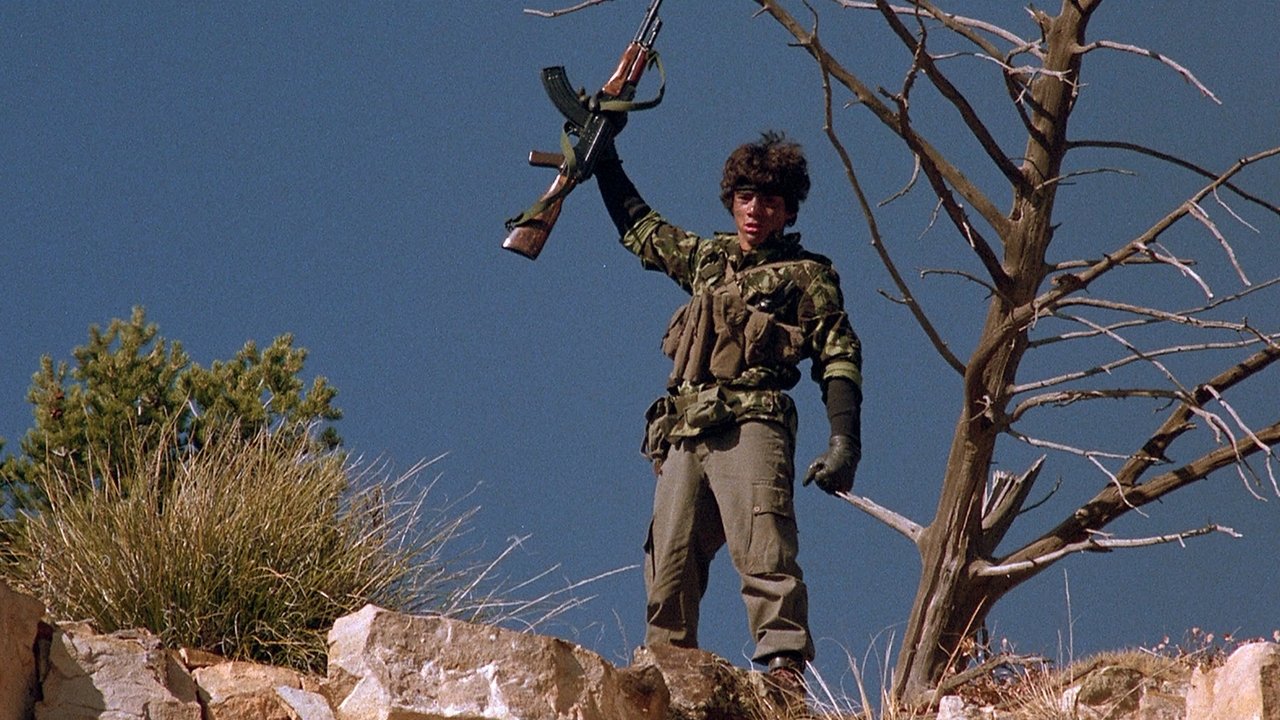
The action sequences benefit immensely from this "real-world" approach. Before the era of digital smoke and CGI muzzle flashes, if Milius wanted a Soviet T-72 tank to roll through a small-town Main Street, he had to build a remarkably convincing replica and drive it through the set. The explosions are big, loud, and dangerous. There’s a scene involving an ambush of a Soviet convoy that uses practical pyrotechnics so effectively you can almost smell the cordite through the screen.
The Living Room Resistance
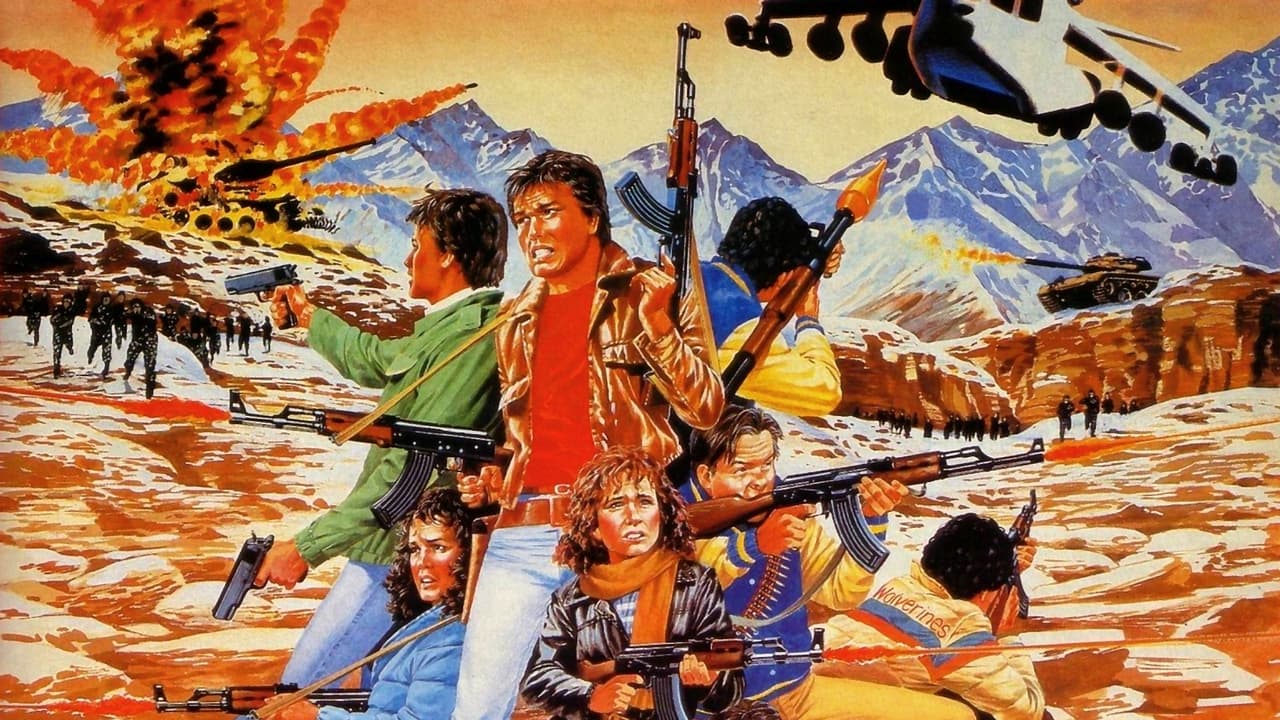
For a lot of us, Red Dawn wasn't a theatrical experience; it was a VHS staple. I remember the iconic box art sitting on the "Action/Adventure" shelf of the local rental shop—that sunset-orange sky and the silhouette of the teenagers holding rifles like a dark reflection of a high school yearbook photo. It was the kind of tape that stayed at the top of the "Recently Viewed" pile for months.
Because it was a home video favorite, the film’s flaws—like the occasionally clunky dialogue and the "how did they get that much ammo?" logic—were easily forgiven. You were there for the "Wolverine!" battle cry. Interestingly, the film was a massive hit on the rental market because it tapped into a very specific American anxiety. It turned the local woods, the places where kids actually played, into a potential battlefield.
The score by Basil Poledouris (who also did Conan the Barbarian) deserves a mention. It doesn't go for jingoistic trumpets; instead, it’s somber, percussive, and mournful. It treats the story like a tragedy, which elevates the movie from a mere "Red Scare" propaganda piece into something more haunting. It’s a film about the loss of innocence, where the "victory" feels just as cold as the Colorado winter.
Red Dawn is a fascinating relic of 1984, but it’s more than just a political time capsule. It’s a gritty, well-acted survival story that treats its young protagonists with a surprising amount of respect. While the plot requires a healthy suspension of disbelief regarding Soviet logistics, the emotional core of the brothers Eckert remains rock solid. It’s the ultimate "what if" movie of the 80s, executed with a sincerity that modern remakes couldn't hope to capture. If you haven't seen it since the days of magnetic tape, it's time to head back to the mountains.
Keep Exploring...
-
Lock Up
1989
-

Road House
1989
-
Conan the Barbarian
1982
-
Marathon Man
1976
-
Rambo: First Blood Part II
1985
-
The Hitcher
1986
-
Black Rain
1989
-
Behind Enemy Lines
2001
-
Bloodsport
1988
-
Rambo III
1988
-

Kickboxer
1989
-
Tango & Cash
1989
-
Crimson Tide
1995
-
'71
2014
-

Magnum Force
1973
-
Escape to Victory
1981
-
Star Trek III: The Search for Spock
1984
-
Cobra
1986
-
Heartbreak Ridge
1986
-
Raw Deal
1986