Splash
"Love comes with a few scales attached."
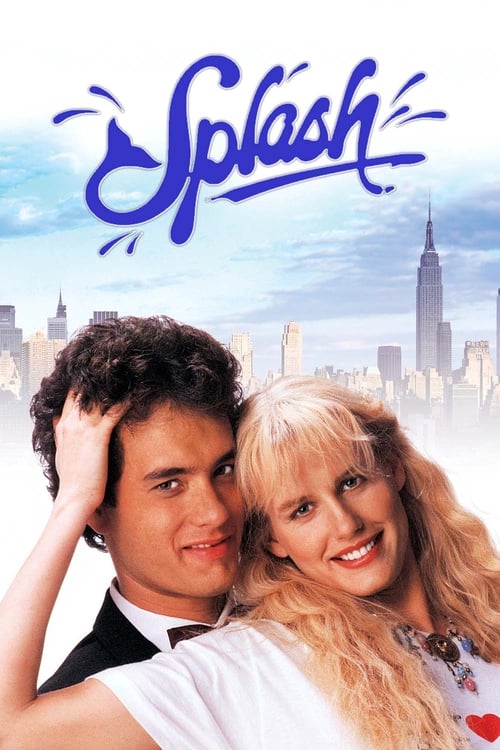
Before the Walt Disney Company decided to buy every intellectual property on the planet, they had a bit of an identity crisis. It was 1984, and the studio realized that teenagers and adults weren't exactly lining up for "The Fox and the Hound" re-releases. They needed to get a little bit gritty, a little bit sexy, and a whole lot more "PG." Enter Touchstone Pictures and its flagship voyage, Splash. I watched my copy on a slightly fuzzy VHS while drinking a lukewarm Diet Coke that had lost its fizz twenty minutes earlier, and honestly, the low-res grain of the 80s only makes the New York City grime look more magical.

The Birth of a Leading Man (and a Studio)
Looking back, Splash feels like a "What If?" machine for Hollywood history. This is the film that proved Tom Hanks wasn't just the guy from Bosom Buddies; he was a legitimate romantic lead with a comedic engine that could redline without ever losing the audience. As Allen Bauer, Hanks plays the "straight man" to a world that’s gone slightly tilted, and his frustration is palpable. Whether he’s falling off a boat (again) or trying to explain why his girlfriend is eating a lobster shell-first in a high-end restaurant, Hanks anchors the film in a relatable, slightly neurotic reality.
Without this movie, Hanks might have just been another face in the 80s sitcom graveyard, but director Ron Howard—fresh off the success of Night Shift—saw the Everyman potential. Howard brings a surprisingly brisk pace to the film, balancing the high-concept fantasy with the cynical, taxicab-choked streets of Manhattan. It’s a quintessential New York movie from an era when the city felt like a character that might mug you if you looked at it wrong, yet here it’s the backdrop for a literal fairy tale.
Fin-tastic Practicality
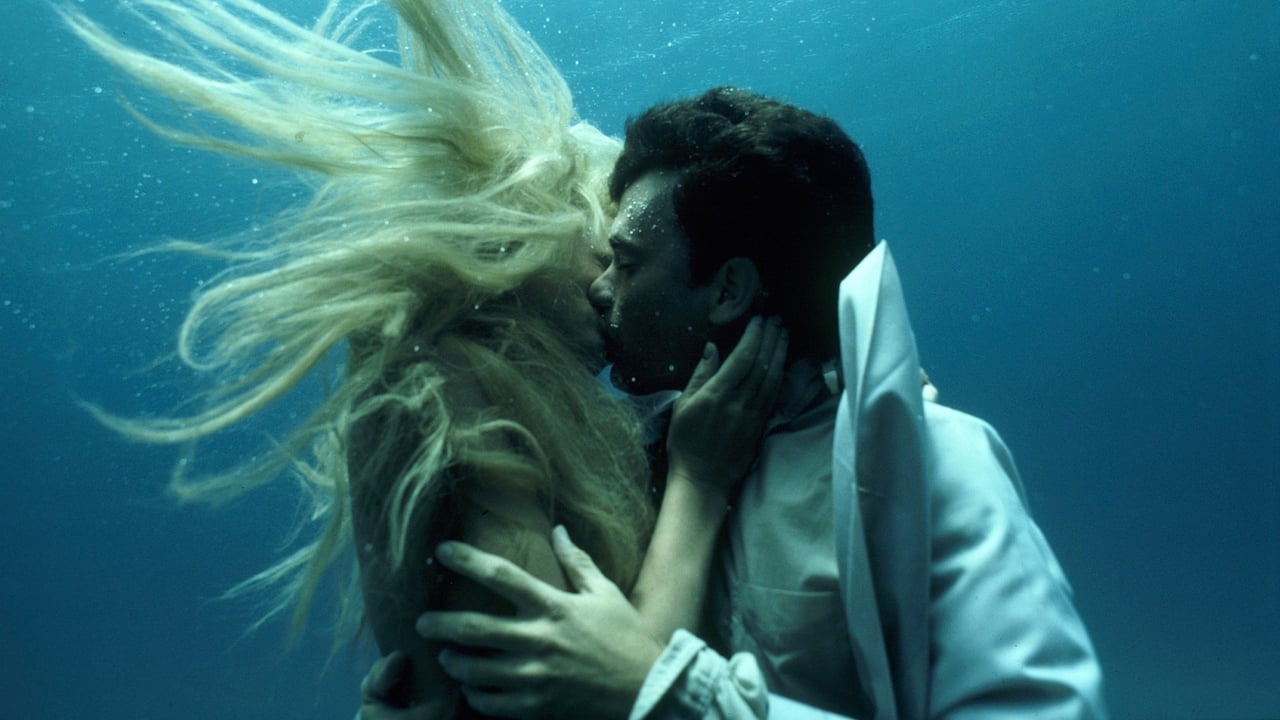
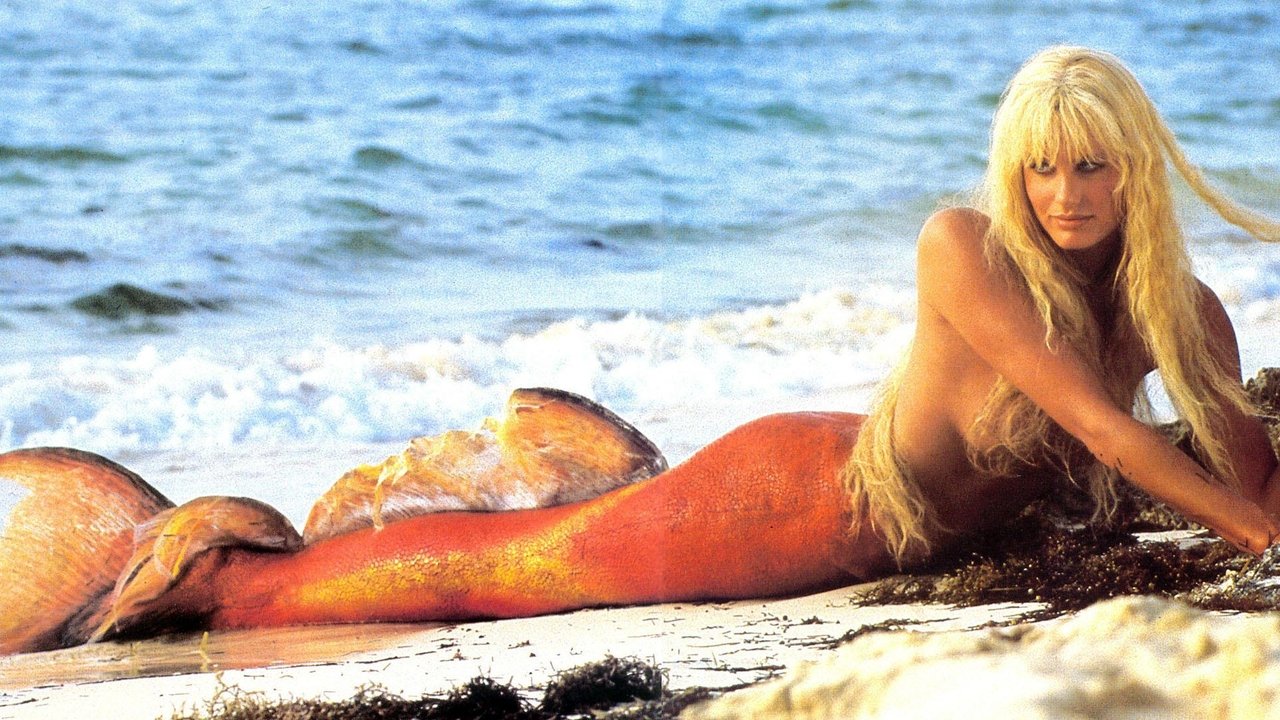
We need to talk about the tail. In an era where a mermaid would be a shimmering mass of pixels, Daryl Hannah’s Madison is a triumph of practical effects. Designed by Robert Short, the tail was so heavy and realistic that Hannah had to be carried around set. Watching it move in the water—especially in the opening sequence and the final escape—there’s a tactile weight to it that CGI simply cannot replicate. It feels organic, wet, and slightly dangerous.

Daryl Hannah herself is the secret weapon here. It’s a difficult role; she has to play the "fish out of water" (literally) without making Madison seem unintelligent. Her curiosity is infectious, and her chemistry with Hanks is what keeps the movie from drifting into pure slapstick. She navigates the 80s excess—the massive Bloomingdale's shopping sprees and the neon lights—with a wide-eyed wonder that makes you actually like 1984 New York. Madison is the only reason the city doesn't look like a giant trash heap in this movie.
The Candy-Levy Factor
While the romance is the heart, the soul of Splash belongs to the supporting cast. John Candy as Freddie Bauer is, quite frankly, a masterclass in the "degenerate brother with a heart of gold" archetype. Whether he’s throwing racquetball games or dropping quarters to look under bathroom stalls, Candy brings a chaotic energy that balances the sweetness of the main plot. His "Penthouse" speech is a bit of 80s cringe that hasn't aged perfectly, but his genuine love for his brother is the movie's most grounded relationship.
Then there’s Eugene Levy as the obsessive scientist Walter Kornbluth. If you only know Levy as the dad from American Pie or Johnny Rose from Schitt's Creek, you are in for a frantic, sweaty treat. He plays a man convinced that mermaids are real, and his pursuit of Madison is driven by a hilariously desperate need for validation. The scene where he tries to "out" her by spraying her with a hose in the middle of a street is comedy gold precisely because of Levy’s commitment to the bit. He isn't a villain; he's just a guy who really, really needs to be right.
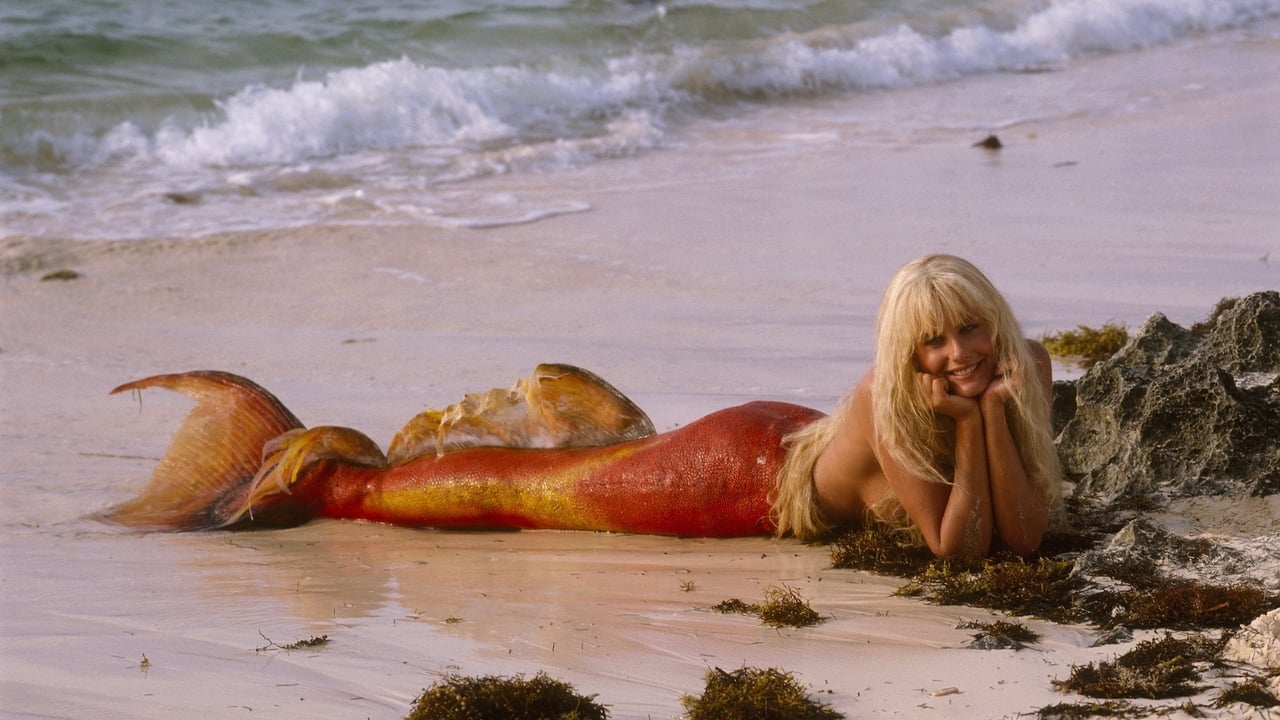
Splash is one of those rare 80s comedies that manages to be cynical and sincere at the exact same time. It captures a specific moment in the "VHS Revolution" when you could walk into a video store, see that iconic cover art of Madison in the fountain, and know you were in for something special. It’s a film that trusts its audience to buy into the absurdity because the characters believe in it so fervently.
I’ll always have a soft spot for this one, mostly because it reminds me of a time when "high concept" meant a great script and a very expensive rubber tail rather than a five-year cinematic universe plan. It’s funny, it’s heart-wrenching, and it features John Candy at the peak of his powers. If you’ve only ever seen the edited-for-TV versions, do yourself a favor and find a copy that hasn't been scrubbed. It’s a reminder that sometimes, the best way to find yourself is to jump off the deep end.
Keep Exploring...
-
Weird Science
1985
-
The Money Pit
1986
-
Cocoon
1985
-
The Purple Rose of Cairo
1985
-

Big
1988
-
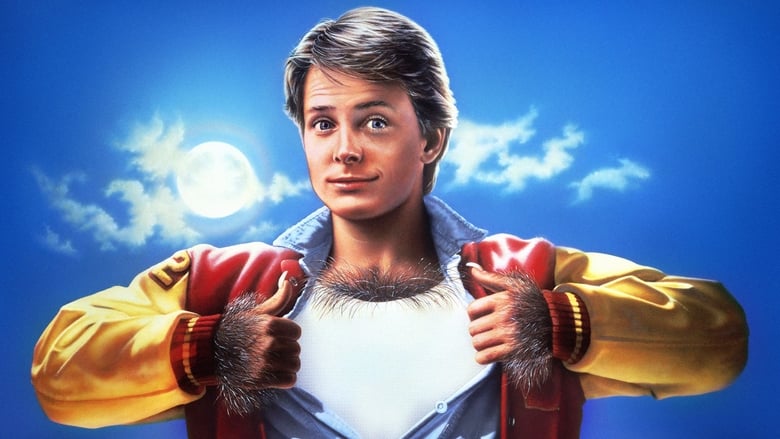
Teen Wolf
1985
-

Risky Business
1983
-
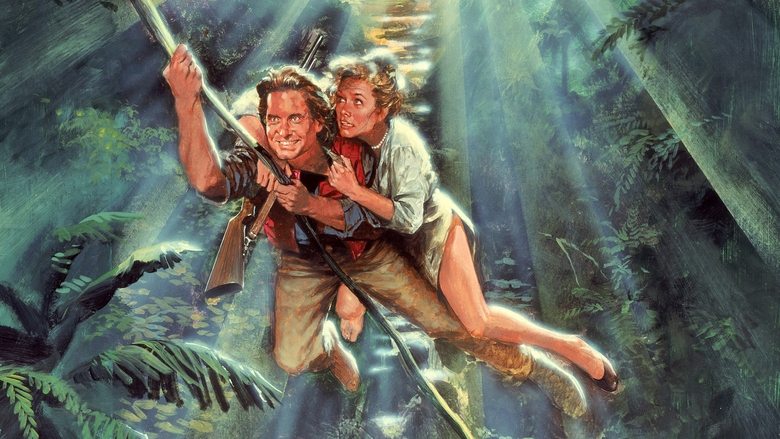
Romancing the Stone
1984
-
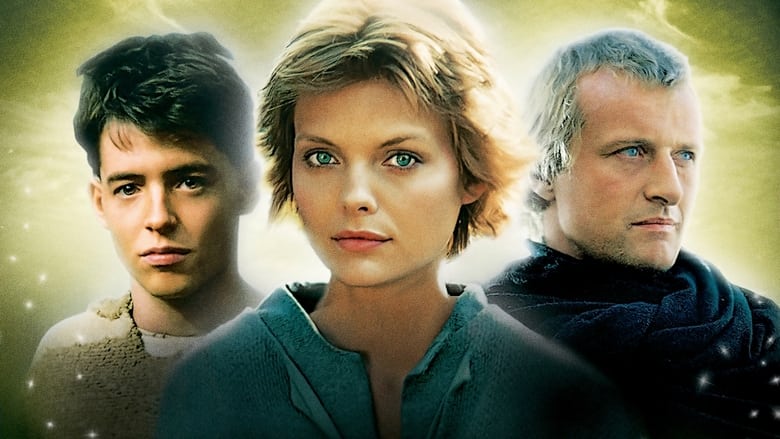
Ladyhawke
1985
-
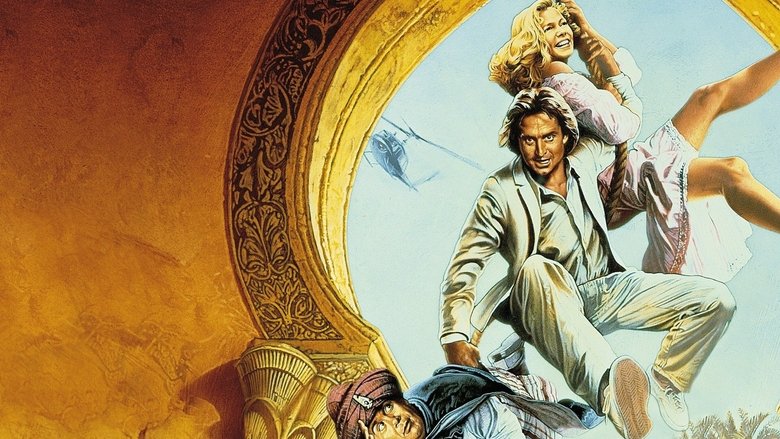
The Jewel of the Nile
1985
-
Overboard
1987
-

The Witches of Eastwick
1987
-

Scrooged
1988
-
Willow
1988
-

All Dogs Go to Heaven
1989
-
Say Anything...
1989
-

The 'Burbs
1989
-
Turner & Hooch
1989
-
Time Bandits
1981
-
Fast Times at Ridgemont High
1982