Star Trek III: The Search for Spock
"The galaxy’s greatest heist to save a friend."
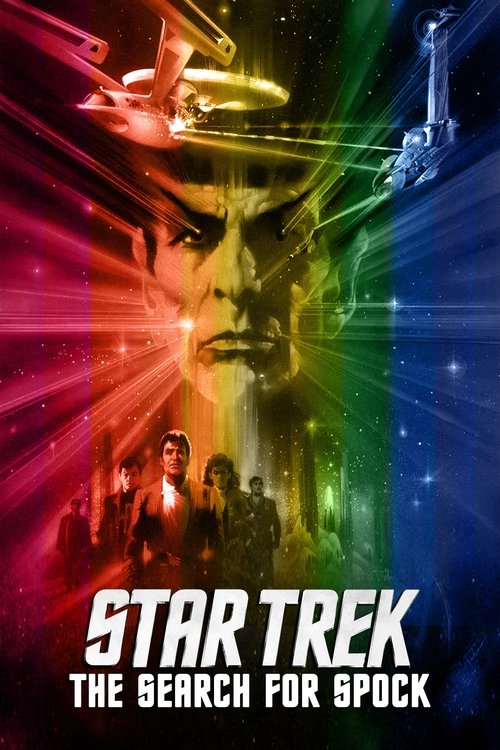
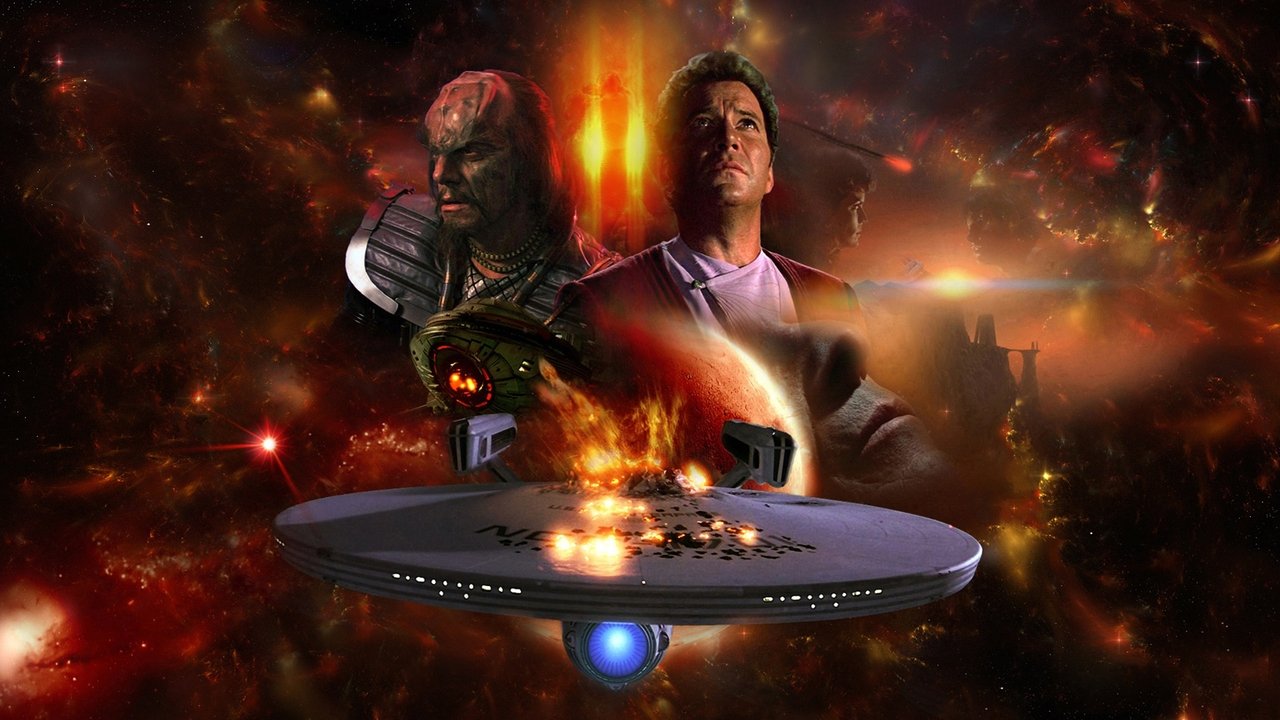
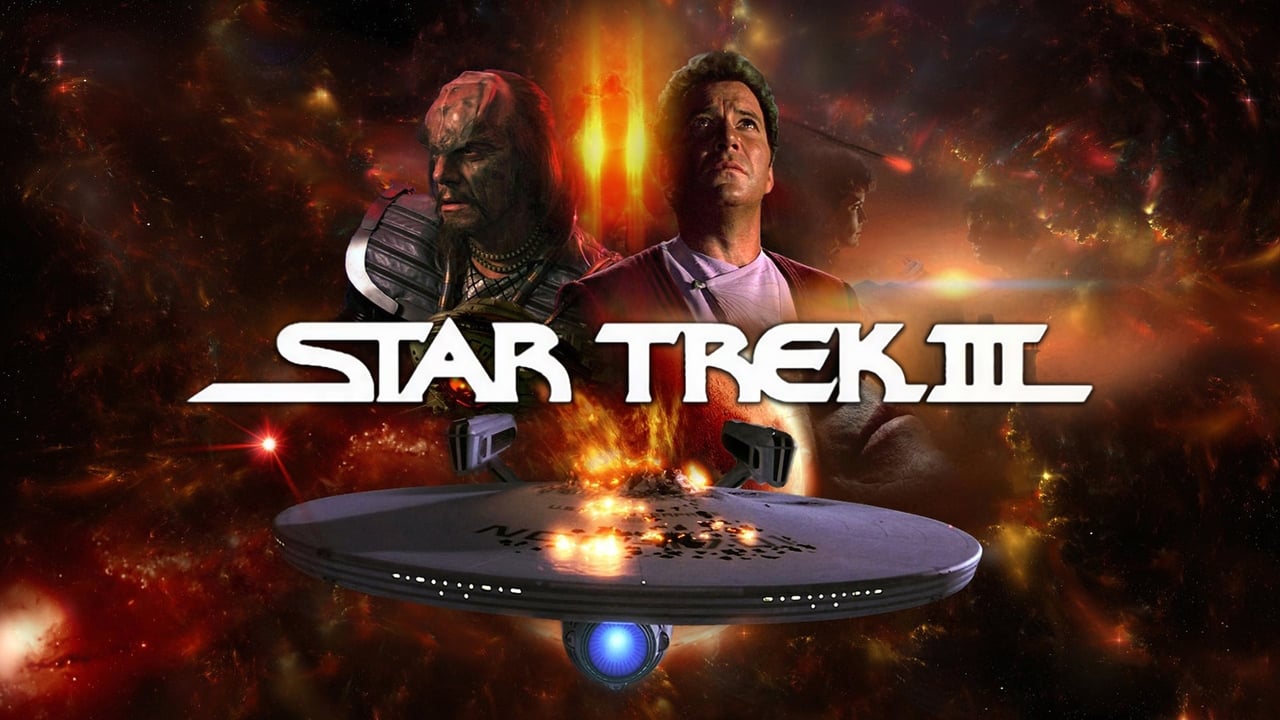
How do you follow up a masterpiece? In 1982, Star Trek II: The Wrath of Khan didn’t just save the franchise; it defined it, ending with a funeral that left a generation of fans weeping into their popcorn. Coming back two years later, Leonard Nimoy (making his directorial debut here while also appearing in Three Men and a Baby later) faced the impossible task of resurrecting a character whose death actually meant something. The result, Star Trek III: The Search for Spock, often gets unfairly lumped into the "odd-numbered Trek films are bad" bin, but viewing it today reveals a tight, character-driven action-thriller that understands the core of these characters better than almost any other entry.
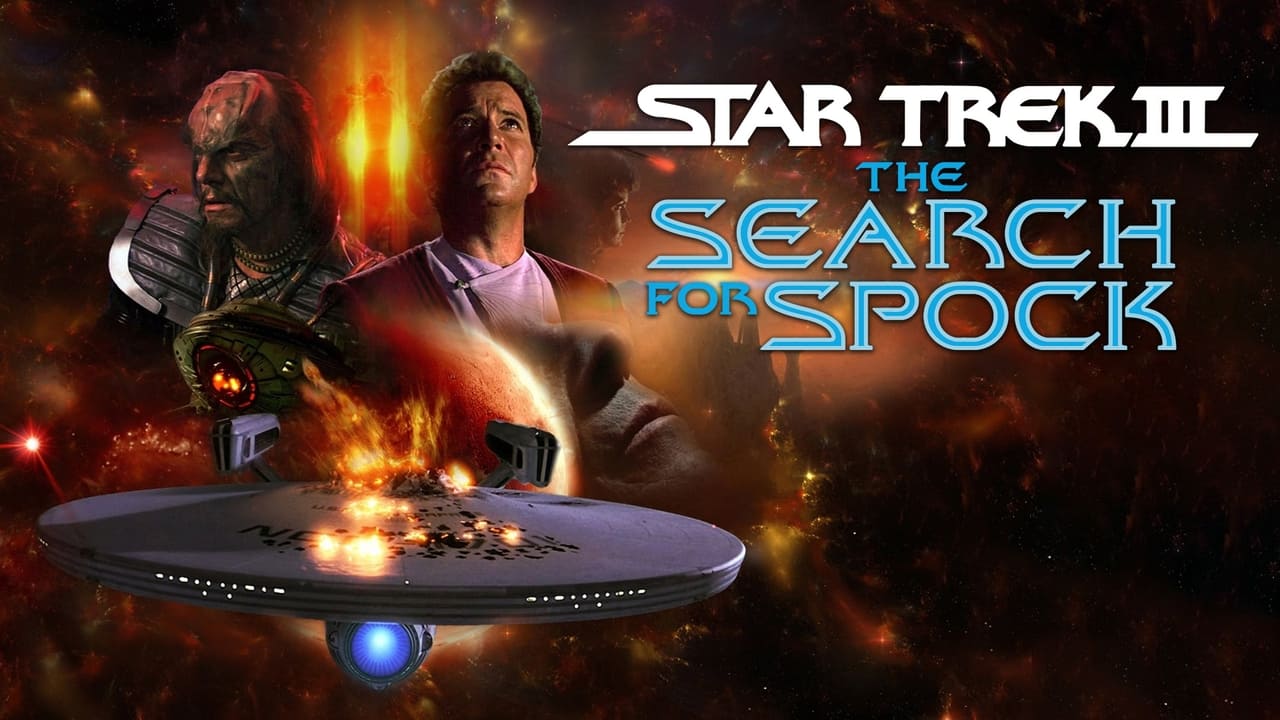
Grand Larceny in the Spacedock
The first half of this film isn't a space opera; it's a heist movie. After being told by Spock's father, Sarek, that Spock’s "katra" (his living essence) is hitching a ride in the increasingly erratic brain of DeForest Kelley’s Dr. McCoy, Admiral Kirk has to go back to the restricted Genesis planet. When the Starfleet brass says "no," Kirk and his crew decide to steal their own ship.
This sequence is the absolute peak of the film’s momentum. Seeing the original crew—James Doohan, George Takei, Walter Koenig, and Nichelle Nichols—finally get to be proactive conspirators is a joy. They aren't just buttons-pushers; they are outlaws. The visual of the Enterprise backing out of the futuristic Spacedock while the sleek, "transwarp" Excelsior tries to give chase is a high-water mark for Harve Bennett’s production. I watched this scene recently while wearing a pair of incredibly itchy wool socks that I eventually just threw across the room in excitement, and honestly, the tactile frustration of the socks matched the tension of the scene perfectly. Admiral Kirk is actually a better character when he’s a criminal.
The Practical Magic of Genesis
While the previous film introduced the world to early CGI with the "Genesis Effect" video, The Search for Spock is a celebration of the practical effects golden age. Because the Genesis planet is rapidly aging and unstable, Leonard Nimoy and his team had to create an entire world on a Paramount soundstage. It looks like a stage—there’s no denying the painted backdrops—but there’s a theatricality to it that CGI just can’t replicate.
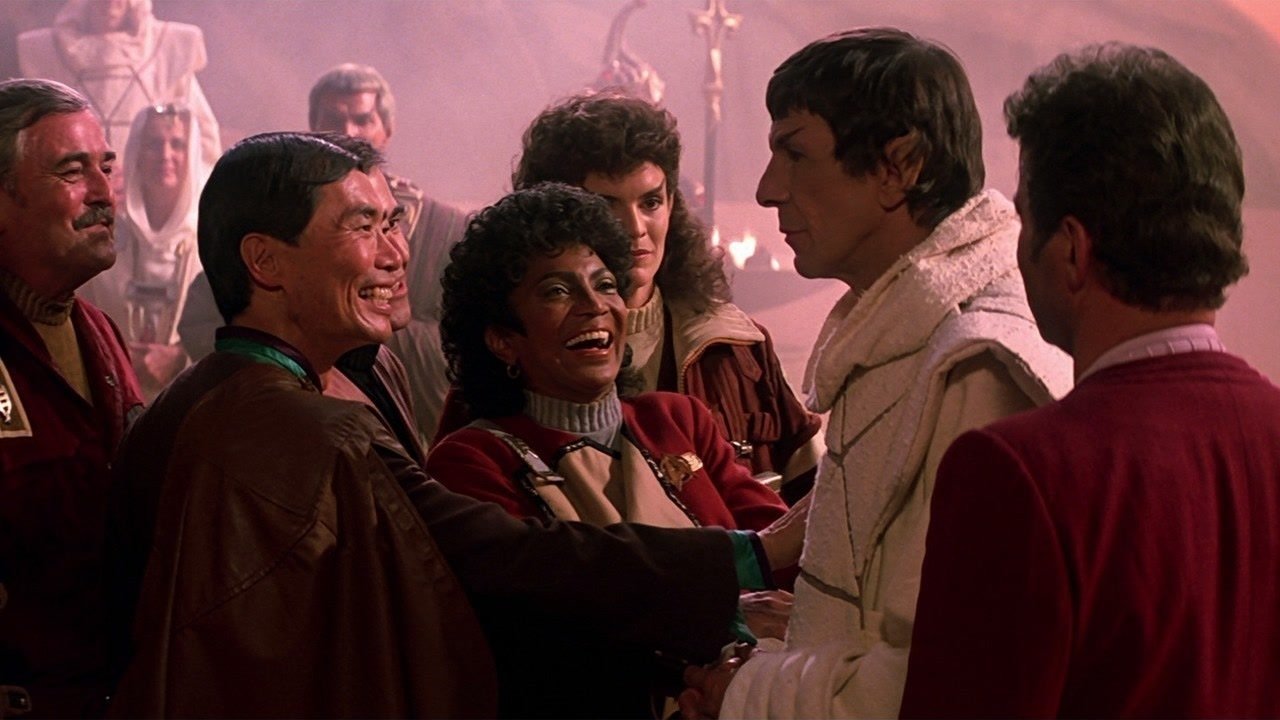
The "Action" here feels physical and heavy. When the Klingon Bird-of-Prey decloaks, it has a grimy, predatory weight. The villainous Kruge, played with a surprisingly restrained menace by Christopher Lloyd (just a year before he’d become an icon in Back to the Future), isn’t a cartoon. He’s a soldier looking for a weapon. The fight choreography between William Shatner and Lloyd on a crumbling cliffside as the ground literally melts into lava beneath them is classic 80s stunt work. It’s sweaty, desperate, and devoid of the polished "wire-fu" of modern blockbusters. When Kirk kicks a Klingon into a lava pit, you feel the boots hitting the chest.
A Tape-Worthy Sacrifice
For those of us who grew up with the Paramount Home Video VHS—the one with the iconic red-orange border and the "Warning" screen that seemed to last forever—this was the movie where the stakes became personal. Most fans talk about Spock's death in the previous film, but the emotional gut-punch here is the destruction of the Enterprise.
William Shatner gives one of his most underrated performances in the moments following the ship's self-destruct. We often mock his "acting," but watch his face when he watches his home streak across the sky like a falling star. It’s a moment of profound loss that serves as the ultimate price for Spock’s return. The film also features James Horner (who later did Titanic and Aliens) returning to provide a score that is mystical, eerie, and far more ethereal than the militaristic horns of Khan. It’s a soundtrack that feels like a ghost story, which is fitting for a film about a man haunted by his friend’s soul.
Stuff You Didn't Notice
Interestingly, the production had to deal with a massive fire on the "Genesis" set during filming, which Leonard Nimoy actually helped fight alongside the crew. Talk about a hands-on director. Also, if the Klingon Bird-of-Prey looks familiar, it’s because the ship was originally written to be a Romulan vessel (hence the "feather" patterns on the wings), but the producers felt Klingons were more "marketable" villains for the mid-80s audience. This decision basically cemented the Bird-of-Prey as the definitive Klingon ship for the next thirty years of the franchise.
The film does suffer slightly from "middle-chapter syndrome." It exists almost entirely to hit the "Undo" button on the ending of the previous movie, and Merritt Butrick’s David Marcus (Kirk’s son) is given a somewhat unceremonious exit that feels like it should have carried more weight. But as a bridge between the high drama of Khan and the pure fun of The Voyage Home, it holds its own with grit and heart.
While it lacks the singular focus of its predecessor, The Search for Spock succeeds because it understands that the "Star Trek" family is more important than the science. It’s a beautifully crafted 80s adventure that rewards the viewer with great practical stunts, a legendary score, and the best ship-theft sequence in cinematic history. If you've only ever seen the "even-numbered" films, you're missing the soul of the series.
Keep Exploring...
-
Star Trek IV: The Voyage Home
1986
-
Star Trek V: The Final Frontier
1989
-

Star Trek VI: The Undiscovered Country
1991
-

Star Trek II: The Wrath of Khan
1982
-
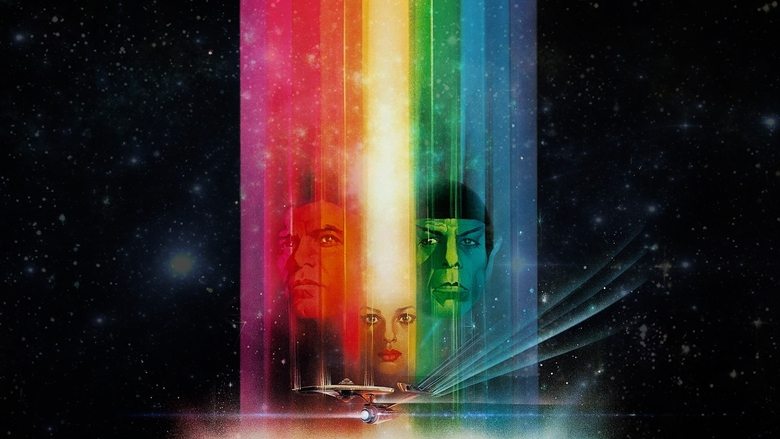
Star Trek: The Motion Picture
1979
-

Masters of the Universe
1987
-

Predator
1987
-
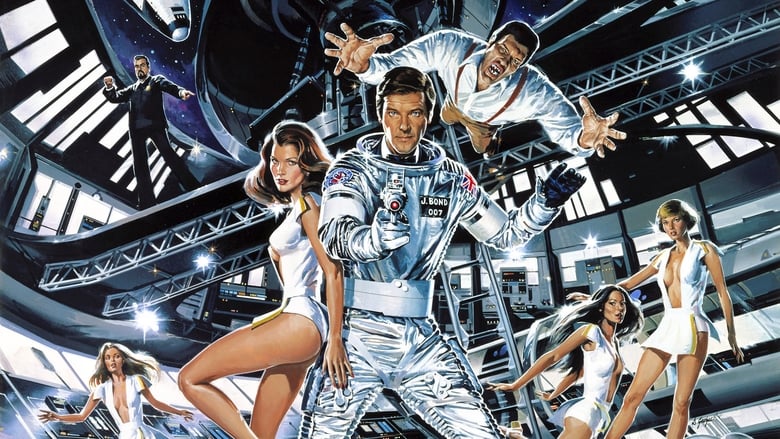
Moonraker
1979
-
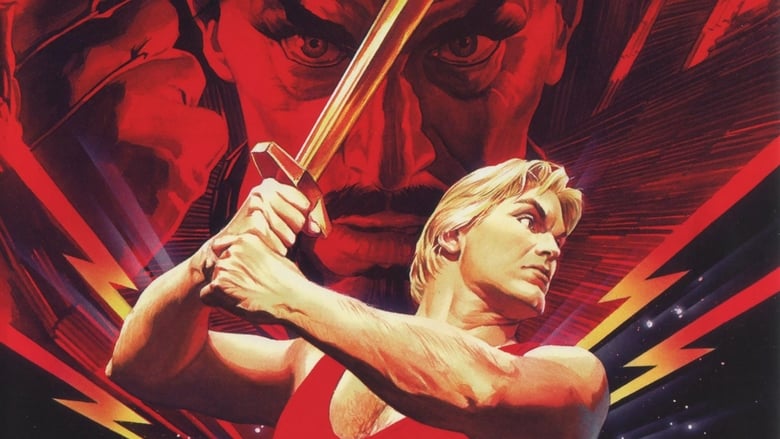
Flash Gordon
1980
-
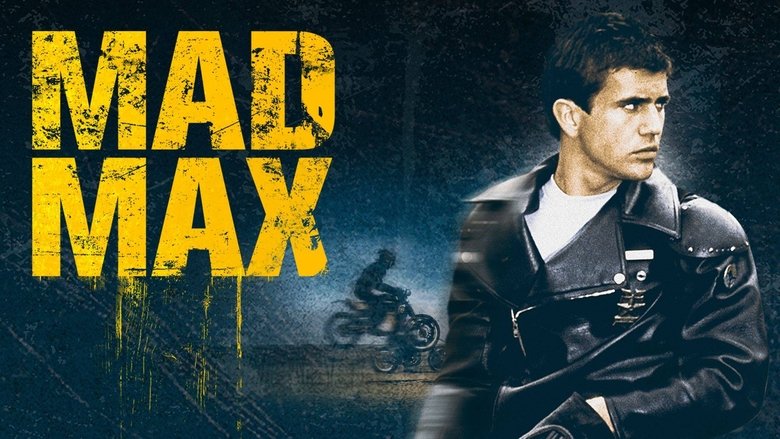
Mad Max
1979
-
Mad Max 2
1981
-
First Blood
1982
-
Tron
1982
-
Dune
1984
-
Commando
1985
-
Rambo: First Blood Part II
1985
-
The Running Man
1987
-
Lethal Weapon 2
1989
-
The Abyss
1989
-
Kin
2018