The Karate Kid
"The crane kick heard 'round the world."
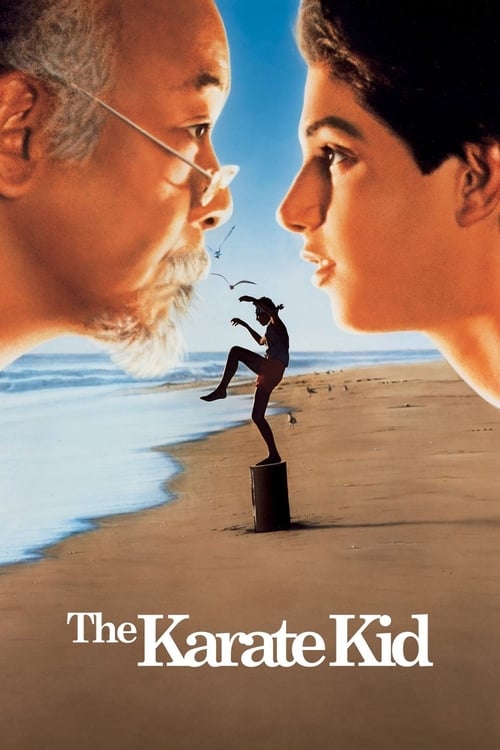
I once tried to recreate the iconic "balance on a stump" scene at a local beach and ended up face-down in a tide pool covered in jellyfish stings, which is a level of commitment Ralph Macchio never had to deal with. But that’s the power of The Karate Kid. It’s a film that makes you believe—against all physical evidence—that if you just wash enough cars and paint enough fences, you too could defeat a blonde sociopath in a skeleton costume.
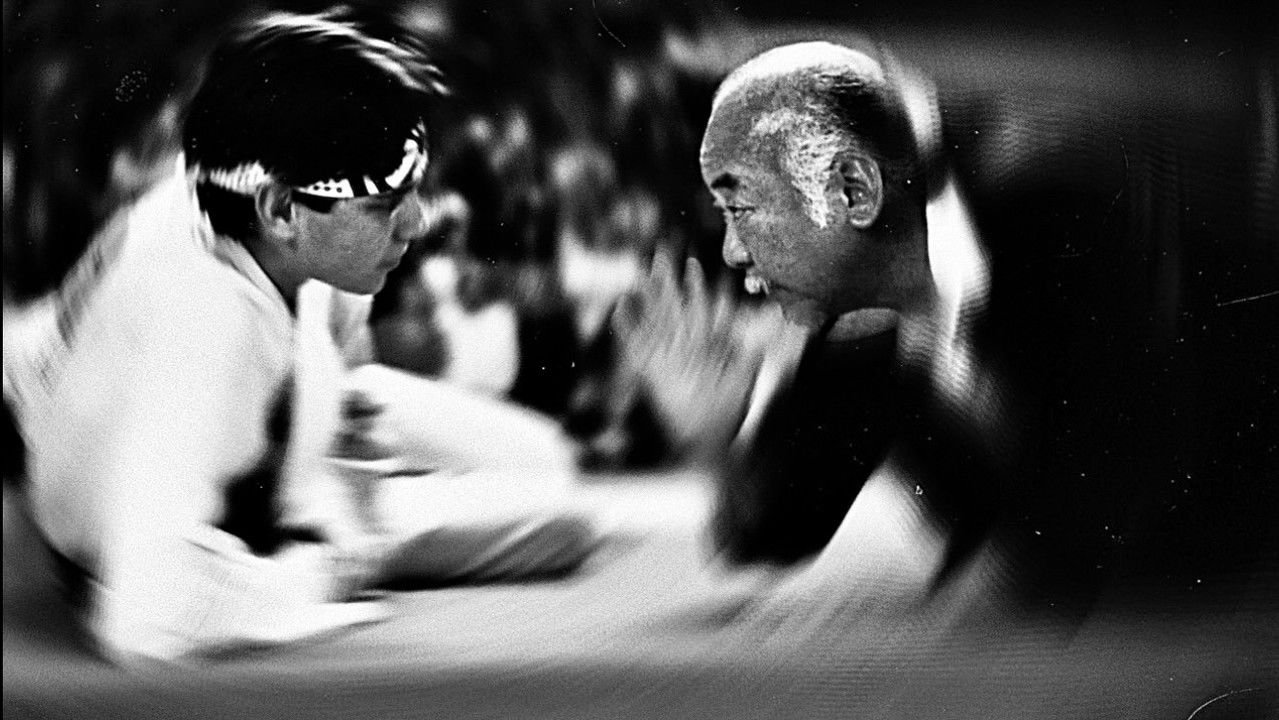
I watched this again recently on a humid Tuesday while my neighbor was loudly practicing the bagpipes, and honestly, the bagpipe drone weirdly complemented the tension of the All-Valley Karate Tournament. It reminded me why this film isn't just a 1980s relic; it’s a perfectly calibrated machine of underdog storytelling that still hits like a spinning back kick.
The Rocky of the Valley
It’s no accident that The Karate Kid feels like a junior-varsity Rocky (1976). Director John G. Avildsen essentially took his Oscar-winning formula for the Italian Stallion and transplanted it into the sun-drenched, strip-mall reality of the San Fernando Valley. But where Rocky Balboa was a hulking slab of meat, Ralph Macchio’s Daniel LaRusso is a wiry, talkative Jersey transplant with a chip on his shoulder the size of the Newark Airport.
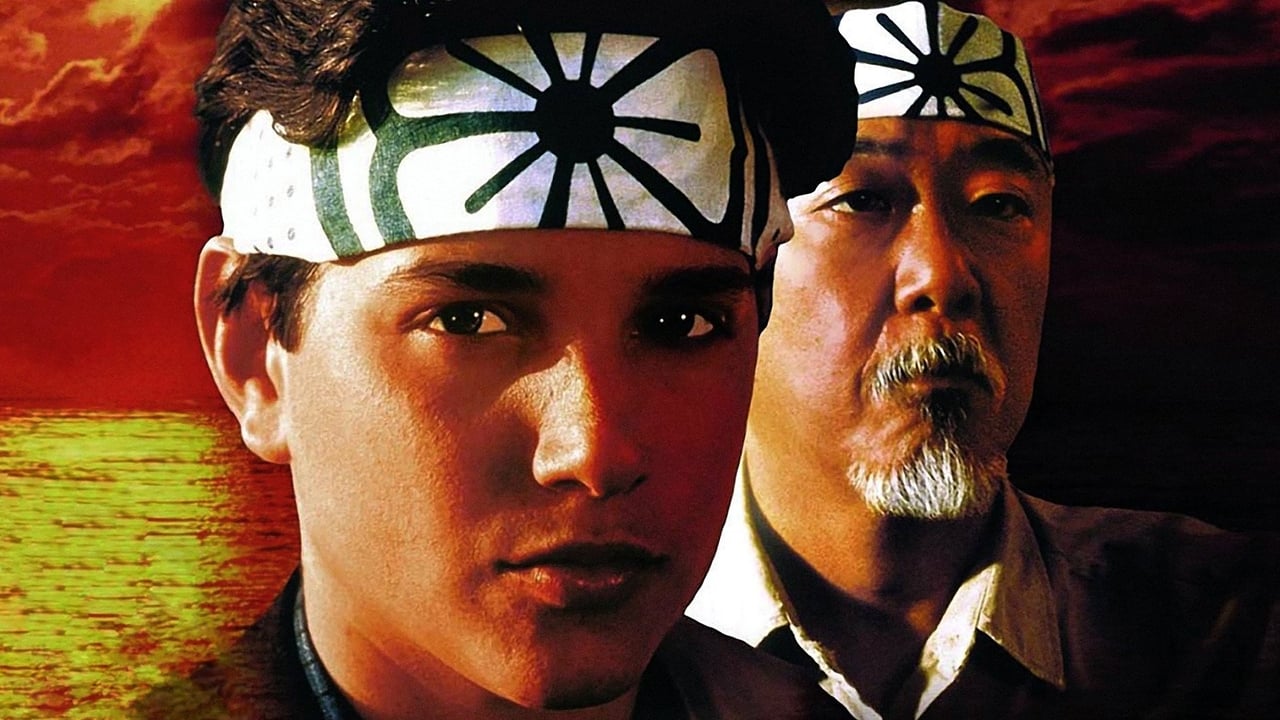
The genius of the film lies in the slow-burn relationship between Daniel and Mr. Miyagi. Pat Morita, who was primarily known as a stand-up comedian ("The Hip Nip") and Arnold on Happy Days, was a casting choice the studio fought tooth and nail. They wanted a "serious" actor, but Morita brings a weary, soulful dignity to the role that defines the entire movie. When he tells Daniel, "Look eye! Always look eye!" it’s not just a training tip; it’s a worldview.
The production was a massive gamble that paid off in ways Columbia Pictures never expected. Produced for a modest $8 million, it raked in over $130 million domestically. Adjusted for inflation, that’s about $380 million today—colossal numbers for a film about a kid doing chores for an old man. It even required a special deal with DC Comics, who held the trademark for a character named "Karate Kid" in their Legion of Super-Heroes series; the studio had to include a thank-you in the credits just to keep the title.

Action with Consequence
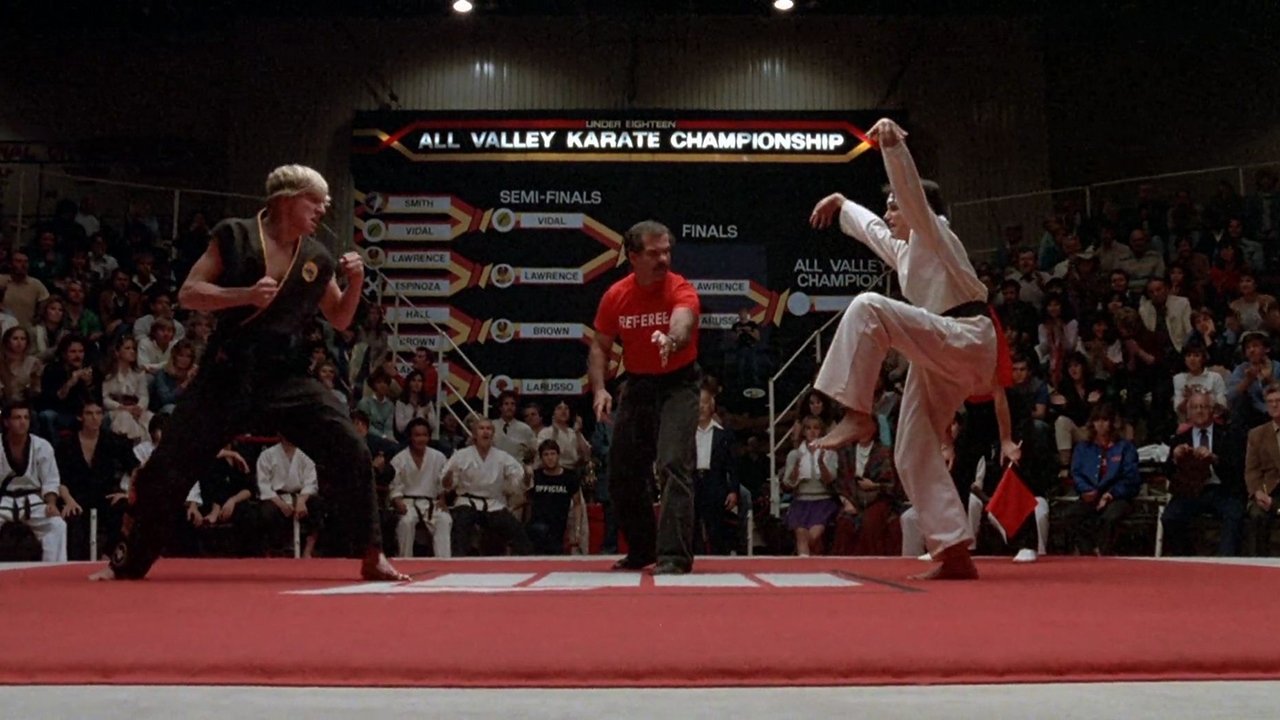
Unlike the hyper-stylized martial arts flicks of the era, the action here feels lived-in and painful. Choreographer Pat E. Johnson (who also plays the tournament referee) emphasized "practical" karate. There are no wire-stunts or superhuman feats. When William Zabka’s Johnny Lawrence—the ultimate 1980s quintessential bully—kicks Daniel in the ribs, you feel the air leave the room.
The Cobra Kai dojo, led by the terrifyingly intense Martin Kove, represents the dark side of the Reagan-era "win at all costs" mentality. Kove is so deliciously menacing as John Kreese that you almost forget he’s teaching teenagers. The fight scenes aren't just displays of athleticism; they are the resolution of a moral conflict. The truth is, Daniel is a bit of an instigator who starts several of the fights, but we root for him because the Cobra Kai response is always so disproportionately cruel.
The training sequences are legendary for a reason. The "Wax On, Wax Off" reveal is one of the most satisfying payoffs in cinema history. It turned mundane labor into a secret weapon, much to the chagrin of parents everywhere who suddenly found their children "training" on the family sedan. Interestingly, the famous yellow 1948 Ford Super Deluxe Daniel waxes was actually given to Ralph Macchio by the producers after filming; he still owns it to this day.
The VHS Legacy
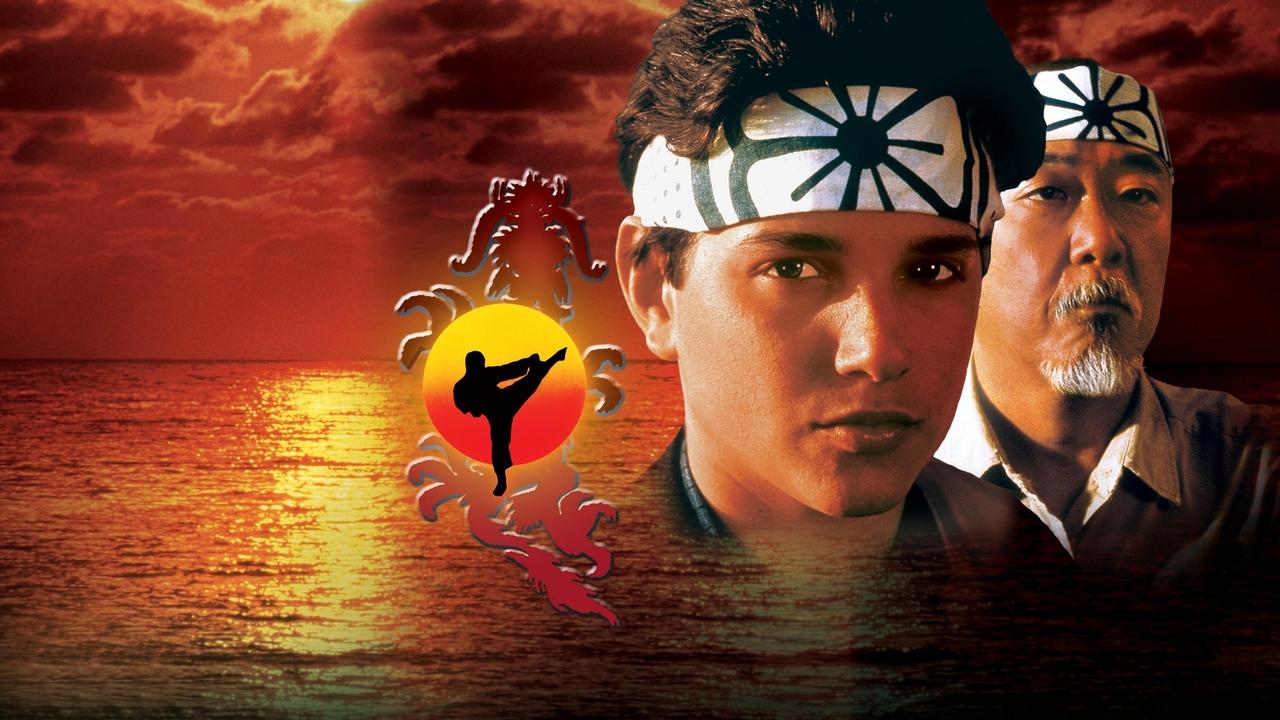
For those of us who grew up in the 80s and 90s, The Karate Kid was a staple of the home video revolution. I remember the specific texture of the Columbia Pictures VHS sleeve—the one with the white border and the sunset logo. It was a movie designed for the "rewind and repeat" era. We didn't just watch the final tournament; we studied it. We paused the tape to see if the crane kick actually landed (Macchio’s foot definitely clears William Zabka’s face by a few inches, but the sound design sells the impact).
The film also gave Elisabeth Shue her breakout role as Ali Mills. Shue actually put her studies at Harvard on hold to film this, and while her character is the "prize" in the classic 80s sense, she brings a groundedness that prevents the movie from becoming a total boy’s club.
The film isn't just about karate; it's about the search for a father figure and the struggle to find balance in a world that wants to "sweep the leg." It’s a masterpiece of pacing, moving from the gritty loneliness of a South Seas apartment complex to the neon-lit triumph of the Sports Arena. While the sequels grew increasingly cartoonish, the original remains a grounded, heartfelt piece of New Hollywood craftsmanship. It taught a generation that the secret to winning isn't in the hands, but in the heart—and maybe in a really well-timed crane kick.
Keep Exploring...
-
The Karate Kid Part II
1986
-
The Karate Kid Part III
1989
-
The Karate Kid
2010
-

Karate Kid: Legends
2025
-
The Fox and the Hound
1981
-
Rambo: First Blood Part II
1985
-

An American Tail
1986
-
The NeverEnding Story
1984
-

The Mission
1986
-
Rocky
1976
-
Raiders of the Lost Ark
1981
-
E.T. the Extra-Terrestrial
1982
-
First Blood
1982
-
Return of the Jedi
1983
-
Indiana Jones and the Temple of Doom
1984
-

Platoon
1986
-

Top Gun
1986
-
Black Rain
1989
-
Honey, I Shrunk the Kids
1989
-
Indiana Jones and the Last Crusade
1989