The Terminator
"Death doesn't blink."
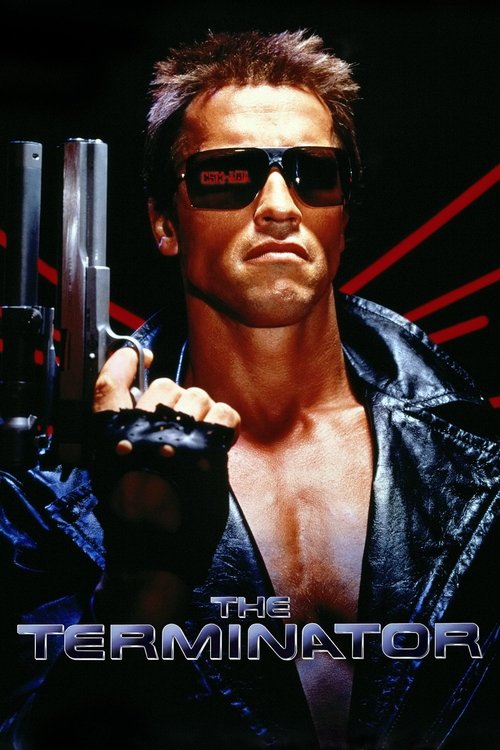
The nightmare began in a fever. While suffering from a high temperature in a dingy Roman hotel, a young, broke James Cameron (then known only for the disastrous Piranha II: The Spawning) saw a vision of a chrome torso emerging from an explosion, dragging itself across the floor with kitchen knives. Most people would have taken an aspirin and gone back to sleep. James Cameron wrote a script that would effectively dismantle and rebuild the action genre for the next four decades.
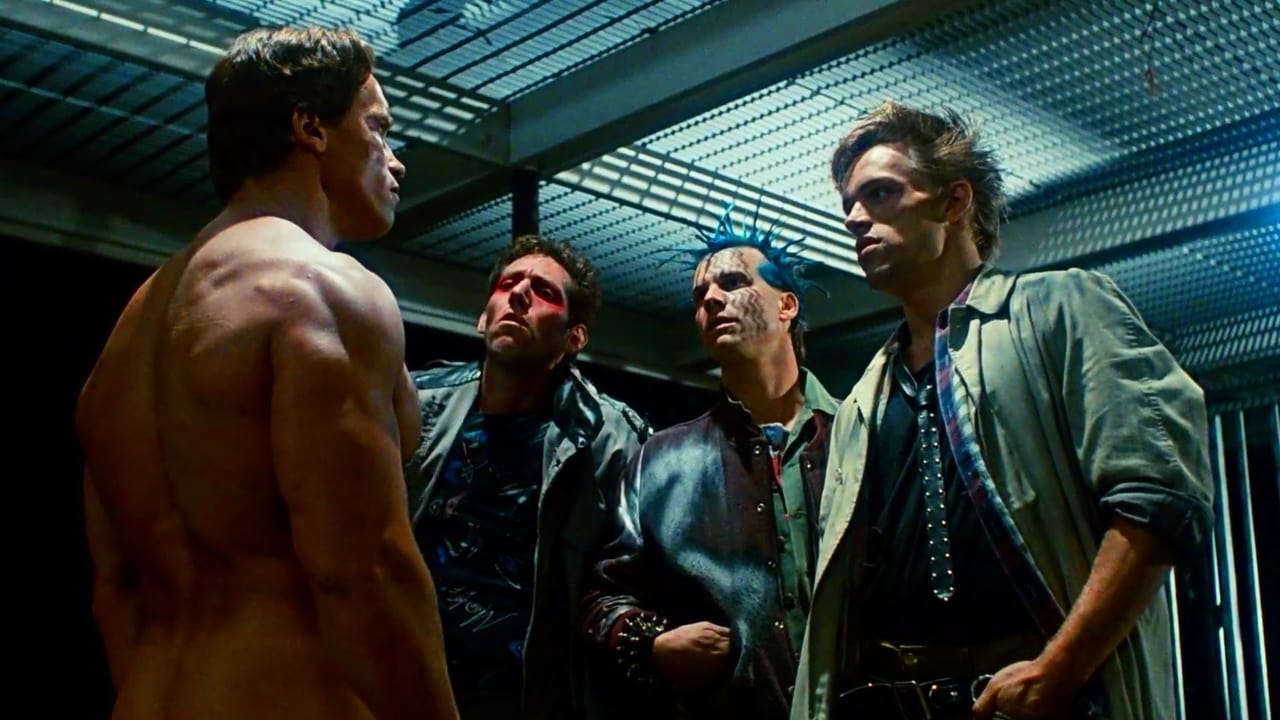
Watching The Terminator today, especially if you’ve been raised on the shiny, expensive bloat of modern blockbusters, is like getting hit in the face with a cold, wet chain. It is remarkably lean, mean, and utterly devoid of the "quippy" safety net that catches modern audiences when things get too intense. This isn't just a sci-fi movie; it’s a slasher flick where the masked killer happens to be a nuclear-powered cyborg from the year 2029.
The Grime of 1984
There is a specific texture to 1984 Los Angeles that James Cameron captures perfectly—a mix of neon lights, trash-strewn alleys, and a pervasive sense of urban decay. I recently revisited this on a display that was probably too high-definition for its own good, while eating a slightly burnt grilled cheese sandwich, and found myself missing the fuzzy, democratic blur of the old VHS rental days. There was something about the low-light cinematography of Adam Greenberg that felt more "real" when viewed through the scan lines of a CRT television.
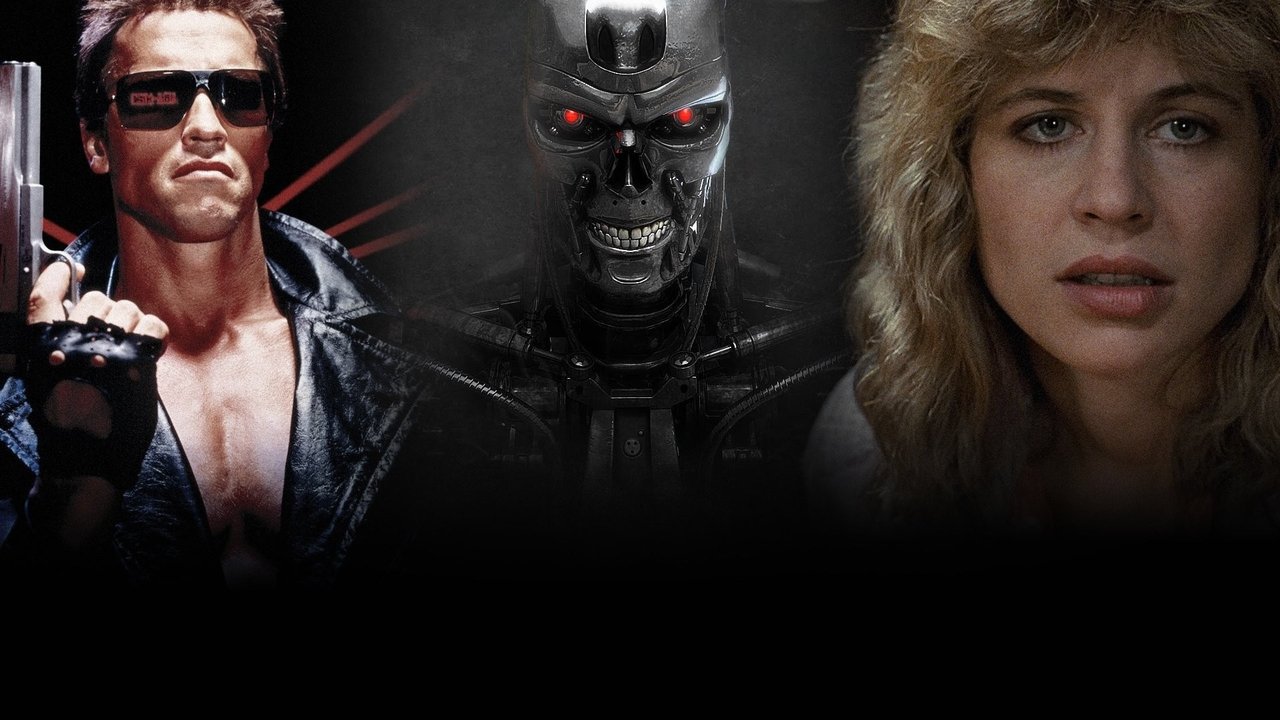
The plot is deceptively simple: A cyborg is sent back in time to kill Sarah Connor (Linda Hamilton), the future mother of a resistance leader. A lone human soldier, Kyle Reese (Michael Biehn), follows to protect her. What follows is a 108-minute pursuit that never lets you breathe.
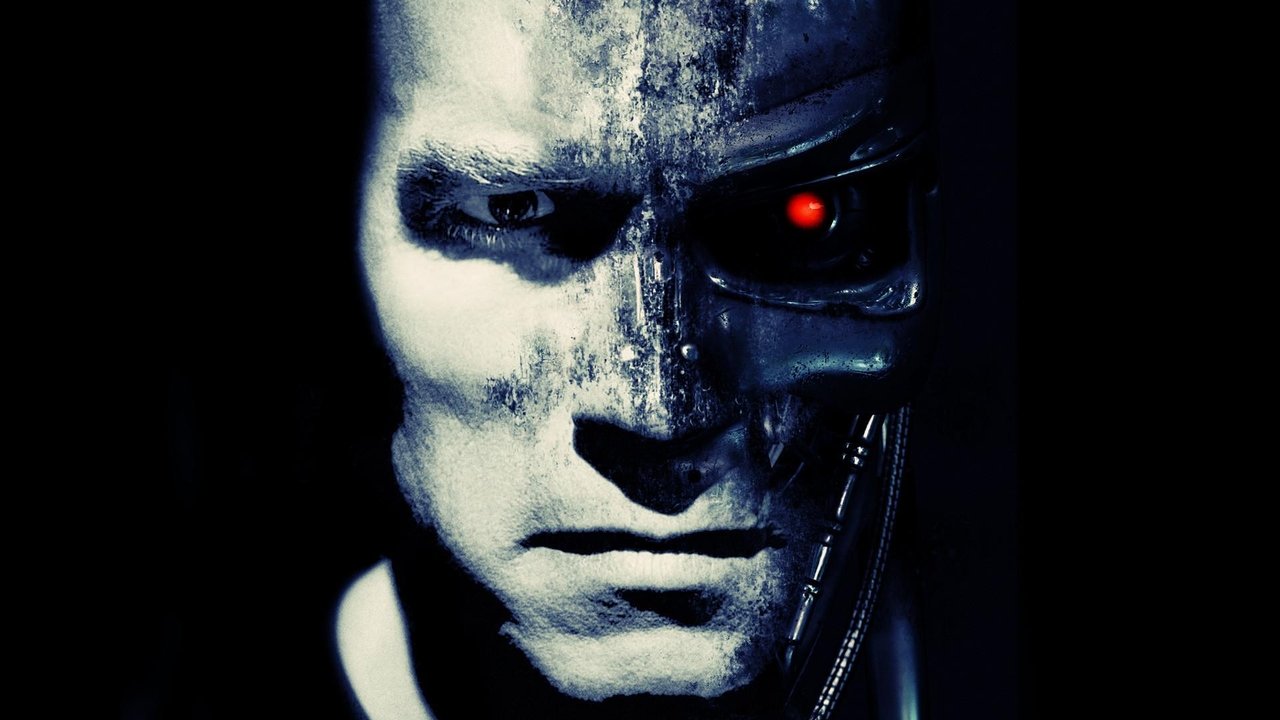
Arnold Schwarzenegger is, quite literally, the perfect casting choice here. In 1984, he wasn't yet the "lovable uncle" of the sequels; he was a terrifying, mountain-shaped void of empathy. His performance is a masterclass in physical presence through stillness. He doesn't blink. He doesn't breathe. He just moves forward. Schwarzenegger’s lack of traditional acting range at the time actually makes him more terrifying—he is a prop that knows how to aim a gun.
Practical Magic and Guerrilla Tactics
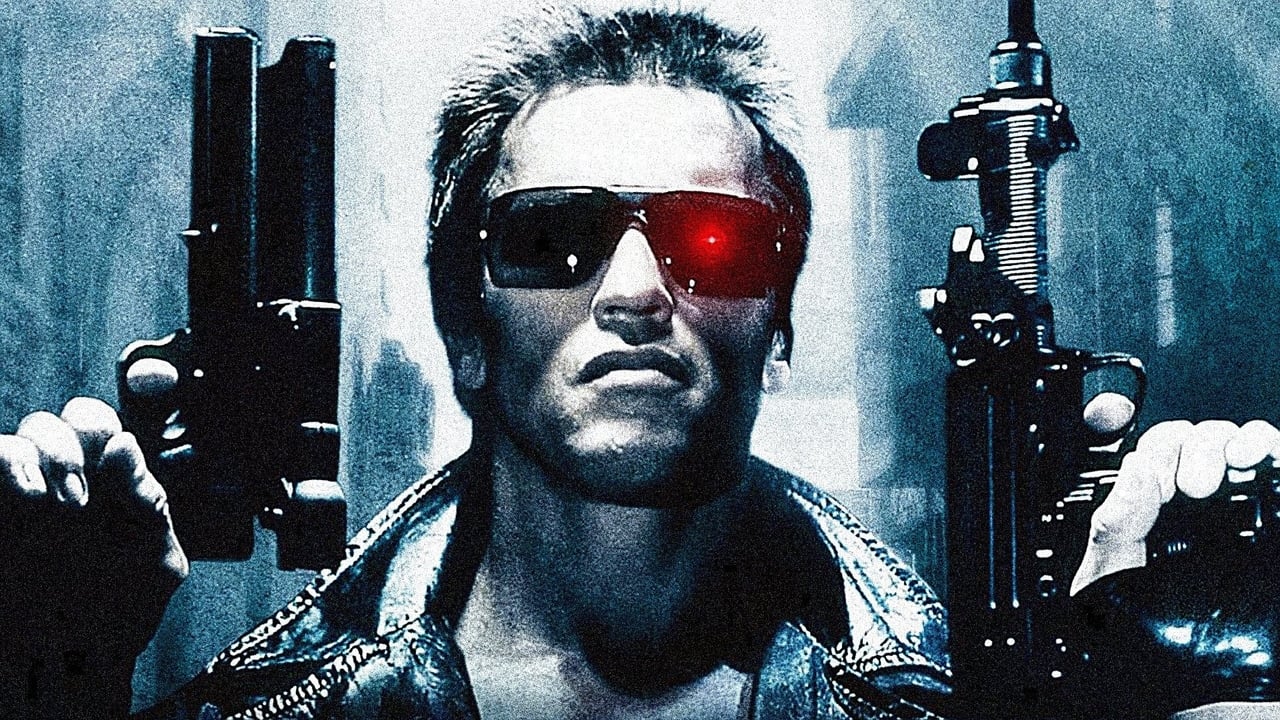
One of the most engaging aspects of The Terminator is how it was actually made. With a measly budget of $6.4 million, Gale Anne Hurd and James Cameron had to resort to what was essentially guerrilla filmmaking. They often shot scenes without permits, scurrying away before the police arrived. That final scene where the damaged Terminator is limping? That was filmed in the early morning hours with a skeleton crew just to avoid being shut down.
The effects work by Stan Winston (who also did the incredible makeup for Jurassic Park and Aliens) remains astounding because of its physical weight. When the Terminator cuts his own eye out in a bathroom mirror, it’s a puppet, but it’s a puppet with consequences. You can feel the metal beneath the rubber skin.
A few things I noticed on this rewatch that I’d forgotten:
Arnold Schwarzenegger only has about 74 words of dialogue in the entire film. He’s essentially a silent film villain with a shotgun. The iconic "I'll be back" line was almost "I'll come back." Arnold struggled with the contraction, but Cameron insisted on the punchier version. O.J. Simpson was famously considered for the role of the Terminator, but the producers thought he was "too nice" and wouldn't be believable as a killer. Talk about a choice that aged strangely. The metallic "clanking" sound in Brad Fiedel’s legendary score was actually created by hitting a cast-iron frying pan with a microphone. * Michael Biehn was so exhausted during filming that he actually fell asleep during the scene where he’s hiding in the stolen car with Linda Hamilton.
The Human Heart in the Machine
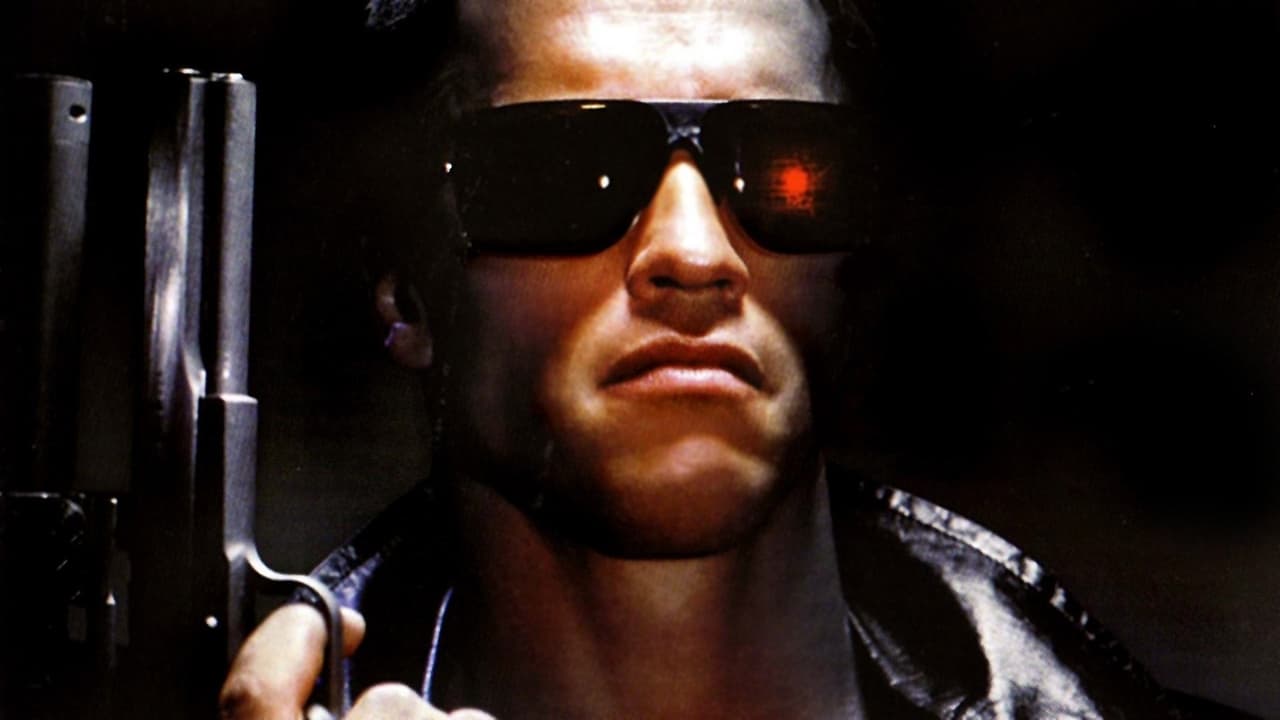
While Arnold gets the posters, the movie belongs to Linda Hamilton and Michael Biehn. Biehn’s Kyle Reese is a man vibrating with post-traumatic stress. He doesn't look like a typical 80s action hero; he looks like a guy who hasn't slept in three years and has forgotten what a cheeseburger tastes like. His chemistry with Hamilton is what gives the movie its stakes. If they don't fall in love, the world ends. It’s that simple.
Linda Hamilton’s transformation from a clumsy waitress who can’t balance a checkbook to the woman who crushes a metal monster in a hydraulic press is one of the most satisfying arcs in cinema history. She isn't born a warrior; she is forged in the fire of 1984 Los Angeles. By the time she drives off into the desert at the end, with a dog by her side and a storm on the horizon, you believe she can save the world.
The Terminator is a rare beast—a low-budget "B-movie" that accidentally became the blueprint for the modern blockbuster. It’s grittier than its sequels and holds a darkness that the later, more family-friendly entries lost. If you haven't seen it in a while, find the best copy you can (or a dusty VHS if you’re feeling nostalgic), turn out the lights, and let the metallic heartbeat of the score pull you in. It’s a reminder that you don't need $200 million to make a masterpiece; you just need a nightmare and the guts to film it.
Keep Exploring...
-
Terminator 2: Judgment Day
1991
-
Aliens
1986
-
The Abyss
1989
-

Predator
1987
-
Terminator 3: Rise of the Machines
2003
-

Star Trek II: The Wrath of Khan
1982
-
RoboCop
1987
-
True Lies
1994
-
The Running Man
1987
-
They Live
1988
-
Terminator Salvation
2009
-
Terminator Genisys
2015
-
Terminator: Dark Fate
2019
-
Commando
1985
-
Mad Max 2
1981
-
The Warriors
1979
-
Bloodsport
1988
-
Duel
1971
-
The French Connection
1971
-
Blade Runner
1982