This Is Spinal Tap
"The thin line between stupid and clever."
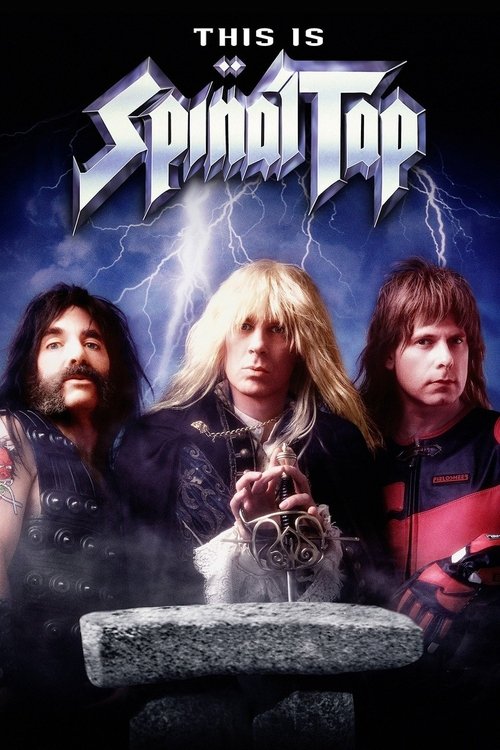
The first time I saw This Is Spinal Tap, I genuinely wasn't sure if I was watching a documentary about the world’s most incompetent band or a high-concept prank on the entire music industry. I watched it last night while wearing a pair of itchy wool socks that I’m 90% sure were actually meant for a small dog, which felt like the kind of wardrobe malfunction Nigel Tufnel would respect. That’s the magic of this film—it occupies a space so uncomfortably close to reality that it eventually circles back around to being the most honest movie ever made about rock and roll.
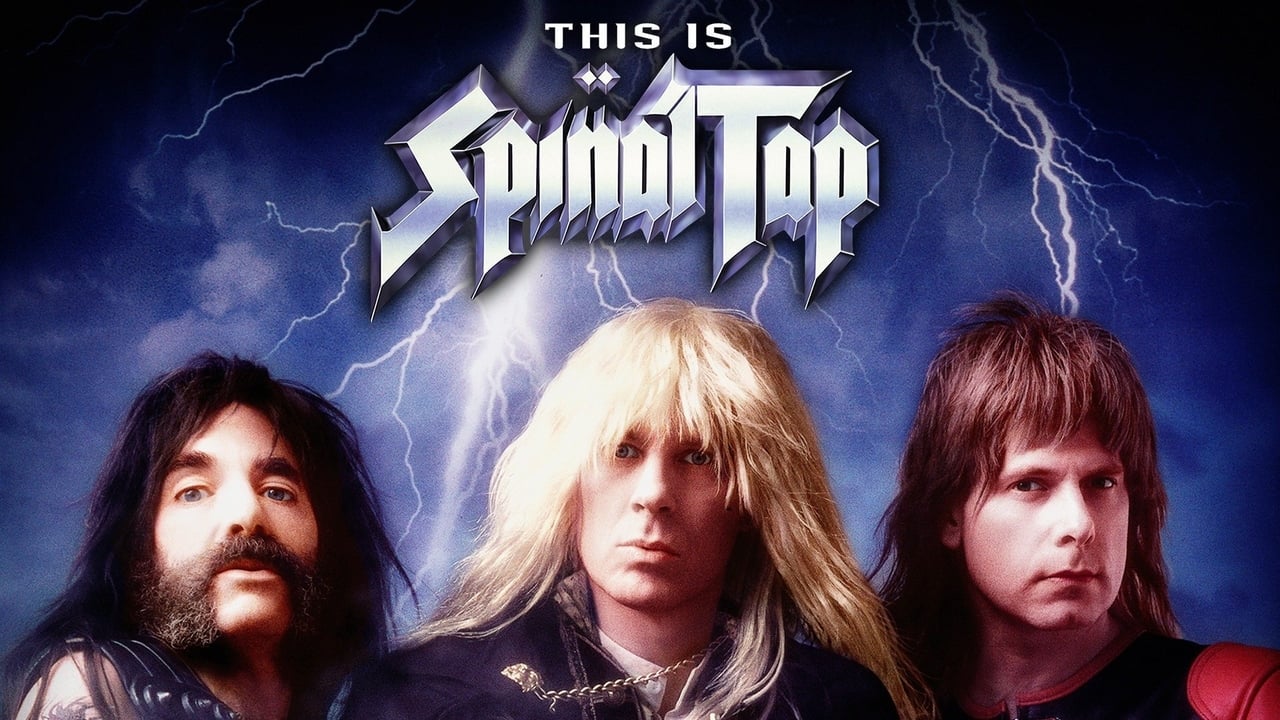
The Art of the Deadpan High-Wire Act
Most comedies from 1984 were loud. They were neon-soaked, synth-heavy, and practically screamed "Please laugh!" at the audience. But Rob Reiner (fresh off his All in the Family fame and about to embark on a legendary run including The Princess Bride) took a different route. He, along with Christopher Guest, Michael McKean, and Harry Shearer, opted for a style of comedy that felt dangerously quiet.
There was no traditional script—just a twenty-page outline and a lot of prayer. The actors improvised almost everything, staying in character for hours of footage. This "mockumentary" style wasn't just a gimmick; it was a necessity. Because they were working with a lean $2.5 million budget, they couldn't afford a massive studio production. Instead, they leaned into the low-fidelity look of a traveling film crew. The greatest trick this movie pulled was making us believe these idiots actually existed.
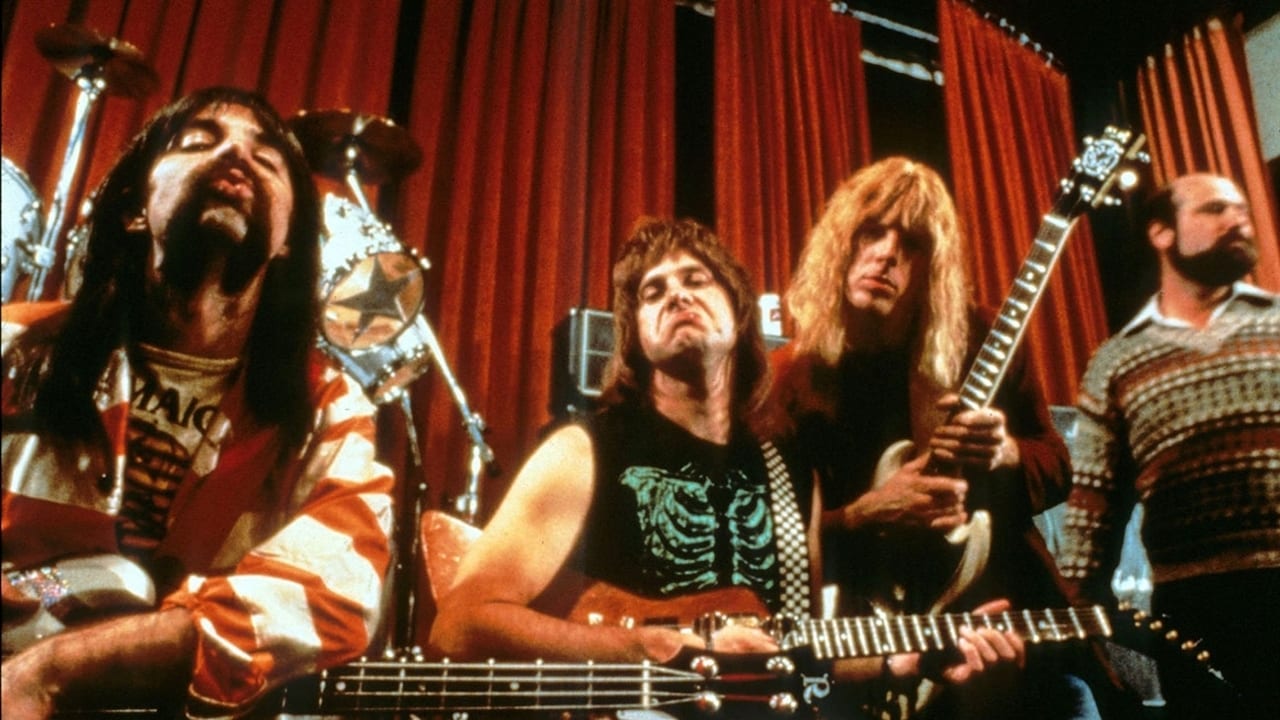
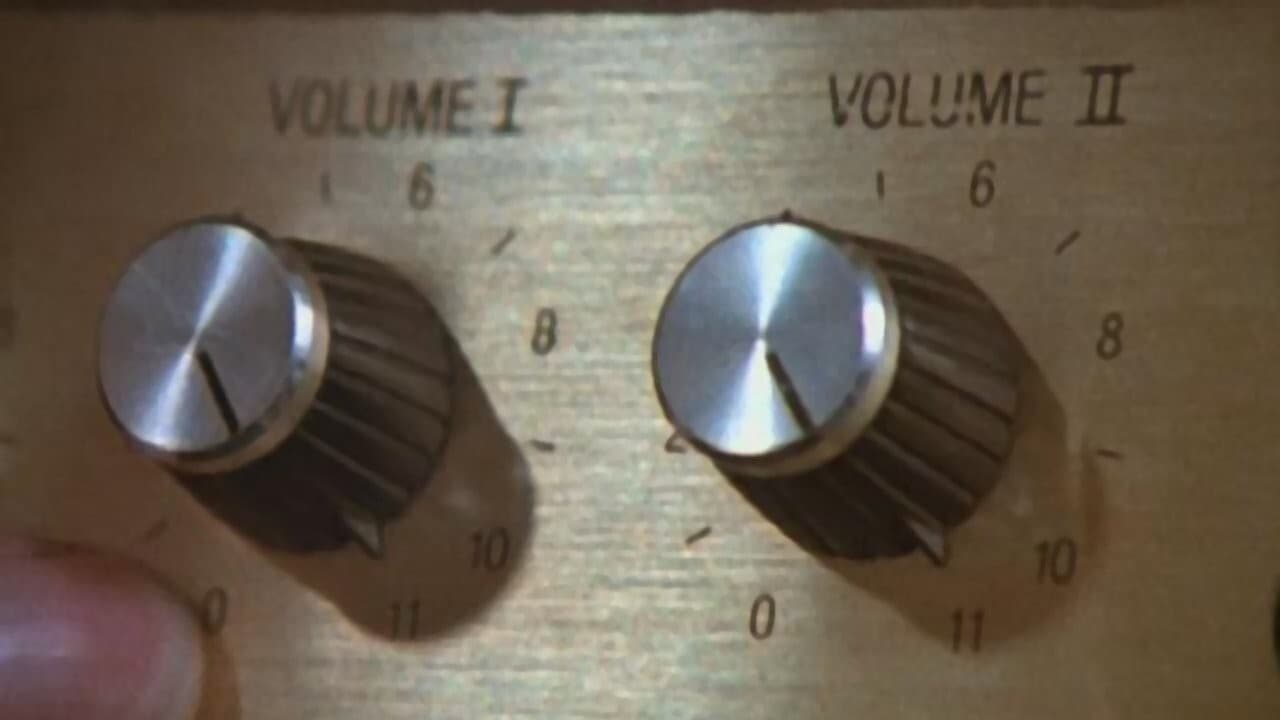
Christopher Guest as Nigel Tufnel is a masterclass in sincere stupidity. Whether he’s explaining why an amp that goes to eleven is better than one that goes to ten, or struggling with the physics of a miniature piece of bread, he never winks at the camera. He’s joined by Michael McKean as David St. Hubbins (the "intellectual" of the group) and Harry Shearer as Derek Smalls, the bassist who just wants everyone to get along while he gets stuck in a plastic pod.
From the Video Store to the Hall of Fame
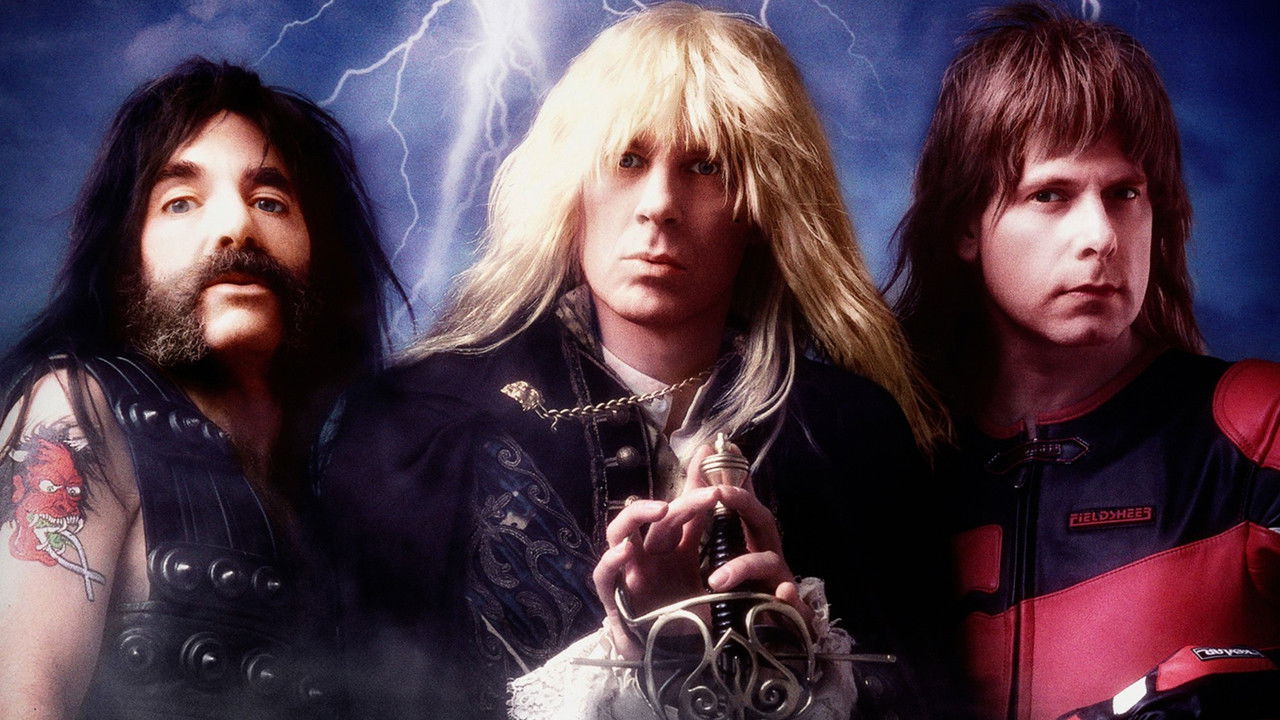
While it’s a legend now, This Is Spinal Tap wasn’t an immediate box office juggernaut. It found its true home on the shelves of local video stores, usually tucked between actual concert films by Led Zeppelin or Blue Öyster Cult. It became the ultimate "secret handshake" movie. You’d rent the Embassy Home Entertainment VHS, see the "None More Black" album cover gag, and immediately need to show it to someone else.
In the 1980s, the VHS revolution allowed fans to pause and find the tiny details that flew by in the theater. We could freeze the frame to read the hilariously bad song titles on the back of their albums or re-watch the "Stonehenge" disaster three times in a row to see Bruno Kirby’s priceless reaction as the limo driver. It’s a film that rewards the "obsessive viewer" culture that the home video era created. Heavy metal is fundamentally ridiculous, and this movie is the only thing honest enough to admit it.
The production stories are as legendary as the film itself. The famous Stonehenge mishap, where the band receives a prop that is 18 inches tall instead of 18 feet, was actually inspired by a real-life blunder involving Black Sabbath. The band members actually learned to play their instruments, meaning the "bad" music is performed with high-level technical proficiency—which is much harder to pull off than it looks. They shot over 24 hours of footage, and it took Rob Reiner and his editors months to find the "movie" hidden in all that improv.
The Sound and the Fury (and the Foil-Wrapped Zucchini)

What makes Spinal Tap work where other parodies fail is the affection at its core. Rob Reiner (playing the director Marty DiBergi) treats the band with the same reverence a documentarian might treat a dying species. The film captures the specific textures of 1980s rock: the spandex, the casual misogyny of the record industry (personified by the "Smell the Glove" cover controversy), and the inevitable "creative differences" sparked by a girlfriend joining the tour. June Chadwick is brilliantly frustrating as Jeanine, the Yoko-esque figure who suggests the band’s zodiac signs should dictate the stage lighting.
The film is also a technical marvel of comedic timing. Comedy is usually about the punchline, but Spinal Tap is about the silence after the punchline. It’s the three seconds of Nigel looking confused while trying to find the stage entrance in Cleveland. It’s the dead air during a radio interview where the DJ doesn't know who they are. It captures the fading glow of a band that was "once huge in Japan" but is now playing second fiddle to a puppet show at a theme park.
If you’ve ever been in a band, worked in an office with a clueless boss, or tried to follow a set of instructions that made no sense, this movie is for you. It’s a foundational text of modern comedy that birthed everything from The Office to Best in Show. Decades later, the amplifiers are still cranked, the drummers are still spontaneously combusting, and we’re all still trying to find that backstage door. Put it on, turn it up to eleven, and pray you don't get stuck in a pod.
Keep Exploring...
-

When Harry Met Sally...
1989
-
The Princess Bride
1987
-
The Blues Brothers
1980
-

A Christmas Story
1983
-
Police Academy
1984
-
After Hours
1985
-

Re-Animator
1985
-
Critters
1986
-
Evil Dead II
1987
-
Killer Klowns from Outer Space
1988
-

Heathers
1989
-

Life of Brian
1979
-
Police Story
1985
-
Stand by Me
1986
-
Women on the Verge of a Nervous Breakdown
1988
-

Bedknobs and Broomsticks
1971
-
The Apartment
1960
-

Lolita
1962
-
How the Grinch Stole Christmas!
1966
-
The Producers
1968