A Nightmare on Elm Street Part 2: Freddy's Revenge
"Freddy is looking for a brand new body."
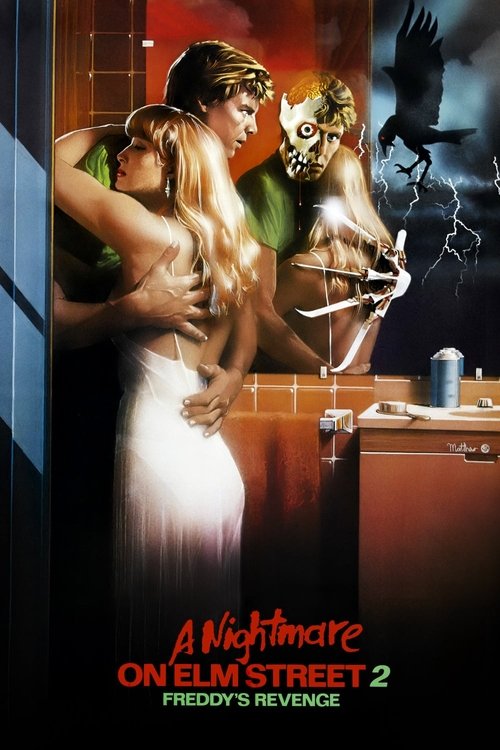
1985 was the year New Line Cinema realized they weren't just a distribution house; they were the architects of a house of pain built on a foundation of teenage insomnia. Following the runaway success of Wes Craven’s original masterpiece, the pressure to churn out a sequel was immense. But instead of playing it safe and repeating the "dream-logic slasher" formula, A Nightmare on Elm Street Part 2: Freddy's Revenge decided to drive the franchise bus straight off a cliff of surrealism and homoerotic subtext. It’s a fascinating, messy, and deeply misunderstood artifact of the mid-80s that proves sequels are often at their most interesting when they have no idea what they’re supposed to be.

A Departure from the Dreamscape
The most jarring thing about Freddy's Revenge—and the reason it remains the "black sheep" of the Elm Street family—is its blatant disregard for the rules Wes Craven established. Here, Freddy Krueger isn't content to stay in the boiler room of your subconscious. He wants into the real world, and he plans to get there by hitching a ride inside the psyche of Jesse Walsh, played with a high-strung, trembling intensity by Mark Patton.
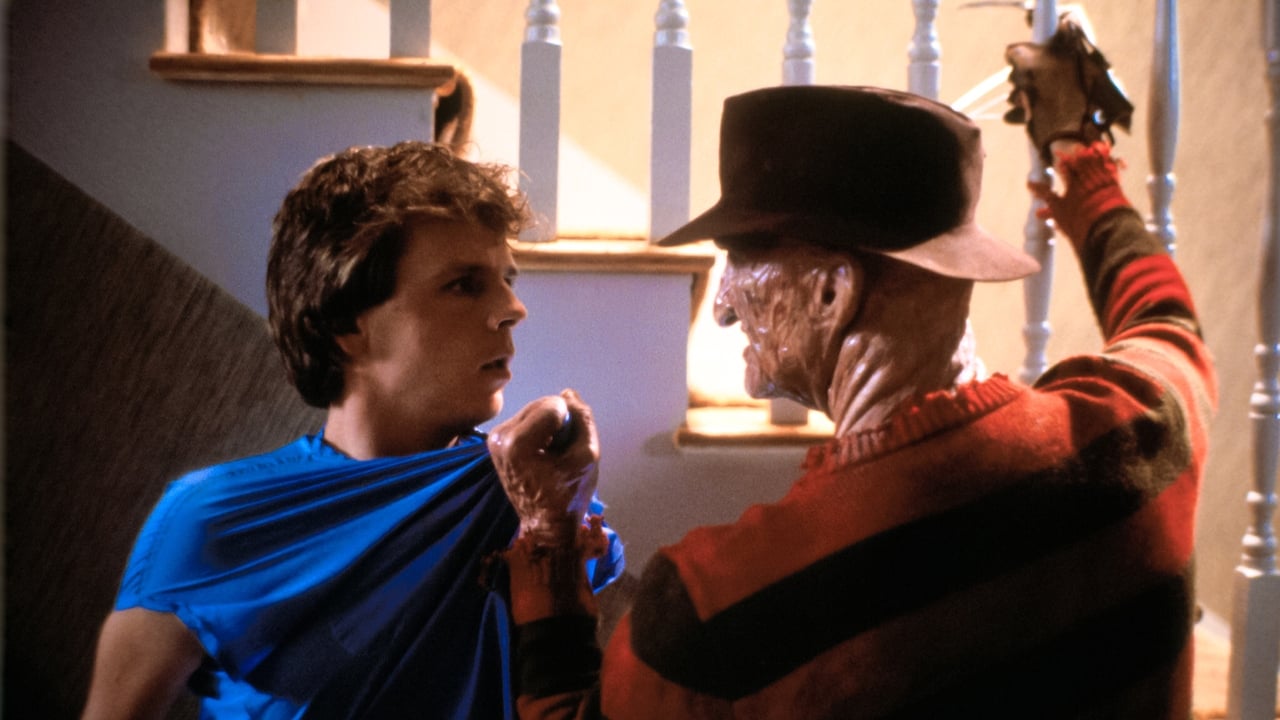
I watched this most recently on a laptop with a cracked screen that made Freddy’s claws look like they were actually scratching the LCD, and honestly, the added distortion only heightened the film’s fever-dream energy. Director Jack Sholder (who later gave us the cult gem The Hidden) treats the material less like a slasher and more like a possession movie. Jesse’s transformation isn’t just psychological; it’s a physical invasion. When Jesse’s hand starts turning into a clawed mitt, or when Freddy literally bursts out of the boy's chest, the film leans into body horror that feels more akin to Cronenberg than Carpenter. Mark Patton brings a level of raw, screaming vulnerability to the role that was entirely different from the "Final Girl" archetypes of the era. He’s not a hero; he’s a victim undergoing a terrifying puberty-adjacent metamorphosis.
The Golden Age of Latex and Goo
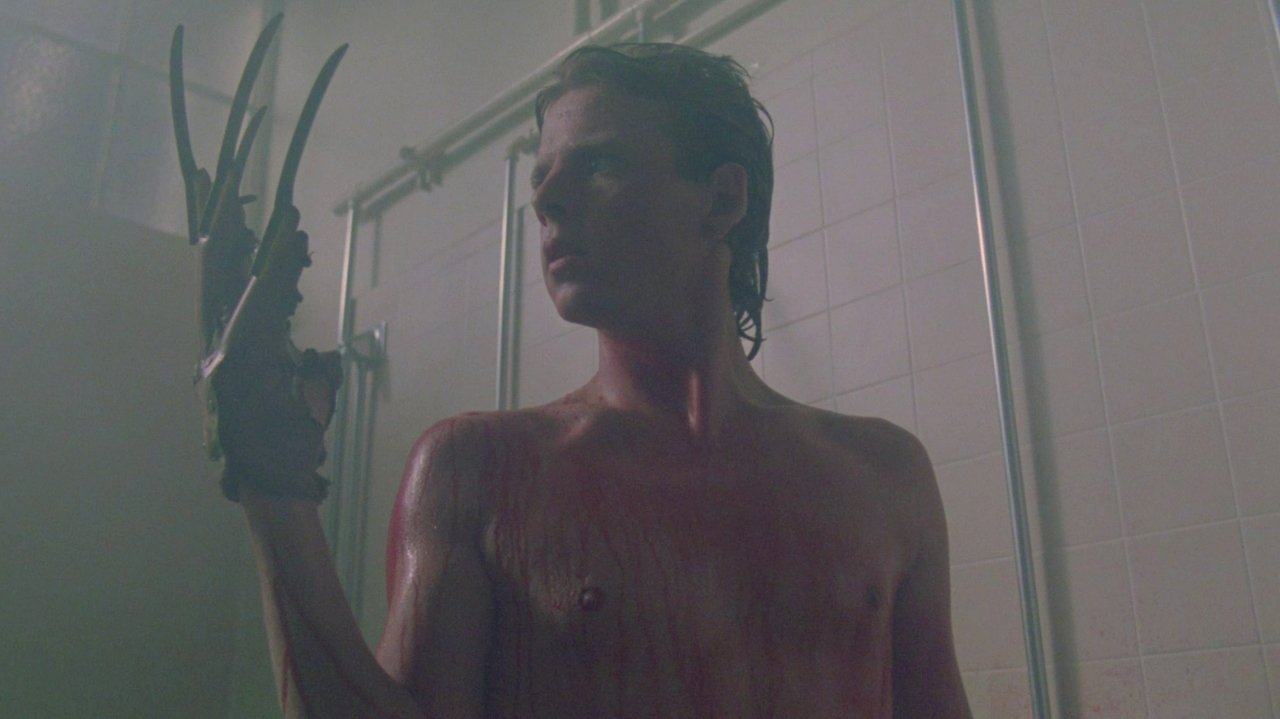
If you’re a fan of the Practical Effects Golden Age, this is your playground. While the script by David Chaskin might be polarizing, the work by makeup wizard Kevin Yagher is undeniable. This is arguably the best Freddy Krueger has ever looked. In the original, he was a shadowy figure; here, Robert Englund is given more room to prowl, and the makeup is more detailed, more charred, and more sinister. The scene where Freddy peels away Jesse’s skin from the inside is a masterclass in pre-CGI ingenuity. They really went and built a mechanical Freddy head to burst out of a man’s torso, and forty years later, it still looks more tactile and repulsive than a thousand digital pixels.
The film’s budget was a lean $3 million—a drop in the bucket compared to the blockbusters of 1985—but New Line knew how to stretch a dollar. They reused the house at 1428 Elm Street, but the real star of the production design is the industrial, sweltering basement of the Walsh house. The cinematography by Jacques Haitkin uses heavy shadows and high-contrast lighting to hide the seams of the low-budget sets, creating an atmosphere that feels perpetually sweaty. It’s an "ugly" movie in the best way possible, capturing that specific 80s grit before the franchise turned into a neon-soaked MTV circus.
The Subtext that Became the Text
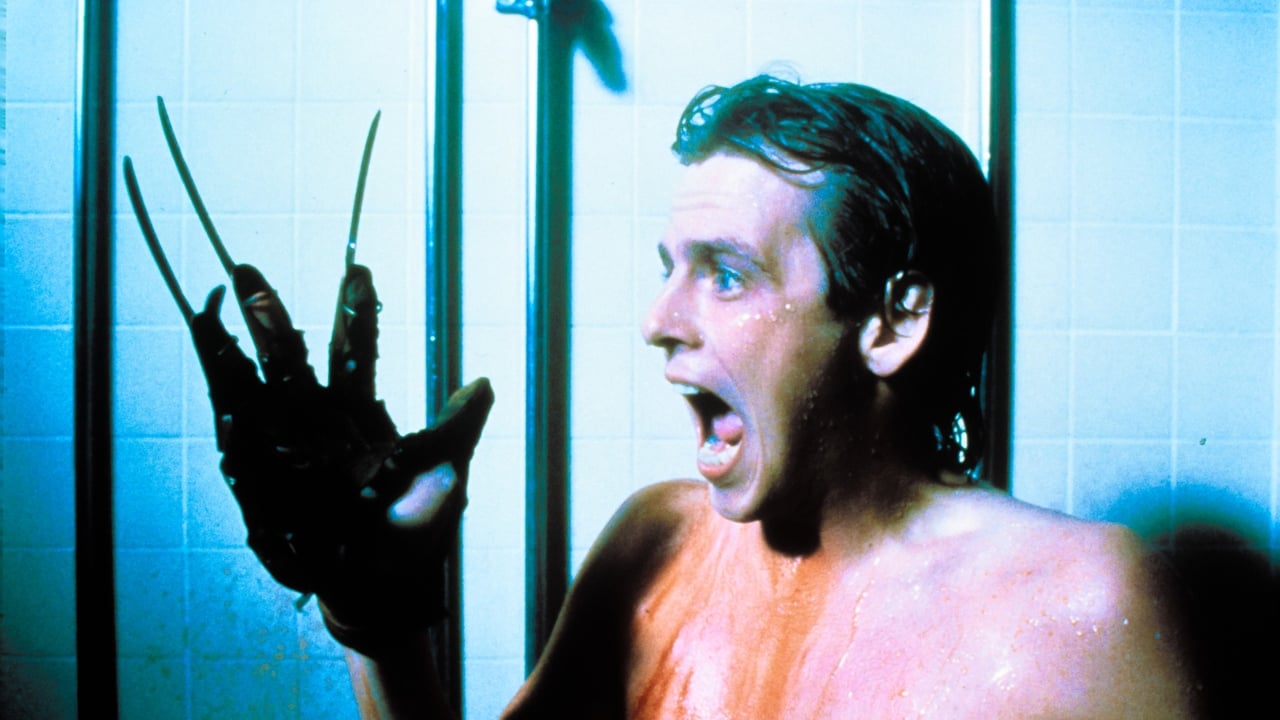
You can’t talk about Freddy's Revenge without discussing its reputation as one of the "queerest" horror movies ever made by a major studio. From the lingering shots of Jesse in his underwear to the leather-bar scene where he encounters his gym teacher, Clu Gulager, the film is dripping with metaphorical (and literal) "coming out" anxiety. For years, the filmmakers played coy about it, but Mark Patton has since become an icon for his portrayal of a character struggling with an internal "monster" that wants to burst out of the closet.
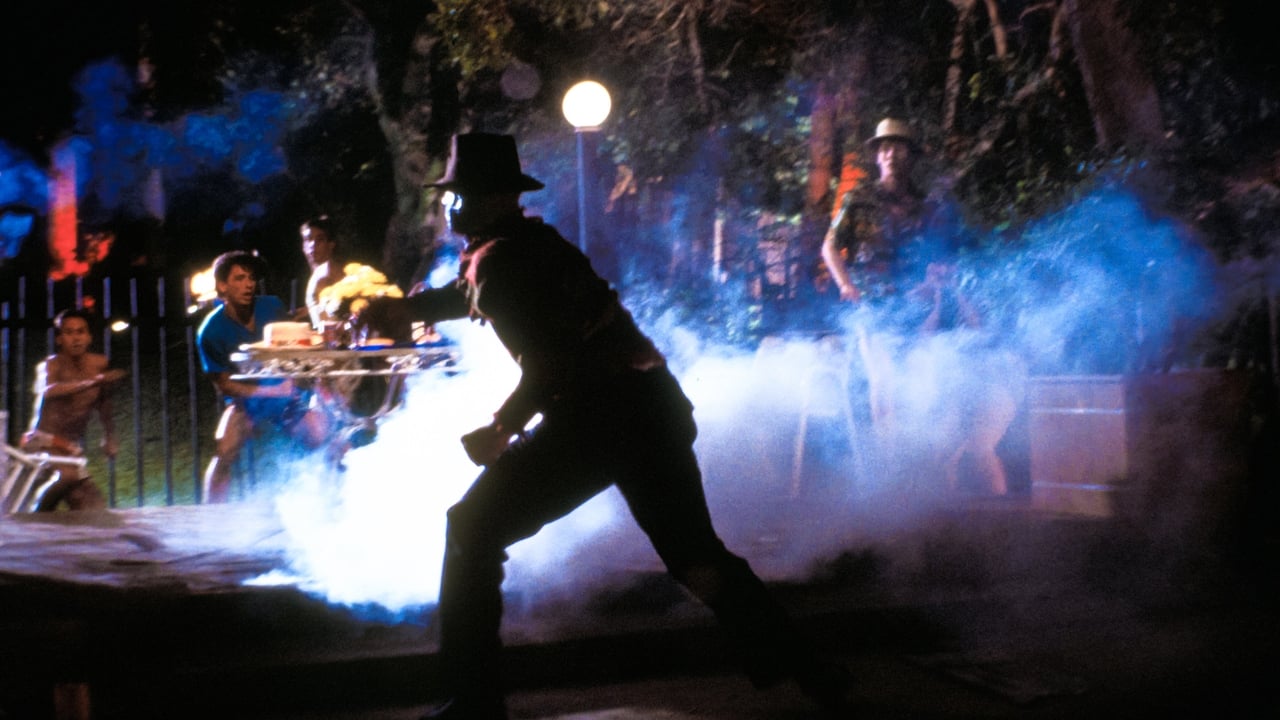
This subtext gives the film a weight that the later, pun-filled sequels lack. Even the "Final Girl" character, Lisa, played by Kim Myers (who looks uncannily like a young Meryl Streep), feels more like a supportive confidante than a romantic lead. The climax at the pool party—where Freddy manifests in the real world to terrorize a bunch of rich kids in swim trunks—is peak 80s absurdity. It’s basically a murderous rave that ends in a BBQ, and while it breaks every rule of the franchise, it’s undeniably entertaining. It’s the kind of bold, "what were they thinking?" filmmaking that could only happen in an era where independent studios were throwing spaghetti at the wall to see what stuck.
A Nightmare on Elm Street Part 2: Freddy's Revenge is a glorious anomaly. It’s the sound of a franchise finding its feet by tripping over its own shoelaces, yet it manages to be more memorable than half the sequels that followed. Between Robert Englund’s menacing presence and the genuinely unsettling body horror, it’s a must-watch for anyone who misses the days when horror movies felt dangerous, weird, and a little bit confused. It might not be the "purest" Nightmare, but it’s certainly the one that will keep you talking long after the credits roll.
Keep Exploring...
-
A Nightmare on Elm Street 3: Dream Warriors
1987
-
A Nightmare on Elm Street 4: The Dream Master
1988
-

A Nightmare on Elm Street
1984
-
New Nightmare
1994
-
Friday the 13th
1980
-
The Fog
1980
-
Halloween II
1981
-
The Howling
1981
-
Children of the Corn
1984
-
Critters
1986
-
The Texas Chainsaw Massacre 2
1986
-
Bad Taste
1987
-
Hellbound: Hellraiser II
1988
-
Killer Klowns from Outer Space
1988
-
Cannibal Holocaust
1980
-

Scanners
1981
-

The Hills Have Eyes
1977
-
The Amityville Horror
1979
-
Friday the 13th Part 2
1981
-
Friday the 13th Part III
1982