After Hours
"One night. No money. No way out."
The last time I watched After Hours, I was sitting in my apartment with a radiator that wouldn’t stop clanking—a rhythmic, metallic thud that sounded like a radiator-shaped heart failing. I was also eating a bowl of Corn Flakes that had gone slightly stale, and honestly, that mild sense of domestic decay was the perfect seasoning for Martin Scorsese’s 1985 urban nightmare. This isn’t just a movie; it’s a high-velocity panic attack captured on 35mm.
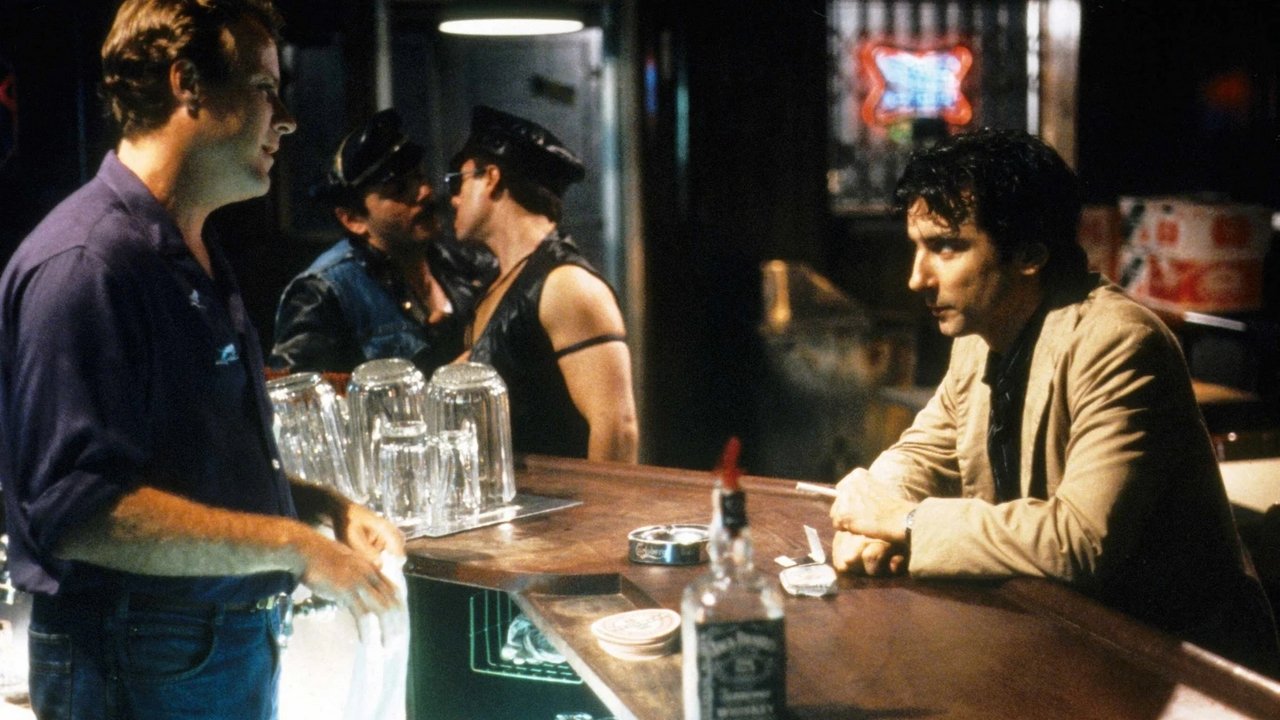
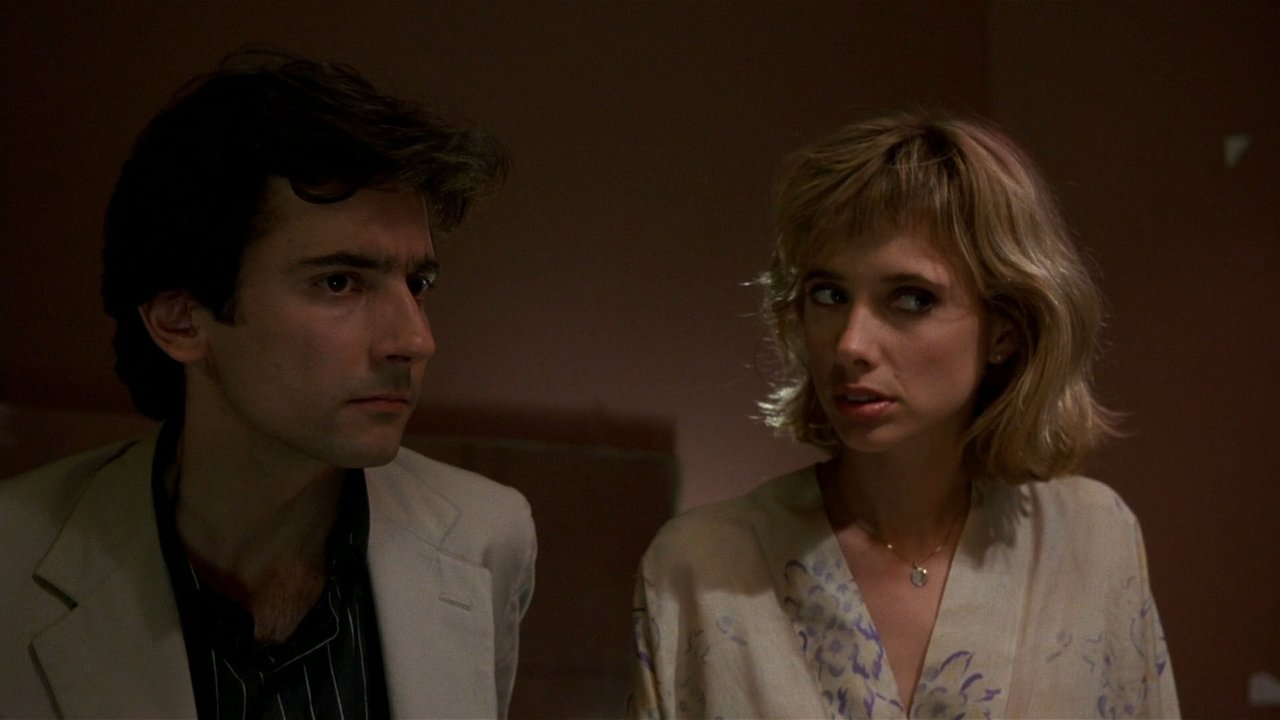
The film follows Griffin Dunne as Paul Hackett, a midtown word processor who lives a life of beige cubicles and fluorescent humming. Seeking a spark of life, he heads downtown to Soho to meet Marcy (Rosanna Arquette), a mystery woman he met in a coffee shop. What follows is a descent into a secular hell where the universe conspires to keep Paul from ever seeing the sun again.
The Urban Labyrinth
Scorsese famously took on this project after the initial collapse of his dream production, The Last Temptation of Christ. You can feel that frustrated, frantic energy in every frame. It’s a lean, mean, independent production that cost about $4.5 million—a pittance compared to the sprawling epics he’d eventually become known for. This lack of budget forced a jagged, kinetic creativity. Martin Scorsese uses the camera like a weapon here; it whips across rooms and zooms into inanimate objects with a predatory intensity.
The Soho of 1985 portrayed here isn't the sterilized, luxury-boutique outdoor mall it is today. It’s a gritty, shadowy maze of industrial lofts, scrap metal art, and characters who seem to exist only between the hours of midnight and 6:00 AM. Griffin Dunne is absolutely stellar as the "straight man" whose sanity slowly erodes. His performance is a masterclass in escalating exasperation. By the time he’s pleading with a mob of neighborhood watch vigilantes, you realize Paul Hackett is essentially the Charlie Brown of the New York underground, and the world is one giant football being pulled away at the last second.
A Masterclass in Escalating Dread

While the film is often categorized as a dark comedy, the "Dark/Intense" modifier is what truly drives the engine. There is a genuine sense of existential dread in Paul’s journey. Every person he meets—from the bored waitress Julie (Teri Garr) to the leather-clad Kiki (Linda Fiorentino) and the eccentric June (Verna Bloom)—offers a different flavor of entrapment. They aren't just "wacky" characters; they are obstacles in a psychological gauntlet.
The script, written by Joseph Minion (who was a film student at Columbia at the time), is a miracle of tight plotting. It’s Kafkaesque in the truest sense—the rules of the world change just as Paul learns them. One of the film's most disturbing moments involves a monologue about a burn victim, which was actually lifted almost verbatim from a radio monologue by Joe Frank. It’s a tonal shift that reminds you this isn't a "fun" night out; it’s a movie about the fragility of our civilized lives. The film suggests that the distance between a stable career and being a hunted animal is exactly one lost twenty-dollar bill.
The Indie Pivot of a Master
From a production standpoint, After Hours is a testament to what a master director can do when their back is against the wall. Michael Ballhaus, the cinematographer, gives the film a slick, saturated look that feels like it’s being illuminated by a dying neon sign. The practical effects—like the "plaster man" sculpture Paul eventually hides inside—have a tactile, grimy quality that CGI could never replicate. That sculpture was a real, heavy prop that Griffin Dunne had to be encased in, adding a very real sense of claustrophobia to his performance.
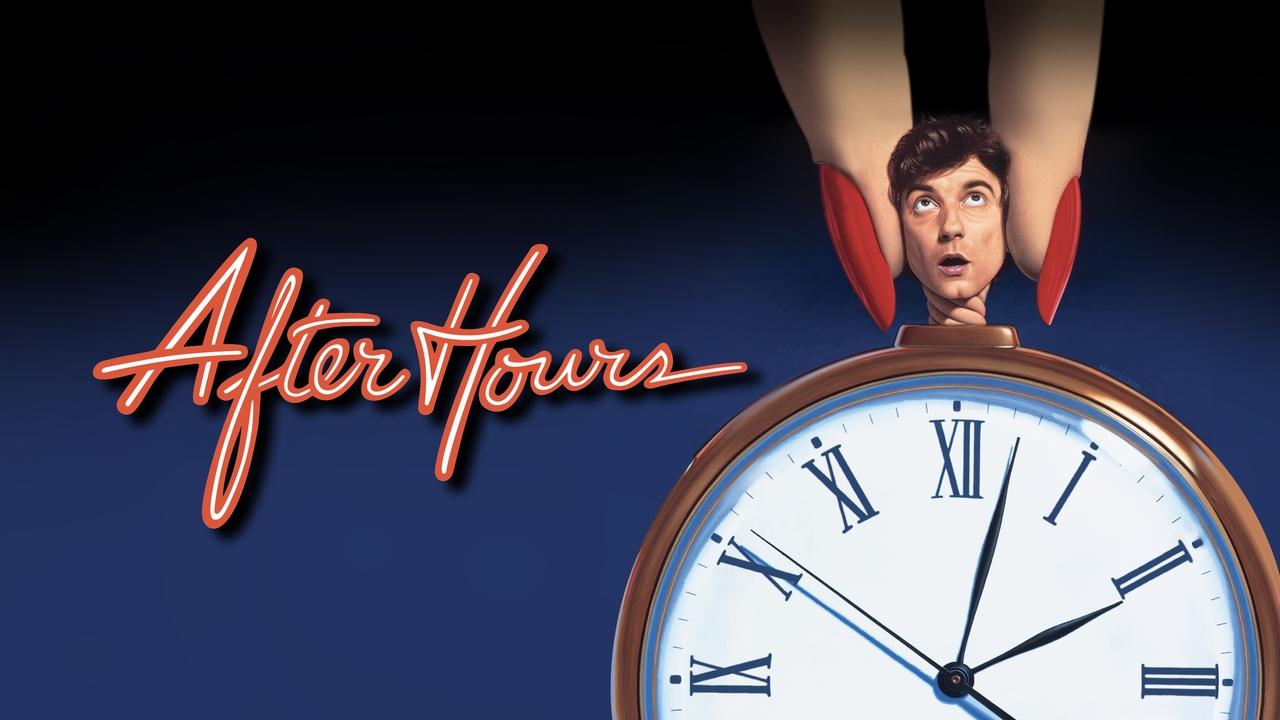
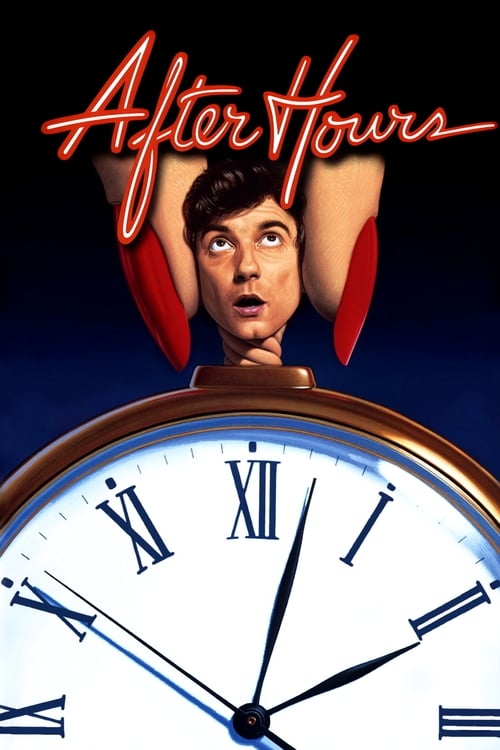
I remember seeing the VHS box for this in the "Comedy" section of my local rental haunt, right next to Ghostbusters. The cover art, showing Paul looking harried in front of a giant clock, promised a zany romp. But for those of us who brought it home, it was a bait-and-switch of the best kind. It was our introduction to the "Midnight Movie" aesthetic—films that felt like they were made for people who didn't sleep, for the outsiders and the anxious. It’s the kind of movie that makes you want to double-check that your keys are in your pocket the moment the credits roll.
The beauty of After Hours is that it never lets Paul (or us) off the hook. It’s a relentless, beautifully shot, and deeply cynical look at urban alienation. It remains the ultimate "bad night" movie, proving that sometimes, the most terrifying thing in the world isn't a slasher in the woods, but the simple inability to get a cab home. If you've ever felt like the universe was personally offended by your existence, this is your cinematic soulmate.
Keep Exploring...
-
Mean Streets
1973
-
The King of Comedy
1982
-
What Ever Happened to Baby Jane?
1962
-
In the Heat of the Night
1967
-

Taxi Driver
1976
-
Peeping Tom
1960
-

Repulsion
1965
-
Blow-Up
1966
-
Straw Dogs
1971
-
Fist of Fury
1972
-
Murder on the Orient Express
1974
-
Blood Simple
1985
-
Bloodsport
1988
-
The Lost Boys
1987
-
The Last Temptation of Christ
1988
-

Kickboxer
1989
-
Blade Runner
1982
-
WarGames
1983
-
Clue
1985
-
Witness
1985