Blood Simple
"In Texas, even the shadows bleed."
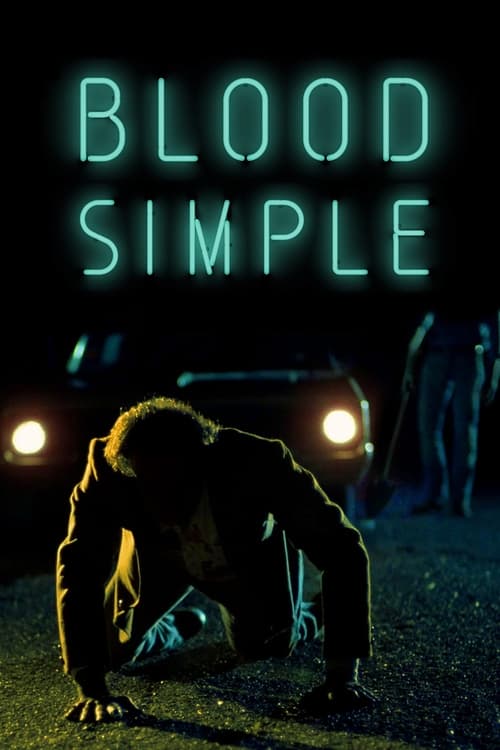
There is a specific kind of Texas humidity that doesn’t just make you sweat; it makes you lose your mind. You can feel it in the opening frames of Blood Simple, a film that arrived in 1985 like a bucket of cold, muddy water to the face of the American thriller. While the rest of the mid-80s was busy with neon-soaked synthesizers and high-concept action, Joel and Ethan Coen were out in the dirt, crafting a clockwork nightmare where nobody knows what the hell is actually going on. I watched this last Tuesday while struggling to peel a hard-boiled egg that just wouldn't cooperate, the shell coming off in tiny, frustrating shards, and that felt strangely appropriate for a movie about people failing at even the simplest of tasks.
The Grimy Geometry of a Double-Cross
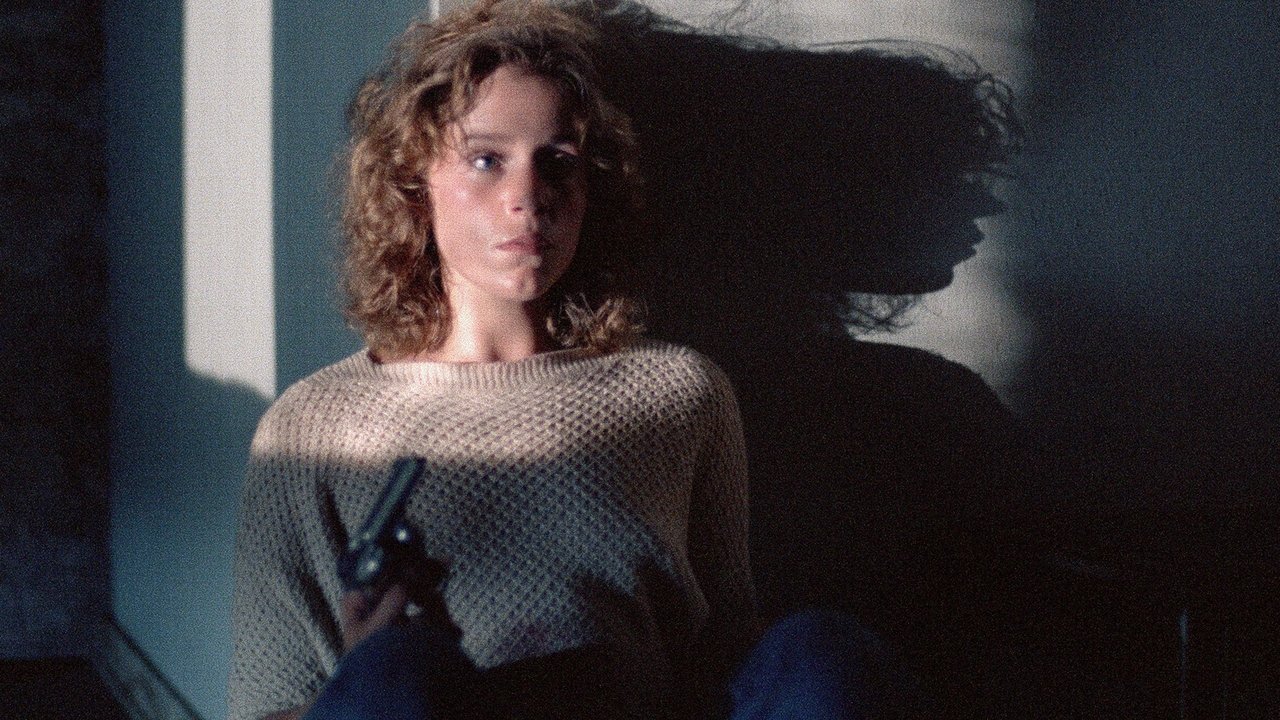
The plot is ostensibly a noir staple: a jealous bar owner, Julian Marty (Dan Hedaya), discovers his wife, Abby (Frances McDormand in her screen debut), is sleeping with one of his bartenders, Ray (John Getz). He hires a sleazy private investigator to kill them. It sounds like a "simple" plan—hence the title, borrowed from Dashiell Hammett—but the Coens aren't interested in a clean getaway. They are interested in the "clumsy" nature of evil.
What makes Blood Simple so agonizingly effective is the lack of information shared between the characters. We, the audience, are the only ones who see the whole board. We watch as John Getz discovers a body and, through a series of perfectly logical but entirely wrong assumptions, makes his own life a living hell. Ray is the most frustratingly competent idiot in cinema history. He tries to do the "right" thing for the woman he loves, but because he’s operating on 10% of the facts, every move he makes is like stepping on a rake in the dark.
Dan Hedaya is phenomenal here as the scorned husband. He’s not a mastermind; he’s just a mean, sweaty man with a bar and a grudge. His physical performance—the way he carries his spite like a physical weight—makes the inevitable violence feel earned rather than gratuitous.
Practical Shadows and CRT Textures
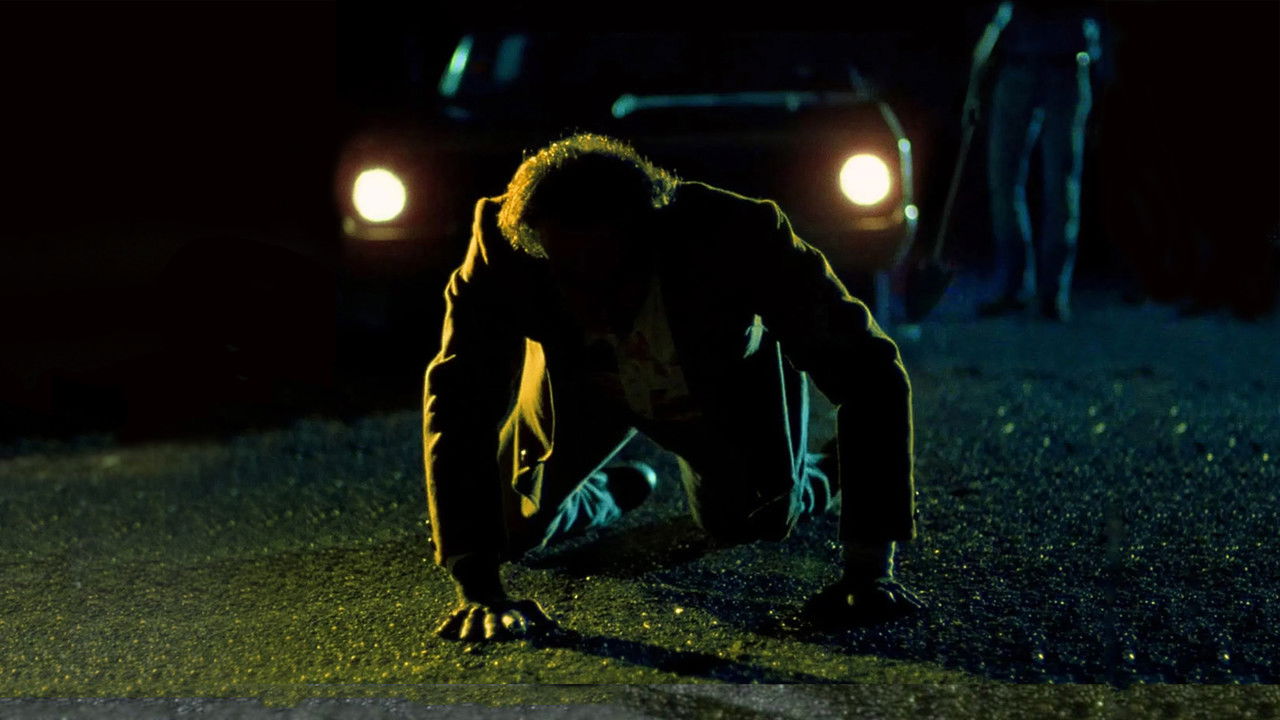
Before he was directing Men in Black, Barry Sonnenfeld was the cinematographer who helped define the Coen aesthetic. In Blood Simple, the camera is a character. It doesn't just observe; it prowls. There’s a famous shot where the camera tracks across the top of a bar, never breaking its glide even when it has to hop over a passed-out drunk. It’s showy, sure, but it captures the lethargy of the setting.
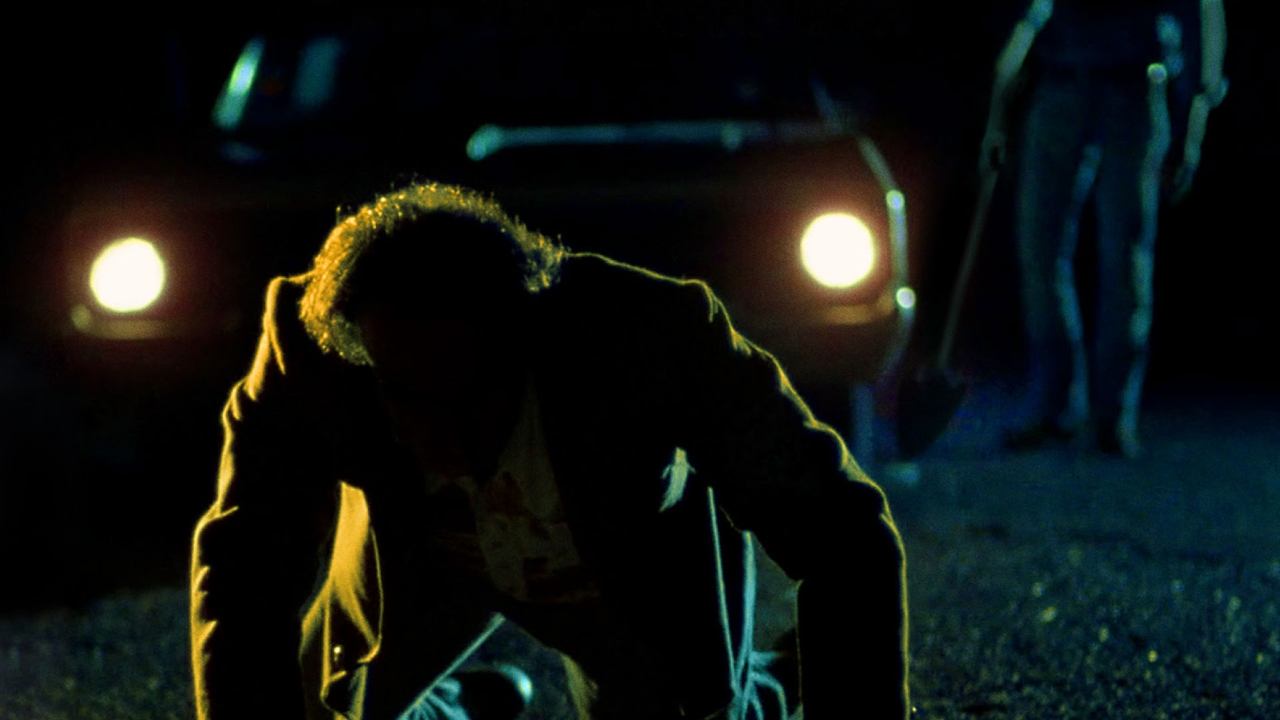
For those who first discovered this on a rental shelf, Blood Simple was a staple of the "Special Interest" or "Cult" sections. I remember the specific texture of the MCA Home Video release; the way the deep blacks of the Texas night would bleed into a grainy purple on an old CRT television, making the shadows feel even more oppressive. The practical effects are remarkably tactile. When a character's hand is pinned to a window frame with a knife, you don't just see it—you feel the wood grain and the cold steel. There’s no CGI to soften the blow. It’s just blood, sweat, and the mechanical whir of a ceiling fan that sounds like a heartbeat.
The score by Carter Burwell is equally minimalist and haunting. It’s mostly just a few lonely piano notes and a low, industrial hum. It’s the sound of a bad decision echoing in a large, empty room.
The Visser Factor: M. Emmet Walsh’s Masterclass
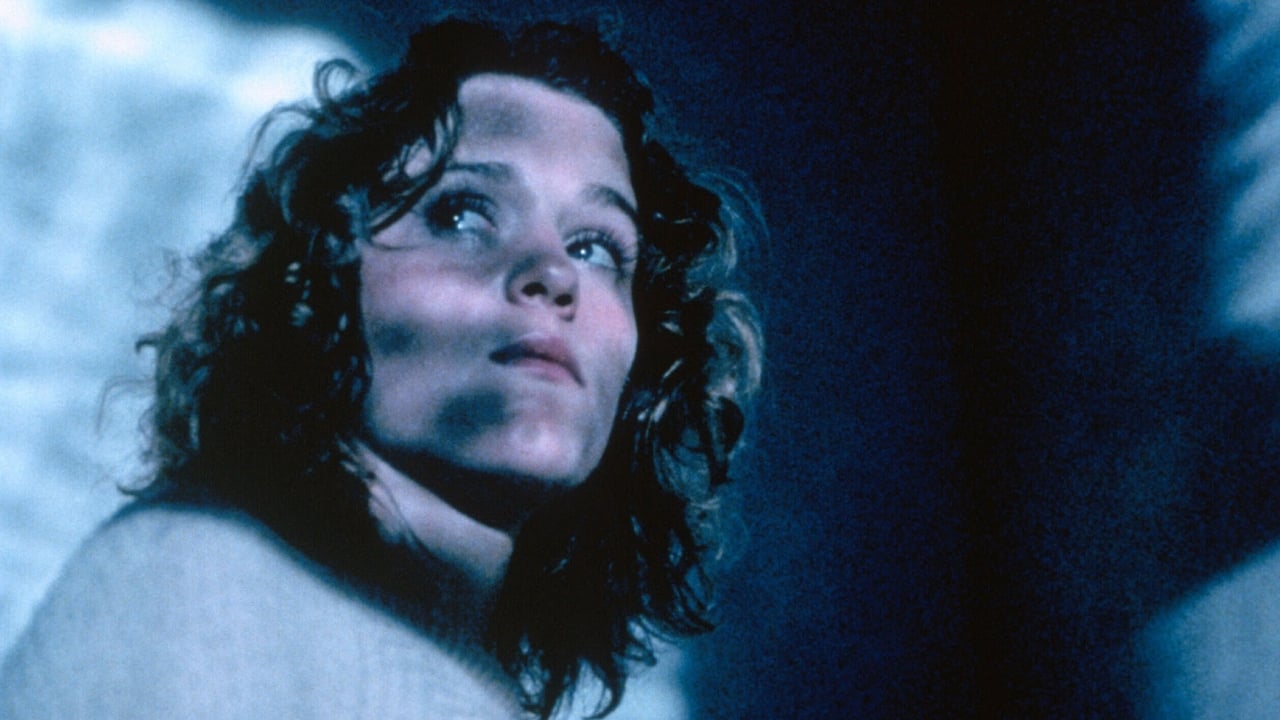
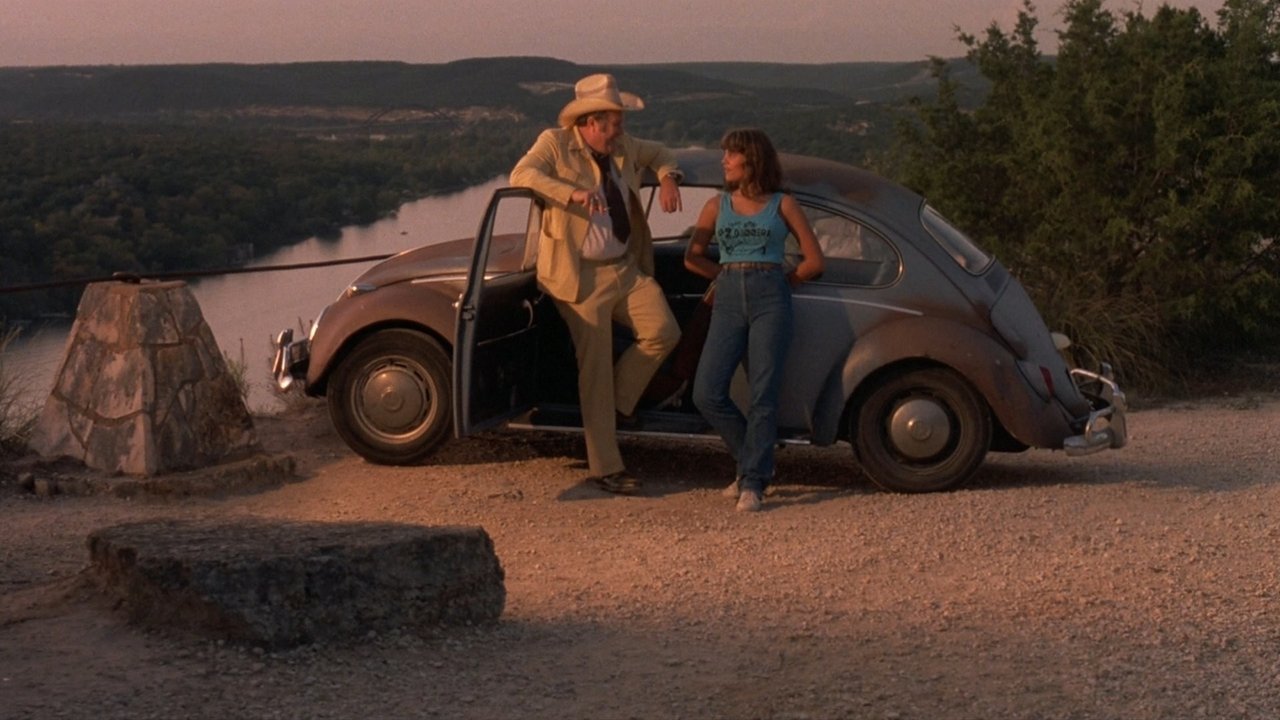
We have to talk about M. Emmet Walsh. As the private investigator, Visser, he is the moral vacuum at the center of the film. Dressed in a sweat-stained yellow suit and driving a Volkswagen Beetle that looks like it’s held together by spite, Walsh creates a villain who is both hilarious and terrifying. He’s a man who has seen it all and decided that none of it matters as long as he gets paid.
His opening monologue about the difference between Russia and Texas sets the tone for the entire movie. In Texas, you're on your own. Walsh’s laugh—a wet, wheezing sound—is the soundtrack to the film's climax. He represents the "New Hollywood" transition perfectly: a character actor given the space to be truly, deeply weird. The final confrontation in the apartment, bathed in the light of a flickering neon sign, is a masterclass in suspense. The Coens turned a bathroom sink into a source of existential dread, and I’ve never looked at a plumbing leak the same way since.
Blood Simple remains one of the most confident directorial debuts in history. It took the tropes of the 1940s and dragged them through the Texas mud, proving that you don't need a massive budget to create a masterpiece—you just need a sharp script and a willingness to be cruel to your characters. It’s a film about the high cost of a low-stakes affair, and thirty-nine years later, it hasn't lost a drop of its tension. If you’ve only ever seen the Coens’ more comedic work like The Big Lebowski, you owe it to yourself to see where the darkness started. Just make sure you turn the lights off; the shadows do most of the work for you.
Keep Exploring...
-

Miller's Crossing
1990
-
Mississippi Burning
1988
-

Raising Arizona
1987
-
Fargo
1996
-
The Man Who Wasn't There
2001
-
The Killer
1989
-
Barton Fink
1991
-
Marathon Man
1976
-
Le Samouraï
1967
-
Witness
1985
-
In the Heat of the Night
1967
-
Dog Day Afternoon
1975
-
Blow Out
1981
-
The Outsiders
1983
-
Clue
1985
-
Manhunter
1986
-
Crimes and Misdemeanors
1989
-
No Country for Old Men
2007
-
Straw Dogs
1971
-
Chinatown
1974