Clue
"Murder has never been this much of a riot."
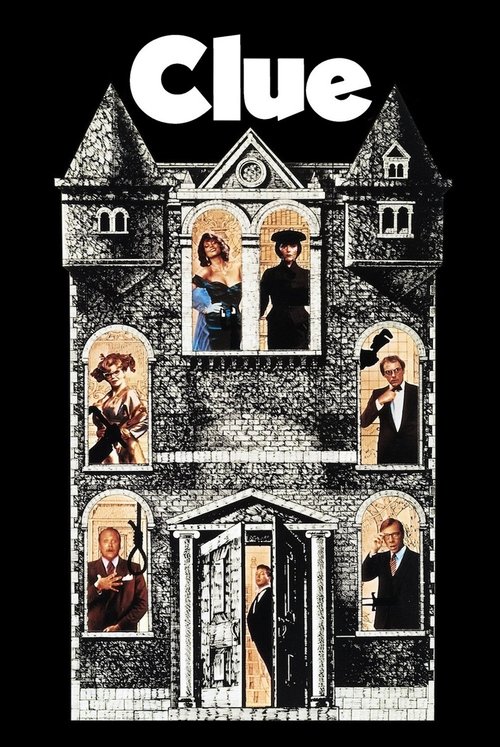
The idea of a movie based on a board game should have been the first sign of the apocalypse. In the mid-80s, Hollywood was already leaning hard into high-concept marketing, but adapting a game where the primary "character" is a lead pipe felt like a desperate bottom-of-the-barrel scrape. I remember the first time I sat down to watch it, I was fully prepared to roll my eyes into the back of my skull. Instead, I found a film that understands the mechanics of farce better than almost anything released in the last forty years.
The Gimmick That Nearly Killed the Cat
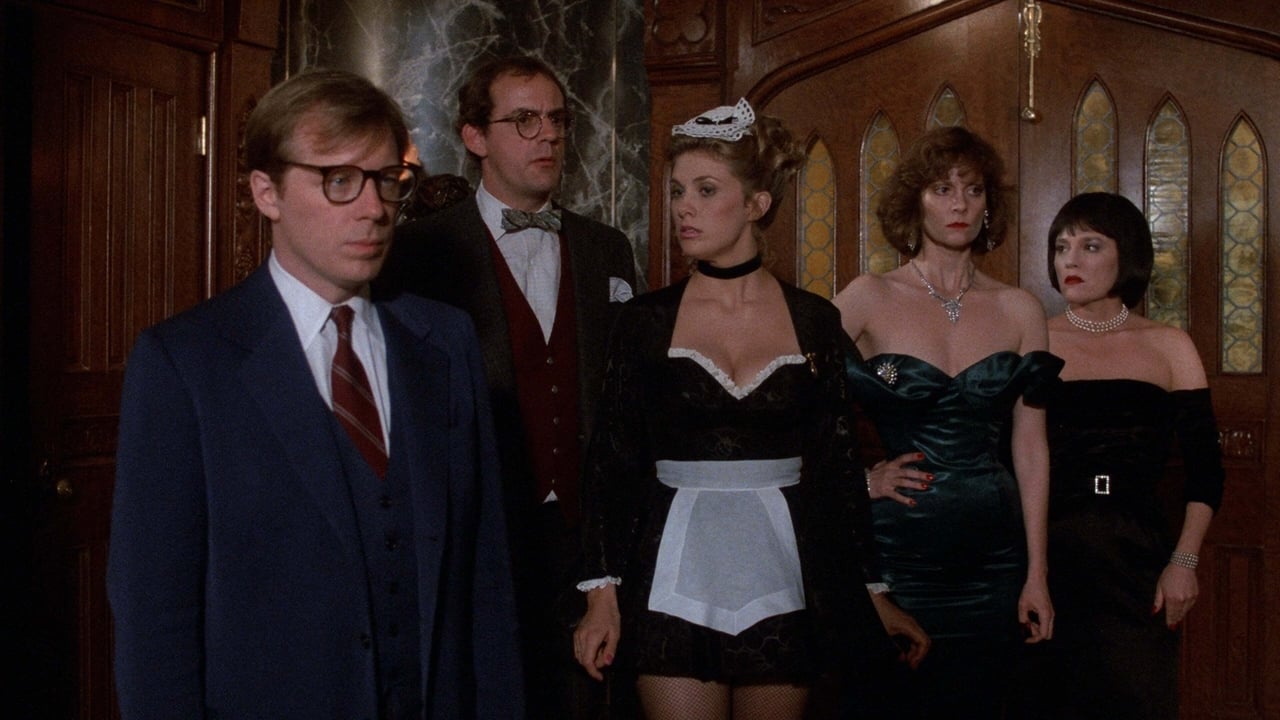
Clue is famously the film that tried to outsmart its audience and paid for it at the box office. Director Jonathan Lynn and producer Debra Hill (the legend behind Halloween) decided to release the film with three different endings. If you went to Theater A, you saw one killer; Theater B gave you another. It was a marketing stunt meant to encourage repeat viewings, but in 1985, it mostly just annoyed people. It was a theatrical release strategy that doubled as a suicide note.
Because audiences couldn't "collect" the full story, the film flopped. It was a "forgotten curiosity" for all of six months until it hit the rental shelves. This is where the VHS revolution saved Clue from the dustbin of history. On home video, the "A, B, and C" endings were played sequentially, separated by title cards explaining that "Ending A" could have happened, but here is what really went down. This transformed the film from a confusing gimmick into a cult obsession. It turned the viewing experience into a party game where you could rewind and look for the subtle clues (and there are many) that point to each possible outcome.
I watched this most recently while trying to assemble an IKEA nightstand, and by the time Tim Curry started his marathon sprint through the mansion, I had accidentally built a very small, useless birdhouse. I didn't even mind.
The Fine Art of the Slamming Door
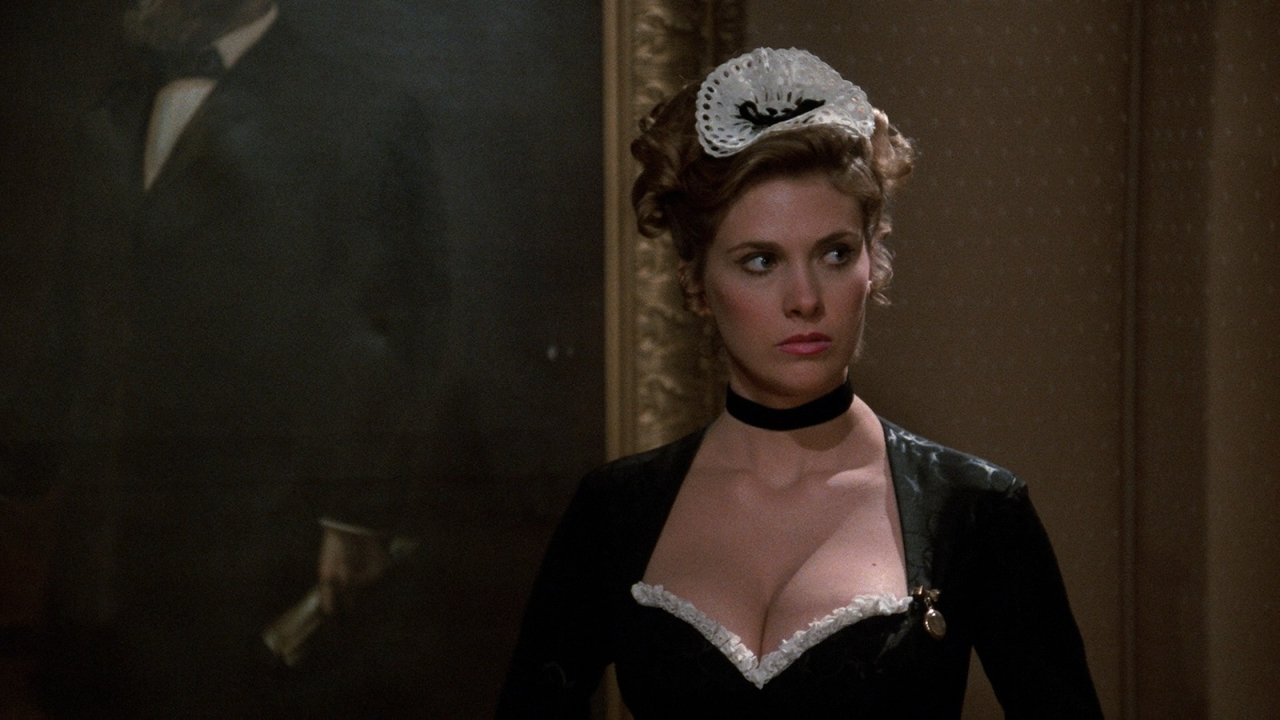
The film is a masterfully paced engine of chaos. It starts as a moody, Gothic thriller—all rain-slicked pavement and shadows—but quickly devolves into a high-velocity farce. The script by Jonathan Lynn is a miracle of wordplay and rhythmic timing. It’s the kind of comedy where a single missed beat would topple the whole house of cards.
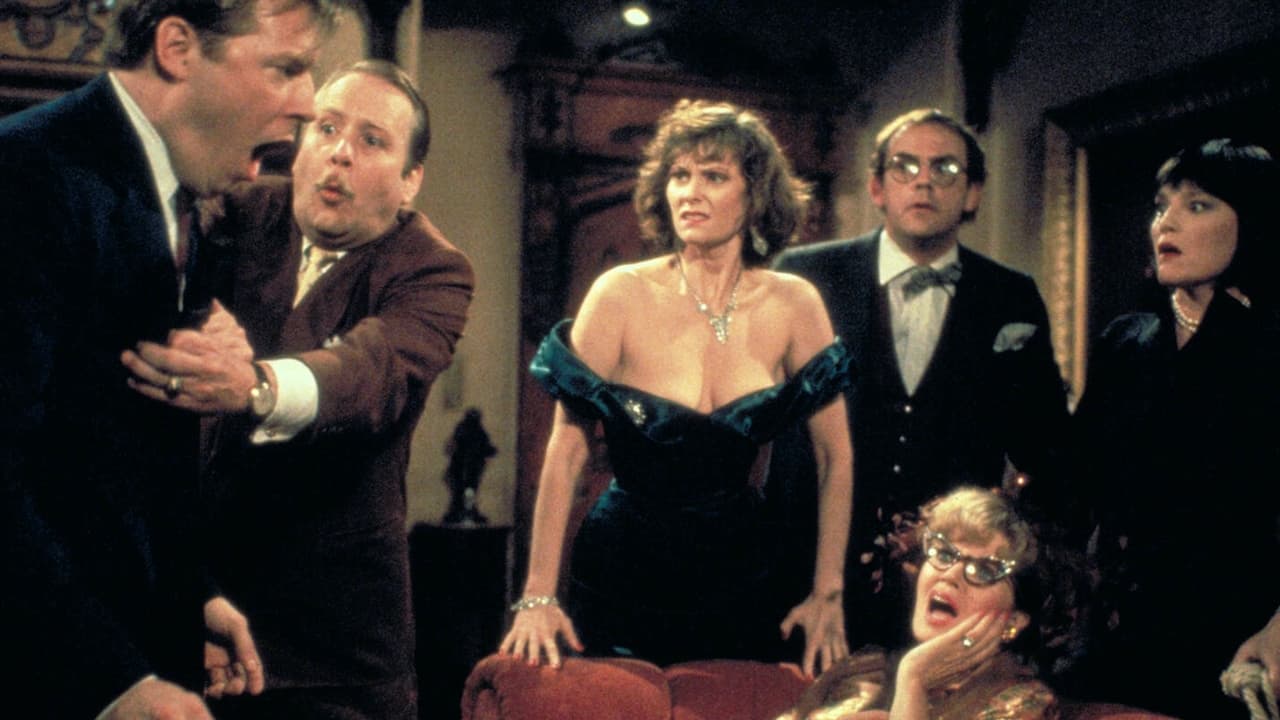
The cast is an absolute murderers' row of comedic talent. Tim Curry, as the butler Wadsworth, delivers a performance so caffeinated and athletic that you’re exhausted just watching him. He isn't just delivering lines; he’s a human pinball. Then you have Madeline Kahn as Mrs. White. Her improvised "flames... on the side of my face" speech is a pinnacle of comedic timing. Madeline Kahn could make a grocery list sound like a Shakespearean tragedy.
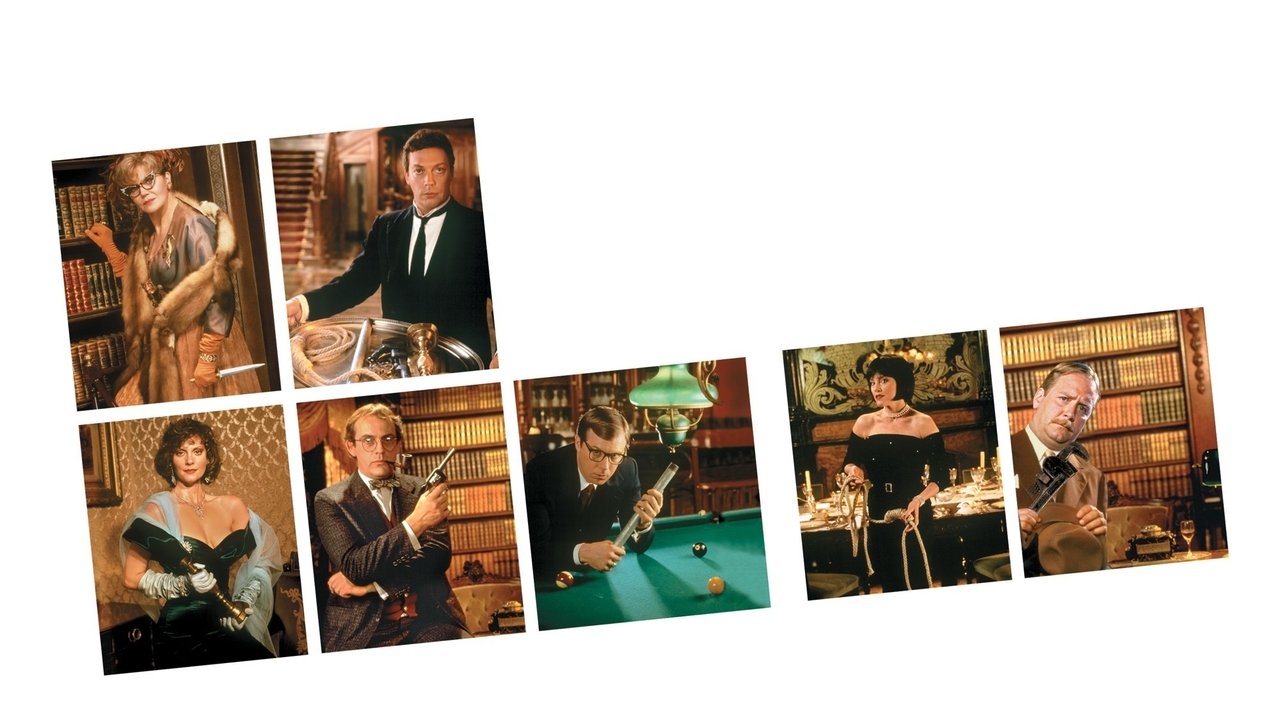
The chemistry between the ensemble—Christopher Lloyd’s sleazy Professor Plum, Michael McKean’s anxious Mr. Green, Eileen Brennan’s neurotic Mrs. Peacock, and Martin Mull’s blustering Colonel Mustard—is electric. They move through the mansion like a panicked school of fish. The comedy works because the stakes feel real to the characters. They are genuinely terrified of the "dark" reality of their situation: blackmail, McCarthy-era secrets, and a mounting body count. The film manages to be grim and hilarious simultaneously, a difficult tightrope walk that contemporary comedies rarely attempt.
A Legacy in Plastic and Polyester
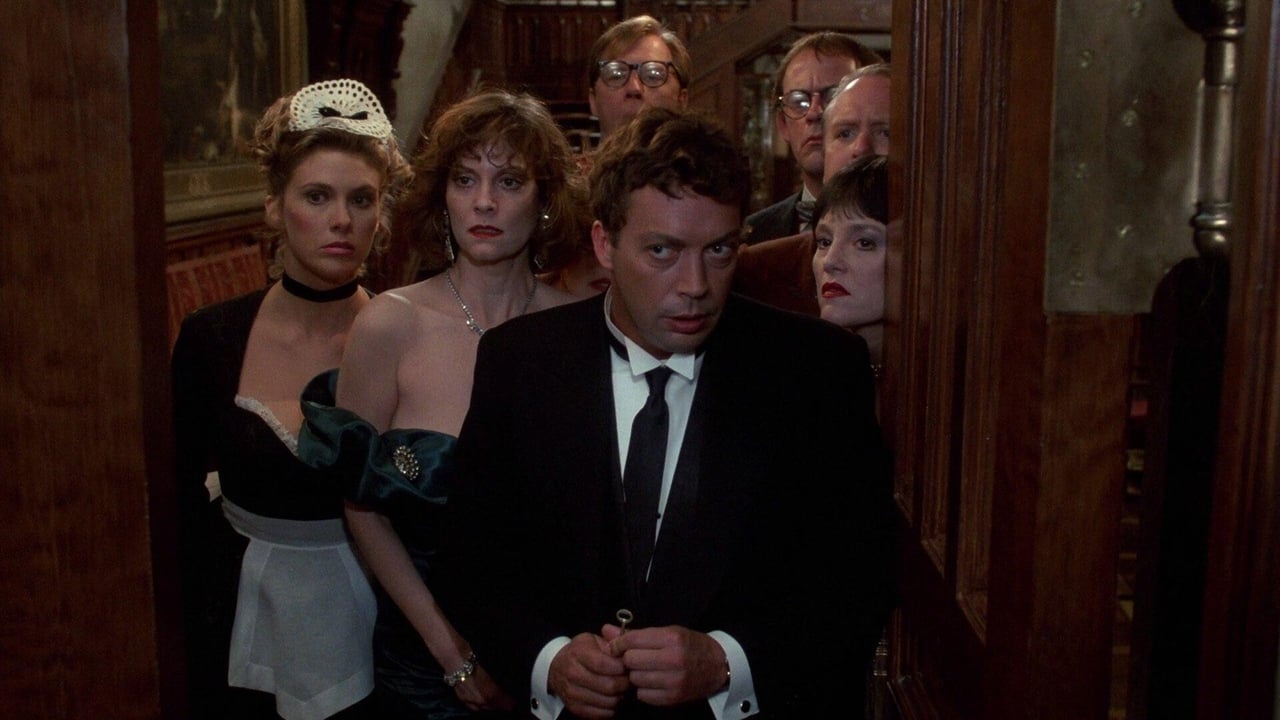
Visually, Clue is a love letter to the Practical Effects Golden Age, though not in the way a monster movie is. The "effects" here are the production design and the cinematography by Victor J. Kemper. The Hill House mansion is a character in itself, filled with secret passages and heavy velvet drapes that feel tactile and oppressive. There’s no CGI to smooth over the edges; when a chandelier falls or a secret door swings open, it has a physical weight that grounds the absurdity.
What’s fascinating about Clue today is how well it has aged compared to its peers. While other 80s comedies rely on dated pop culture references, Clue relies on the timeless mechanics of the whodunit and the slapstick tradition of the 1930s. It’s a film that trusts its audience to keep up with the rapid-fire dialogue and the shifting alliances. It doesn't pause for laughs; it just keeps running.
If you’ve only ever known Clue as the box in your attic with the missing dice, do yourself a favor and watch the film. It’s a rare example of a movie that took a cynical premise and filled it with genuine wit, incredible performances, and a sense of joy that is completely infectious. It’s not just a game; it’s a perfectly calibrated comedy machine.
Clue is a testament to the idea that a great cast and a sharp script can overcome even the most misguided marketing gimmicks. It survived a disastrous theatrical run to become a home video staple, proving that some films are just built differently. Whether you’re watching for the mystery or the "flames" on Madeline Kahn’s face, it’s a ride that never loses its momentum. It’s the best time you’ll ever have with a lead pipe in a library.
Keep Exploring...
-

Murder by Death
1976
-
Blow Out
1981
-
Mississippi Burning
1988
-
Blue Velvet
1986
-
Body Double
1984
-

Midnight Run
1988
-
Turner & Hooch
1989
-
Dirty Rotten Scoundrels
1988
-
Crimes and Misdemeanors
1989
-
Chinatown
1974
-
Blood Simple
1985
-
Manhunter
1986
-
In the Heat of the Night
1967
-

Kiss Kiss Bang Bang
2005
-
Bullitt
1968
-

Three Days of the Condor
1975
-
All the President's Men
1976
-
Marathon Man
1976
-
Soylent Green
1973
-
Lethal Weapon 2
1989