Cocoon
"The fountain of youth is a backyard pool."
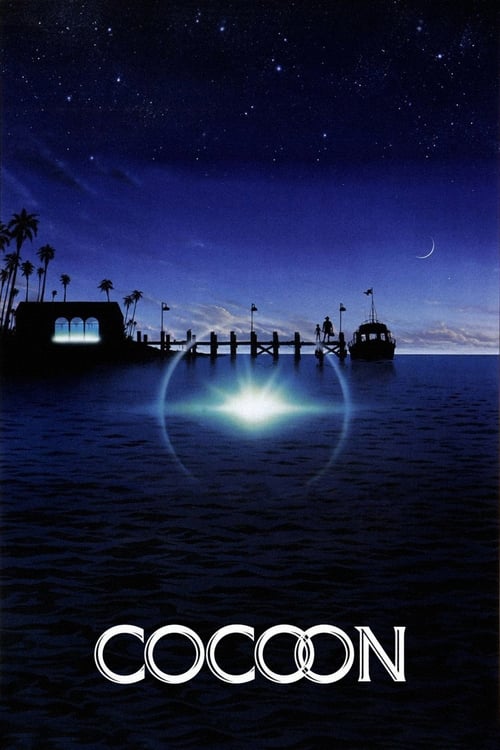
I watched Cocoon the other night while eating a bowl of Cocoa Puffs that had gone tragically soggy because I got distracted by a phone call about my car insurance. There’s something strangely appropriate about consuming sugary, childhood nostalgia while it turns into a mushy reminder of the passage of time. That is, essentially, the Ron Howard brand in a nutshell—especially in 1985.
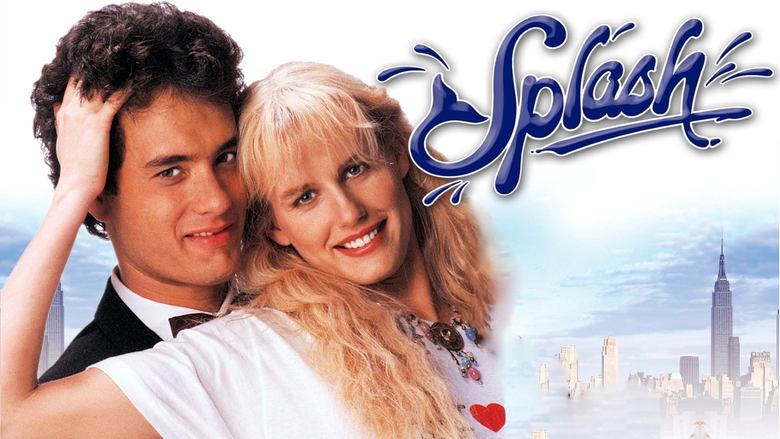
By the mid-80s, the "New Hollywood" grit of the 70s was being scrubbed away by a high-gloss, Spielbergian sheen. Ron Howard, fresh off the success of Splash (1984), was the perfect director to bridge the gap between old-school sentimentality and the high-concept blockbuster. Cocoon is the ultimate result: a movie that asks if you’d be willing to ditch your grandkids for an interstellar retirement home if it meant your joints stopped aching.
The Silver Screen Seniors
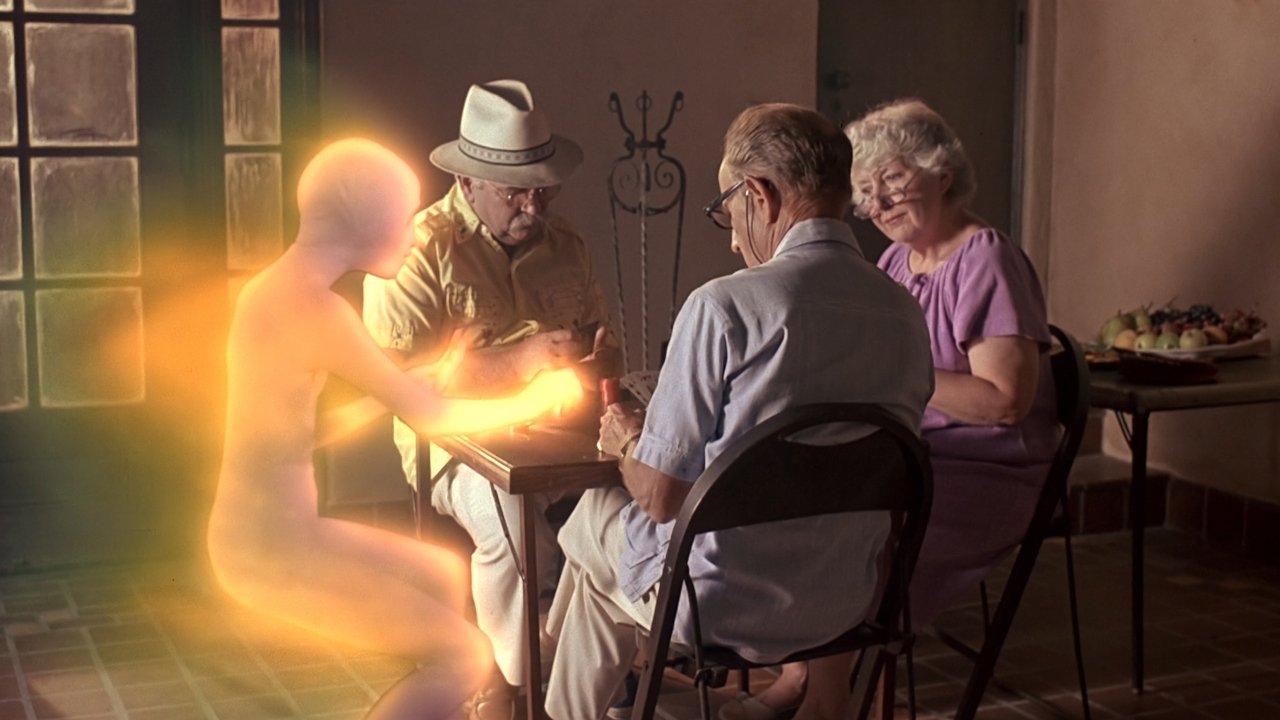
The most striking thing about revisiting Cocoon isn't the aliens or the special effects; it’s the sheer weight of the cast. We’re talking about a lineup of legends who lived through the actual Golden Age. Don Ameche, Hume Cronyn, Jessica Tandy, and Maureen Stapleton bring a level of dignity to the screen that you just don't see in modern ensemble comedies. They aren't playing "old people" as a punchline; they’re playing humans who are terrified of the finish line.
Then, of course, there’s Wilford Brimley. The internet has turned him into a meme for his "Diabeetus" commercials, but in 1985, he was a powerhouse of quiet, grumpy integrity. The wild bit of trivia that always breaks my brain is that Wilford Brimley was only 50 years old during filming. He was younger than some of the actors playing the "kids" in other 80s movies. He had to dye his hair gray just to look like he belonged in a retirement home. Wilford Brimley was 50 playing 70, which is the ultimate cinematic lie. Yet, he grounds the movie. When his character, Ben, has to explain to his grandson why he's leaving, it’s a genuine gut-punch of a scene that earns every bit of its sentimentality.
Alien Skins and Poolside Vibes
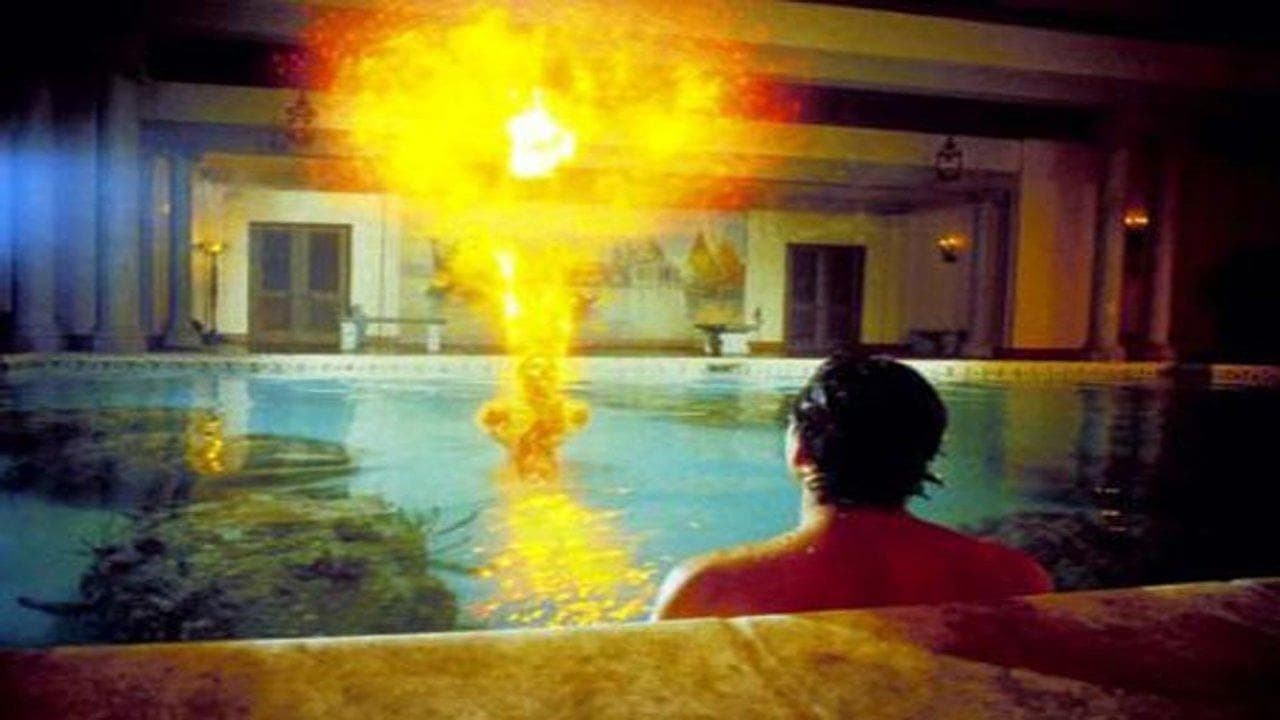
The plot is pure 80s high-concept: Aliens from Antarea (led by a very tall, very stoic Brian Dennehy) have returned to Earth to retrieve some "cocoons" left behind thousands of years ago. They rent a house with a pool, charge the water with "life force" to keep the aliens alive, and then the neighbors from the local retirement community start trespassing for a dip.
Suddenly, the seniors are breakdancing, diving into the ocean, and feeling "the urge" again. Don Ameche actually won an Oscar for this, largely on the back of a scene where he does some mid-80s floor-work in a nightclub. It’s charming, if a bit dated, but the movie succeeds because it treats their rejuvenation as both a miracle and a moral dilemma.
The practical effects, handled by Robert Short and Greg Cannom, are peak 1985. When the Antareans eventually unzip their human skins to reveal glowing, translucent light-beings, it’s a beautiful piece of pre-CGI craftsmanship. It’s that specific "glowing light" aesthetic that dominated the era—think E.T. or Close Encounters. It’s tactile and warm, unlike the cold, sharp edges of modern digital light.
The VHS Glow and the Guttenberg Factor
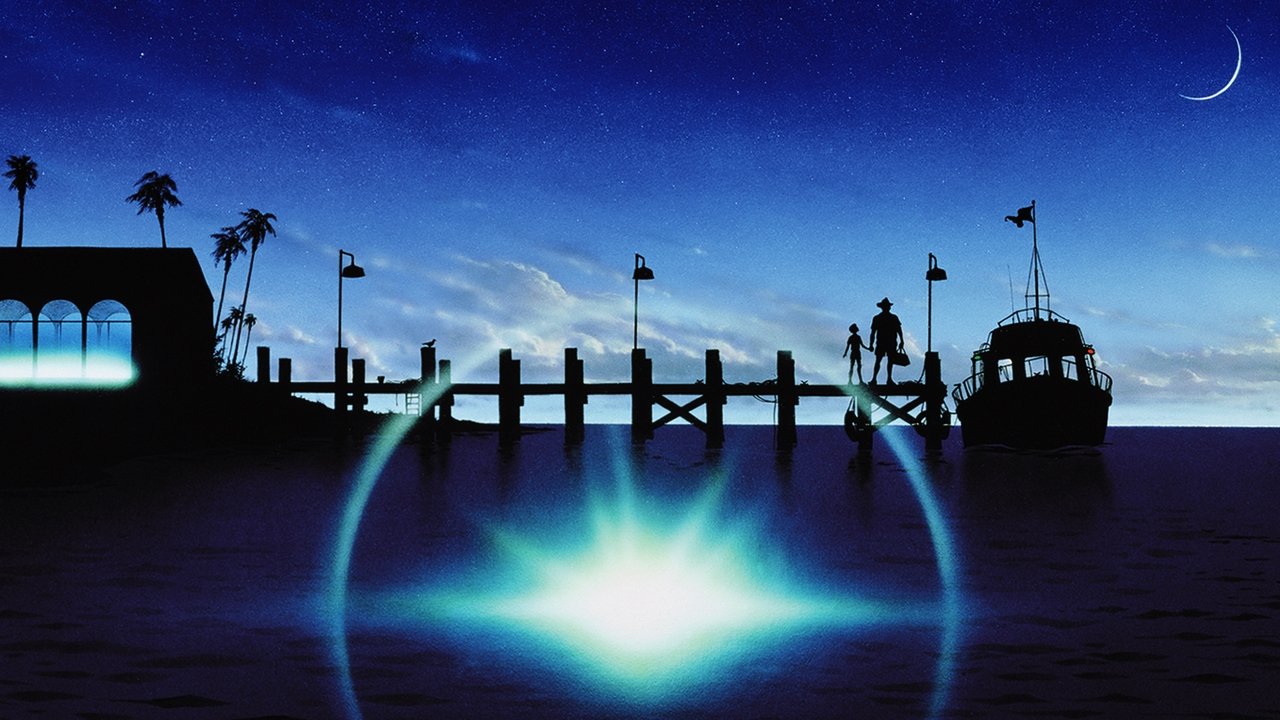
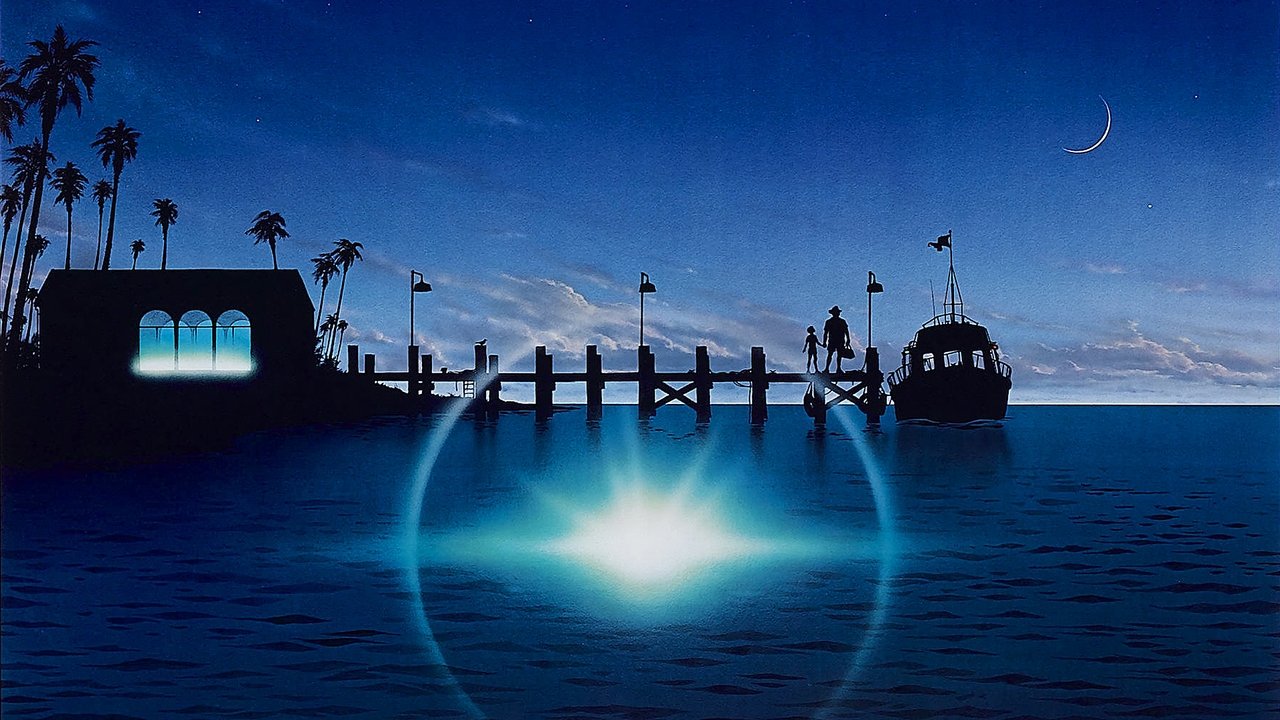
If you grew up in the late 80s or early 90s, the Cocoon VHS box was a permanent fixture on the "Drama" or "Sci-Fi" shelves of every Mom-and-Pop video store. It had that distinct 20th Century Fox blue-border art, featuring the silhouettes of the seniors looking at a glowing horizon. It promised a grand adventure, but the movie itself is surprisingly intimate.
We also have to talk about Steve Guttenberg. In 1985, the "Gutten-era" was at its peak. Between Police Academy (194) and Short Circuit (1986), he was the quintessential Everyman. Here, as Jack Bonner, the struggling boat captain who gets roped into the alien plot, he provides the necessary bridge for the younger audience. His romance with Kitty (Tahnee Welch) is weird, ethereal, and involves a "non-physical" swimming pool encounter that is the most 80s way to handle a sex scene without actually having one.
The film does lose some steam in the final act, leaning perhaps a bit too heavily into the "aliens as angels" trope that was becoming a cliché even then. But the James Horner score—which is essentially a warm hug in musical form—carries it over the finish line. Horner’s work here, much like his score for Field of Dreams (1989), knows exactly how to tug at the heartstrings without snapping them.
Cocoon is a reminder of a time when Hollywood wasn't afraid to make a big-budget spectacle starring people over the age of seventy. It’s a movie that manages to be about the fear of death while remaining stubbornly optimistic. It’s essentially 'The Golden Girls' meets 'Close Encounters of the Third Kind', and honestly, we could use a few more movies with that kind of heart. It might be a little cheesy, and the pace might be slower than today's ADHD-friendly blockbusters, but it’s a dip worth taking. Just make sure your cereal hasn't gone soggy before you sit down.

Keep Exploring...
-

Cocoon: The Return
1988
-
Splash
1984
-

Risky Business
1983
-
Starman
1984
-
Clue
1985
-

Enemy Mine
1985
-
Weird Science
1985
-

An American Tail
1986
-

Hannah and Her Sisters
1986
-

Short Circuit
1986
-
¡Three Amigos!
1986
-
Innerspace
1987
-

Scrooged
1988
-

All Dogs Go to Heaven
1989
-
Crimes and Misdemeanors
1989
-
Say Anything...
1989
-
Uncle Buck
1989
-
Police Academy 2: Their First Assignment
1985
-
Time Bandits
1981
-
Nineteen Eighty-Four
1984